 Primary School Profiles 2025

 Primary School Profiles 2025


| Address: | 81A Wong Nai Chung Road, Happy Valley, Hong Kong | |||
| Phone: | 25763181 | Email: | info@sppcs.edu.hk | |
| Fax: | 28824530 | Website: | http://www.sppcs.edu.hk | |
 School Information
 | Supervisor/ Chairman of Management Committee | : | Sister Fung Choi Wa |
| School Head | : | Ms. Kwan Pui Ling |
| Incorporated Management Committee been established? | : | Established |
| Percentage of School Supervisor and Managers / Chairperson and Members of School Management Committee (SMC) of Government Schools Fulfilling the Training Targets | : | Not Applicable |
| School Type | : | Aided Whole Day |
| Student Gender | : | Girls |
| Sponsoring Body | : | Sisters of St. Paul De Chartres |
| Religion | : | Catholicism |
| Year of Commencement of Operation | : | 1960 |
| School Motto | : | All Things to All Men (1 COR. IX:22) |
| Area Occupied by the School | : | About 22176 Sq. M |
| Through-train Secondary School | : | - |
| Feeder Secondary School | : | St. Paul's Secondary School |
| Nominated Secondary School | : | - |
| Medium of Instruction | : | Chinese |
| School Bus Service | : | School Bus |
| Parent-Teacher Association | : | Yes |
| Past Students' Association/Alumni Association | : | Yes |
| 4Rs Mental Health Charter | : | Yes |
| Whole School Health Programme | : | Pledged School |
 2025/2026 Annual School Charges
| School Fee | : | - |
| Tong Fai | : | - |
| PTA Fee | : | 100 |
| Approved Charges for non-standard items | : | $450 |
| Other Charges | : | - |
 School Facilities
 | Number of Classroom(s) | : | 24 |
| Number of School Hall(s) | : | 1 |
| Number of Playground(s) | : | 2 |
| Number of Library(ies) | : | 1 |
| Special Rooms | : | Chapel, Music Rm, Computer Rm, General Study Rm, Visual Arts Rm, Library, English Wonderland, Multifunction Area, SGP's Rm, Medical Rm and Activity Rms. |
| Facility(ies) for Supporting Students with Special Educational Needs | : | Ramp, Accessible lift and Accessible toilet. |
| Others | : | - |
 Teaching Staff Information (Including School Head) in the 2024/2025 school year
 | Number of teaching posts in the approved establishment | : | 48 |
| Total number of teachers in the school | : | 48 |
| Qualifications and professional training (%) | ||
| Had Received Teacher Training | : | 100% |
| Bachelor Degree | : | 94% |
| Master/ Doctorate Degree or above | : | 27% |
| Special Education Training | : | 57% |
| Years of Experience (%) | ||
| 0 - 4 years | : | 19% |
| 5 - 9 years | : | 27% |
| 10 years or above | : | 54% |
 Class Structure
 | 2024/25 school year | ||
| P1 Number of classes | : | 4 |
| P2 Number of classes | : | 4 |
| P3 Number of classes | : | 4 |
| P4 Number of classes | : | 4 |
| P5 Number of classes | : | 4 |
| P6 Number of classes | : | 4 |
| Total | : | 24 |
| 2025/26 school year (Based on the number of classes approved by EDB in 2025) | ||
| P1 Number of classes | : | 4 |
| P2 Number of classes | : | 4 |
| P3 Number of classes | : | 4 |
| P4 Number of classes | : | 4 |
| P5 Number of classes | : | 4 |
| P6 Number of classes | : | 4 |
| Total | : | 24 |
| Mode of teaching at different levels | ||
| Diversified teaching and learning strategies and activities are adopted. To cater for the diverse needs of all learners, students are encouraged to participate in group learning and small group discussions. | ||
| Remarks | ||
| - | ||
 Performance Assessment
 | Applicable to P1 only | ||
| Number of test(s) per year | : | 0 |
| Number of exam(s) per year | : | 2 |
| Replace tests and examinations with diversified assessments in the first term of P1 | : | Yes |
| Applicable to P2 to P6 only | ||
| Number of test(s) per year | : | 0 |
| Number of exam(s) per year | : | 3 |
| Applicable to P1 to P6 | ||
| Formulate appropriate school-based assessment and assignment policies, inform parents of related arrangements, and collect views from teachers, students and parents regularly (at least once per school year) for ongoing review and optimisation of the school assessment and assignment policies | : | Yes |
| Upload the school-based assessment policy onto the school webpage for information of the public and stakeholders | : | Yes |
| Upload the school-based assignment policy onto the school webpage for information of the public and stakeholders | : | Yes |
| Diversified Assessment for Learning | : | 1. A diversified assessment approach has been adopted, emphasising formative assessment alongside assessment. This allows teachers to monitor students' learning progress, provide immediate feedback, and adjust teaching strategies as needed. 2. At the beginning of each academic year, the updated assessment and homework policies are distributed to all stakeholders through school intranet. |
| Avoid arranging tests or examinations immediately after long holidays in order to let students take more rest during the holidays | : | Yes |
| Arrange the timetable flexibly according to the school context, with a tutorial session provided in the afternoon as far as possible for students to finish some of their homework under teachers’ guidance | : | Yes |
| Streaming arrangement | : | Students with mixed abilities are evenly distributed among the four classes of each level. |
 School Life
 | Number of school days per week | : | 5 |
| Number of periods per day | : | 9 |
| Duration of each normal period | : | 35 |
| School starts at | : | 8:10 AM |
| School ends at | : | 3:10 PM |
| Lunch break | : | 1:00 - 2:00 |
| Lunch arrangement | : | Provided by designated supplier and arranged by parents. |
| Healthy school life | : | The school is dedicated to helping students to live an active and healthy life. The school and parents work together to ensure the quality of lunchboxes provided by the lunch suppliers, and to promote the importance of healthy eating and regular exercise. |
| Remarks | : | - |
 Life-wide Learning
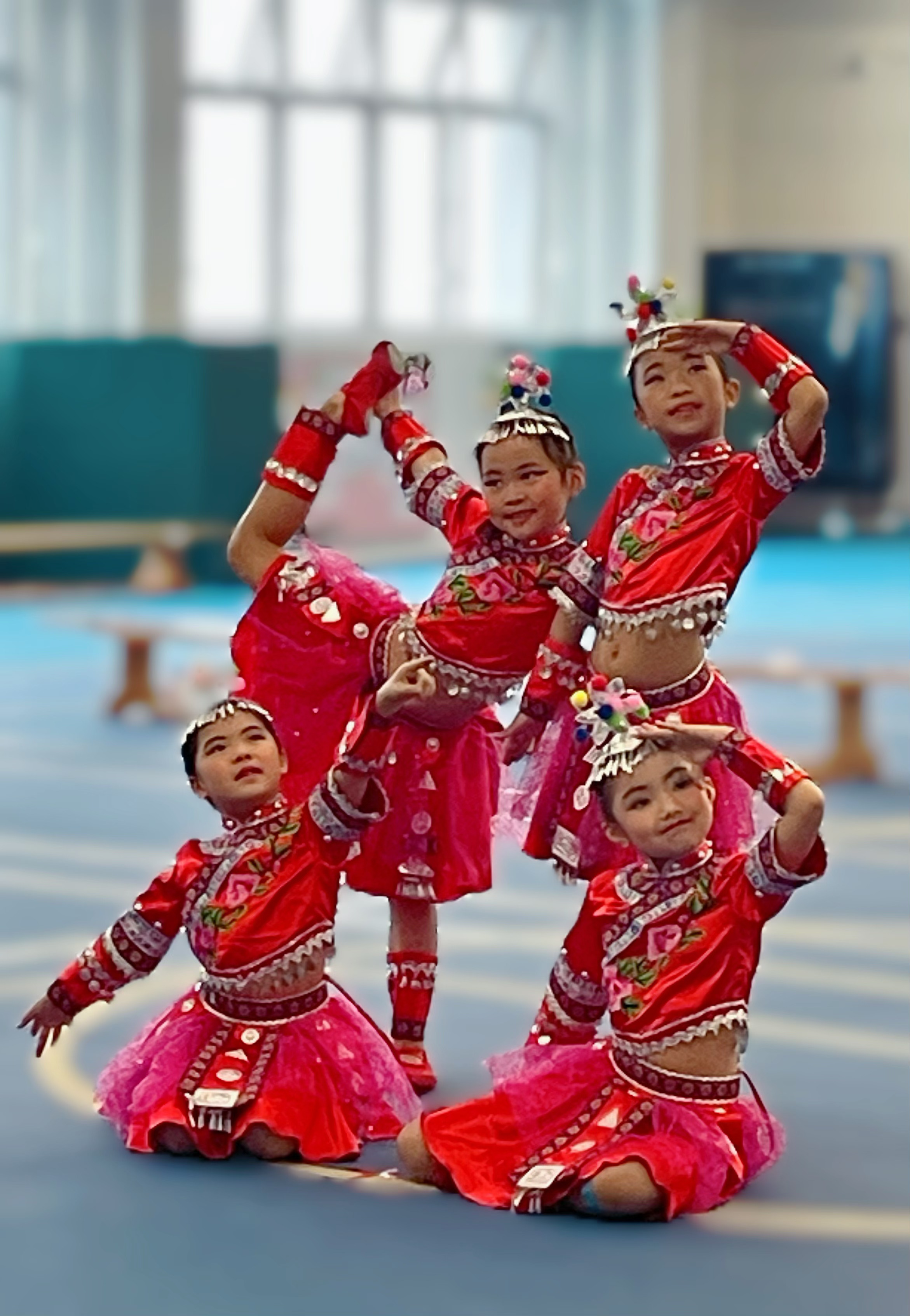
 | Various kinds of extra-curricular activities and gifted education programmes including basketball, volleyball, badminton, table tennis, swimming, athletics, choir, instrumental classes, orchestra, Chinese Orchestra, Chinese dancing, uniform groups such as Brownies, Community Youth Club and Young Pioneers of Christ, Young Elite in STEAM, Olympiad Maths Course, Arts Ambassadors-in-School Scheme, School Promotion Ambassadors, Campus Ambassadors and English Ambassadors...etc, are organised to develop and enhance students' multiple intelligences. |
 School Mission
 | The school is committed to providing an all-round education to students based on Catholic values and preparing them to have a positive attitude towards themselves and others. |
 School Characteristics
 | School Management | ||
| School Management Organisation | : | The school is managed by The Incorporated Management Committee of St. Paul's Primary Catholic School. The school management spreads under four divisions, namely 'Management and Organisation', 'Learning and Teaching', 'Student Support and School Ethos' and 'Student Performance'. |
| Incorporated Management Committee / School Management Committee/ Management Committee | : | The Incorporated Management Committee of St. Paul's Primary Catholic School |
| School Green Policy | : | The school aims to nurture students to take responsibility for environmental protection. Environmental protection information is integrated into the school curriculum. |
| School's Major Concerns | : | 1. Area of Concern 1 - "Strengthening values education and showcasing arts capacity" 2. Area of Concern 2 - "Catering for learner diversity and enriching learning experiences" |
| Learning and Teaching Plan | ||
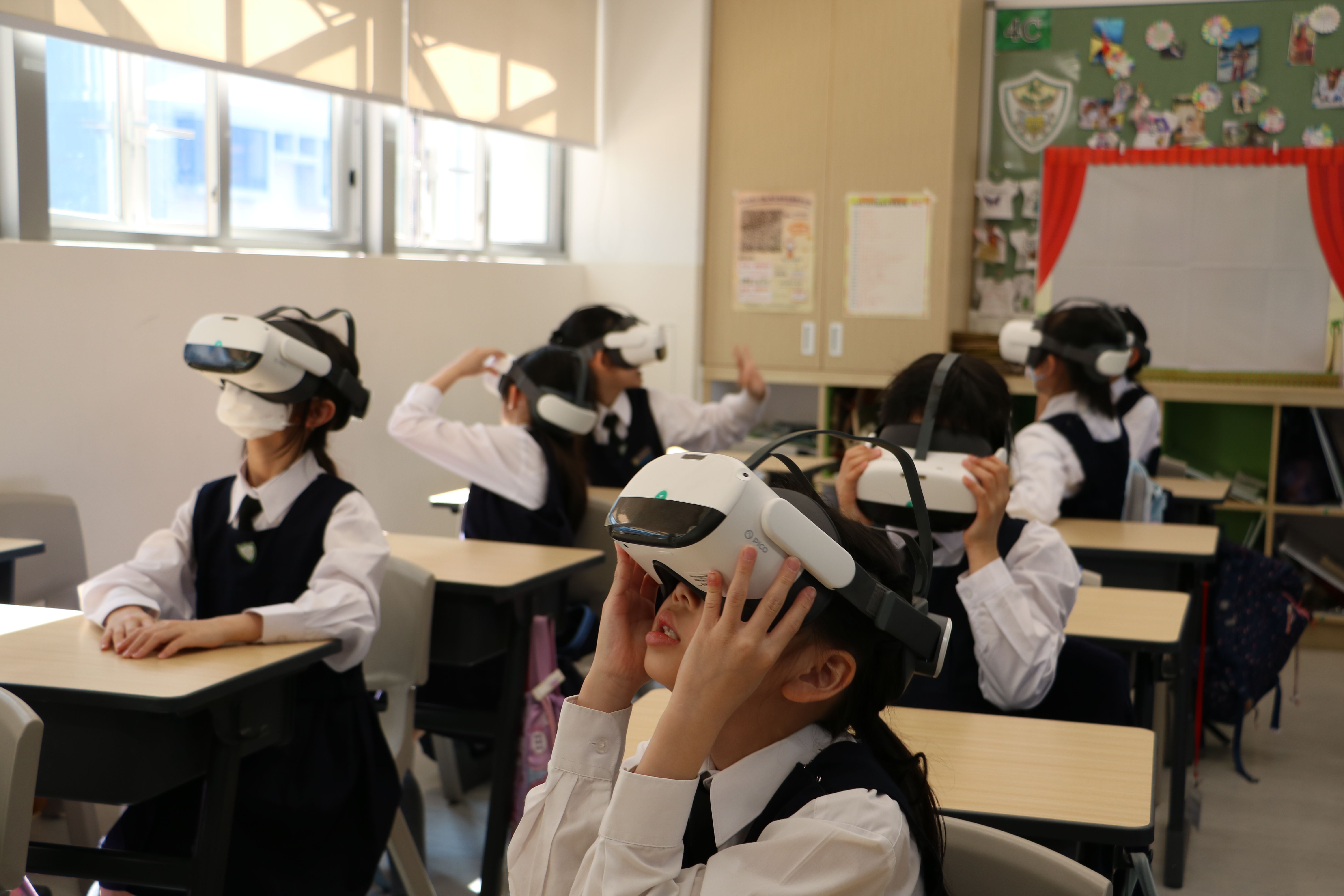
| Learning & Teaching Strategies | : | 1. A multi-dimensional, interactive and student-centered learning approach has been adopted so that students can acquire knowledge, master generic skills and foster proper values and attitudes through organic integration and natural connection. 2. STEAM Education is promoted through Science, Technology, Engineering, Arts and Mathematics as access points to help students boost computational skills, nurture inquiring minds and develop creativity. 3. Students’ creativity is fostered through diverse cross-disciplinary activities and artistic strategies, encouraging them to appreciate and contribute to beauty, truth, and goodness in life. |
| Development of Major Renewed Emphases of the Primary Education Curriculum | : | 1. The school-based curriculum is further enhanced by incorporating national education, national security education, values education, STEAM education, media and information literacy into Key Learning Areas in order to enrich students' learning experiences. 2. Diversified learning experiences are provided for students to achieve whole-person development and establish a solid foundation for lifelong learning. 3. Curriculum planning is further optimised to encourage students to use their learning time effectively for diversified and meaningful learning activities. 4. A healthy lifestyle is developed by students, and an interest in artistic activities along with basic appreciation skills is cultivated. 5. Students are encouraged to embrace interdisciplinary STEAM learning, focusing on hands-on activities and problem solving, while integrating art, technology, engineering, and mathematics to create real-life applications. |
| Development of Generic Skills | : | The priority generic skills are infused into the school-based curriculum to enrich learning experiences and to develop multiple intelligences. |
| Cultivation of Proper Values, Attitudes and Behaviours | : | The school is committed to foster students' whole-person development via the implementation of the school-based Life Education programme and the infusion of positive values across the curriculum. Students' positive attitudes and values are nurtured through daily life contexts so as to meet students' growing needs and changes of the community. Students are cultivated to be global citizens with positive attitudes and values, the courage to be responsible, and the ability of self-reliance in preparation of facing adversity. |
| Student Support | ||
| Whole School Approach to Catering for Learner Diversity | : | 1. Programmes include Gifted Education training, Remedial Classes and Growth Groups are organised to promote student growth and diversified development. 2. Adaptation measures for P.1 and P.6 students are implemented to help them with the smooth transition in different stages of education. 3. Through various programs like Guardian Angels and Big Sisters Scheme, senior students are trained to care for and support their junior peers, fostering mutual growth and creating a culture of peer compassion. |
| Whole School Approach to Integrated Education | : | 1. The school-based student support policy is consistently refined and a mechanism of early identification and early intervention is set up to grasp an early understanding of the situations of the students with special needs. 2. By organising school-based enhancement groups and inclusive activities, coteaching with teaching assistants and utilising resources in the community, appropriate support such as differentiated teaching and assessment accommodations is provided for them. 3. Home-school cooperation is strengthened to enhance the effectiveness of the support services. |
| Education Support for Non-Chinese Speaking(NCS) Students | : | Our school provides additional support for NCS students to facilitate their learning of Chinese: providing after-school support programmes in learning Chinese; appointing additional teacher(s)/teaching assistant(s) to support NCS students' learning of Chinese; arranging intensive Chinese learning and teaching mode(s), e.g. pull-out learning if necessary, split-class/group learning, etc; and organising activities to create an inclusive learning environment in the school. Ample opportunities are provided for non-Chinese-speaking students to showcase their strengths and potentials, thereby enhancing their confidence and promoting diversity and inclusion. |
| Curriculum Tailoring and Adaptation | : | According to students' abilities, interest and learning performance, engaging learning materials are tailored and effective teaching strategies are applied to help students reach their potentials the fullest and develop a sense of achievement. |
| Home-school Co-operation and School Ethos | ||
| Home-School Co-operation | : | 1. The school places great emphasis on building and maintaining a good home-school relationship through PTA, parent volunteer team, parent seminars and workshops, parent-child activities and a dedicated hotline for parent-teacher communication. 2. The school is committed to promoting parental education by organising various activities and courses, enabling parents to understand and practise positive discipline concepts and communication skills. |
| School Ethos | : | 1. Diversified activities, workshops and seminars are organised to have stakeholders understand the school mission with affirmation to order to align with the implementation of Values Education. 2. Different strategies such as inclusion promotion and service-learning are adopted to establish a harmonious and caring school culture. The spirit of mutual respect is nurtured in students. 3. Various award schemes are established to encourage students to build self-management skills and develop a sense of belonging. |
| Future Development | ||
| School Development Plan | : | 1. Rooted in the core values of Catholic education ‘justice’ and ‘truth, students are cultivated to embrace responsibility, respect others, discern right from wrong, and seek truth. Positive education is deepened to foster a growth mindset and positive emotions in our students. 2. Catering for learner diversity and developing students' multiple potentials. 3. Facilitating creative arts initiatives to enhance students' knowledge and genuine engagement with Chinese culture. |
| Teacher Professional Training & Development | : | The school encourages teachers to take part in various pedagogical seminars and academic sharing sessions so as to strengthen the learning and teaching effectiveness as well as to enhance the quality of teaching. |
| Others | : | - |
 School Map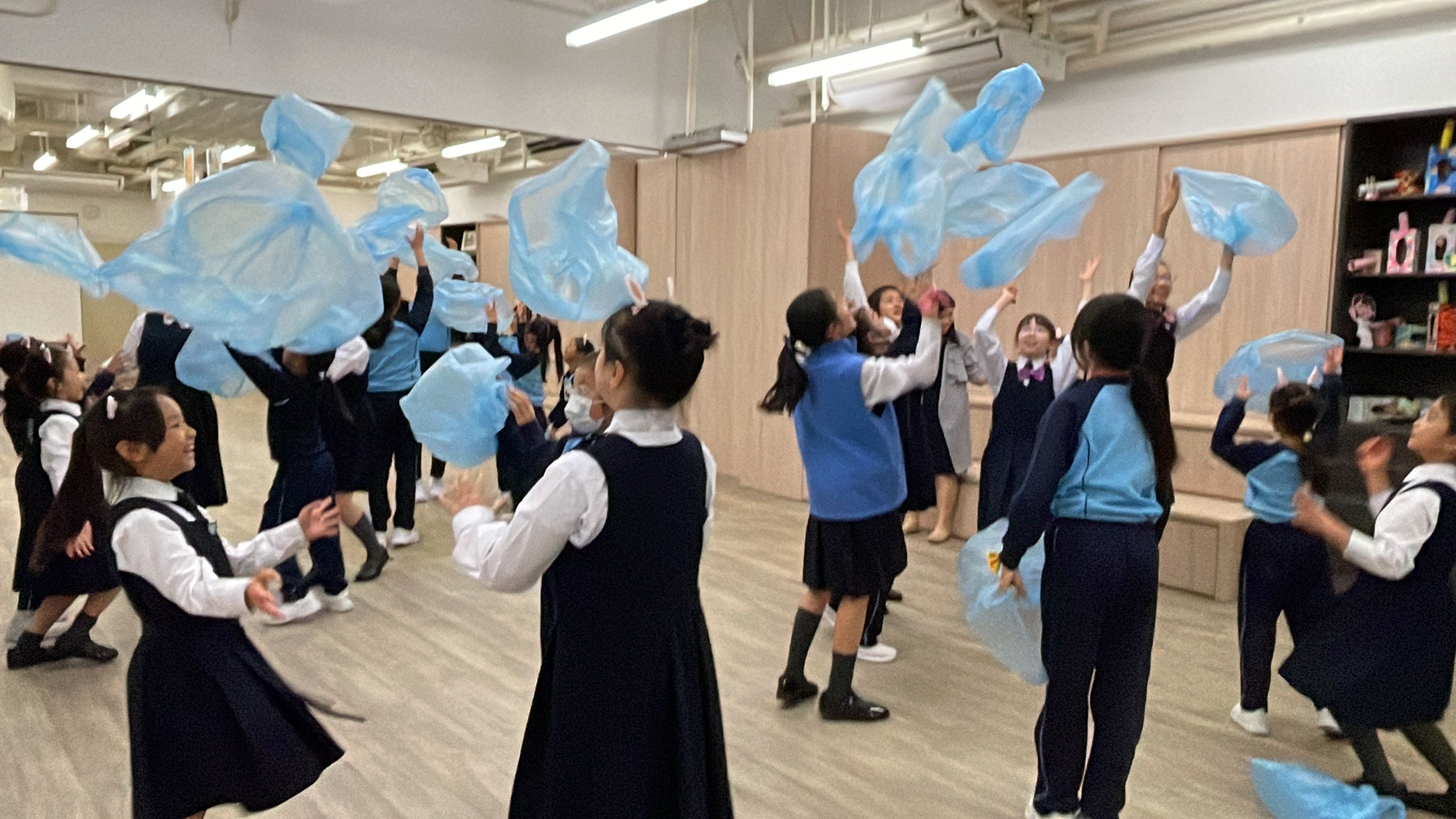

Last revision date:01 September 2025


