 Primary School Profiles 2025

 Primary School Profiles 2025


| Address: | 1 Kui In Fong, Sheung Wan, Hong Kong | |||
| Phone: | 25465712 | Email: | info@swcss.edu.hk | |
| Fax: | 25405830 | Website: | http://www.swcss.edu.hk | |
 School Information
 | Supervisor/ Chairman of Management Committee | : | Mr. Leung Sai Kwong |
| School Head | : | Mr. Oh Lap Fung |
| Incorporated Management Committee been established? | : | Established |
| Percentage of School Supervisor and Managers / Chairperson and Members of School Management Committee (SMC) of Government Schools Fulfilling the Training Targets | : | Not Applicable |
| School Type | : | Aided Whole Day |
| Student Gender | : | Co-ed |
| Sponsoring Body | : | The San Wui Commercial Society of HK |
| Religion | : | Not Applicable |
| Year of Commencement of Operation | : | 1958 |
| School Motto | : | HONESTY VIRTUE DISCIPLINE HARDWORKING |
| Area Occupied by the School | : | About 700 Sq. M |
| Through-train Secondary School | : | S.W.C.S. Chan Pak Sha School |
| Feeder Secondary School | : | - |
| Nominated Secondary School | : | - |
| Medium of Instruction | : | Chinese |
| School Bus Service | : | School Bus |
| Parent-Teacher Association | : | Yes |
| Past Students' Association/Alumni Association | : | Yes |
| 4Rs Mental Health Charter | : | - |
| Whole School Health Programme | : | Pledged School |
 2025/2026 Annual School Charges
| School Fee | : | - |
| Tong Fai | : | - |
| PTA Fee | : | 50 |
| Approved Charges for non-standard items | : | - |
| Other Charges | : | - |
 School Facilities
 | Number of Classroom(s) | : | 12 |
| Number of School Hall(s) | : | 1 |
| Number of Playground(s) | : | 1 |
| Number of Library(ies) | : | 1 |
| Special Rooms | : | Computer room, Music room, Medical room, Guest room. |
| Facility(ies) for Supporting Students with Special Educational Needs | : | - |
| Others | : | - |
 Teaching Staff Information (Including School Head) in the 2024/2025 school year
 | Number of teaching posts in the approved establishment | : | 23 |
| Total number of teachers in the school | : | 30 |
| Qualifications and professional training (%) | ||
| Had Received Teacher Training | : | 100% |
| Bachelor Degree | : | 100% |
| Master/ Doctorate Degree or above | : | 28% |
| Special Education Training | : | 47% |
| Years of Experience (%) | ||
| 0 - 4 years | : | 22% |
| 5 - 9 years | : | 34% |
| 10 years or above | : | 44% |
 Class Structure
 | 2024/25 school year | ||
| P1 Number of classes | : | 1 |
| P2 Number of classes | : | 1 |
| P3 Number of classes | : | 1 |
| P4 Number of classes | : | 2 |
| P5 Number of classes | : | 2 |
| P6 Number of classes | : | 2 |
| Total | : | 9 |
| 2025/26 school year (Based on the number of classes approved by EDB in 2025) | ||
| P1 Number of classes | : | 1 |
| P2 Number of classes | : | 1 |
| P3 Number of classes | : | 1 |
| P4 Number of classes | : | 1 |
| P5 Number of classes | : | 2 |
| P6 Number of classes | : | 2 |
| Total | : | 8 |
| Mode of teaching at different levels | ||
| P.1-P.6 small class teaching, teaching with e-Board, P.1-P.6 teaching assistants to assist teaching; learning support groups for children with special learning needs; homework tutorial classes and make up lesson after school. | ||
| Remarks | ||
| - | ||
 Performance Assessment
 | Applicable to P1 only | ||
| Number of test(s) per year | : | 0 |
| Number of exam(s) per year | : | 2 |
| Replace tests and examinations with diversified assessments in the first term of P1 | : | Yes |
| Applicable to P2 to P6 only | ||
| Number of test(s) per year | : | 0 |
| Number of exam(s) per year | : | 3 |
| Applicable to P1 to P6 | ||
| Formulate appropriate school-based assessment and assignment policies, inform parents of related arrangements, and collect views from teachers, students and parents regularly (at least once per school year) for ongoing review and optimisation of the school assessment and assignment policies | : | Yes |
| Upload the school-based assessment policy onto the school webpage for information of the public and stakeholders | : | Yes |
| Upload the school-based assignment policy onto the school webpage for information of the public and stakeholders | : | Yes |
| Diversified Assessment for Learning | : | Formative and Summative assessments for academic and personal development; assessment on project learning (P.4-P.6). |
| Avoid arranging tests or examinations immediately after long holidays in order to let students take more rest during the holidays | : | Yes |
| Arrange the timetable flexibly according to the school context, with a tutorial session provided in the afternoon as far as possible for students to finish some of their homework under teachers’ guidance | : | Yes |
| Streaming arrangement | : | Mixed ability classes from P.1 to P.6. |
 School Life
 | Number of school days per week | : | 5 |
| Number of periods per day | : | 12 |
| Duration of each normal period | : | 30 |
| School starts at | : | 8:10 AM |
| School ends at | : | 3:45 PM |
| Lunch break | : | 12:40 - 1:35 |
| Lunch arrangement | : | Provided by designated supplier and arranged by parents. |
| Healthy school life | : | 1. The school builds an energetic playground, encourages students to do more exercise, and develops a one-person-one-exercise program, built up a mentally healthy school. 2. To teach students not to waste food. |
| Remarks | : | Morning reading session 7:50-8:20 a.m.; Core subjects timetabled in morning sessions while music, computer studies, visual arts and P.E. are held in the afternoon. Students have open access to all areas of the school during recess. They may use library, computer room, playground, painting/games area. |
 Life-wide Learning
 | Spanish Beginner, Judo, African Drum, Sketching, Table Tennis, Roller Skating, Chess Club, Drawing Class, Percussion class, Voice Acting Class, Kendama, Pastel Nagomi Art, Kubb, Molkky, Creative Life Invention, Rope Skipping Class. |
 School Mission
 | We strive to provide a successful and enjoyable environment for our students; an environment where they are nurtured and encouraged to be passionate and responsible citizens. |
 School Characteristics
 | School Management | ||
| School Management Organisation | : | The School management board is responsible for making and monitoring the school policy. Form meetings provide opportunity for mutual support and sharing of ideas. Besides, we have different functional teams to carry out duties, including Curriculum Development Team, Pastoral Care Unit, Student Guidance & Counselling Group, Discipline Group, Civic and Moral Education Group, Extra-curricular Activities Team. |
| Incorporated Management Committee / School Management Committee/ Management Committee | : | Incorporated Management Committee |
| School Green Policy | : | 1. Paper recycling bins are put in the classroom, so students and teachers can have a good use of paper, and cherish the things we have. 2. To teach students to love the food, and reduce the disposal of food waste. 3. Reusable food ware. |
| School's Major Concerns | : | To foster and develop pupils' positive attitude, to build up their self-achievement and confidence. |
| Learning and Teaching Plan | ||
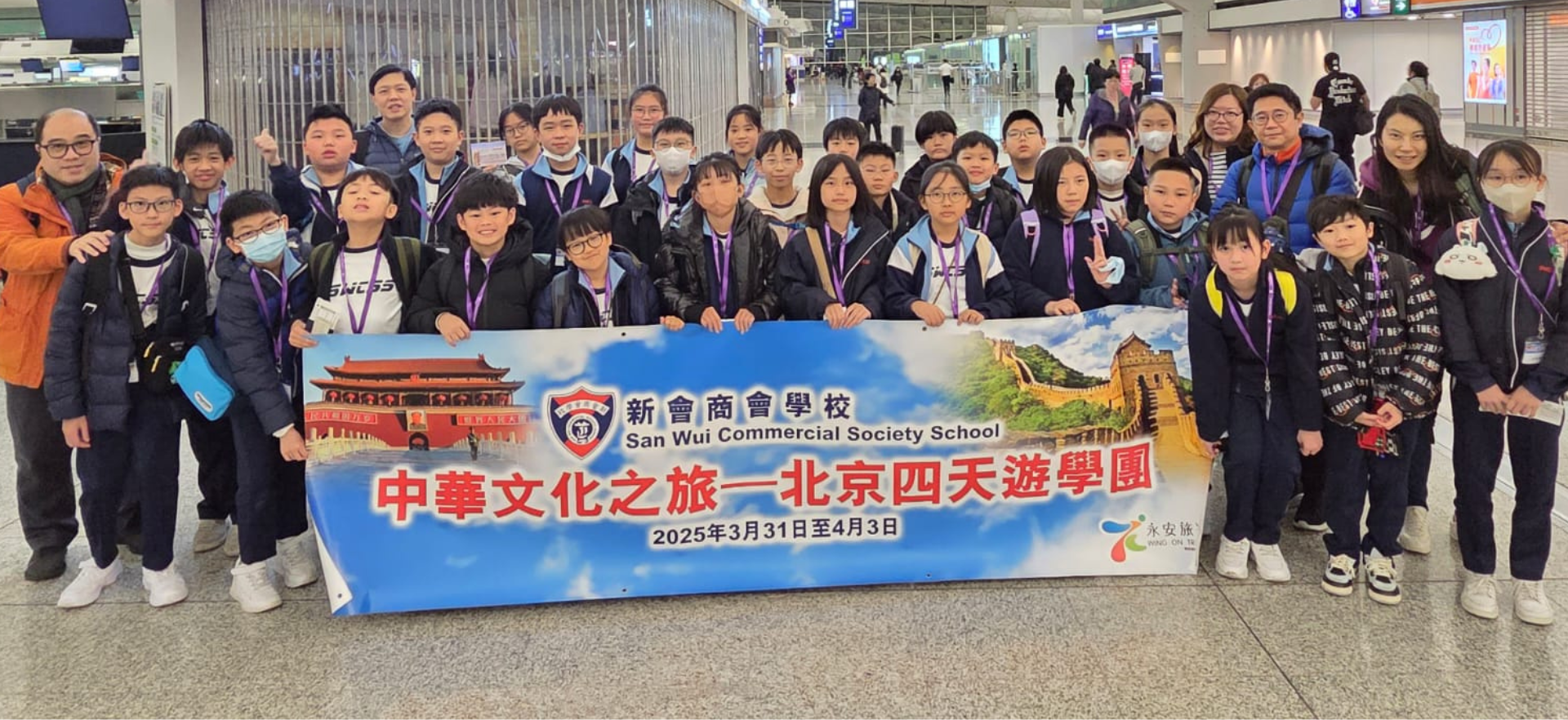
| Learning & Teaching Strategies | : | 1. Lessons are given on time-slots to facilitate group learning and project learning. 2. Campus is kept open after school. 3. Life (P.1-P.3) and adventure training (P.4-P.6); mainland cultural exchanges and reports (P.4-P.6); project learning (P.4-P.6). |
| Development of Major Renewed Emphases of the Primary Education Curriculum | : | STEAM EVERYWHERE: to enhance students' spirit of inquiry. National security: Deepen the understanding of our country. |
| Development of Generic Skills | : | 1. Systematic project learning training: P.4: group-based project learning course; P.5: group-based project learning course under teacher's guidance; P.6: special topics report making with proper titles under teachers' guidance. 2. Develop students' generic skills through systematic school-based information literacy curriculum, school-based reading strategy curriculum and group learning curriculum. |
| Cultivation of Proper Values, Attitudes and Behaviours | : | 1. Infiltrate the classroom and encourage students to learn. 2. Cultivate students' positive values and attitudes through growth lessons. |
| Student Support | ||
| Whole School Approach to Catering for Learner Diversity | : | Small class teaching (P.1-P.6), homework tutorials and voluntary services provide supports to the students. |
| Whole School Approach to Integrated Education | : | Members of the student support team include the school Principal, Special Educational Needs Coordinator (SENCO), School-based Educational Psychologist, school Social Worker, Special Educational Needs Support Teachers and Teaching Assistants. The school Principal and SENCO coordinate and promote the "Whole-School Approach" model of to Integrated Education, and use additional resources such as Learning Support Grants to support students with special educational needs. The school's specific measures include teaching and assessment adjustments, subject and homework remedial groups, social training groups, school-based speech therapy services, Individual Education Plans, etc. |
| Education Support for Non-Chinese Speaking(NCS) Students | : |
Our school provides additional support for NCS students to facilitate their learning of Chinese: providing after-school support programmes in learning Chinese; appointing additional teacher(s)/teaching assistant(s) to support NCS students' learning of Chinese; arranging intensive Chinese learning and teaching mode(s), e.g. pull-out learning if necessary, split-class/group learning, etc; and organising activities to create an inclusive learning environment in the school. 1. Provide online study support. 2. Arrange homework and dictation adjustments according to student's needs. 3. Arrange adjustments according to student's Chinese level for non-internal examinations. |
| Curriculum Tailoring and Adaptation | : | Curriculum tailoring and adaptation for special education needs pupils. |
| Home-school Co-operation and School Ethos | ||
| Home-School Co-operation | : | Open campus for parents, parent volunteers, various home-school communication channels and various seminars. |
| School Ethos | : | Love and caring scheme, homework tutorial (after school), individual and group counselling, bridging course for P.1 and P.6, picnics, seminar and workshop for parents, questionnaire. |
| Future Development | ||
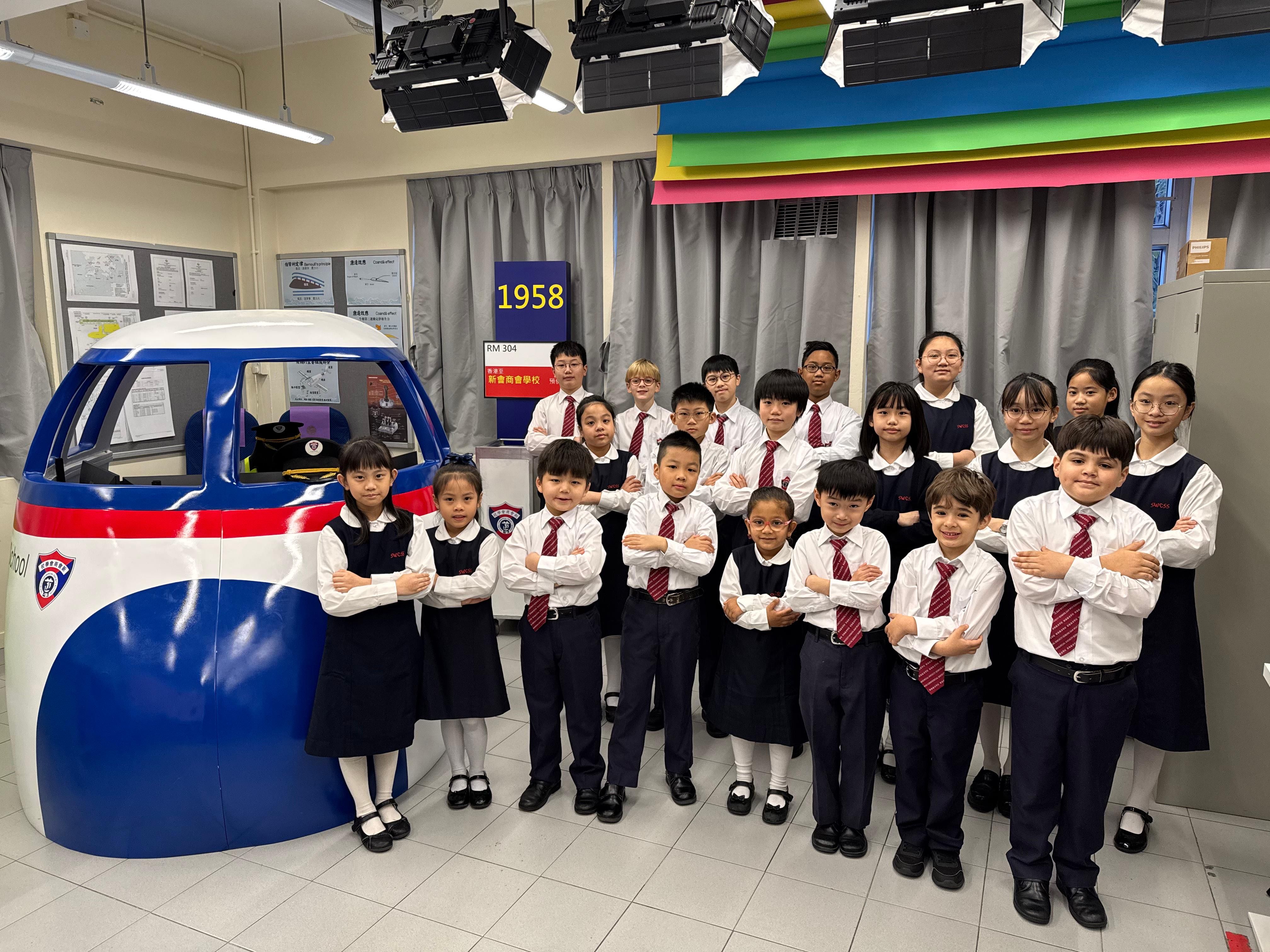
| School Development Plan | : | STEAM Everywhere The first is to strengthen the teaching of STEAM literacy and knowledge in the subjects of Mathematics, General Studies and Computer Science: to include programming, IT literacy, flight simulation activities and VR, etc. The second is to organize STEAM Learning Days to provide hands-on learning of engineering and science. The third is STEAM Everywhere, setting up learning corners in different corners of the school: Coding Everywhere, Engineering Everywhere, Drawing Everywhere. |
| Teacher Professional Training & Development | : | Equip the teacher well to cater for learning diversity of the pupils. |
| Others | : | 1. Each year, students participate in various off-campus competitions: Inter-school English and Chinese Speech Festival, Math Olympiad, STEAM-related competitions, drawing competitions, track and field, rope skipping, and various sports competitions. 2. Regular visits to school services such as speech therapy, clinical psychologist, music therapy. 3. Stationed social worker. |
 School Map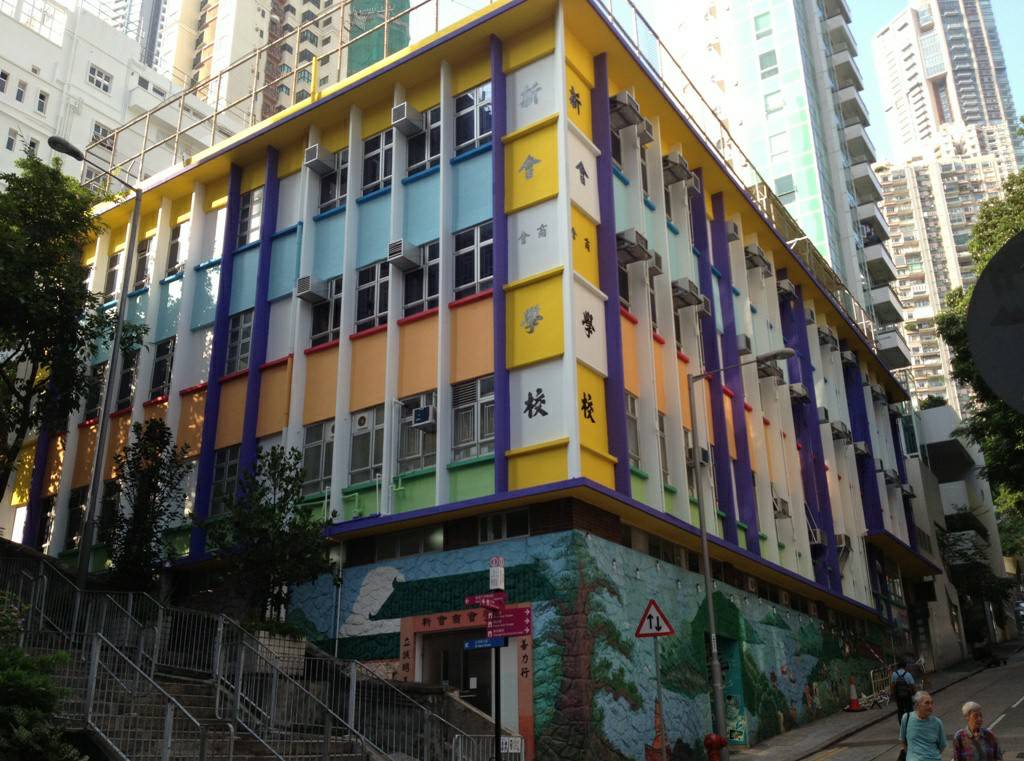

Last revision date:01 September 2025


