 Primary School Profiles 2026

 Primary School Profiles 2026

| Address: | 12 Kai Lai Road, Kowloon Bay, Kowloon | |||
| Phone: | 27594504 | Email: | info@bckps.edu.hk | |
| Fax: | 27507448 | Website: | http://www.bckps.edu.hk | |
 School Information
 | Supervisor/ Chairman of Management Committee | : | Ven. Sik Yin Chi |
| School Head | : | Ms. Fan Sau Ki |
| Incorporated Management Committee been established? | : | Established |
| Percentage of School Supervisor and Managers / Chairperson and Members of School Management Committee (SMC) of Government Schools Fulfilling the Training Targets | : | Not Applicable |
| School Type | : | Aided Whole Day |
| Student Gender | : | Co-ed |
| Sponsoring Body | : | The Hong Kong Buddhist Association |
| Religion | : | Buddhism |
| Year of Commencement of Operation | : | 1969 |
| School Motto | : | Enlighten with Wisdom, Manifest with Compassion. |
| Area Occupied by the School | : | About 7000 Sq. M |
| Through-train Secondary School | : | - |
| Feeder Secondary School | : | - |
| Nominated Secondary School | : | - |
| Medium of Instruction | : | Chinese & English |
| School Bus Service | : | School Bus |
| Parent-Teacher Association | : | Yes |
| Past Students' Association/Alumni Association | : | Yes |
| 4Rs Mental Health Charter | : | Yes |
| Whole School Health Programme | : | Action School |
 2026/2027 Annual School Charges
| School Fee | : | - |
| Tong Fai | : | - |
| PTA Fee | : | - |
| Approved Charges for non-standard items | : | $380 |
| Other Charges | : | 1. Replacement of student card $9.9 2. Replacement of Grade Report $35 |
 School Facilities
 | Number of Classroom(s) | : | 25 |
| Number of School Hall(s) | : | 1 |
| Number of Playground(s) | : | 1 |
| Number of Library(ies) | : | 1 |
| Special Rooms | : | CK POWER Reading Bus, Inno Lab, Zen Place, School Library, English Room, Visual Art Room, Science Room, Music Room, and Multi-purpose Activity Room. |
| Facility(ies) for Supporting Students with Special Educational Needs | : | Accessible lift, Accessible toilet, Tactile guide path and Visual fire alarm system. |
| Others | : | Chee Hoi Hall, Vanilla Garden, Rooftop Playground, Green Canteen, Renewable Energy System, Lotus pond, installing electronic whiteboards throughout the school. |
 Teaching Staff Information (Including School Head) in the 2025/2026 school year
 | Number of teaching posts in the approved establishment | : | 45 |
| Total number of teachers in the school | : | 53 |
| Qualifications and professional training (%) | ||
| Had Received Teacher Training | : | 100% |
| Bachelor Degree | : | 100% |
| Master/ Doctorate Degree or above | : | 30% |
| Special Education Training | : | 80% |
| Years of Experience (%) | ||
| 0 - 4 years | : | 18% |
| 5 - 9 years | : | 16% |
| 10 years or above | : | 66% |
 Class Structure
 | 2025/26 school year | ||
| P1 Number of classes | : | 3 |
| P2 Number of classes | : | 4 |
| P3 Number of classes | : | 4 |
| P4 Number of classes | : | 4 |
| P5 Number of classes | : | 4 |
| P6 Number of classes | : | 4 |
| Total | : | 23 |
| 2026/27 school year (Based on the number of classes approved by EDB in 2026) | ||
| P1 Number of classes | : | 3 |
| P2 Number of classes | : | 3 |
| P3 Number of classes | : | 4 |
| P4 Number of classes | : | 4 |
| P5 Number of classes | : | 4 |
| P6 Number of classes | : | 4 |
| Total | : | 22 |
| Mode of teaching at different levels | ||
| The school implements Small Class Teaching to adopt appropriate strategies for catering learning diversity through gifted education programmes, remedial classes and after-school tutoring support. BYOD classes are employed from P4 to P6 levels to cultivate students' positive characters and innovation mindsets. | ||
| Remarks | ||
| The school has carried out appropriate curriculum planning and adjustments in KS1 and KS2, including flexible and interactive school-based assessment policies and career planning courses to help students in adapting to stages of education and cultivate their positive character traits and creativity. | ||
 Performance Assessment
 | Applicable to P1 only | ||
| Number of test(s) per year | : | 0 |
| Number of exam(s) per year | : | 0 |
| Replace tests and examinations with diversified assessments in the first term of P1 | : | Yes |
| Applicable to P2 to P6 only | ||
| Number of test(s) per year | : | 0 |
| Number of exam(s) per year | : | 3 |
| Applicable to P1 to P6 | ||
| Formulate appropriate school-based assessment and assignment policies, inform parents of related arrangements, and collect views from teachers, students and parents regularly (at least once per school year) for ongoing review and optimisation of the school assessment and assignment policies | : | Yes |
| Upload the school-based assessment policy onto the school webpage for information of the public and stakeholders | : | Yes |
| Upload the school-based assignment policy onto the school webpage for information of the public and stakeholders | : | Yes |
| Diversified Assessment for Learning | : | In P1, summative assessment is replaced by diversified formative assessment. Different assessment modes, e.g. written tests, project-based learning, electronic assessment, and learning portfolios, etc are adopted for P2 to P6. Students’ self-assessments, peer assessments, and teachers' or parents' assessments are included. External assessment, e.g. international subject assessments are included. |
| Avoid arranging tests or examinations immediately after long holidays in order to let students take more rest during the holidays | : | Yes |
| Arrange the timetable flexibly according to the school context, with a tutorial session provided in the afternoon as far as possible for students to finish some of their homework under teachers’ guidance | : | Yes |
| Streaming arrangement | : | P.4 to P.6 levels are divided into classes based on academic performance, with elite classes included. |
 School Life
 | Number of school days per week | : | 5 |
| Number of periods per day | : | 9 |
| Duration of each normal period | : | 40 |
| School starts at | : | 8:05 AM |
| School ends at | : | 3:45 PM |
| Lunch break | : | 1:00 - 2:05 |
| Lunch arrangement | : | Provided by designated supplier, arranged by parents and Meals are provided on-site by a designated supplier. Parents are responsible for arranging meals.. |
| Healthy school life | : | The designated supplier prepares fresh, nutritious meals in the "Green Kitchen" on campus, ensuring students enjoy healthy lunches daily. |
| Remarks | : | The school timetable features a rotating schedule for morning sessions and a weekly schedule for afternoon extracurricular activities. It includes integrated classes like DEAR time (morning reading), moral and civic education, positive values education, and morning exercises. On Wednesdays, school ends at 2:15 p.m. |
 Life-wide Learning
 | Afternoon activity-based learning: Monday/Tuesday — Multiple Intelligence Lessons, Thursday — Integrated Lessons, Friday — Values education Lessons, covering cross-curricular and arts, sports & creative activities (English drama, STEAM, AI, emerging sports). After school or on Saturdays: sports teams, uniform groups, and interest classes. The annual "Life-wide Learning Week" features grade-based thematic activities, including Forest education, visits and overseas exchange programs. |
 School Mission
 | By emphasizing Buddhist education and diverse curricula, we aim to nurture children by enhancing self-learning abilities and developing talents in moral judgment, intellect, social skills, aesthetics, and spirituality. |
 School Characteristics
 | School Management | ||
| School Management Organisation | : | The school-based administration and development framework includes the Incorporated Management Committee, School Development Committee, Curriculum Core Committee, School Ethos and Student Support Committee, and various School Administration and Subject Groups. |
| Incorporated Management Committee / School Management Committee/ Management Committee | : | Established on 1 April, 2006. |
| School Green Policy | : | Continue to implement the "Healthy, Nutritious, Green" school-based programme, build a green campus, and achieve the focus area "Practicing Physical and Mental Environmental Protection". Through diverse environmental activities and dietary policies, establish "Student Environmental Protection Ambassadors" and "Green Prefects" to promote a healthy green lifestyle on campus. Teachers and students work together to save energy, reduce waste, cherish materials, and lower carbon emissions – learning through practice while treasuring the Earth's resources. |
| School's Major Concerns | : | Based on the three-year school main concern: A positive life leads to an innovative future, the curriculum of both positive and innovation is immersed in different key learning areas in order to train up our students in finding out their individuals’ strengths and virtues and promoting their innovative and problem-solving abilities. |
| Learning and Teaching Plan | ||
| Learning & Teaching Strategies | : | Focusing on student-centered learning, we use diverse strategies, including thinking tools and pre-lesson activities, to promote "learning by doing." We incorporate inquiry experiments and peer learning, encouraging students to apply classroom knowledge to complete tasks and reflect on their experiences and insights. |
| Development of Major Renewed Emphases of the Primary Education Curriculum | : | Upholding 'Nurturing Virtues and Talents through Inspiration; Creating Space for Holistic Growth,' we optimise curriculum. Guided by values education, we integrate national security, patriotic education and positive values through school-based and life-wide learning to foster national identity and moral character. We strengthen STEAM and innovation via 'Inno-Dream Workshop' and information literacy curriculum. Using learning time well, we integrate subjects and cross-curricular reading, complemented by afternoon Multiple Intelligence lessons for diverse experiences. We refine assessment, reduce mechanical copying, encourage holiday self-learning, and prioritise student well-being. Integrating in-class and out-of-class tasks, we nurture future-ready responsible citizens with national consciousness and comprehensive abilities. |
| Development of Generic Skills | : | 1. We integrate various subjects to comprehensively develop common competencies. For example, through STEAM courses, information literacy, and interdisciplinary activities like Arts Day, we enhance students' skills in information technology, computational thinking, problem-solving, self-management, and research. 2. Interactive learning inside and outside the classroom boosts students' communication, collaboration, critical thinking, and higher-order thinking skills. |
| Cultivation of Proper Values, Attitudes and Behaviours | : | We continue to promote positive education by helping students develop a positive outlook on life through growth lessons and the regular curriculum, cultivating twelve primary values and attitudes. At the same time, we advance Buddhist spiritual education and education in traditional Chinese culture, enhancing students’ self-worth through multiple intelligence activities and school-based whole-person learning, and fostering in students a love for their country as well as care for society and the world. |
| Student Support | ||
| Whole School Approach to Catering for Learner Diversity | : | By adopting various teaching strategies and differentiated instruction, the school aims at catering to students’ learning needs. The school adopts a school-based gifted education program to enhance students’ potentials. Additional academic support and small group teaching are also provided for students with special educational needs. Appropriate counseling is provided to them to improve their learning and social skills, concentration and emotional regulation abilities. Interest classes and training groups are also offered to foster students’ multiple intelligence. |
| Whole School Approach to Integrated Education | : | Student guidance personnel, school-based educational psychologists and school-based speech therapists are stationed on campus regularly to identify and support students in need. Individual or group training is provided for students to enhance learning efficiency. Peer counseling programs are implemented to promote a caring and inclusive campus culture. Parents support groups are adopted to promote parent-child relationships and home-school communication. |
| Curriculum Tailoring and Adaptation | : | Differentiated learning programmes are arranged to develop students' multiple intelligence. Graded learning tasks are designed to cater to learners' diversity. Homework and assessments are adjusted for students with special educational needs. |
| Home-school Co-operation and School Ethos | ||
| Home-School Co-operation | : | To meet school needs and align with the 'Curriculum Framework on Parent Education (Primary School),' we offer professional courses for parents to enhance family education and promote home-school cooperation, including training, expert lectures, tea gatherings, parent-child activities, volunteer training, and mindfulness workshops. We support the Parent-Teacher Association in organizing events and promoting reading. Communication is strengthened through Parent Day, PTA meetings, and classroom observations, using messaging apps, social media, hotlines, intranet, and announcements to share updates on school activities and student progress. |
| School Ethos | : | We continue to integrate positive education with values education and Buddhist moral education, alongside the implementation of class management, to create a campus filled with a positive culture. We persistently develop students' active communication skills and personal potential, promote education in traditional Chinese culture, and cultivate the twelve priority values and attitudes. Through multiple intelligence activities, leadership and discipline training, and whole-person learning activities within the school-based curriculum, we enhance students' physical and mental well-being and foster their holistic development. |
| Future Development | ||
| School Development Plan | : | 1. Sow Seeds of Wellness Foster a systematic school-based curriculum, including growth classes and mindfulness courses, to cultivate correct values, establish positive emotions, and promote students' overall wellness. 2. Nurture Trees of Wisdom Enhance learning effectiveness through innovation and technology courses, such as interdisciplinary STEAM education, to inspire creativity and scientific potential, fostering interest and practical application of science and technology. |
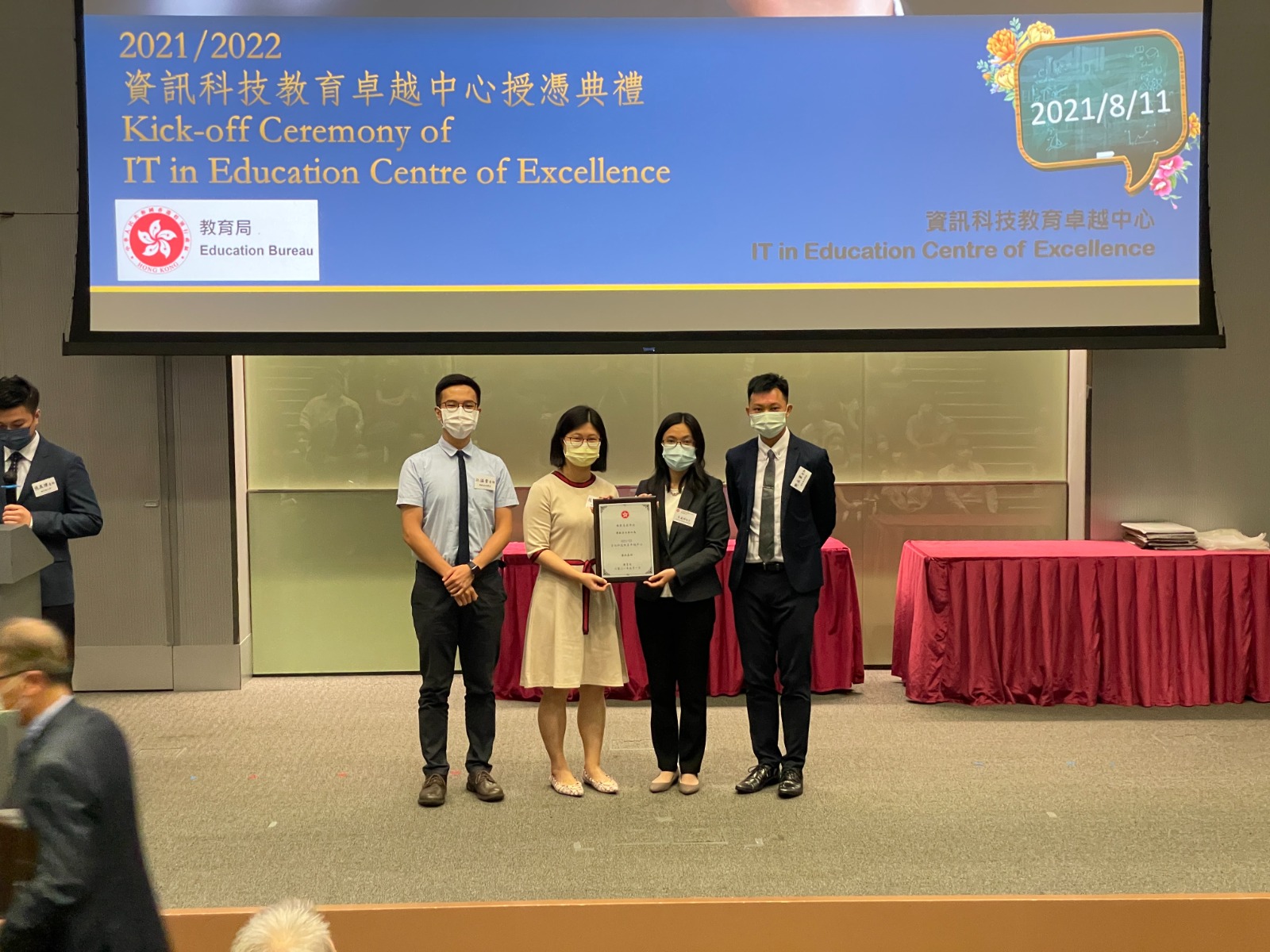
| Teacher Professional Training & Development | : | 1. The school enhances teaching and learning by implementing a 'Design, Implementation, Reflection, and Optimization' model through peer learning groups and lesson observations, aiming to improve overall quality. 2. Aligning with the school's development priorities, the school organizes school-wide and subject group professional development activities for teachers. These may include lectures, workshops, exchange visits, teacher competitions, and participation in external professional support programs with the involvement of expert support. 3. The Education Bureau has appointed the school as the Digital Education Centre of Excellence (CoE) for nine consecutive years. 4. Two teachers from our school have been invited to participate in the 'Leading Teacher and Principal Training Program' organized by the Education Bureau. |
| Others | : | Please refer to the Chinese version. |
 School Map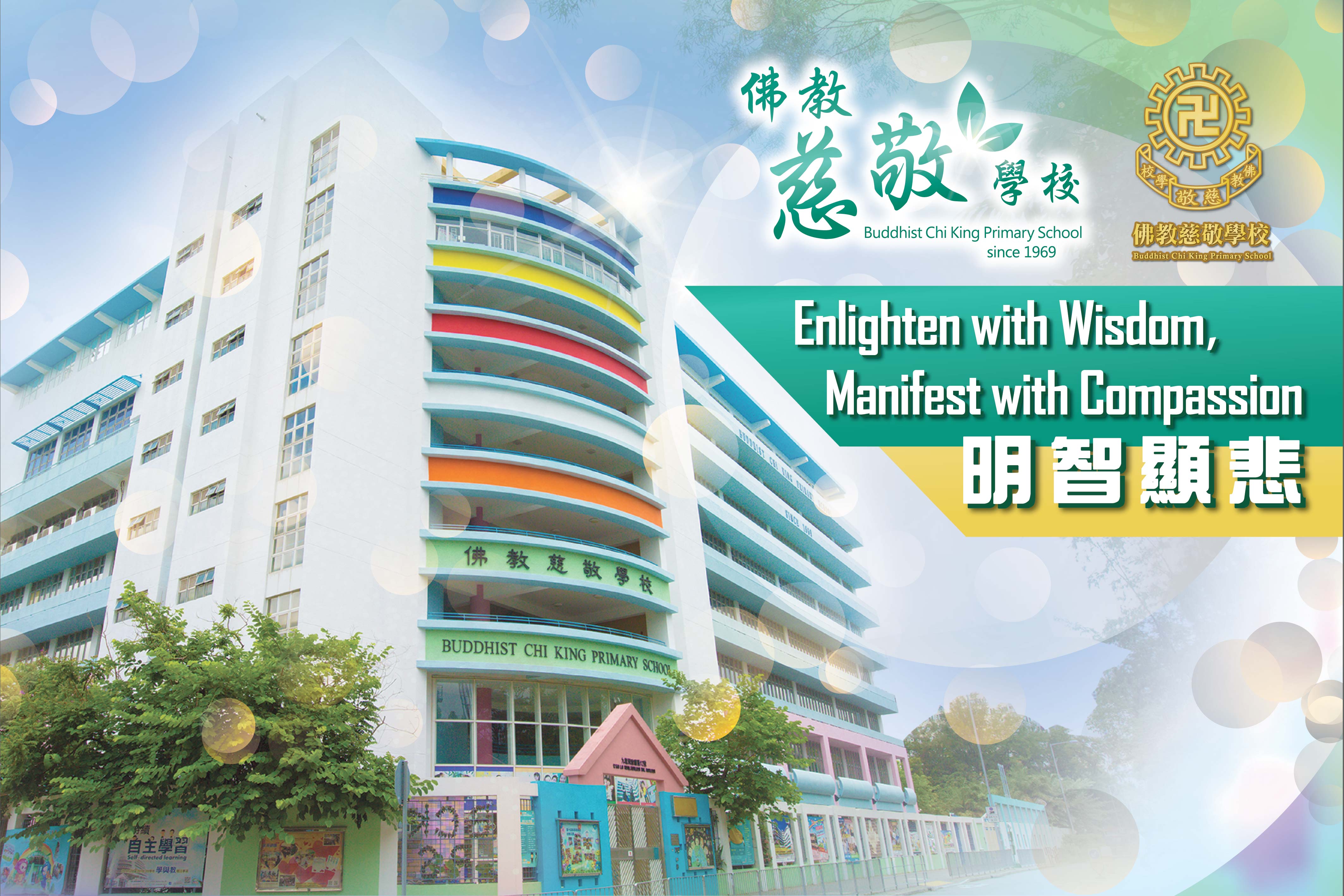
Last revision date:01 September 2026


