 Primary School Profiles 2026


 Primary School Profiles 2026

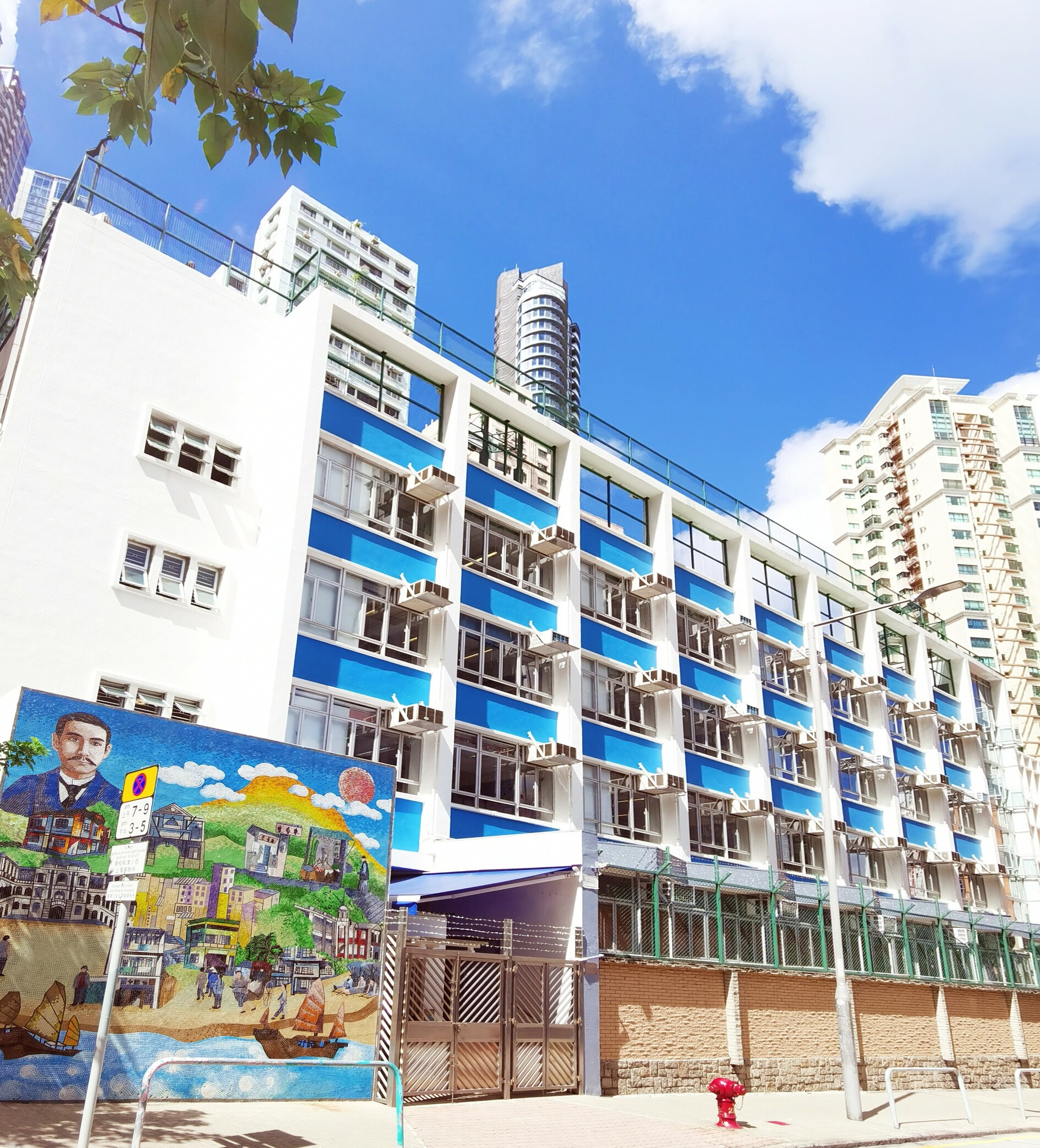
| Address: | 58 Bridges Street, Hong Kong | |||
| Phone: | 25477468 | Email: | info@kcobaps1.edu.hk | |
| Fax: | 25405634 | Website: | http://www.kcobaps1.edu.hk | |
 School Information
| Supervisor/ Chairman of Management Committee | : | Mr. Lam Nathaniel |
| School Head | : | Ms. Wat Ka Man |
| Incorporated Management Committee been established? | : | Established |
| Percentage of School Supervisor and Managers / Chairperson and Members of School Management Committee (SMC) of Government Schools Fulfilling the Training Targets | : | Not Applicable |
| School Type | : | Aided Whole Day |
| Student Gender | : | Co-ed |
| Sponsoring Body | : | King's College Old Boy's Association School Ltd |
| Religion | : | Not Applicable |
| Year of Commencement of Operation | : | 1960 |
| School Motto | : | Please refer to the Chinese school motto. |
| Area Occupied by the School | : | About 3000 Sq. M |
| Through-train Secondary School | : | - |
| Feeder Secondary School | : | - |
| Nominated Secondary School | : | - |
| Medium of Instruction | : | Chinese(incl.: Putonghua) and English |
| School Bus Service | : | School Bus |
| Parent-Teacher Association | : | Yes |
| Past Students' Association/Alumni Association | : | Yes |
| 4Rs Mental Health Charter | : | Yes |
| Whole School Health Programme | : | Pledged School |
 2026/2027 Annual School Charges
| School Fee | : | - |
| Tong Fai | : | - |
| PTA Fee | : | $80 |
| Approved Charges for non-standard items | : | Others ($470) |
| Other Charges | : | - |
 School Facilities
| Number of Classroom(s) | : | 12 |
| Number of School Hall(s) | : | 1 |
| Number of Playground(s) | : | 1 |
| Number of Library(ies) | : | 1 |
| Special Rooms | : | AI Resource Center, English room, Innospace, Music room, guidance and counselling room and multi-purpose room. |
| Facility(ies) for Supporting Students with Special Educational Needs | : | Elevating platform. |
| Others | : | STEM path, Reading path, basketball court, central broadcast system and wireless network. |
 Teaching Staff Information (Including School Head) in the 2025/2026 school year
| Number of teaching posts in the approved establishment | : | 26 |
| Total number of teachers in the school | : | 27 |
| Qualifications and professional training (%) | ||
| Had Received Teacher Training | : | 100% |
| Bachelor Degree | : | 100% |
| Master/ Doctorate Degree or above | : | 41% |
| Special Education Training | : | 67% |
| Years of Experience (%) | ||
| 0 - 4 years | : | 15% |
| 5 - 9 years | : | 33% |
| 10 years or above | : | 52% |
 Class Structure
| 2025/26 school year | ||
| P1 Number of classes | : | 2 |
| P2 Number of classes | : | 2 |
| P3 Number of classes | : | 2 |
| P4 Number of classes | : | 2 |
| P5 Number of classes | : | 2 |
| P6 Number of classes | : | 2 |
| Total | : | 12 |
| 2026/27 school year (Based on the number of classes approved by EDB in 2026) | ||
| P1 Number of classes | : | 2 |
| P2 Number of classes | : | 2 |
| P3 Number of classes | : | 2 |
| P4 Number of classes | : | 2 |
| P5 Number of classes | : | 2 |
| P6 Number of classes | : | 2 |
| Total | : | 12 |
| Mode of teaching at different levels | ||
| 1. Flipped learning, Thinking curriculum (Six thinking skills), 2. Activity-approach and small class teaching, Chinese (Use Putonghua as a medium of instructions), School-based phonics curriculum (Putonghua and English), NET (Native English Teacher) is responsible to teaching reading programme in English lessons. |
||
| Remarks | ||
| - | ||
 Performance Assessment
| Applicable to P1 only | ||
| Number of test(s) per year | : | 0 |
| Number of exam(s) per year | : | 2 |
| Replace tests and examinations with diversified assessments in the first term of P1 | : | Yes |
| Applicable to P2 to P6 only | ||
| Number of test(s) per year | : | 0 |
| Number of exam(s) per year | : | 3 |
| Applicable to P1 to P6 | ||
| Formulate appropriate school-based assessment and assignment policies, inform parents of related arrangements, and collect views from teachers, students and parents regularly (at least once per school year) for ongoing review and optimisation of the school assessment and assignment policies | : | Yes |
| Upload the school-based assessment policy onto the school webpage for information of the public and stakeholders | : | Yes |
| Upload the school-based assignment policy onto the school webpage for information of the public and stakeholders | : | Yes |
| Diversified Assessment for Learning | : | School adopts multi-assessments in various aspects to assess student's performance such as written assessment, formative assessment, observation and project learning. |
| Avoid arranging tests or examinations immediately after long holidays in order to let students take more rest during the holidays | : | Yes |
| Arrange the timetable flexibly according to the school context, with a tutorial session provided in the afternoon as far as possible for students to finish some of their homework under teachers’ guidance | : | Yes |
| Streaming arrangement | : | No streaming. |
 School Life
| Number of school days per week | : | 5 |
| Number of periods per day | : | 9 |
| Duration of each normal period | : | 35 |
| School starts at | : | 8:15 AM |
| School ends at | : | 3:25 PM |
| Lunch break | : | 12:55 - 1:55 |
| Lunch arrangement | : | Provided by designated supplier and arranged by parents. |
| Healthy school life | : | School launches the nutri-agent project for our students to promote their health. |
| Remarks | : | The school week begins with a Monday assembly and flag-raising ceremony. Tuesday and Wednesday feature physical training sessions. Tuesday includes the talent show of students. Wednesday afternoon is dedicated to life-wide Learnings. Thursday afternoon is reserved for life-education lessons. Half-day schedule on Fridays dedicated to independent learning time. |
 Life-wide Learning
| Diversified Sports, Arts Activities, and Service Groups: English Elite Class, Golf Training Class, Story Writing Workshop, AI English Course, AI & IoT Creation Class , Introduction to Programming, Emerging Technology Interest Group, Robotics Programming Elite Class, 3D Creation & Harmonica Class, Robotics Programming, Creative Invention Squad, English Drama, Speech & Recitation, Olympiad Mathematics Class, Leadership Training Program, Swimming Class, Drumming Group, Football |
 School Mission
| The school provides education for all who come, through balanced curriculum and in the best possible, free and pleasant environment; develops personal potential; and helps cultivate good citizens with values of virtue, positive mind, independent thinking, unceasing quest for knowledge and sense of responsibility. |
 School Characteristics
| School Management | ||
| School Management Organisation | : | The School Management Committee leads the School. The Principal manages the School with the assistance of her deputies and heads / coordinators of various departments responsible for school policy, curriculum development, discipline and guidance, moral and civic education, ECA, connection with parents, etc. An appraisal system for staff is set up to improve the quality of management and the standard of teachers' professionalism. |
| Incorporated Management Committee / School Management Committee/ Management Committee | : | Our School Management Committee includes: The School Supervisor, the School Principal, School Sponsoring Body, Alumni and Independent Manager. |
| School Green Policy | : | Green education is promoted with students appointed as Environmental Protection Ambassadors and Energy-saving Ambassadors. Various activities are carried out to enhance students' awareness of environmental protection. |
| School's Major Concerns | : | 1. Develop school-based STEAM curriculum and Artificial Intelligence (A.I.) curriculum. 2. Develop positive education, national education and healthy growth of students. 3. Strengthening cross-curricular learning for developing lifelong learning capabilities |
| Learning and Teaching Plan | ||
| Learning & Teaching Strategies | : | 1. E-learning such as iPad teaching and learning. 2. Small class teaching. 3. Six thinking skills. 4. Enrich language learning environment. 5. Promote students' independent learning and life-wide learning. 6. Developing students' potential, promoting different programs, and actively advancing national education activities. |
| Development of Major Renewed Emphases of the Primary Education Curriculum | : | 1. Making good use of learning time: introduce alternative sports during flexible class hours, joyful family time (students share their campus life with parents), long lunch breaks, homework classes, and one hour of self-study on Fridays. 2. Enriching life-wide learning experiences: JOYFUL LEARNING for effective and enriched learning in the morning and afternoon, JOYFUL activities and future star program (music, sports, and technology learning guided by professional teachers). 3. Reinforcing STEAM education, and nurturing students' media and information literacy: Introduce programming learning and artificial intelligence courses for primary 1 to 6, promote corporate CEO dialogue activities, strengthen values education, and introduce virtual reality (VR) application activities. 4. Strengthening cross-curricular learning by purchasing 60 professional e-readers and increasing 40,000 e-book collections. |
| Development of Generic Skills | : | Learn through learning activities. Promote life-long learning. |
| Cultivation of Proper Values, Attitudes and Behaviours | : | The school has adopted positive education to build a sense of well-being and towards a fulfilled life. Through formal and non-formal courses in different subject, we provide students with a positive lifestyle for learning and practicing, such as the life story of the fig character picture book and value learning, school-wide focus positive activities, and integration into regular activities. The positive values of students make students optimistic to face life. |
| Student Support | ||
| Whole School Approach to Catering for Learner Diversity | : | 1. Remedial and Homework class 2. Assessment and homework adjustment, School-based Enhancement Classes |
| Whole School Approach to Integrated Education | : | Use the Learning Support Grant to implement a school-based support plan based on a whole school approach to support students with special educational needs. The school sets up related activities and plans, such as: 1. Procurement of services: Providing after-school groups to support student needs; 2. Purchasing learning resources; 3. Arranging learning activities. |
| Education Support for Non-Chinese Speaking(NCS) Students | : | Our school provides additional support for NCS students to facilitate their learning of Chinese: providing after-school support programmes in learning Chinese; appointing additional teacher(s)/teaching assistant(s) to support NCS students' learning of Chinese; organising activities to create an inclusive learning environment in the school; and our school uses Putonghua to teach Chinese in all classes / groups at certain levels with extra support as appropriate, e.g. pull-out/small-group classes, learning and teaching resources with Pinyin, etc. |
| Curriculum Tailoring and Adaptation | : | Enrichment course for more able and less able students. |
| Home-school Co-operation and School Ethos | ||
| Home-School Co-operation | : | School and PTA organize activities such as joyful family time, educational talks and other home-school activities. |
| School Ethos | : | School emphasizes the importance of a caring, considerate and learning atmosphere to enhance pleasant learning environment and to promote all-round students. To cultivate students' moral development, school runs educational talks every week and has various moral educational and counselling activities. School has set up prizes and scholarships for the distinctive students. |
| Future Development | ||
| School Development Plan | : | Philosophy: To nurture students to become children of joy, self-confidence, health, high achievement, and superior character. 1. Create a learning environment and atmosphere, and select interesting and effective learning content to enhance students' learning motivation and curiosity. 2. STEAM elements are incorporated into every subject progressively, and STEAM education is applied to learning and daily life. 3. Strengthen students' positive thinking and improve interpersonal skills. 4. Applying artificial intelligence in educational assessment to enhance student motivation and effectiveness. |
| Teacher Professional Training & Development | : | Teachers participate in different training courses in order to enhance teacher professional development. |
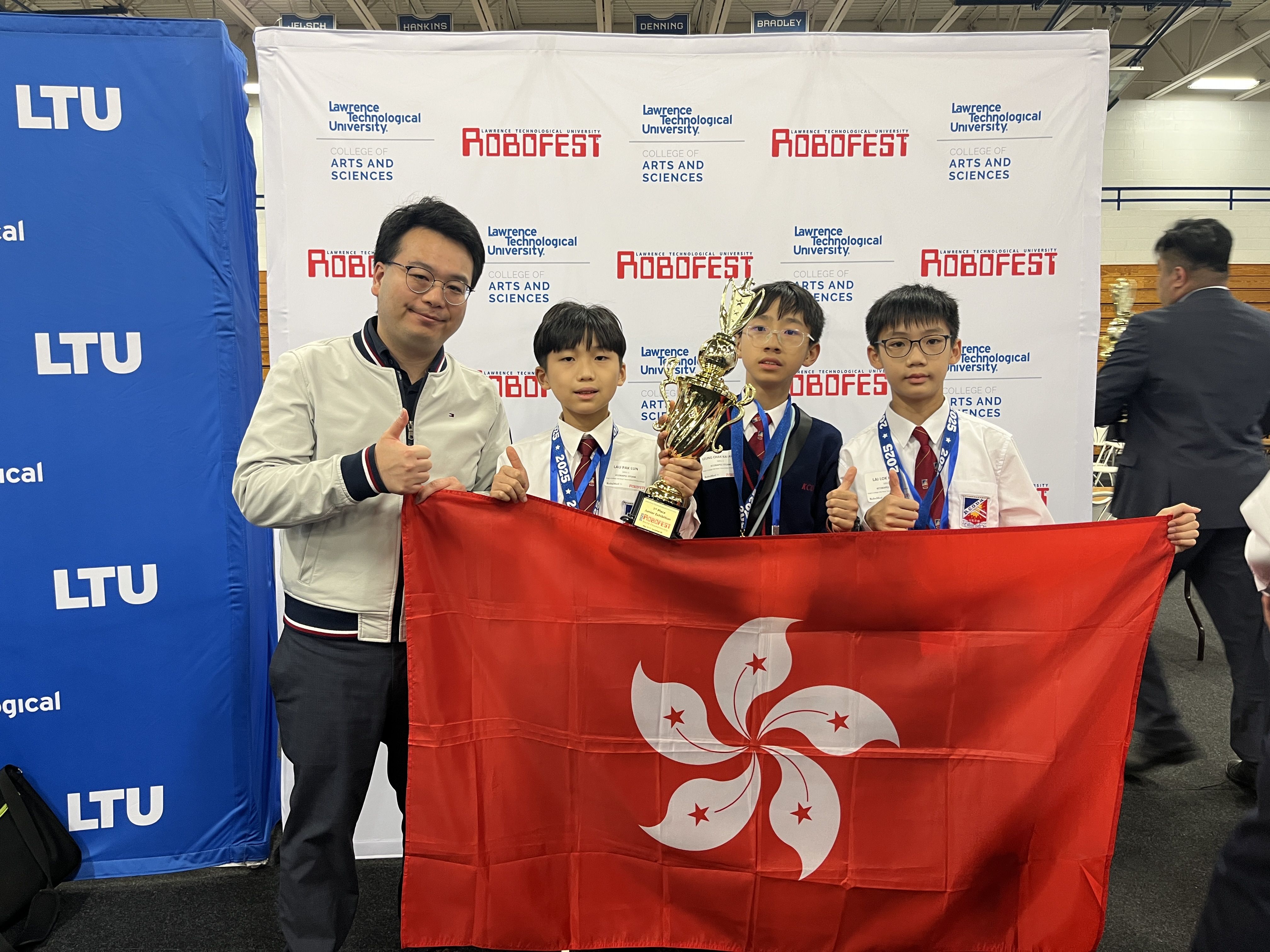
| Others | : | The academic achievements of our students are excellent. About 70% of the students are allocated to secondary schools with EMI classes. Besides, our students join many inter-schools competitions and got some prizes. |
 School Map

Last revision date:01 September 2026


