 Primary School Profiles 2026

 Primary School Profiles 2026

| Address: | 31 Ka Wai Man Road, Kennedy Town, Hong Kong | |||
| Phone: | 28172305 | Email: | info@skhlmcmps.edu.hk | |
| Fax: | 28173950 | Website: | https://www.skhlmcmps.edu.hk | |
 School Information
 | Supervisor/ Chairman of Management Committee | : | Mr. Lui Shiu Wai |
| School Head | : | Ms. Lee Yin Fun |
| Incorporated Management Committee been established? | : | Established |
| Percentage of School Supervisor and Managers / Chairperson and Members of School Management Committee (SMC) of Government Schools Fulfilling the Training Targets | : | 79% |
| School Type | : | Aided Whole Day |
| Student Gender | : | Co-ed |
| Sponsoring Body | : | Anglican (Hong Kong) Primary Schools Council Limited |
| Religion | : | Protestantism / Christianity |
| Year of Commencement of Operation | : | 1960 |
| School Motto | : | Not to be served but to serve. |
| Area Occupied by the School | : | About 1300 Sq. M |
| Through-train Secondary School | : | - |
| Feeder Secondary School | : | - |
| Nominated Secondary School | : | - |
| Medium of Instruction | : | Chinese(incl.: Putonghua) and English |
| School Bus Service | : | School Bus |
| Parent-Teacher Association | : | Yes |
| Past Students' Association/Alumni Association | : | Yes |
| 4Rs Mental Health Charter | : | Yes |
| Whole School Health Programme | : | Action School |
 2026/2027 Annual School Charges
| School Fee | : | - |
| Tong Fai | : | - |
| PTA Fee | : | $50 |
| Approved Charges for non-standard items | : | $450 |
| Other Charges | : | - |
 School Facilities
 | Number of Classroom(s) | : | 24 |
| Number of School Hall(s) | : | 1 |
| Number of Playground(s) | : | 1 |
| Number of Library(ies) | : | 1 |
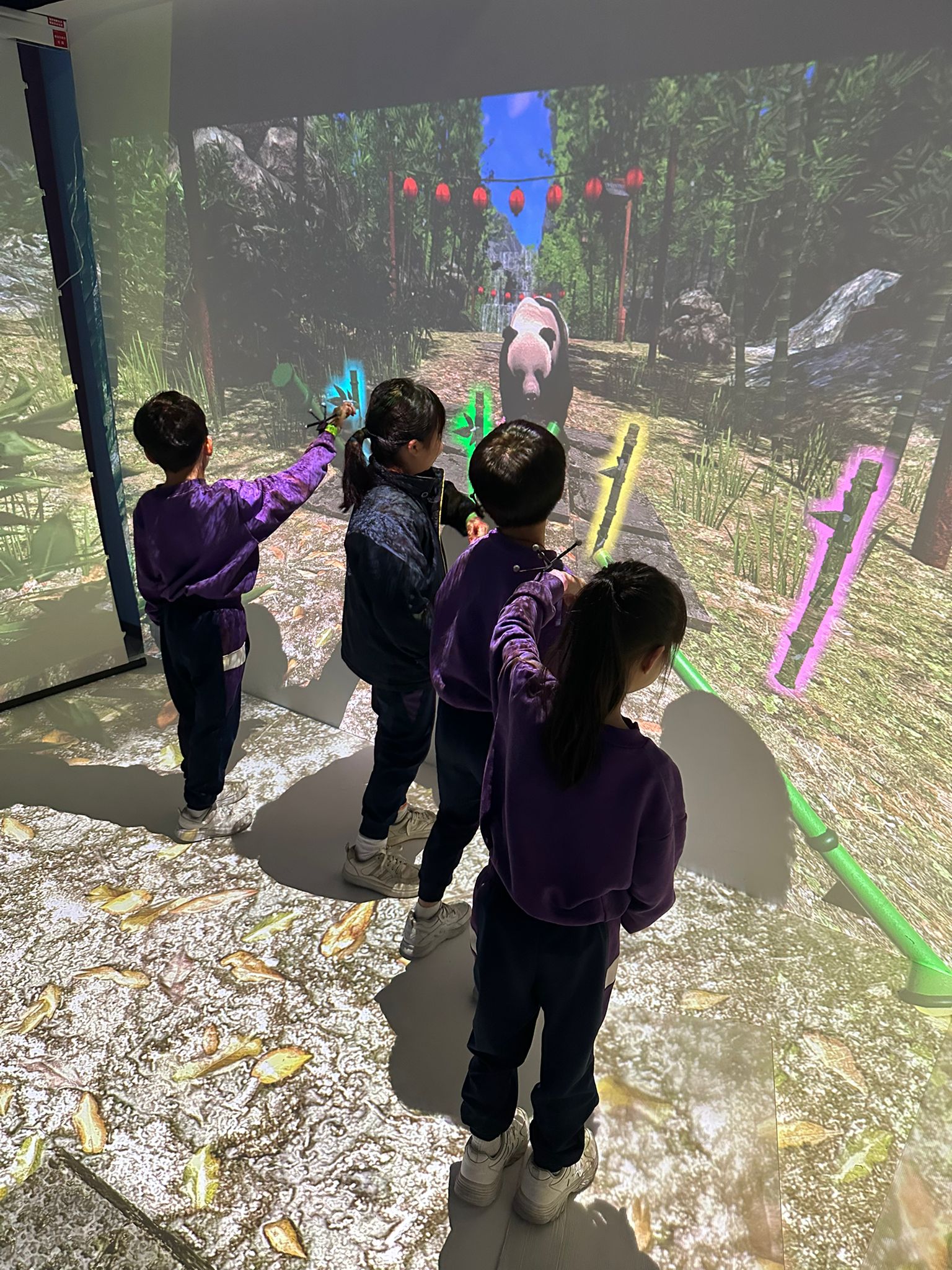
| Special Rooms | : | AI Metaverse Classroom, AI Sports Classroom, Computer Room, Library, Campus TV Studio, Music Room, Visual Arts Room, Innovation & Technology Classroom, Language Room, Science Lab, Reading Café, Church, etc. |
| Facility(ies) for Supporting Students with Special Educational Needs | : | Lift (1, 3, 6 / Floor only). |
| Others | : | Ergonomic chairs, AC, tech (PC, projector, HD interactive panel, AV), smart bookcase, smart water dispenser, electric mosquito trap, whiteboard, etc. |
 Teaching Staff Information (Including School Head) in the 2025/2026 school year
 | Number of teaching posts in the approved establishment | : | 41 |
| Total number of teachers in the school | : | 43 |
| Qualifications and professional training (%) | ||
| Had Received Teacher Training | : | 100% |
| Bachelor Degree | : | 100% |
| Master/ Doctorate Degree or above | : | 35% |
| Special Education Training | : | 90% |
| Years of Experience (%) | ||
| 0 - 4 years | : | 14% |
| 5 - 9 years | : | 19% |
| 10 years or above | : | 67% |
 Class Structure
 | 2025/26 school year | ||
| P1 Number of classes | : | 3 |
| P2 Number of classes | : | 3 |
| P3 Number of classes | : | 3 |
| P4 Number of classes | : | 4 |
| P5 Number of classes | : | 4 |
| P6 Number of classes | : | 4 |
| Total | : | 21 |
| 2026/27 school year (Based on the number of classes approved by EDB in 2026) | ||
| P1 Number of classes | : | 3 |
| P2 Number of classes | : | 3 |
| P3 Number of classes | : | 3 |
| P4 Number of classes | : | 3 |
| P5 Number of classes | : | 4 |
| P6 Number of classes | : | 4 |
| Total | : | 20 |
| Mode of teaching at different levels | ||
| 1.NETs and local teachers create an immersive English environment to enhance students’ English and writing skills. 2.STEAM and AI programming are integrated into lessons to foster creativity, problem-solving skills and design thinking. 3.Cross-curricular learning and values education, supported by service learning and reflection, nurture positive values, good character and holistic development. |
||
| Remarks | ||
| - | ||
 Performance Assessment
 | Applicable to P1 only | ||
| Number of test(s) per year | : | 0 |
| Number of exam(s) per year | : | 2 |
| Replace tests and examinations with diversified assessments in the first term of P1 | : | Yes |
| Applicable to P2 to P6 only | ||
| Number of test(s) per year | : | 0 |
| Number of exam(s) per year | : | 3 |
| Applicable to P1 to P6 | ||
| Formulate appropriate school-based assessment and assignment policies, inform parents of related arrangements, and collect views from teachers, students and parents regularly (at least once per school year) for ongoing review and optimisation of the school assessment and assignment policies | : | Yes |
| Upload the school-based assessment policy onto the school webpage for information of the public and stakeholders | : | Yes |
| Upload the school-based assignment policy onto the school webpage for information of the public and stakeholders | : | Yes |
| Diversified Assessment for Learning | : | Besides written assessments, various modes of assessments will be conducted to evaluate students’ learning progress, such as cross-curricular projects, physical fitness tests, science experiments and presentations. |
| Avoid arranging tests or examinations immediately after long holidays in order to let students take more rest during the holidays | : | Yes |
| Arrange the timetable flexibly according to the school context, with a tutorial session provided in the afternoon as far as possible for students to finish some of their homework under teachers’ guidance | : | Yes |
| Streaming arrangement | : | Mixed ability classes from Primary 1 to Primary 4. Students of Primary 5 to Primary 6 are streamed according to their academic results. |
 School Life
 | Number of school days per week | : | 5 |
| Number of periods per day | : | 10 |
| Duration of each normal period | : | 35 |
| School starts at | : | 7:50 AM |
| School ends at | : | 3:00 PM |
| Lunch break | : | 12:35 - 1:25 |
| Lunch arrangement | : | Provided by designated supplier and arranged by parents. |
| Healthy school life | : | Our school actively participates in the "Whole School Health Programme," striving to promote a balanced diet, encourage students to engage in regular physical activity, and strengthen their physical well-being. In addition, through a variety of values education activities and religious formation, we nurture the holistic development of our students. |
| Remarks | : | In the morning, we have subject-based lessons. In the afternoon, we attend the school assembly, Integrated Studies, homework tutorials, moral and civic education, and diversified activity lessons. After school, interest classes and school team training are also conducted. In addition, we have school outings and study tours. |
 Life-wide Learning
 | Our school organizes a variety of clubs and interest groups to develop students' potential, including Mathematical Olympiad, Debate, Choral Speaking, School Reporters, MC Training, Drama, Martial Arts, Football, Volleyball, Chinese Dance, Choir, Visual Arts, Orchestra, Coding, Scouts, Girl Guides, Boys' Brigade, and Flag-raising Team. |
 School Mission
 | Guided by the educational mission of the Anglican Church, we cultivate students' Christian character and embody the spirit of "Not to be served, but to serve". We provide students with a high-quality and enjoyable learning environment that fosters balanced development in six dimensions - moral, intellectual, physical, social, aesthetic, and spiritual growth. This enables students to practice healthy lifestyles, face life's challenges positively, and realize their full potential. |
 School Characteristics
 | School Management | ||
| School Management Organisation | : | Our school is run by the Anglican (Hong Kong) Primary Schools Council. The Incorporated Management Committee supervise our school. Under IMC, our school has multiple executive departments and function groups to execute school affairs. |
| Incorporated Management Committee / School Management Committee/ Management Committee | : | The members of the IMC include the Reverend, parents, teachers, alumni, and people from legal, professional and commercial fields. They can give different opinions from different points of view. |
| School Green Policy | : | The school integrates environmental education through practical initiatives, including annual projects like plastic bottles recycling art program ("Zero Waste, Green Campus"), an aquaponics ecosystem, and a "One Person, One Flower" planting campaign. These activities engage students and parents in adopting eco-conscious habits, promoting low-carbon living and resource conservation. An "Environmental Protection Little Pioneers" team further deepens students' sustainability knowledge via experiential learning and field studies, fostering a culture of environmental stewardship. |
| School's Major Concerns | : | 1. Continue to promote values education to cultivate students into healthy and well-rounded citizens with physical and mental wellness. 2. Strengthen the implementation of STEAM education to nurture students as proactive learners. |
| Learning and Teaching Plan | ||
| Learning & Teaching Strategies | : | 1. Cultivate students to become active learners and encourage students to think from multiple perspectives to construct knowledge which can enhance students’ self-learning ability. 2. Broaden students’ learning experience and enhance learning effectiveness by providing diverse and cross-curricular learning experiences. 3. Apply appropriate learning and teaching strategies, such as inquiry-based learning, to enable students to learn and connect what they have learned during the inquiry process to their school and home lives. 4. Focus on the culture of biliteracy and trilingualism, and develop sports and arts. We adopt after-school elite training classes to develop healthy living style. |
| Development of Major Renewed Emphases of the Primary Education Curriculum | : | 1. Promote holistic Christian education and cultivate students’ positive values. 2. Through organizing diversified learning activities, students will have the opportunity to develop their strengths and build their confidence. 3. Promote the teaching of biliteracy and trilingualism in the school-based curriculum and NETs Action Plan to enhance students’ language skills and communication skills. 4. Promote STEAM and AI education to learn mathematical, mechanical and programming knowledge through hands-on practice to develop comprehensive skills and applied knowledge to cultivate information literacy. |
| Development of Generic Skills | : | To develop students’ nine generic skills through classroom and extracurricular learning activities in various learning areas and subjects, such as collaborative learning, project-based learning, Learning and Reading across the Curriculum, programming teaching, life-wide learning and artistic creation. |
| Cultivation of Proper Values, Attitudes and Behaviours | : | Our school promotes positive values through formal and informal curricula and incentive programs, creating an environment rooted in Confucian virtues and Christian values to nurture moral excellence and healthy, well-rounded citizens. |
| Student Support | ||
| Whole School Approach to Catering for Learner Diversity | : | Adopting a "whole-school approach" model, the school implements the educational philosophy of "making gifted education accessible to all and enriching general education with gifted education elements." High-order thinking skills, creativity, and social competencies are integrated into the curriculum. Through different learning activities, the school is committed to enhancing students' diverse abilities. Tailored support is provided for students with varying abilities, including tiered instruction, group learning, assignment adaptations, after-school tutoring, ability enhancement classes, and post-class training groups. These measures aim to address diverse learning needs and strengthen students' learning capabilities. |
| Whole School Approach to Integrated Education | : | Our school has set up a Student Support Team, including a school-based educational psychologist and a school-based speech therapist. Guided by the principle of "early identification, early intervention," we provide after-school academic support, enhanced school-based speech therapy services, and social emotional interventions for students with special educational needs. Through initiatives like the " Benevolence Ambassadors" program, we help students recognize and respect individual differences, fostering an inclusive and caring school culture where mutual support and kindness prevail. Together, we strive to build a nurturing campus environment for all. |
| Education Support for Non-Chinese Speaking(NCS) Students | : | Our school provides additional support for NCS students to facilitate their learning of Chinese: providing after-school support programmes in learning Chinese; appointing additional teacher(s)/teaching assistant(s) to support NCS students' learning of Chinese; and organising activities to create an inclusive learning environment in the school. We provide online Chinese language self-learning resources, an online learning platform, translation pens, and Chinese books. |
| Curriculum Tailoring and Adaptation | : | 1. The P.1 Bridging Course includes Chinese Literacy and English Phonics Course, school tours, and activities like meeting teachers and classmates, learning school routines, and joining the Full Moon Growth Ceremony to help students adapt. Dictations and assessments are adjusted to ease the learning transition. Parents are also supported through teacher meetings and various educational activities to enhance home-school cooperation. 2. Curriculum and examination adjustments, school-based writing and reading programmes under the NETs Action Plan, Maths speed calculation, and inquiry-based courses will be implemented. 3. Mathematical and Mechanical Programming Course in STEAM and AI education, Metaverse Course in Visual Arts, and Electronic Music Creation Course in Music. |
| Home-school Co-operation and School Ethos | ||
| Home-School Co-operation | : | 1. Strengthen communication and establish collaborative partnerships through the Parent-Teacher Association. 2. Organize parent volunteers to co-host activities such as Chinese Cultural Day and School Sports Day to deepen home-school interaction, enhance a sense of belonging. 3. Organize a variety of parent education activities to implement the EDB’s primary school framework and enhance family education, creating a harmonious learning environment. 4. Maintain close contact with parents through effective communication channels such as Parent-Teacher Days, parent seminars, parent circulars, the school website, electronic communication platforms, and a dedicated hotline. |
| School Ethos | : | 1. Good teacher-pupil relationship, and the campus is filled with love and care. 2. Our school upholds the Christian spirit, attaches great importance to spiritual cultivation and practice, and actively participates in diverse activities and community services inside and outside the school. 3. Combine discipline, religion and curriculum teaching activities to cultivate positive values and practice good moral character. |
| Future Development | ||
| School Development Plan | : | Our school upholds the educational philosophy of "STEAM in motion, values in action," dedicated to cultivating students' innovative technological spirit and to apply the use of AI through diverse learning activities while reinforcing the development of generic skills and the practice of twelve priority values and attitudes. This educational framework aims to shape students' moral character, foster robust psychological qualities, and fully unleash individual potential, thereby laying a solid foundation for lifelong development. For more details, please refer to our "School Development Plan" and "Annual School Plan." |
| Teacher Professional Training & Development | : | To broaden the horizons of our teachers and sharpen their teaching skills, we have school visits, staff development days, teacher sharing meetings, and lesson co-planning meetings for the professional development of all staff in our school. Many teachers are also taking courses in their disciplines to enhance professional development. |
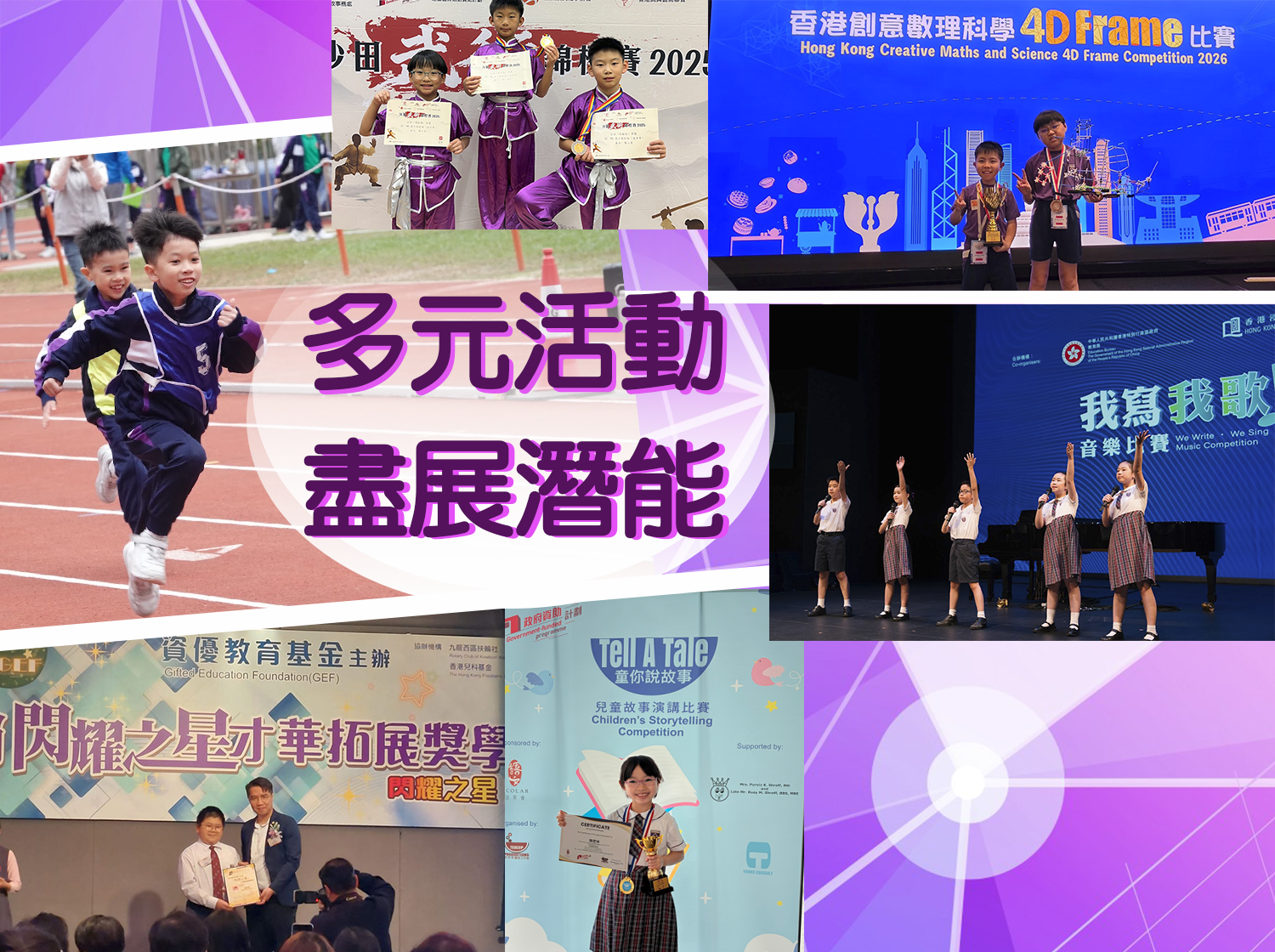
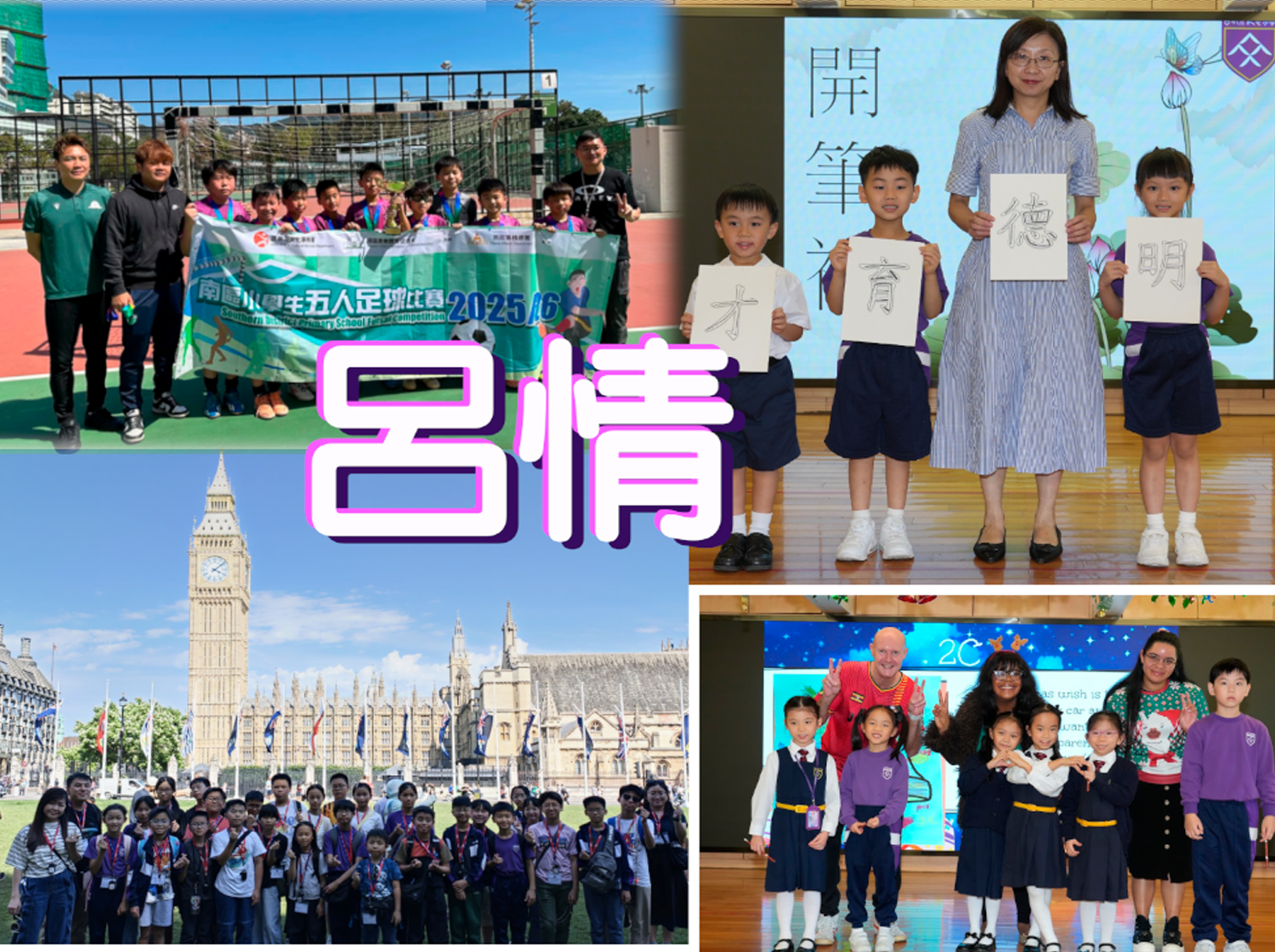
| Others | : | 1. Students achieve excellent academic results, with about 65% gaining admission to prestigious EMI secondary schools. 2. Students excel in both academic and personal development, earning awards in international and local competitions, including 4D Frame, speech, drama, athletics, and scholarship programmes. 3. Overseas study tours to Finland, Germany, and Singapore broaden students’ global perspectives and foster an international outlook. |
 School Map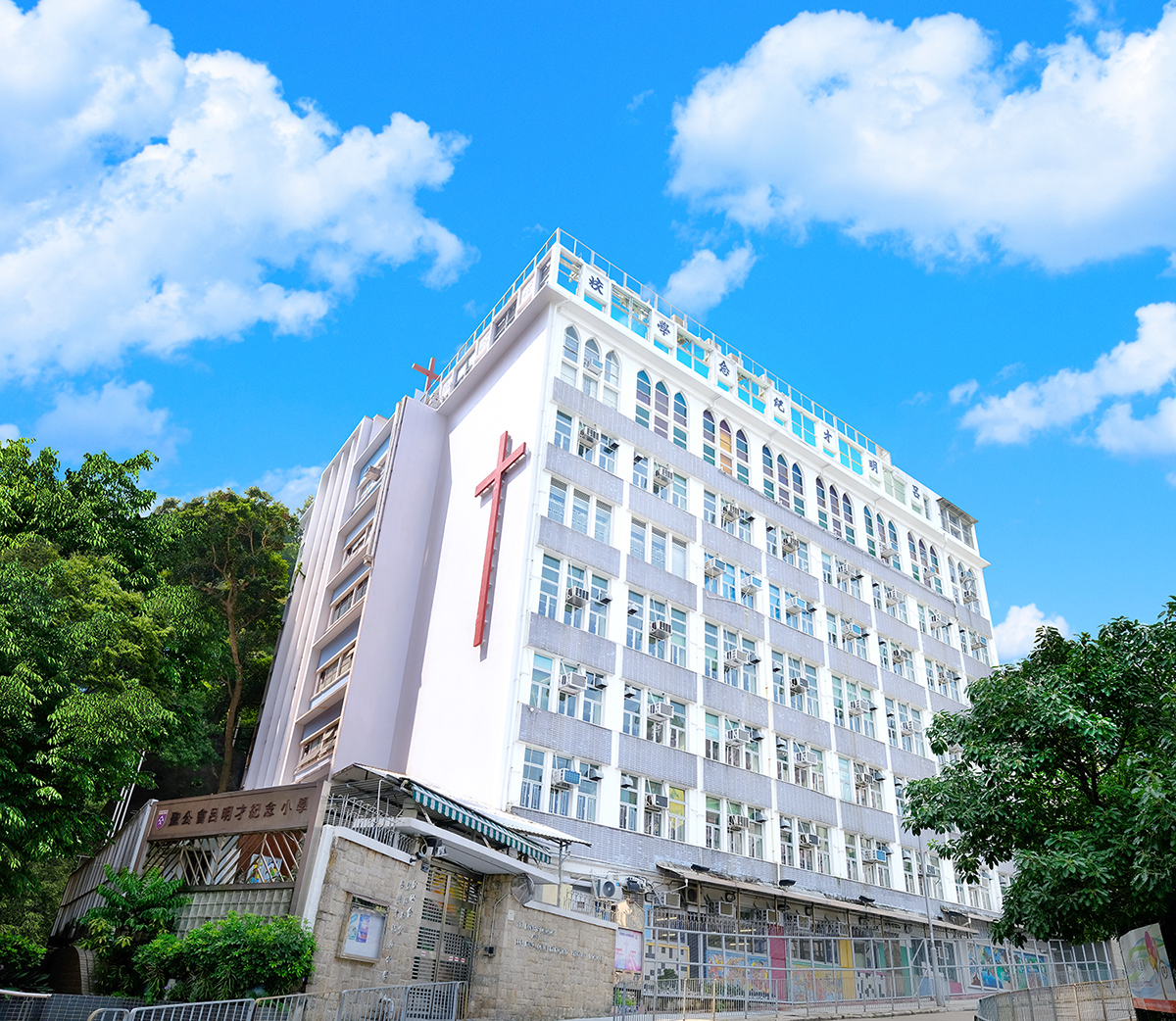
Last revision date:01 September 2026


