 Primary School Profiles 2026


 Primary School Profiles 2026

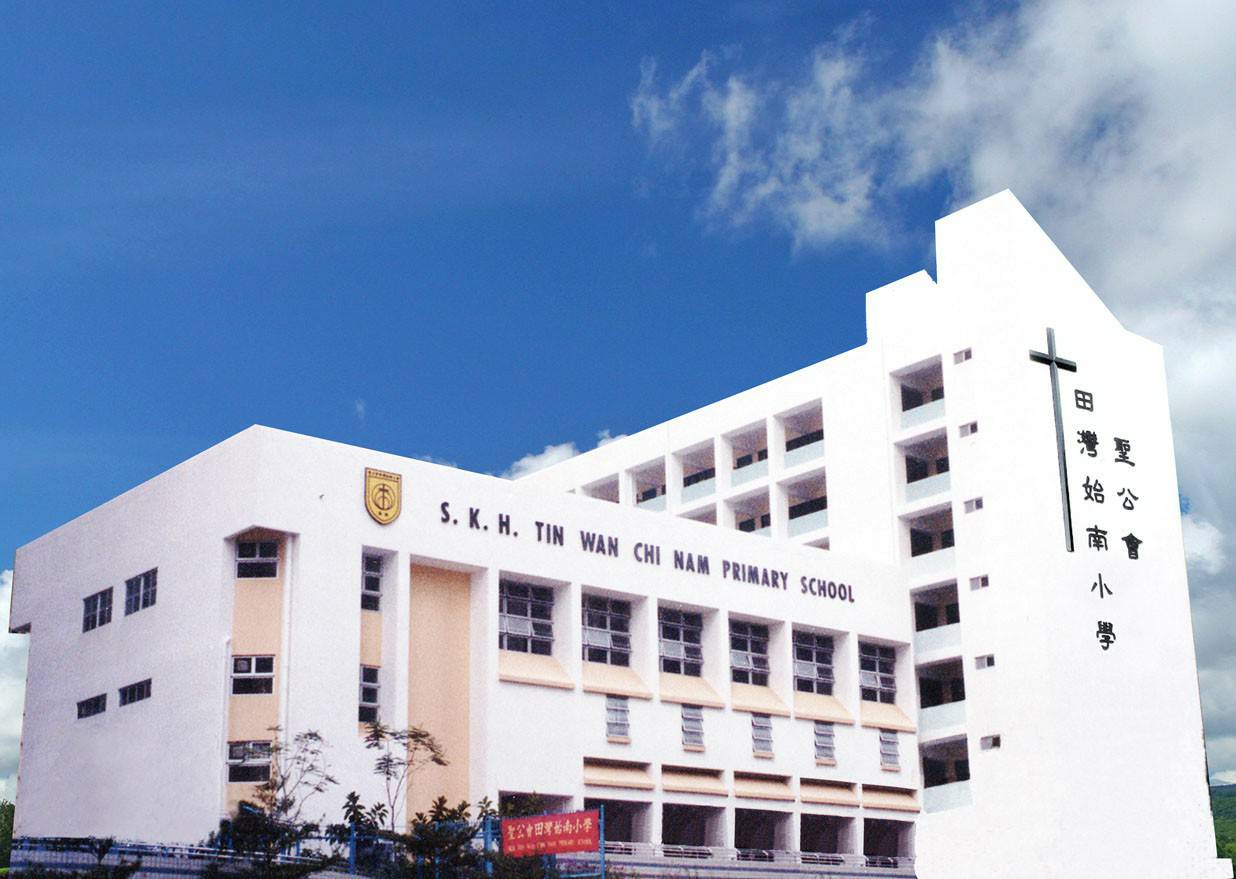
| Address: | 5 Tin Wan New Street, Aberdeen, HK | |||
| Phone: | 25508326 | Email: | skhtwcn_mail@yahoo.com.hk | |
| Fax: | 25518258 | Website: | http://www.tcn.edu.hk/ | |
 School Information
| Supervisor/ Chairman of Management Committee | : | Prof. Yeung Law Koon Chui |
| School Head | : | Mr. Leung Kwok Keung |
| Incorporated Management Committee been established? | : | Established |
| Percentage of School Supervisor and Managers / Chairperson and Members of School Management Committee (SMC) of Government Schools Fulfilling the Training Targets | : | Not Applicable |
| School Type | : | Aided Whole Day |
| Student Gender | : | Co-ed |
| Sponsoring Body | : | Anglican (Hong Kong) Primary Schools Council Limited |
| Religion | : | Protestantism / Christianity |
| Year of Commencement of Operation | : | 1957 |
| School Motto | : | Not to be served but to serve |
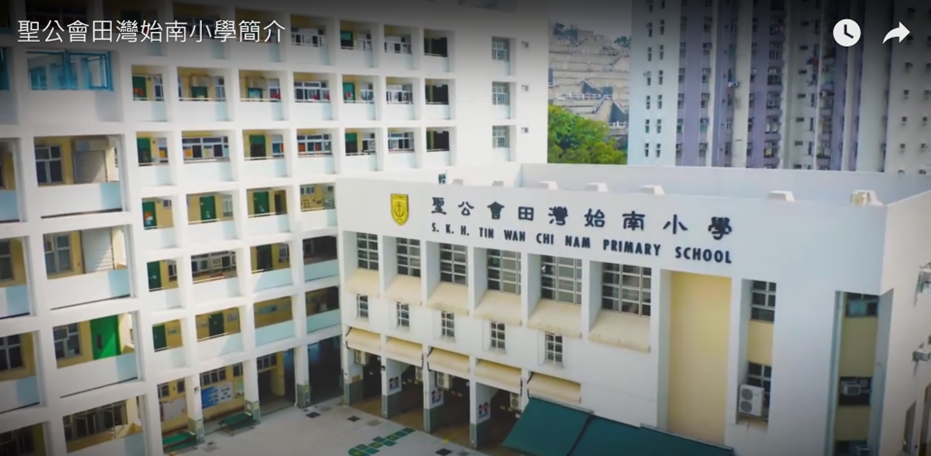
| Area Occupied by the School | : | About 5300 Sq. M |
| Through-train Secondary School | : | - |
| Feeder Secondary School | : | - |
| Nominated Secondary School | : | - |
| Medium of Instruction | : | Chinese |
| School Bus Service | : | School Bus; Nanny van |
| Parent-Teacher Association | : | Yes |
| Past Students' Association/Alumni Association | : | Yes |
| 4Rs Mental Health Charter | : | Yes |
| Whole School Health Programme | : | Action School |
 2026/2027 Annual School Charges
| School Fee | : | - |
| Tong Fai | : | - |
| PTA Fee | : | $40 |
| Approved Charges for non-standard items | : | - |
| Other Charges | : | - |
 School Facilities
| Number of Classroom(s) | : | 30 |
| Number of School Hall(s) | : | 1 |
| Number of Playground(s) | : | 3 |
| Number of Library(ies) | : | 1 |
| Special Rooms | : | STEAM Studio, Music Room, Visual Arts Room, General Studies Room, Remedial Teaching Room, Computer Room, Play Therapy Room, Place of Worship, English Room, Mathematics Learning Centres, Campus TV Studio, Library, Student Activity Centre, PTA Resource Centre, Parents' Corner. |
| Facility(ies) for Supporting Students with Special Educational Needs | : | Ramp, Accessible lift, Accessible toilet, Tactile guide path, Accessible public information / service counter and Visual fire alarm system. |
| Others | : | School hall equipped with multiple LED walls. E-whiteboards equipped in special rooms. Full Wi-fi coverage in whole campus. All classrooms equipped with computers, visualisers and projectors. |
 Teaching Staff Information (Including School Head) in the 2025/2026 school year
| Number of teaching posts in the approved establishment | : | 57 |
| Total number of teachers in the school | : | 59 |
| Qualifications and professional training (%) | ||
| Had Received Teacher Training | : | 100% |
| Bachelor Degree | : | 100% |
| Master/ Doctorate Degree or above | : | 44% |
| Special Education Training | : | 79% |
| Years of Experience (%) | ||
| 0 - 4 years | : | 14% |
| 5 - 9 years | : | 22% |
| 10 years or above | : | 64% |
 Class Structure
| 2025/26 school year | ||
| P1 Number of classes | : | 5 |
| P2 Number of classes | : | 5 |
| P3 Number of classes | : | 5 |
| P4 Number of classes | : | 5 |
| P5 Number of classes | : | 5 |
| P6 Number of classes | : | 5 |
| Total | : | 30 |
| 2026/27 school year (Based on the number of classes approved by EDB in 2026) | ||
| P1 Number of classes | : | 4 |
| P2 Number of classes | : | 5 |
| P3 Number of classes | : | 5 |
| P4 Number of classes | : | 5 |
| P5 Number of classes | : | 5 |
| P6 Number of classes | : | 5 |
| Total | : | 29 |
| Mode of teaching at different levels | ||
| Activity approach is adopted in all six levels. To enhance learning and teaching effectiveness, lessons are designed to facilitate self-directed learning, digital education and cooperative learning. Remedial classes (P.2-P.4) are conducted in small groups. Other customized enrichment and intervention courses are designed for students with special needs before and after school. | ||
| Remarks | ||
| Flexible grouping in all levels to maximize teacher-student interaction, thus providing ample resources for differentiated instructions. P.5 & P.6 English classes are re-grouped to form small homogeneous learning groups for addressing the needs of students with different abilities, so as to enhance L & T effectiveness. | ||
 Performance Assessment
| Applicable to P1 only | ||
| Number of test(s) per year | : | 0 |
| Number of exam(s) per year | : | 2 |
| Replace tests and examinations with diversified assessments in the first term of P1 | : | Yes |
| Applicable to P2 to P6 only | ||
| Number of test(s) per year | : | 0 |
| Number of exam(s) per year | : | 3 |
| Applicable to P1 to P6 | ||
| Formulate appropriate school-based assessment and assignment policies, inform parents of related arrangements, and collect views from teachers, students and parents regularly (at least once per school year) for ongoing review and optimisation of the school assessment and assignment policies | : | Yes |
| Upload the school-based assessment policy onto the school webpage for information of the public and stakeholders | : | Yes |
| Upload the school-based assignment policy onto the school webpage for information of the public and stakeholders | : | Yes |
| Diversified Assessment for Learning | : | 1. AI and digital education foster students' self-efficacy 2. Formative & Summative Assessment 3. Self/Peer/Parent Assessment 4. Portfolio Assessment 5. Curriculum integration 6. Science Quest in G.S. & P.H. 7. Diversified assessment for evaluating the effectiveness in life-wide learning activities, field trips, study tours and so on. |
| Avoid arranging tests or examinations immediately after long holidays in order to let students take more rest during the holidays | : | Yes |
| Arrange the timetable flexibly according to the school context, with a tutorial session provided in the afternoon as far as possible for students to finish some of their homework under teachers’ guidance | : | Yes |
| Streaming arrangement | : | PMI classes (Putonghua as the Medium of Instruction) and CMI classes (Cantonese as Medium of Instruction) are adopted in P.1-P.3. P.4-P.6 students are streamed according to their academic achievement and proficiency in Chi., Eng. and Math. Streaming in small groups in P.5-P.6 Eng. |
 School Life
| Number of school days per week | : | 5 |
| Number of periods per day | : | 8 |
| Duration of each normal period | : | 40 |
| School starts at | : | 7:50 AM |
| School ends at | : | 3:10 PM |
| Lunch break | : | 12:05 - 1:00 |
| Lunch arrangement | : | Provided by designated supplier, arranged by parents and every day, teachers monitor lunch quality. |
| Healthy school life | : | 1. Annual Sports Days for students at all levels. Inter-class sports & basketball competitions and physical fitness assessments help develop students' habits of exercising regularly. 2. "Mindfulness Programme". 3. "One Person, One Flower Scheme". 4. Positive Campus. 5. Chinese calligraphy. |
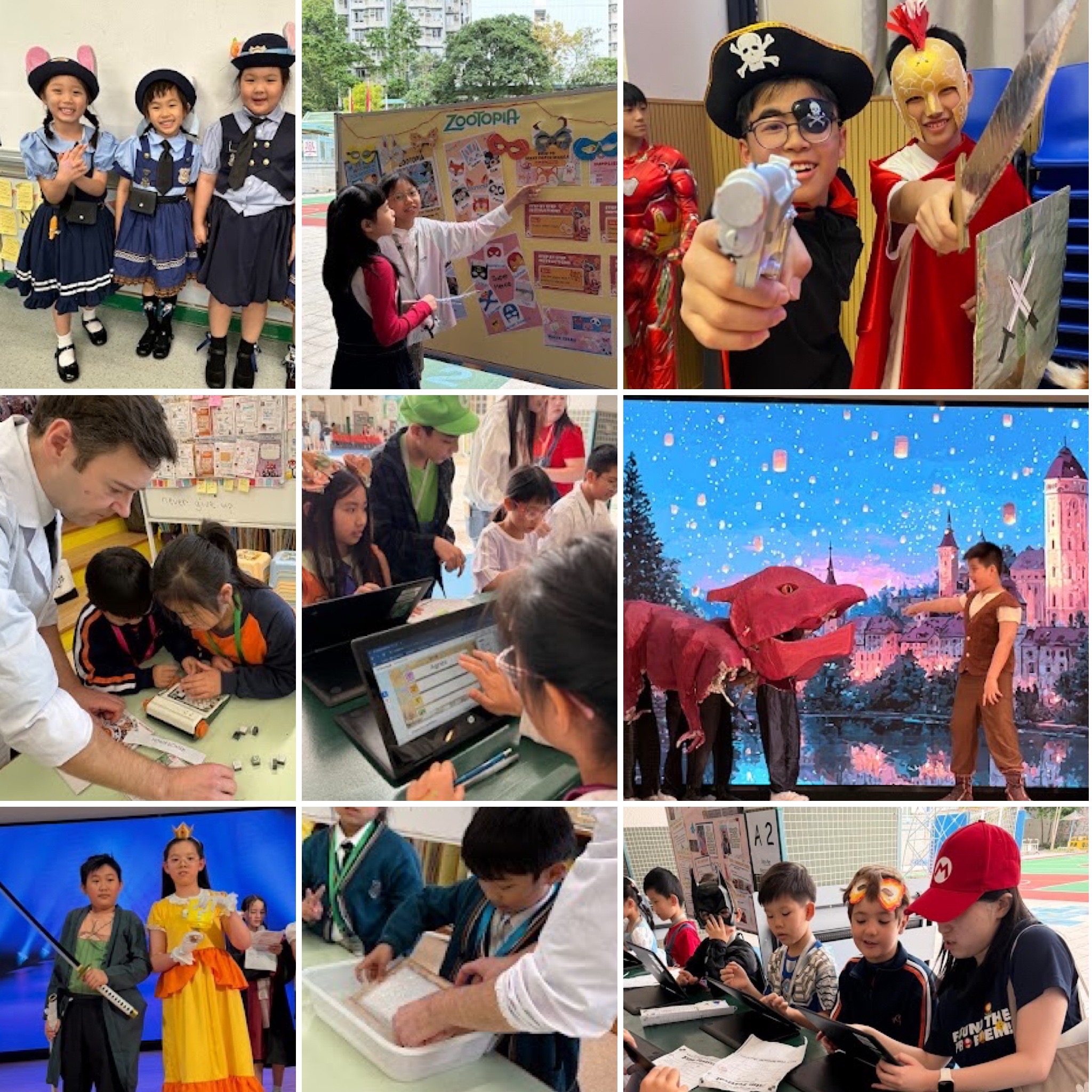
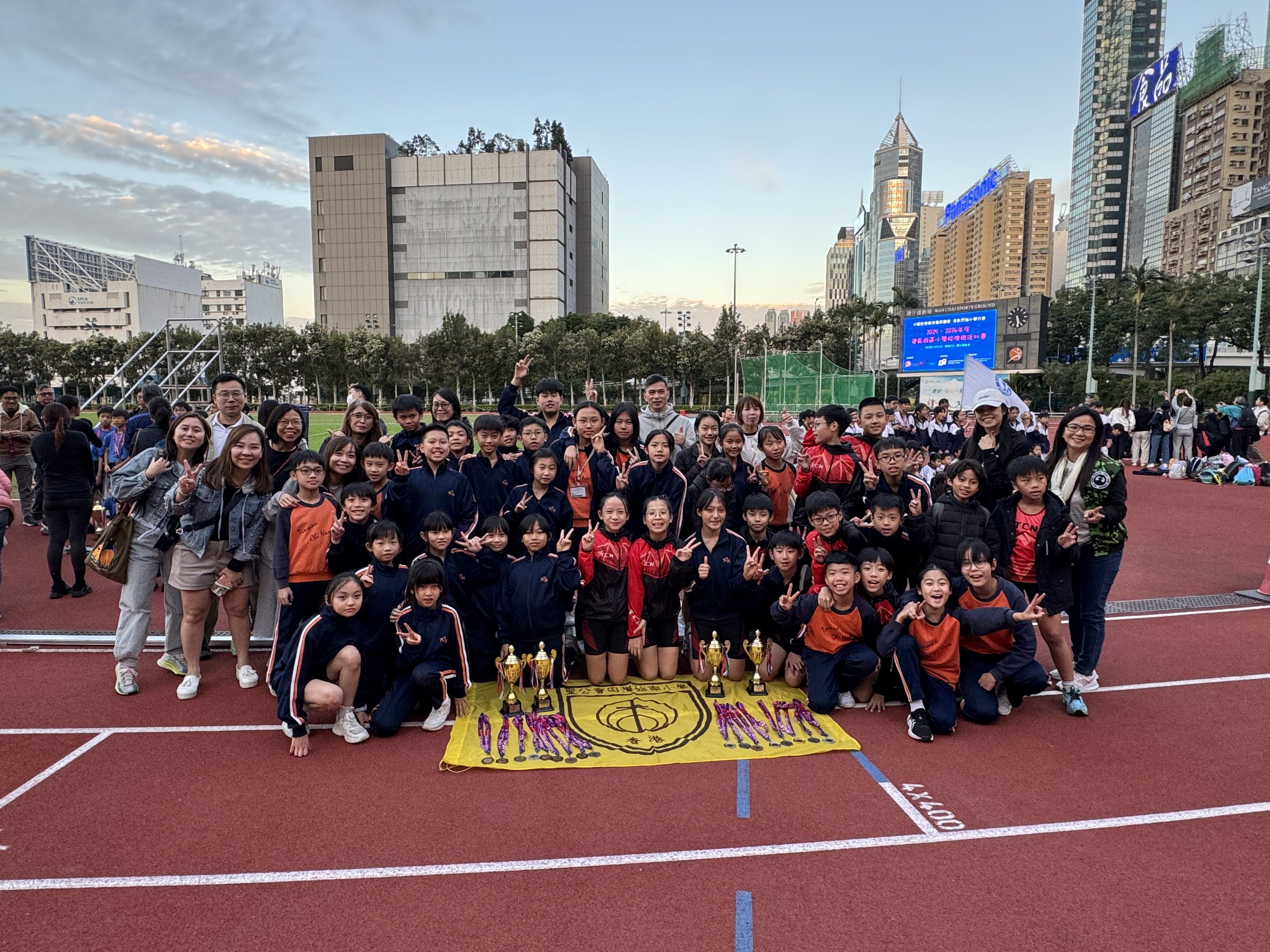
| Remarks | : | To broaden students' horizons, students take part in inter-school competitions and activities, such as Flag-raising team, Inter-school competitions: Ball games, Track & Field, Swimming, Speech Festival, Music Festival, Choir, A cappella, Handbells, Handchimes, Math Olympiad, Science Quests, Junior Scientist, Bridge-making, Ice-lolly sticks car-making, Robotics, Coding with drones, Lion dance and Scouting skills etc. |
 Life-wide Learning
| Coding Class, Olympiad Math, Abacus Class, STEAM activities, Leadership Training Course, Positive-Thinking Theatre, Eng & Putonghua Choral Speaking, Cambridge English, Eng Ambassadors / Eng Odyssey (for high-achievers), Drama Club, MC training, Reading Ambassadors, School Campus TV, Percussion class, Choir, Handbell & Handchime Teams, Calligraphy, Chinese painting, Track & Field School Teams, Football & Basketball school teams, Taekwondo, Break Dance, Rope-skipping Team, Christian Fellowship, Lion Dancing Team, Constitution and Basic Law Student Ambassadors Training Scheme and uniform groups. |
 School Mission
| Our Mission: 1.To establish a conducive learning environment so that students can put the Sheng Kung Hui motto ~ "Not to be served but to serve" into practice. 2.To shepherd children to love God and love their neighbors as themselves. 3.To inculcate children with a positive attitude in life, and a sense of commitment for the world. 4. To motivate every child to develop his/her potentials, strive for improvement, so as to live a rich and fulfilling life. |
 School Characteristics
| School Management | ||
| School Management Organisation | : | Whole-school approach is adopted to involve the entire teaching team in the school management. In response to the findings from the evaluation of annual plans and projects, Executive Committee sets policies and directions for school's further development. |
| Incorporated Management Committee / School Management Committee/ Management Committee | : | Incorporated Management Committee consists of 15 members, including Supervisor, Sponsoring Body Managers, Principal (ex-officio manager), Teacher Manager, Parent Manager, Alumni Manager, Independent Manager, Alternate Sponsoring Body Manager, Alternate Teacher & Parent Manager. |
| School Green Policy | : | Implementing 4Rs to reduce unnecessary purchases. Policies and procedures are formulated and followed to preserve the environment, such as joining 'Waste Separation and Recycling Scheme' and building a Green Campus. |
| School's Major Concerns | : | 1. To nurture students to become reflective learners, who persistently strive to thrive at their own pace and, so as to meet the ever-changing needs of the future. 2. To let our students live an active and healthy life by strengthening students' positive values in a positive school culture. *Priority Values – Respect for others & Commitment; Christian values: Confidence & Gratitude #Motto of the Year: Positive Mindset Powers Growth and Creates a Bright Future! |
| Learning and Teaching Plan | ||
| Learning & Teaching Strategies | : | 1. AI, digital education, self-directed learning and cooperative learning boost and sustain students' motivation, cater for learner diversity and self-efficacy. 2. Ability grouping in language studies provides ample resources for differentiated learning. 3. Putonghua as the medium of instruction in selected KS1 classes provides a chance to learn the language in greater depth. 4. Conducive language rich environment to facilitate language learning via Specialised Teaching, Trilingual Announcements & Campus TV programmes that report updates of school events, current affairs, moral, civic & national education, etc. 5. Reading across curriculum, thus establishing students' self-directed learning habits and study skills. 6. Students' learning experience is enriched via life-wide learning, including outbound tours, visits to places of interest in HK. 7. Students take part in competitions and social services for challenges, recognition and making connections with the society. |
| Development of Major Renewed Emphases of the Primary Education Curriculum | : | Continue to adopt the approaches of "organic integration", "natural connection", "diversified strategies", "mutual coordination", "learning within and beyond the classroom", and "whole-school participation" in providing students with diversified, appropriate and meaningful learning experiences. Adhere to the three major directions: 1. Cultivating Values 2. Creating Space 3. Student-centred Learning. Striving to achieve the Seven Learning Goals: 1. Strengthening values education (including life education, NE and NSE) 2. Making good use of learning time and creating space to promote a balanced physical and mental development 3. Enriching life-wide learning experiences and promoting whole-person development 4. Better catering for learner diversity 5. Reinforcing STEAM education, and nurturing students' media and information literacy 6. Strengthening cross-curricular learning and RaC for developing lifelong learning capacities 7. Enhancing assessment literacy for promoting L & T effectiveness. |
| Development of Generic Skills | : | Subject-based learning activities, thematic cross-curricular projects, extra-curricular activities, training of different school teams and 'learning-to-serve' help nurture students' higher-order thinking skills, computational thinking, nine generic skills, 4Fs (Fact, Finding, Feeling & Future) and other study skills. |
| Cultivation of Proper Values, Attitudes and Behaviours | : | Objective: We aim at nurturing our students to be 'Positive TCNians' by instilling positive values and Christian values, helping them identify, nurture and develop their character strengths and potentials, so as to help them face the stress and challenges in life. Students take part in a variety of activities organized by different subjects and departments. They record their achievement in the six domains: 'health', 'kindness', 'self-discipline', 'achievement', 'diligence' and 'engagement' in the school's 'My Growth Footprints' logbook. Hence, students' positive deeds are recognised and celebrated. As a result, seeds of positive education can be embedded and students can embody positivity in their lives. |
| Student Support | ||
| Whole School Approach to Catering for Learner Diversity | : | Implementing Gifted Education (GE) at class level, arranging students to enroll in EDB GE online courses, and organising School-based Pull-out Enrichment programmes. Ability grouping in language studies in P.5 and P.6. Morning remedial classes (Chinese, English, Mathematics), pull-out remedial classes, early identification and intervention support groups, training for 'reading and writing', social skills training, attention training, speech therapy to cater for learner diversity; regular co-planning sessions are in place for developing strategies and revising learning & teaching materials to cater for learner diversity; provision of learning and teaching support by teaching assistants. |
| Whole School Approach to Integrated Education | : | Our school student support team aims at building a harmonious inclusive culture that strengthens teachers' and parents' understanding about students with special educational needs. Our school provides in-service training to strengthen teachers' abilities to identify students' needs and provide them with appropriate support accordingly. The school's IE policy makes flexible use of resources and provides a holistic support framework that encompasses parents' education, parent-teacher activities, curriculum and methodology adaptation and assessment accommodation, to raise students' ability and performance in learning. |
| Education Support for Non-Chinese Speaking(NCS) Students | : | Our school provides additional support for NCS students to facilitate their learning of Chinese: providing after-school support programmes in learning Chinese; developing school-based Chinese Language curriculum and/or adapting learning and teaching materials; and organising activities to create an inclusive learning environment in the school. Parent-child workshops and seminars are organised to facilitate the integration of NCS families into local culture. |
| Curriculum Tailoring and Adaptation | : | School-based Chinese, English and Mathematics programmes, Graded worksheets, Cooperative Learning, Peer support learning group, Homework adjustment, "100+" dictation scheme, Extended examination time, examination paper screen reading, etc. |
| Home-school Co-operation and School Ethos | ||
| Home-School Co-operation | : | 1. PTA holds functions with school collaboratively, namely, annual picnic, graduation dinner, interest classes for parents, Parents' Corner, parents-children activities/workshops. 2. In view of school's & students' needs, parent helpers take part in organising activities, such as Lunch Mama / Papa, Reading activities (such as Reading Gala / World Book Day, Reading Parents). Kindergarten-Primary Bridging Course, etc. 3. Promoting Positive Parent Education via holding a series of Parent-education-workshop, so as to build a positive, joyful and mindful campus. |
| School Ethos | : | Implementing integrated discipline-guidance policy, fostering positive education and caring culture, building close and harmonious teacher-student and student-student relationship, cultivating class spirit and sense of belonging to the school with inter-class activities and competitions; School Counselling Team, PTA and parent volunteers organize seminars, workshops, outings, gatherings & Teachers' Day for building harmonious home-school relationship, facilitating good collaboration between parents and teachers and nurturing positive education. |
| Future Development | ||
| School Development Plan | : | 1. AI & Digital Education (Coding & IT Literacy) 2. Service Learning 3. STEAM Programmes 4. Thematic Cross-curricular Project 5. School-based Gifted Programme 6. Putonghua as a Medium of Instruction (PMI) 7. Chi. Classics (Poetry) 8. School-based Chi. and Eng. Curricula. 9. School-based Maths Problem-solving Programme 10. Cooperative Learning 11. Encouraging students to take part in competitions so as to help them gain motivation, recognition and confidence in learning 12. Establishing a Trilingual Campus to enhance students' language proficiency and self-learning abilities 13. Enhancing students' learning motivation to deepen and sustain their self-directed learning habits and polish their presentation skills, so as to facilitate their life-long learning 14. Nurturing a Positive and Caring Campus 15. Values Education & Patriotic education |
| Teacher Professional Training & Development | : | 1. Organising professional development seminars/workshops which cater to school's needs, for example: Mental Health First Aid Course, Catering for Learner Diversity, Value Education, National Education, National Security Education, AI & digital education, STEAM Education, Coding, IT literacy, Self-directed Learning, Whole School Gifted Education, Cooperative Learning, Brain-based learning, Positive Discipline. 2. Facilitating professional development via regular co-planning and lesson observations. 3. Developing Value Education. |
| Others | : | We help our students build self-confidence with solid all-rounded education, so as to achieve their potentials, nurture them to be law-abiding, patriotic, future-ready citizens. |
 School Map
Last revision date:01 September 2026


