 Primary School Profiles 2026

 Primary School Profiles 2026
| Address: | 43 Tonkin Street, Shamshuipo, Kowloon | |||
| Phone: | 23868049 | Email: | lcugps@edb.gov.hk | |
| Fax: | 27089950 | Website: | http://www.lcu.edu.hk | |
 School Information
 | Supervisor/ Chairman of Management Committee | : | Ms. Miss Lam Si Hang, Yvonne |
| School Head | : | Mr. Yu King Tsz |
| Incorporated Management Committee been established? | : | Not Applicable |
| Percentage of School Supervisor and Managers / Chairperson and Members of School Management Committee (SMC) of Government Schools Fulfilling the Training Targets | : | - |
| School Type | : | Gov't Whole Day |
| Student Gender | : | Co-ed |
| Sponsoring Body | : | Government |
| Religion | : | Not Applicable |
| Year of Commencement of Operation | : | 1958 |
| School Motto | : | - |
| Area Occupied by the School | : | About 4062 Sq. M |
| Through-train Secondary School | : | - |
| Feeder Secondary School | : | - |
| Nominated Secondary School | : | Sir Ellis Kadoorie Secondary School (West Kowloon) |
| Medium of Instruction | : | English |
| School Bus Service | : | School Bus |
| Parent-Teacher Association | : | Yes |
| Past Students' Association/Alumni Association | : | - |
| 4Rs Mental Health Charter | : | Yes |
| Whole School Health Programme | : | Action School |
 2026/2027 Annual School Charges
| School Fee | : | - |
| Tong Fai | : | - |
| PTA Fee | : | $50 |
| Approved Charges for non-standard items | : | $200 (SBM fee) |
| Other Charges | : | - |
 School Facilities
 | Number of Classroom(s) | : | 26 |
| Number of School Hall(s) | : | 1 |
| Number of Playground(s) | : | 2 |
| Number of Library(ies) | : | 1 |
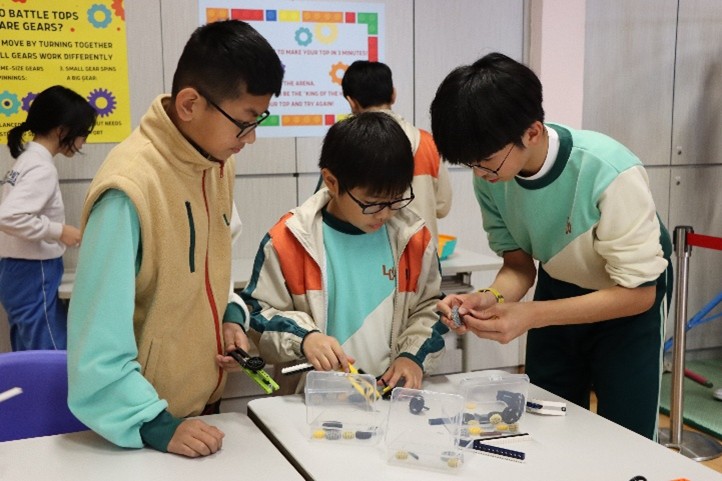
| Special Rooms | : | Science Lab, Visual Arts Room, Music Room, Computer Lab, STEAM Lab, Counselling Room, Student Activity Centre, Parents' Corner, Interview Room. |
| Facility(ies) for Supporting Students with Special Educational Needs | : | Accessible lift and Accessible toilet. |
| Others | : | - |
 Teaching Staff Information (Including School Head) in the 2025/2026 school year
 | Number of teaching posts in the approved establishment | : | 46 |
| Total number of teachers in the school | : | 51 |
| Qualifications and professional training (%) | ||
| Had Received Teacher Training | : | 98% |
| Bachelor Degree | : | 100% |
| Master/ Doctorate Degree or above | : | 27% |
| Special Education Training | : | 69% |
| Years of Experience (%) | ||
| 0 - 4 years | : | 8% |
| 5 - 9 years | : | 18% |
| 10 years or above | : | 74% |
 Class Structure
 | 2025/26 school year | ||
| P1 Number of classes | : | 4 |
| P2 Number of classes | : | 4 |
| P3 Number of classes | : | 4 |
| P4 Number of classes | : | 4 |
| P5 Number of classes | : | 4 |
| P6 Number of classes | : | 4 |
| Total | : | 24 |
| 2026/27 school year (Based on the number of classes approved by EDB in 2026) | ||
| P1 Number of classes | : | 2 |
| P2 Number of classes | : | 4 |
| P3 Number of classes | : | 4 |
| P4 Number of classes | : | 4 |
| P5 Number of classes | : | 4 |
| P6 Number of classes | : | 4 |
| Total | : | 22 |
| Mode of teaching at different levels | ||
| Small class teaching is implemented from Primary 1 to Primary 6. In Chinese Language, each level is divided into five groups according to ability to enhance the teacher-student ratio and address differences in Chinese proficiency. In Mathematics, pull-out remedial classes are provided from Primary 4 to Primary 6 to support students with weaker abilities. | ||
| Remarks | ||
| - | ||
 Performance Assessment
 | Applicable to P1 only | ||
| Number of test(s) per year | : | 0 |
| Number of exam(s) per year | : | 1 |
| Replace tests and examinations with diversified assessments in the first term of P1 | : | Yes |
| Applicable to P2 to P6 only | ||
| Number of test(s) per year | : | 0 |
| Number of exam(s) per year | : | 3 |
| Applicable to P1 to P6 | ||
| Formulate appropriate school-based assessment and assignment policies, inform parents of related arrangements, and collect views from teachers, students and parents regularly (at least once per school year) for ongoing review and optimisation of the school assessment and assignment policies | : | Yes |
| Upload the school-based assessment policy onto the school webpage for information of the public and stakeholders | : | Yes |
| Upload the school-based assignment policy onto the school webpage for information of the public and stakeholders | : | Yes |
| Diversified Assessment for Learning | : | The school employs a variety of assessment methods, including formative and summative assessments, as well as oral assessments, life skills assessments, and project-based learning. This comprehensive approach to assessment informs instruction and enhances the overall effectiveness of teaching and learning. |
| Avoid arranging tests or examinations immediately after long holidays in order to let students take more rest during the holidays | : | Yes |
| Arrange the timetable flexibly according to the school context, with a tutorial session provided in the afternoon as far as possible for students to finish some of their homework under teachers’ guidance | : | Yes |
| Streaming arrangement | : | From Primary 2 to Primary 6, students are grouped into classes based on their academic ability. The highest-performing students are placed in one class, while the remaining students are placed in mixed-ability classes. |
 School Life
 | Number of school days per week | : | 5 |
| Number of periods per day | : | 9 |
| Duration of each normal period | : | 35 |
| School starts at | : | 8:30 AM |
| School ends at | : | 3:30 PM |
| Lunch break | : | 11:55 - 12:55 |
| Lunch arrangement | : | Provided by designated supplier, arranged by parents and pupils can bring their own lunch. |
| Healthy school life | : | 1. The school has established and implemented a healthy campus policy while developing relevant school-based learning activities and programmes to actively encourage students to adopt a healthy lifestyle. 2. Morning exercises and recess activities are arranged to cultivate students' habit of regular physical exercise. |
| Remarks | : | Apart from regular lessons, the school also conducts weekly assembly, values education lesson, library studies lesson, tutorial classes, multiple intelligence classes, and extracurricular activities. Various activities are also organized after lunch. |
 Life-wide Learning
 | Every Wednesday afternoon, the school has made arrangements for all students to enjoy extra-curricular activities including Brownies, Cub Scouts, Flag-raising Team, Martial Arts, Lion Dance, African Drum Group, Children Dance, Cheering Dance, Chinese Drum Group, Juggling Group, Pastel Nagomi Art, Cricket Team, Volleyball Team, Basketball Team, Athletic Team and Choir, etc. Besides, Life-wide Learning Day, educational visits/talks, school picnic, Sports Day, Gala Performance and Christmas party are arranged for all levels. |
 School Mission
 | We focus upon providing quality learning opportunities for all children. We strive to provide a well-rounded education that values and supports the intellectual, physical, social and moral development of each child. We have a commitment to ensure that quality learning and teaching is the central focus of every classroom. We are committed to promoting the love of learning, the joy of learning and the passion for life-long learning. We have a very happy and positive school climate. The school provides an environment that is enjoyable, stimulating, supportive and conducive to learning. |
 School Characteristics
 | School Management | ||
| School Management Organisation | : | There are twelve administrative streams and various special groups led by senior teachers which gear for school development. |
| Incorporated Management Committee / School Management Committee/ Management Committee | : | School Management Committee is set up to manage and supervise school development. |
| School Green Policy | : | 'Green School Policy' is implemented to cultivate the habits of reducing the amount of materials we use and waste we produce. Re-use materials wherever possible, and to care for our environment. |
| School's Major Concerns | : | 2025-2026 School's major concerns: 1. Developing students' passion and capability for learning 2. Nurturing students to become positive, self-disciplined and healthy individuals |
| Learning and Teaching Plan | ||
| Learning & Teaching Strategies | : | 1. Enhance students' self-learning abilities, communication skills, critical thinking, and problem-solving skills through inquiry-based learning. 2. Address learning diversity through differentiated task design. 3. Promote self-reflection to help students grasp insights gained during the learning process. 4. Implement life-wide learning activities, including educational visits, competitions, and overseas exchange programs, to enrich students' learning experiences and develop their generic skills. 5. Integrate values education elements into various subjects to guide students in becoming responsible citizens. |
| Development of Major Renewed Emphases of the Primary Education Curriculum | : | 1. Strengthening values education including national education and national security education; 2. Making good use of learning time and creating space to promote a balanced physical and mental development; 3. Enriching life-wide learning experiences and promoting whole-person development; 4. Better catering for learner diversity; 5. Reinforcing STEAM education and nurturing students’ media and information literacy; 6. Strengthening cross-curricular learning and reading across the curriculum for developing lifelong learning capabilities; 7. Enhancing assessment literacy for promoting learning and teaching effectiveness. |
| Development of Generic Skills | : | The nine generic skills are cultivated in students across various subjects. Through inquiry-based learning (IBL) activities, project learning and STEAM activities, students are trained in organizing information, processing and analyzing data, as well as critical thinking and problem-solving, enabling them to apply their knowledge in practice. |
| Cultivation of Proper Values, Attitudes and Behaviours | : | The school places great emphasis on students' moral development by integrating values education into both the formal and informal curricula. Moral and affective education is incorporated into the teaching of various subjects. Thematic talks and school-based guidance activities are organized to cultivate students' good character and positive values, with a commitment to promoting whole-person development. |
| Student Support | ||
| Whole School Approach to Catering for Learner Diversity | : | 1. Teachers adapt their teaching and design differentiated tasks based on students' diverse abilities. 2. Address individual differences through remedial services and enrichment programmes: Remedial classes in Chinese and Mathematics, enrichment programmes in English and Mathematics, after-school learning support, school-based educational psychology services, and school-based speech therapy services. 3. P.1 Transition Programme, Newcomers Bridging Programme, and P.1 to P.6 Summer Bridging Programme are conducted to help students familiarise themselves with the school and adjust to campus life as quickly as possible. |
| Whole School Approach to Integrated Education | : | The school adopts a whole-school approach to inclusive education and has established a Student Support Team to design Individual Education Plans for students with special educational needs. Additional teachers and teaching assistants are employed using the Learning Support Grant. These resources enable the school to provide learning support, teaching and assessment adaptations, group training, Enhanced School-based Speech Therapy Service and Individual Education Plans for students with special educational needs. |
| Education Support for Non-Chinese Speaking(NCS) Students | : | Our school provides additional support for NCS students to facilitate their learning of Chinese: appointing additional teacher(s)/teaching assistant(s) to support NCS students' learning of Chinese; arranging intensive Chinese learning and teaching mode(s), e.g. pull-out learning if necessary, split-class/group learning, etc; developing school-based Chinese Language curriculum and/or adapting learning and teaching materials; and organising activities to create an inclusive learning environment in the school. |
| Curriculum Tailoring and Adaptation | : | The school has developed a school-based Chinese Language curriculum. Additionally, tailored support is provided based on students' diverse needs, including small-class teaching, after-school tutorials, and adaptations to the curriculum and assessments, to reinforce students' learning. |
| Home-school Co-operation and School Ethos | ||
| Home-School Co-operation | : | The school places great emphasis on home-school cooperation and maintains close communication with parents to build mutual trust through sufficient interaction. A variety of activities, including workshops and talks, are organised in collaboration with the Parent-Teacher Association to share parenting strategies and strengthen connections among parents. Each parent is issued a "Parent Card", which can be stamped upon attending talks, school events, or offering services. At the end of the school term, parents are rewarded based on the number of stamps collected. |
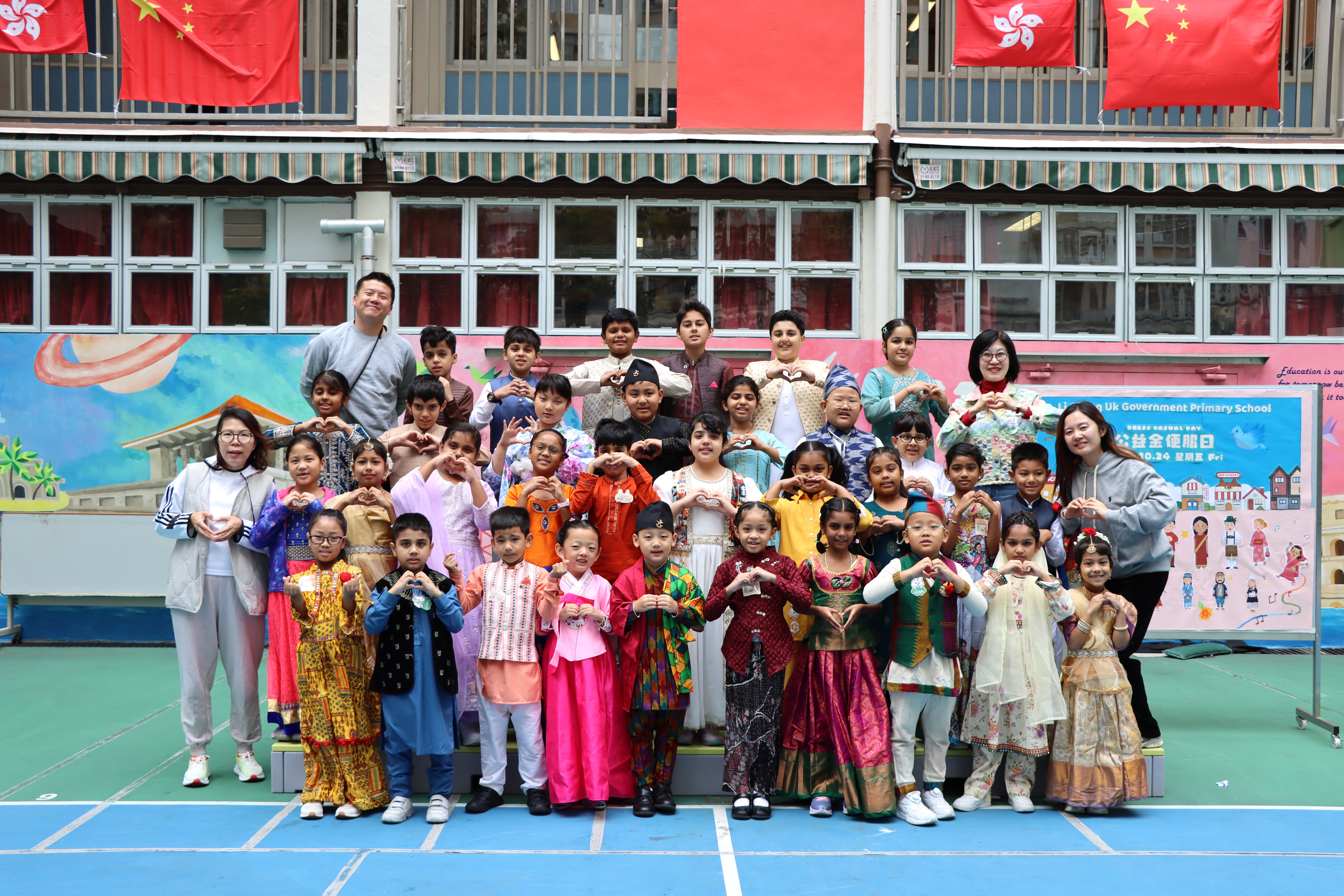
| School Ethos | : | The school has a simple and wholesome ethos, with an emphasis on whole-person development. In values education, we are committed to cultivating character and guiding students to develop positive thinking. In creating a supportive atmosphere, we actively promote multiculturalism and a caring spirit, encouraging students to respect one another, thereby strengthening their sense of belonging to the school. |
| Future Development | ||
| School Development Plan | : | 1. Cultivating students' information literacy and enhancing their ability to comprehensively apply knowledge and skills to solve problems. 2. Nurturing students to become responsible global citizens. |
| Teacher Professional Training & Development | : | 1. Conduct co-planning meetings and peer lesson observations to enhance professional exchange and sharing among teachers. 2. Organise regular professional development activities such as seminars and workshops for teachers to enhance their teaching strategies. 3. Encourage teachers to participate in professional training courses and exchange activities organised by the Education Bureau and tertiary institutions to enhance their professional competence. |
| Others | : | - |
 School Map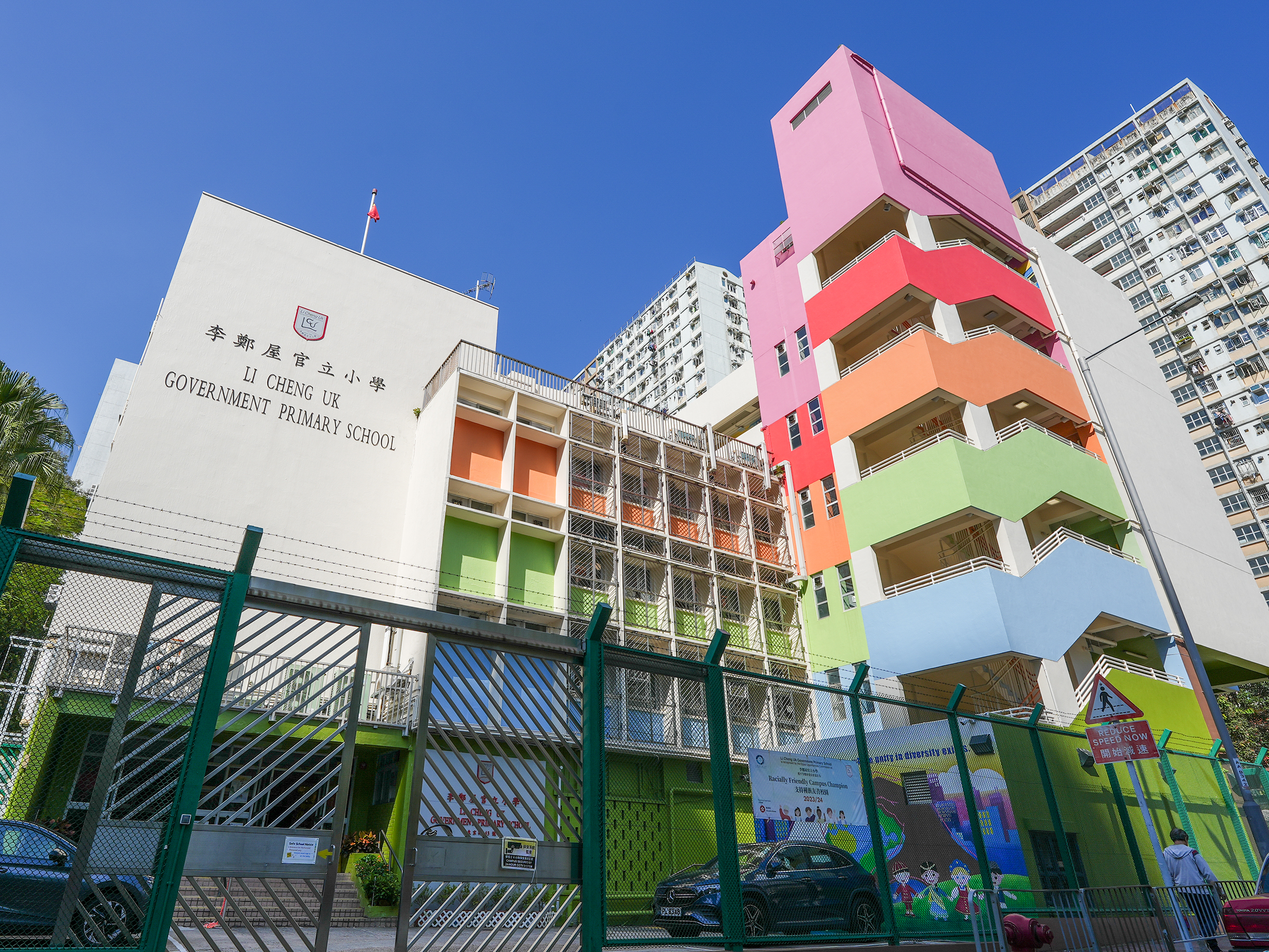
Last revision date:01 September 2026


