 Primary School Profiles 2026


 Primary School Profiles 2026

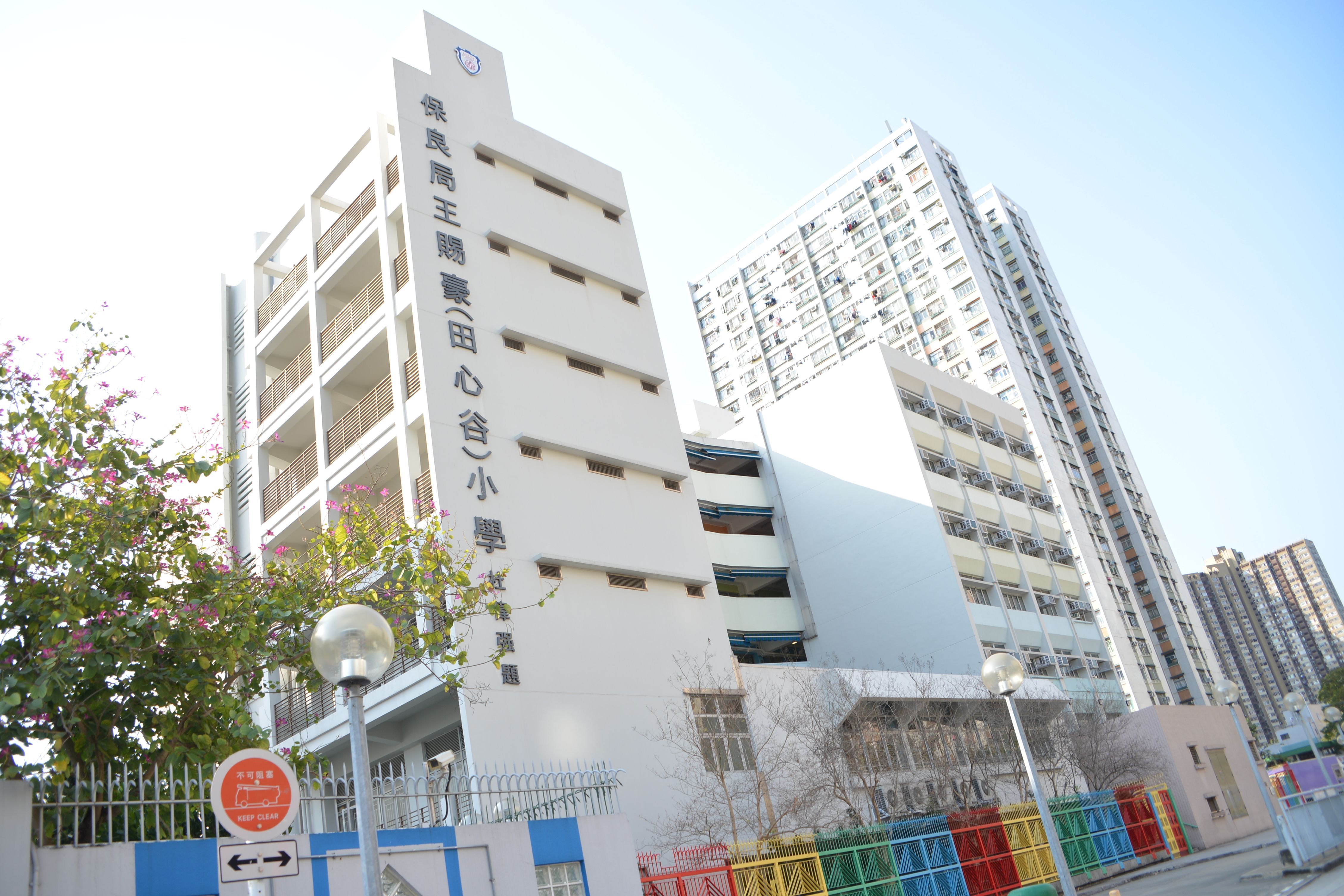
| Address: | Estate Primary School, Lung Hang Estate, Shatin Area 2A, New Territories | |||
| Phone: | 26062363 | Email: | school@plkwch.edu.hk | |
| Fax: | 26927711 | Website: | http://www.plkwch.edu.hk | |
 School Information
| Supervisor/ Chairman of Management Committee | : | Mr. Leung Winson Kwan Yau |
| School Head | : | Mr. Pat Kam Lung |
| Incorporated Management Committee been established? | : | Established |
| Percentage of School Supervisor and Managers / Chairperson and Members of School Management Committee (SMC) of Government Schools Fulfilling the Training Targets | : | Not Applicable |
| School Type | : | Aided Whole Day |
| Student Gender | : | Co-ed |
| Sponsoring Body | : | Po Leung Kuk |
| Religion | : | Not Applicable |
| Year of Commencement of Operation | : | 2005 |
| School Motto | : | Love, Respect, Diligence, Sincerity |
| Area Occupied by the School | : | About 4700 Sq. M |
| Through-train Secondary School | : | - |
| Feeder Secondary School | : | - |
| Nominated Secondary School | : | - |
| Medium of Instruction | : | Chinese & English |
| School Bus Service | : | School Bus |
| Parent-Teacher Association | : | Yes |
| Past Students' Association/Alumni Association | : | Yes |
| 4Rs Mental Health Charter | : | Yes |
| Whole School Health Programme | : | Action School |
 2026/2027 Annual School Charges
| School Fee | : | - |
| Tong Fai | : | - |
| PTA Fee | : | $40 |
| Approved Charges for non-standard items | : | $300 |
| Other Charges | : | - |
 School Facilities
| Number of Classroom(s) | : | 25 |
| Number of School Hall(s) | : | 1 |
| Number of Playground(s) | : | 2 |
| Number of Library(ies) | : | 1 |
| Special Rooms | : | Canteen, STEM Room, Chi-Ho Expo, Innovative Space, Play Therapy Room, English Lounge, TV Campus, Language Room, Computer Room, Activity Room, Music Room, Visual Arts Room. |
| Facility(ies) for Supporting Students with Special Educational Needs | : | Ramp, Accessible lift, Accessible toilet and Accessible public information / service counter. |
| Others | : | We also have Conference Room, Garden, Fish pond, Garden in 4/F, Art Gallery. |
 Teaching Staff Information (Including School Head) in the 2025/2026 school year
| Number of teaching posts in the approved establishment | : | 46 |
| Total number of teachers in the school | : | 52 |
| Qualifications and professional training (%) | ||
| Had Received Teacher Training | : | 100% |
| Bachelor Degree | : | 100% |
| Master/ Doctorate Degree or above | : | 15% |
| Special Education Training | : | 38% |
| Years of Experience (%) | ||
| 0 - 4 years | : | 24% |
| 5 - 9 years | : | 24% |
| 10 years or above | : | 52% |
 Class Structure
| 2025/26 school year | ||
| P1 Number of classes | : | 4 |
| P2 Number of classes | : | 4 |
| P3 Number of classes | : | 4 |
| P4 Number of classes | : | 4 |
| P5 Number of classes | : | 4 |
| P6 Number of classes | : | 4 |
| Total | : | 24 |
| 2026/27 school year (Based on the number of classes approved by EDB in 2026) | ||
| P1 Number of classes | : | 4 |
| P2 Number of classes | : | 4 |
| P3 Number of classes | : | 4 |
| P4 Number of classes | : | 4 |
| P5 Number of classes | : | 4 |
| P6 Number of classes | : | 4 |
| Total | : | 24 |
| Mode of teaching at different levels | ||
| Small class size with 25 pupils in P.1-P.6 | ||
| Remarks | ||
| - | ||
 Performance Assessment
| Applicable to P1 only | ||
| Number of test(s) per year | : | 0 |
| Number of exam(s) per year | : | 2 |
| Replace tests and examinations with diversified assessments in the first term of P1 | : | Yes |
| Applicable to P2 to P6 only | ||
| Number of test(s) per year | : | 0 |
| Number of exam(s) per year | : | 3 |
| Applicable to P1 to P6 | ||
| Formulate appropriate school-based assessment and assignment policies, inform parents of related arrangements, and collect views from teachers, students and parents regularly (at least once per school year) for ongoing review and optimisation of the school assessment and assignment policies | : | Yes |
| Upload the school-based assessment policy onto the school webpage for information of the public and stakeholders | : | Yes |
| Upload the school-based assignment policy onto the school webpage for information of the public and stakeholders | : | Yes |
| Diversified Assessment for Learning | : | Summative assessments (examination) are held at the end of each term. Besides, by means of a wide variety of formative assessments like hands-on projects, oral presentations or written reports, self or peer assessments, we understand more thoroughly students’ progress. We emphasize assessment for learning. |
| Avoid arranging tests or examinations immediately after long holidays in order to let students take more rest during the holidays | : | Yes |
| Arrange the timetable flexibly according to the school context, with a tutorial session provided in the afternoon as far as possible for students to finish some of their homework under teachers’ guidance | : | Yes |
| Streaming arrangement | : | P.1-P.3 students are evenly arranged to different classes without streaming. For P.4-P.6, there is an elite class in each form. Students will be arranged to the elite class according to their academic results. The rest will be arranged evenly to other classes. |
 School Life
| Number of school days per week | : | 5 |
| Number of periods per day | : | 9 |
| Duration of each normal period | : | 35 |
| School starts at | : | 8:00 AM |
| School ends at | : | 3:20 PM |
| Lunch break | : | 12:30 - 1:25 |
| Lunch arrangement | : | Implement on-site meal portioning Project. Rice and vegetables will be cooked on site to keep fresh. |
| Healthy school life | : | We select School Lunch Suppliers according to the procedures and regulations of the Department of Health. We provide healthy lunch. Regular talks and activities are held to promote healthy eating in schools. |
| Remarks | : | We had implemented On-site Meal Portioning Projects for more than 5 years. It is an environmental policy. It is meaningful to our students and help to save the Earth. |
 Life-wide Learning
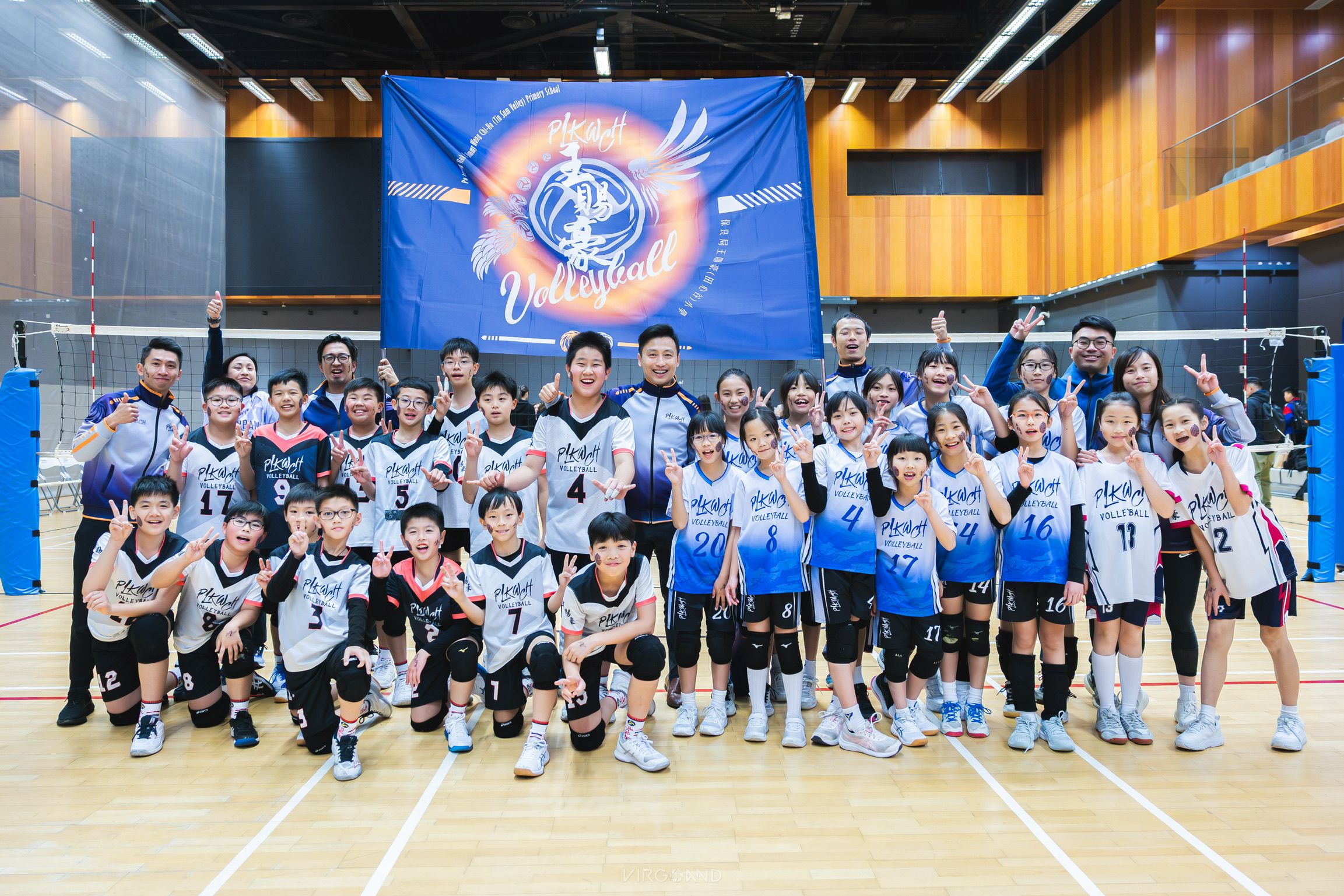
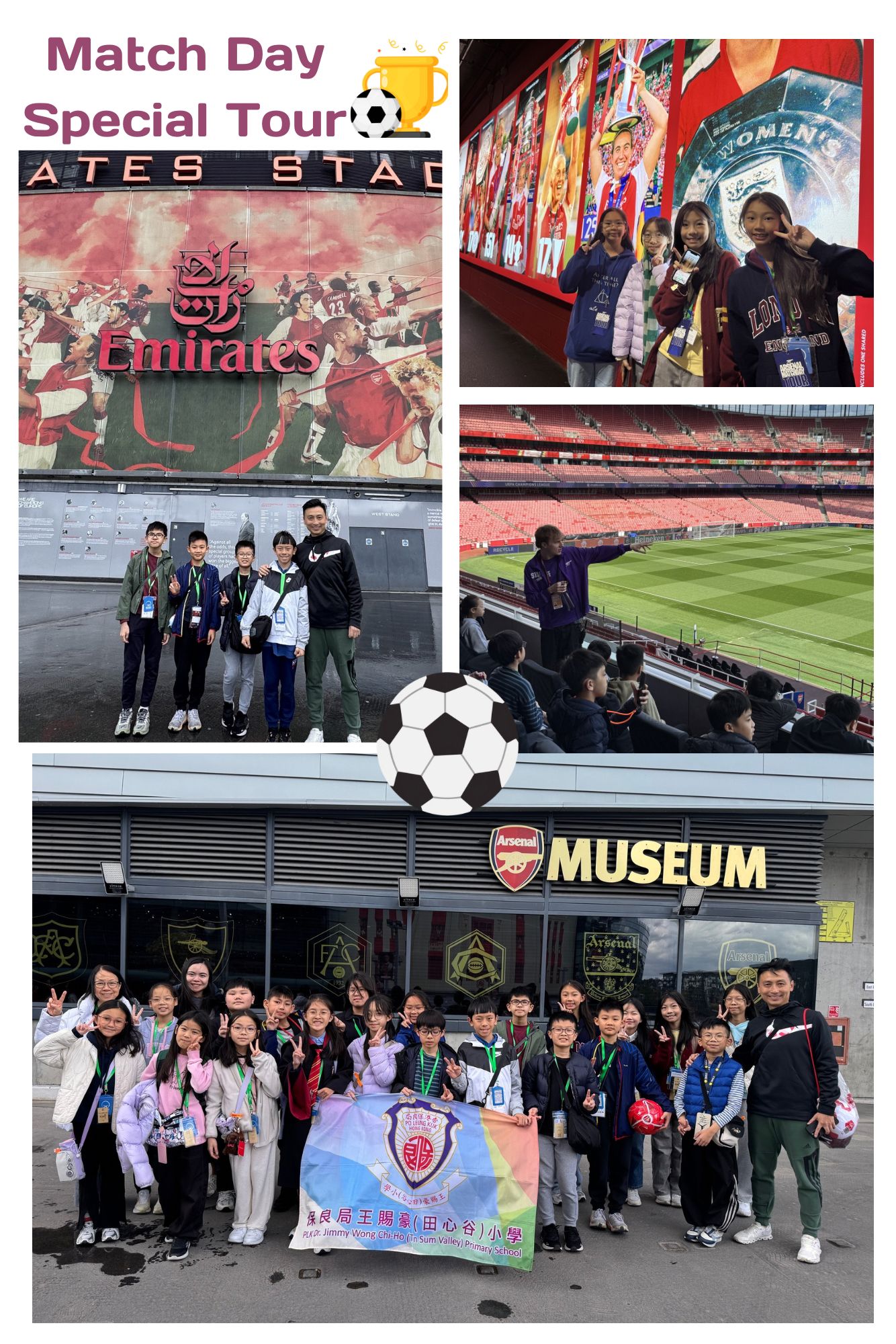
| We focus on whole-person education. School based cross disciplinary subjects learning are implemented. Learning camp, overseas study tour are arranged. The Life Planning Program helps students think about their future. Moreover, we provide more than 40 extracurricular activities in different scopes. We have achieved excellent territory-wide and inter-school result (Golden prize) in academic, ball games, athletic, dancing and music aspects. Through these, we build up an all-round student in academic and value learning. |
 School Mission
| Our school inherits the strong tradition of the educational vision of Po Leung Kuk, which offers academic excellence and all-rounded education to our children. We aim to cultivate our children the "7-learning goals" and foster students' whole-person development. |
 School Characteristics
| School Management | ||
| School Management Organisation | : | Our school-based management is guided by the Performance Indicators for Hong Kong Schools (EDB). We structure our administration according to the four domains outlined in these indicators. Additionally, our school priorities are reflected in our setting and development plans. The self-assessment team is dedicated to enhancing the quality of education. |
| Incorporated Management Committee / School Management Committee/ Management Committee | : | The IMC was set up in 2006, including members from the Po Leung Kuk and Tin Sum Valley 6 villages, school principal, teacher representatives, parent representatives and outside school independent professionals. |
| School Green Policy | : | We participate in environmental programs organized by various organizations such as the Environmental Department, Electrical and Mechanical Services Department, HKU, and HKUST. We have achieved good results in these programs and were awarded a merit in the 2021 "Hong Kong Environmental Excellence Award" (Primary section). Additionally, we engage in a wide range of tree planting activities. We have implemented a Central On-site Portioning policy for lunch and organize "zero food waste" activities and energy-saving seminars for students. Various settings and facilities, such as water-saving devices and LED lighting, have been installed to promote environmental protection messages. |
| School's Major Concerns | : | 1. To enhance the efficiency of teaching and learning. 2. To promote positive thinking in the campus. 3. To learn more about the community and global issues. |
| Learning and Teaching Plan | ||
| Learning & Teaching Strategies | : | Our school promotes adaptive learning to cater to students' diverse learning needs. We use picture books and novels to strengthen students' reading abilities and combine them with various activities to establish a comprehensive language learning environment. All subjects incorporate presentation training to enhance students' respective skills. STEAM education has been integrated into both the formal and informal curriculum. A new General Studies (GS) curriculum will be launched in the coming year. Developing students' self-directed learning abilities, generic skills, proper values and attitudes, and knowledge of Key Learning Areas (Seven Learning Goals) are our main concerns. |
| Development of Major Renewed Emphases of the Primary Education Curriculum | : | Strengthening values education (including positive education, life education, national education and national security education)* making good use of learning time and creating space to promote a balanced physical and mental development; enriching life-wide learning experiences and promoting whole-person development; better catering for learner diversity; reinforcing, STEAM education, and nurturing students’ media and information literacy; strengthening cross-curricular learning and reading across the curriculum for developing lifelong learning capabilities. |
| Development of Generic Skills | : | Through different class activities, life-wide activities, project learning and library lessons, we cultivate students' nine generic skills in all dimensions, which include basic skills, thinking skills and personal and social skills. |
| Cultivation of Proper Values, Attitudes and Behaviours | : | To nurture students' positive value system, we have arranged moral lessons, school-based positive-value education program, assembles, seminars, national education and M+ project. Our philosophy of cultivating students is 'encourage more and blame less'. This can create a harmony and loving atmosphere in school. |
| Student Support | ||
| Whole School Approach to Catering for Learner Diversity | : | We provide comprehensive support for individual differences and tailor our approach to meet the specific needs of each student. This includes arranging assistant teachers to collaborate with classroom teachers, as well as setting up study groups and support plans outside of class. We use cooperative and electronic learning methods to enhance interaction between teachers and students, as well as among students themselves. Collaborative teaching is applied in all classes to maximize learning efficiency. |
| Whole School Approach to Integrated Education | : | We have implemented the Whole school approach in integrated education. We set up the Student Support Team to coordinate the three-tier support mode. The team provides early identification and appropriate support for students according to their special educational needs. Different services are provided (including Reading and Writing Skills Training Group, Social Skills Training Group, Attention and Focus Training group, school-based speech therapy services, etc.) We place great emphasis on Home-School Cooperation. |
| Curriculum Tailoring and Adaptation | : | School-based tailoring system. We provide basic, middle and high level curriculum for different students. Tailoring are arranged in learning and assessment. All the tailoring will be evaluated regularly. During exam, adjustments are provided to students in need according to EDB adaptation mechanism. |
| Home-school Co-operation and School Ethos | ||
| Home-School Co-operation | : | 1. Parent-Teacher Association holds regular meetings to facilitate home-school communication and build effective partnership. 2. The members of the PTA cooperate with the school to organize various activities, such as Primary One Adaptation Days, Teachers' Day, graduation ceremony, Parent-Child Picnic Day, Chinese Cultural Day, Christmas party for parents, the annual meeting of the PTA etc., to develop parents’ potential and strengthen parent-child relationship. 3. The PTA is committed to promoting parent education and equipping parents to support their children's growth. |
| School Ethos | : | The school ethos is modest and reflects the school's values. Through moral education morning and weekly assembly, and speeches under the national flag, we aim to foster the good values and national identity of students and inoculate their civic responsibility of laws and regulations. We also aim to create a positive campus atmosphere for students and cultivate a culture of mutual respect and appreciation among students, building a positive and supportive community. |
| Future Development | ||
| School Development Plan | : | 1. Cater to the newly announced curriculum and design our school-based one. 2. Our school promotes adaptive learning, focusing on the learning diversity of student. 3. Strengthen values education (including positive education, life education, national education and national security education) 4. Strengthen the learning effect under the valued experience accumulated in BYOD in the past years. 5. Strengthen students' reading abilities, allowing students to learn through reading. 6. Actively promote e-learning and STEAM education. 7. Cultivate students' self-directed learning, problem-solving abilities, and creative thinking. |
| Teacher Professional Training & Development | : | 1. Throughout the school based staff development, the continuing professional development held by different organizations and the collaboration with different institutions to enhance the quality of professional and teaching skills of the teachers. 2. Formulate long-term professional development programs, so that teachers can have a systematic development of specialist training and cater for learning diversity. |
| Others | : | 1. There are more than 5 scholarships in our school. 2. PLK puts a lot of resources to improve the school standard. 3. We have arranged bridging course from Kindergarten to Primary One. We also have policy to help P.6 students transit to Secondary One. 4. Extra-curricular activities is particularly prominent in P.E, dance, music and English Drama. 5. Variety Show is held every year to provide a performance platform for students to show what they have learnt in ECA aspect. |
 School Map

Last revision date:01 September 2026


