 Primary School Profiles 2026


 Primary School Profiles 2026

| Address: | Heng On Estate, Ma On Shan, Shatin, N.T. | |||
| Phone: | 26429186 | Email: | info@mossjps.edu.hk | |
| Fax: | 26433929 | Website: | http://www.mossjps.edu.hk | |
 School Information
| Supervisor/ Chairman of Management Committee | : | Mr. Kwok Yuk Chee |
| School Head | : | Ms. Yeung Chui Shan |
| Incorporated Management Committee been established? | : | Established |
| Percentage of School Supervisor and Managers / Chairperson and Members of School Management Committee (SMC) of Government Schools Fulfilling the Training Targets | : | 100% |
| School Type | : | Aided Whole Day |
| Student Gender | : | Co-ed |
| Sponsoring Body | : | The Minister in HK of the Order of Friars Minor |
| Religion | : | Catholicism |
| Year of Commencement of Operation | : | 1987 |
| School Motto | : | Deus Meus et Omnia (My God and All) |
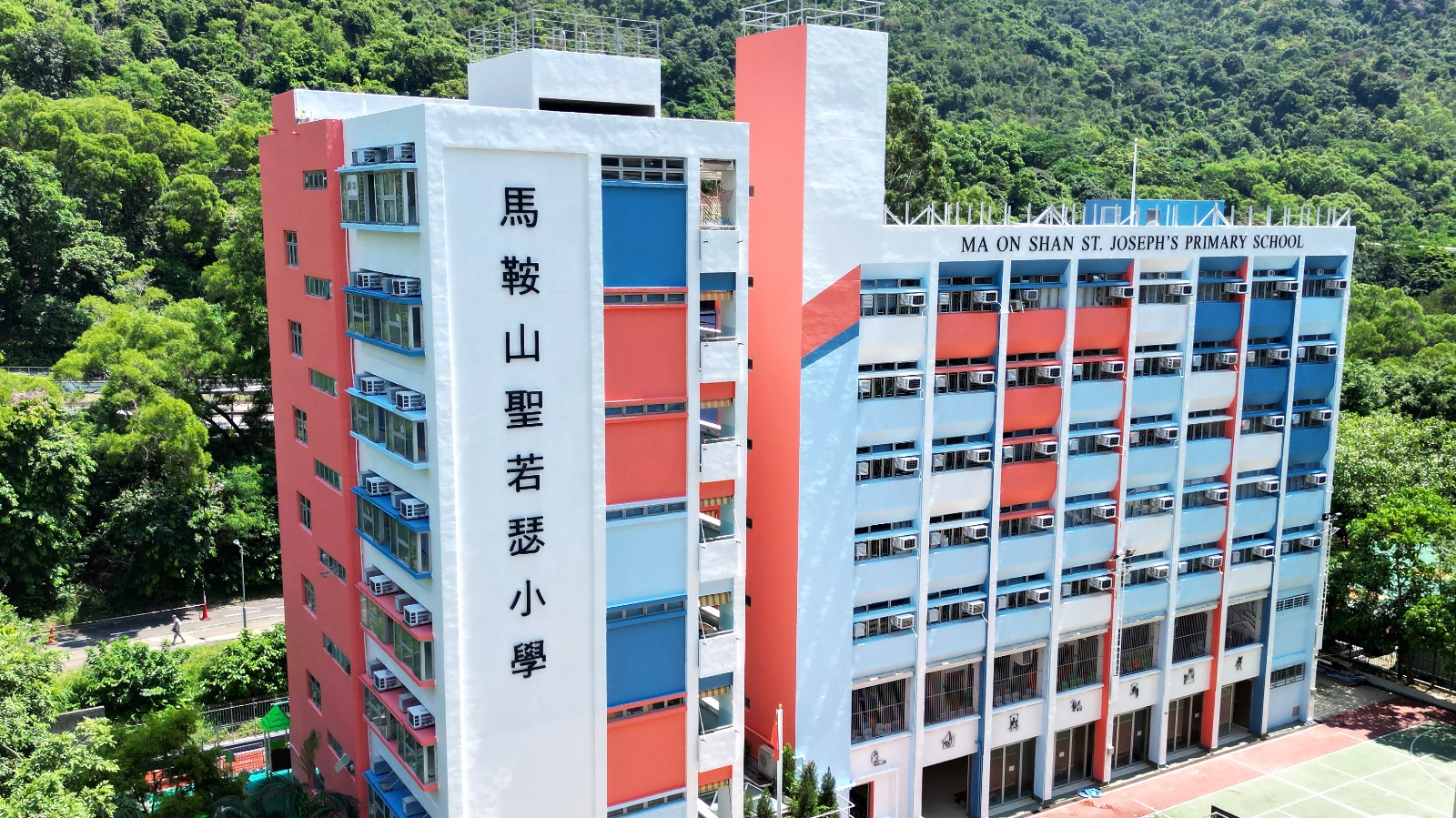
| Area Occupied by the School | : | About 3500 Sq. M |
| Through-train Secondary School | : | - |
| Feeder Secondary School | : | - |
| Nominated Secondary School | : | - |
| Medium of Instruction | : | Chinese(incl.: Putonghua) and English |
| School Bus Service | : | School Bus |
| Parent-Teacher Association | : | Yes |
| Past Students' Association/Alumni Association | : | Yes |
| 4Rs Mental Health Charter | : | Yes |
| Whole School Health Programme | : | Action School |
 2026/2027 Annual School Charges
| School Fee | : | - |
| Tong Fai | : | - |
| PTA Fee | : | $50 |
| Approved Charges for non-standard items | : | $400 |
| Other Charges | : | - |
 School Facilities
| Number of Classroom(s) | : | 24 |
| Number of School Hall(s) | : | 1 |
| Number of Playground(s) | : | 2 |
| Number of Library(ies) | : | 1 |
| Special Rooms | : | Eight Rooms (STEM room, Science room, Visual Arts Room, Music Room, Computer Room, English Room, Campus TV Station, School Library, Sensory Integration Room & Snooker Room). |
| Facility(ies) for Supporting Students with Special Educational Needs | : | Ramp, Accessible lift and Accessible toilet. |
| Others | : | All classrooms are equipped with interactive blackboards and online homework platform. There are children's playground, counselling room, gym room, student activity centre and Prayer Room. |
 Teaching Staff Information (Including School Head) in the 2025/2026 school year
| Number of teaching posts in the approved establishment | : | 33 |
| Total number of teachers in the school | : | 37 |
| Qualifications and professional training (%) | ||
| Had Received Teacher Training | : | 100% |
| Bachelor Degree | : | 100% |
| Master/ Doctorate Degree or above | : | 27% |
| Special Education Training | : | 78% |
| Years of Experience (%) | ||
| 0 - 4 years | : | 49% |
| 5 - 9 years | : | 8% |
| 10 years or above | : | 43% |
 Class Structure
| 2025/26 school year | ||
| P1 Number of classes | : | 2 |
| P2 Number of classes | : | 2 |
| P3 Number of classes | : | 2 |
| P4 Number of classes | : | 3 |
| P5 Number of classes | : | 3 |
| P6 Number of classes | : | 4 |
| Total | : | 16 |
| 2026/27 school year (Based on the number of classes approved by EDB in 2026) | ||
| P1 Number of classes | : | 1 |
| P2 Number of classes | : | 2 |
| P3 Number of classes | : | 2 |
| P4 Number of classes | : | 2 |
| P5 Number of classes | : | 3 |
| P6 Number of classes | : | 3 |
| Total | : | 13 |
| Mode of teaching at different levels | ||
| Small class teaching is adopted, with e-learning strategies used to cater for students’ diverse learning needs and promote learning effectiveness. Enhancement classes, homework classes, remedial classes, new immigrant student classes and School-based After School Care Service Scheme are provided to support students, helping them consolidate their foundation and improve their abilities progress. |
||
| Remarks | ||
| From P.2-P.6, each level has at least one Mathematics class which is conducted in English. There are modules in General Studies or Science conducted in English throughout P.1-P.6. |
||
 Performance Assessment
| Applicable to P1 only | ||
| Number of test(s) per year | : | 0 |
| Number of exam(s) per year | : | 1 |
| Replace tests and examinations with diversified assessments in the first term of P1 | : | Yes |
| Applicable to P2 to P6 only | ||
| Number of test(s) per year | : | 0 |
| Number of exam(s) per year | : | 3 |
| Applicable to P1 to P6 | ||
| Formulate appropriate school-based assessment and assignment policies, inform parents of related arrangements, and collect views from teachers, students and parents regularly (at least once per school year) for ongoing review and optimisation of the school assessment and assignment policies | : | Yes |
| Upload the school-based assessment policy onto the school webpage for information of the public and stakeholders | : | Yes |
| Upload the school-based assignment policy onto the school webpage for information of the public and stakeholders | : | Yes |
| Diversified Assessment for Learning | : | Modes of assessments include regular school day performance through listening, speaking, reading, observing learning attitude and performing creative task process. Diversified modes of assessment are also used such as project learning, e-assessment and performance assessment. |
| Avoid arranging tests or examinations immediately after long holidays in order to let students take more rest during the holidays | : | Yes |
| Arrange the timetable flexibly according to the school context, with a tutorial session provided in the afternoon as far as possible for students to finish some of their homework under teachers’ guidance | : | Yes |
| Streaming arrangement | : | From Primary Two to Primary Six, all levels are streamed and each level has at least one English Mathematics class. In Science, certain units are taught in English. Remedial lessons and small group teaching are arranged. |
 School Life
| Number of school days per week | : | 5 |
| Number of periods per day | : | 7 |
| Duration of each normal period | : | 45 |
| School starts at | : | 8:15 AM |
| School ends at | : | 3:30 PM |
| Lunch break | : | 12:50 - 1:50 |
| Lunch arrangement | : | Provided by designated supplier and arranged by parents. |
| Healthy school life | : | 1. The Lunch Monitoring Committee monitors the food quality. 2. SportACT Award Scheme and group sports games are conducted. 3. The school-based self-care ability module is launched in General Studies/ Primary Humanities in lower primary levels. 4. The school joins 4Rs Mental Health Charter. 5. During recess, the sensory integration room and Children's Playground are open. 6. Eng., Music and Putonghua Ambassadors help conduct activities. |
| Remarks | : | STEAM learning activities, PLP-Reading and Writing lessons, personal development lessons and school-based civic education programme are launched. The school will implement Primary Humanities and Primary Science in P.1, P.2, P.4 and P.5 in the 2026/27 school year. |
 Life-wide Learning
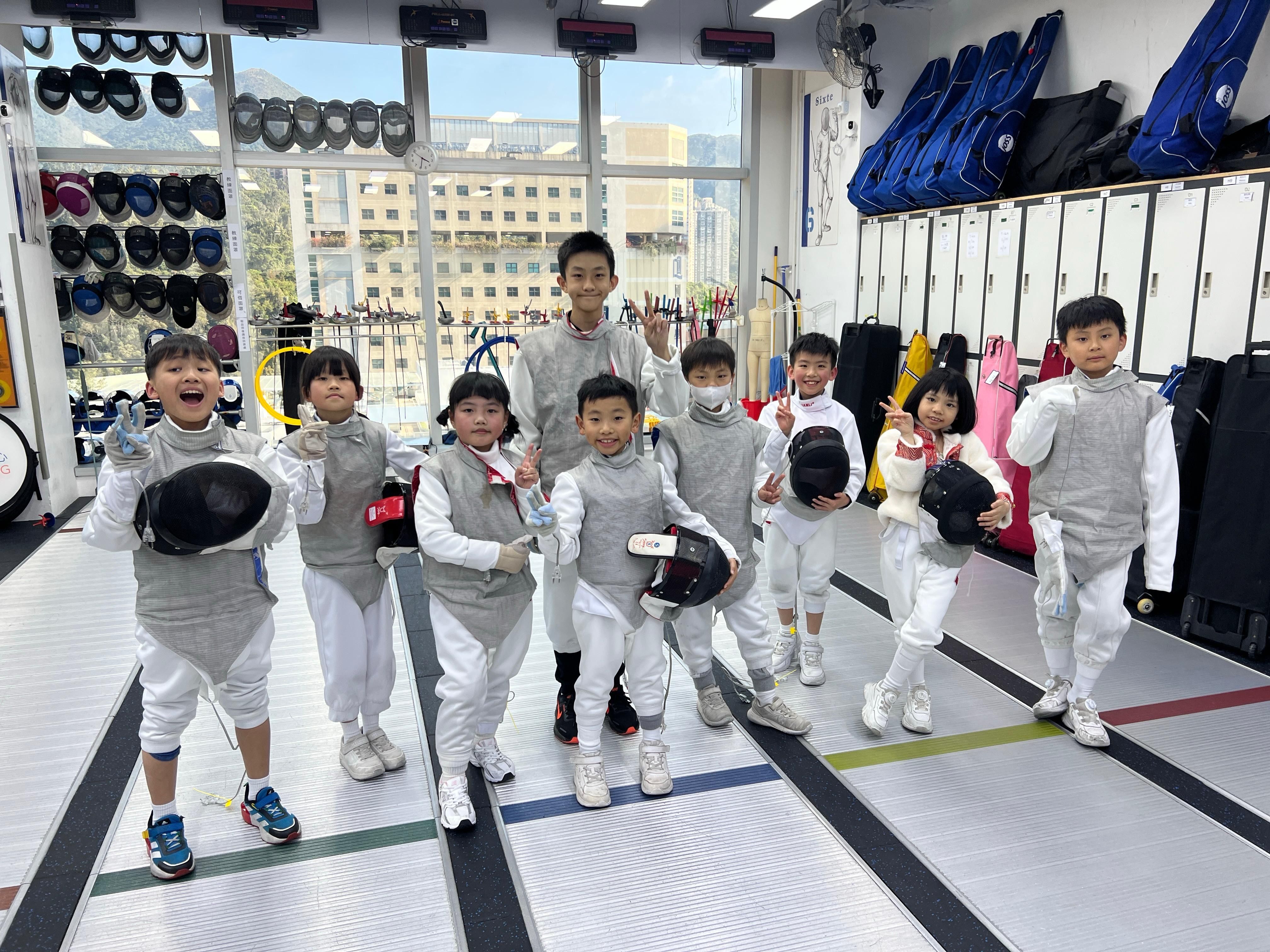
| Spanish Class, Boy Scouts, Brownies, Young Pioneers of Christ, Community Youth Club, Drama Team, Little Reporters, Reading Club, Math Olympiad, Spike Coding, VR Production, LEGO, Choir, Recorder Band, Hand Bell Team, Violin Class, Chinese musical instrument class, Visual Arts Group, Dance Team, Gymnastics, Rope Skipping, Athletics, Volleyball, Basketball, Fencing, Bouldering, Gardening and more Saturday activities |
 School Mission
| We uphold the core values of Catholic education, committing to and nurturing the values of truth, righteousness, love, life, and family, and putting them into practice with the spirit of Minority and Fraternity. |
 School Characteristics
| School Management | ||
| School Management Organisation | : | The IMC of Ma On Shan St. Joseph's Primary School |
| Incorporated Management Committee / School Management Committee/ Management Committee | : | Members of IMC: School Supervisor, Principal, teacher representatives, parent representatives, alumni representatives and other professionals. |
| School Green Policy | : | The school has developed policies about protecting the environment to raise students' awareness of environmental protection. |
| School's Major Concerns | : | Cater for students’ learning diversity through diversified learning strategies; Create a positive campus atmosphere and promote the positive development of students' physical, mental and spiritual health. |
| Learning and Teaching Plan | ||
| Learning & Teaching Strategies | : | 1. Through diversified reading activities, students can develop positive reading attitudes and habits. 2. Through the use of an AI learning platform, we foster students’ habits and ability in self-directed learning and enhance their motivation to learn. 3. The school has collaboration with the EDB and other institutions to develop school-based curriculum in order to nurture students' self-directed learning habits and develop generic skills. 4. Each subject team regularly reviews and adjusts its curriculum in flexible ways to support effective co‑teaching and collaboration. 5. Extra activities are arranged before lessons and after lunch time, such as reading programmes, morning exercise, English assembly and game booths of different subjects. |
| Development of Major Renewed Emphases of the Primary Education Curriculum | : | 1. To launch interdisciplinary activities in the afternoon twice a week, offering diverse learning experiences such as STEAM, sports and arts, as well as civic education activities to enable students to apply their knowledge in activities; 2. To strengthen Learning and Reading across Curriculum to nurture students' reading interests; 3. To develop school-based curriculum projects with external institutions to foster value education, national education and life education; 4. To launch school-based STEAM modules to cultivate problem-solving skills and information literacy; 5. To conduct multiple intelligence programmes to develop students' potentials 6. Provide a wide variety of physical activities beyond regular lessons to help students develop a healthy lifestyle. |
| Development of Generic Skills | : | Through subject lessons and participation in a wide range of extracurricular activities, students are exposed to knowledge from different domains and systematically develop generic skills, enabling them to transfer and apply what they have learned to various learning situations. These nine types of generic skills include collaboration skills, communication skills, creativity, critical thinking skills, information technology skills, numeracy skills, problem-solving skills, self-management skills and study skills. |
| Cultivation of Proper Values, Attitudes and Behaviours | : | Students build values and good characters through various learning activities in all subjects. They also experience the Franciscan spirit of 'minority and fraternity'. The school implements life planning education in personal development lessons and the school-based civic education programme. Students develop moral values and positive attitudes. |
| Student Support | ||
| Whole School Approach to Catering for Learner Diversity | : | By making use of Learning Support Grant, the school adopts the 3-Tier Intervention Model and continues to provide different kinds of small-group training, including Whole School Approach to Providing Tiered Support for Students with ASD and READ & WRITE A Jockey Club Learning Support Network, according to students' needs with the support from the EDB and the NGOs. The school also provides intensive learning support and special examination arrangements for students in need. |
| Whole School Approach to Integrated Education | : | Student Support Team has been formed in the school. Teachers are also encouraged to receive inclusive education training. Moreover, 'Secret angels' scheme and different peer-support schemes are also launched in order to promote inclusive school culture. Moreover, the school has been recognised as 2024/25 Racially Friendly Campus Champions under the "Racially Friendly Campus Recognition Scheme", which was held by the Equal Opportunities Commission (EOC). |
| Education Support for Non-Chinese Speaking(NCS) Students | : | Our school provides additional support for NCS students to facilitate their learning of Chinese: providing after-school support programmes in learning Chinese; appointing additional teacher(s)/teaching assistant(s) to support NCS students' learning of Chinese; arranging intensive Chinese learning and teaching mode(s), e.g. pull-out learning if necessary, split-class/group learning, etc; developing school-based Chinese Language curriculum and/or adapting learning and teaching materials; organising activities to create an inclusive learning environment in the school; and hiring additional manpower and/or translation/interpretation services to facilitate the communication with parents of NCS students. |
| Curriculum Tailoring and Adaptation | : | Enhancement classes, remedial classes, P.1-P.6 homework tutorial lessons and P.1 bridging courses are held. School-based curricular activities are organised based on the learning needs of students. |
| Home-school Co-operation and School Ethos | ||
| Home-School Co-operation | : | Regular meetings are held by the Parent-teacher Association. We also provide seminars, workshops, meetings and sharing for parents and students to gain better understanding and bonding. |
| School Ethos | : | Recognizing the importance of religious education, we teach our students to live a spiritual life founded on Christian values. Regular civic education activities are organised to enhance students' moral values. Various subject-related activities are designed to strengthen students' interest in learning. There are also events such as Open Day, Primary One Summer Course, and parent-teacher meetings. |
| Future Development | ||
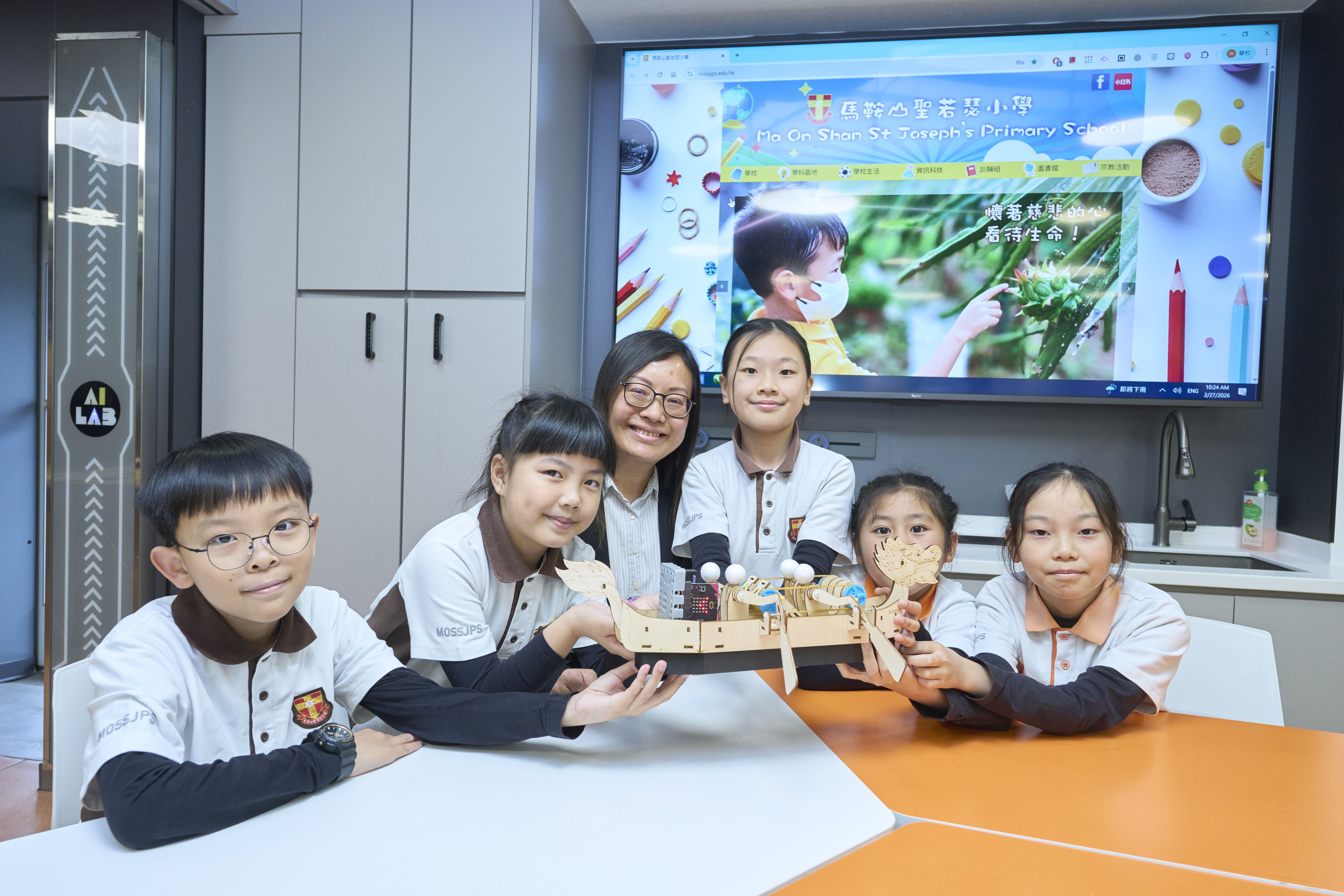
| School Development Plan | : | 1. To use diversified learning strategies, such as differentiated instructions, to cater for learner diversity; 2. To strengthen e-learning strategies by using AI technologies to promote interactive learning and self-directed learning; 3. To develop diversified teaching activities and adopt various teaching methods to help students develop their potential and generic skills; 4. To utilise external resources such as QEF to develop school-based e-Learning curriculum and cross-curricular curriculum; 5. To create a positive campus atmosphere, promote the positive development of students' physical, mental and spiritual health and uphold the Franciscan spirit of ‘minority and fraternity’ and improve spiritual quality. |
| Teacher Professional Training & Development | : | Teacher professional development programmes are organized to raise their teaching capacity. |
| Others | : | Students attained a wide range of Inter-schools competition awards, including Shatin District Inter-Primary School Volleyball Competition (Boys), Schools Dance Festival, Hong Kong Schools Music Festival, Hong Kong School Drama Festival, Mathematics, STEAM, information technology, arts, sports, etc. |
 School Map
Last revision date:01 September 2026


