 Primary School Profiles 2026


 Primary School Profiles 2026
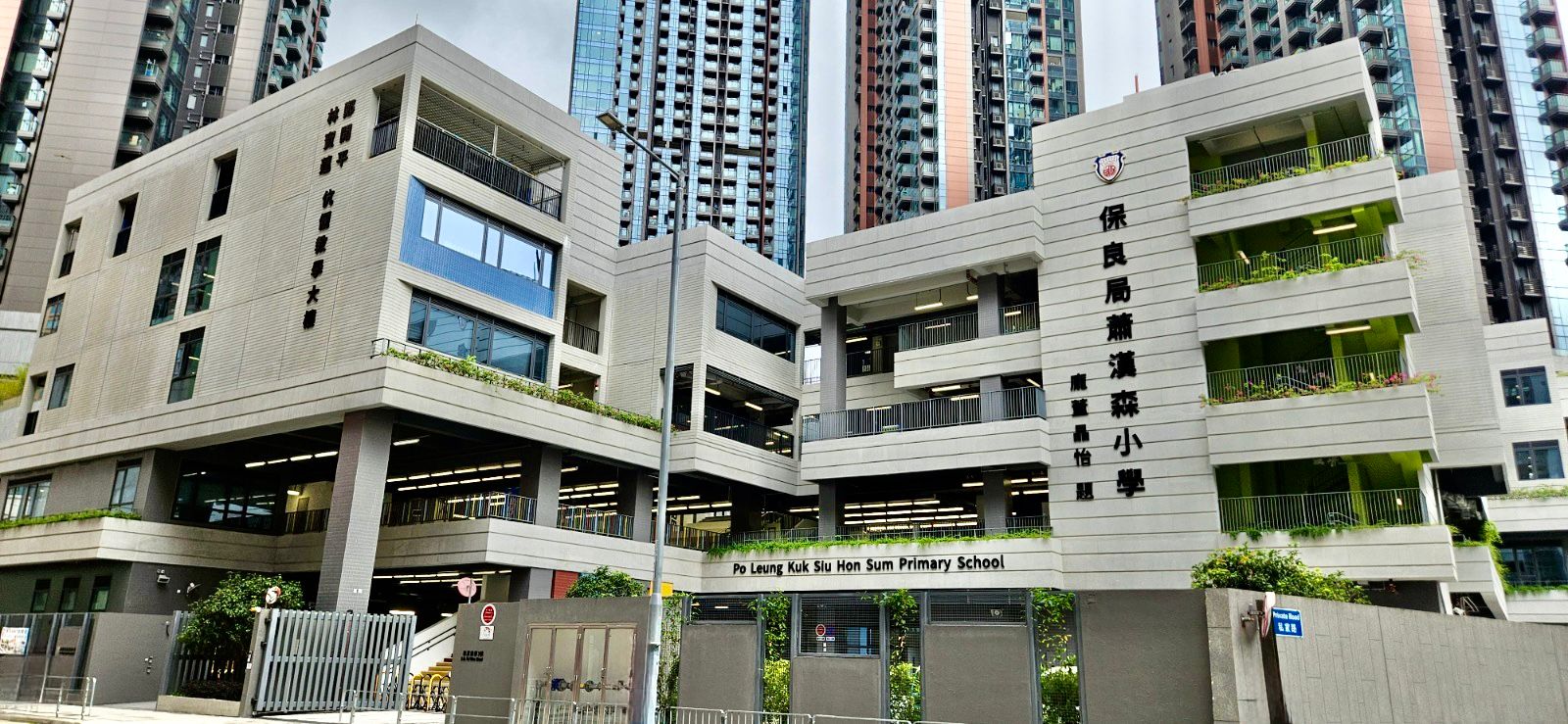
| Address: | 3 Au Pui Wan Street, Fotan, Shatin, N.T. | |||
| Phone: | 26041966 | Email: | info@plkshs.edu.hk | |
| Fax: | 26062304 | Website: | http://www.plkshs.edu.hk | |
 School Information
| Supervisor/ Chairman of Management Committee | : | Dr. Tam Yuk Ching Jenny |
| School Head | : | Mr. Li Chi Shing |
| Incorporated Management Committee been established? | : | Established |
| Percentage of School Supervisor and Managers / Chairperson and Members of School Management Committee (SMC) of Government Schools Fulfilling the Training Targets | : | 64% |
| School Type | : | Aided Whole Day |
| Student Gender | : | Co-ed |
| Sponsoring Body | : | Po Leung Kuk |
| Religion | : | Not Applicable |
| Year of Commencement of Operation | : | 1980 |
| School Motto | : | "Love, Respect, Diligence and Integrity" |
| Area Occupied by the School | : | About 4700 Sq. M |
| Through-train Secondary School | : | - |
| Feeder Secondary School | : | - |
| Nominated Secondary School | : | - |
| Medium of Instruction | : | Chinese |
| School Bus Service | : | School Bus |
| Parent-Teacher Association | : | Yes |
| Past Students' Association/Alumni Association | : | Yes |
| 4Rs Mental Health Charter | : | Yes |
| Whole School Health Programme | : | Pledged School |
 2026/2027 Annual School Charges
| School Fee | : | - |
| Tong Fai | : | - |
| PTA Fee | : | $10 |
| Approved Charges for non-standard items | : | $470 |
| Other Charges | : | - |
 School Facilities
| Number of Classroom(s) | : | 24 |
| Number of School Hall(s) | : | 1 |
| Number of Playground(s) | : | 4 |
| Number of Library(ies) | : | 1 |
| Special Rooms | : | STEAM Room, Language Room, Music Room, Student Activity Room, Multi-Purpose Room, Small Group Teaching Rooms, Computer Room and Visual Arts Room, etc. |
| Facility(ies) for Supporting Students with Special Educational Needs | : | Accessible lift and Accessible toilet. |
| Others | : | - |
 Teaching Staff Information (Including School Head) in the 2025/2026 school year
| Number of teaching posts in the approved establishment | : | 46 |
| Total number of teachers in the school | : | 49 |
| Qualifications and professional training (%) | ||
| Had Received Teacher Training | : | 98% |
| Bachelor Degree | : | 98% |
| Master/ Doctorate Degree or above | : | 51% |
| Special Education Training | : | 76% |
| Years of Experience (%) | ||
| 0 - 4 years | : | 8% |
| 5 - 9 years | : | 25% |
| 10 years or above | : | 67% |
 Class Structure
| 2025/26 school year | ||
| P1 Number of classes | : | 4 |
| P2 Number of classes | : | 4 |
| P3 Number of classes | : | 4 |
| P4 Number of classes | : | 4 |
| P5 Number of classes | : | 4 |
| P6 Number of classes | : | 4 |
| Total | : | 24 |
| 2026/27 school year (Based on the number of classes approved by EDB in 2026) | ||
| P1 Number of classes | : | 4 |
| P2 Number of classes | : | 4 |
| P3 Number of classes | : | 4 |
| P4 Number of classes | : | 4 |
| P5 Number of classes | : | 4 |
| P6 Number of classes | : | 4 |
| Total | : | 24 |
| Mode of teaching at different levels | ||
| We motivate students to arouse their learning interests and develop their abilities and potential through cooperative learning and self-directed learning. Teachers co-teaching for some languages and mathematics lessons. Besides, we have language and Mathematics tutorial classes at the last lesson on Mondays, Wednesdays and Thursdays. | ||
| Remarks | ||
| - | ||
 Performance Assessment
| Applicable to P1 only | ||
| Number of test(s) per year | : | 0 |
| Number of exam(s) per year | : | 2 |
| Replace tests and examinations with diversified assessments in the first term of P1 | : | Yes |
| Applicable to P2 to P6 only | ||
| Number of test(s) per year | : | 0 |
| Number of exam(s) per year | : | 4 |
| Applicable to P1 to P6 | ||
| Formulate appropriate school-based assessment and assignment policies, inform parents of related arrangements, and collect views from teachers, students and parents regularly (at least once per school year) for ongoing review and optimisation of the school assessment and assignment policies | : | Yes |
| Upload the school-based assessment policy onto the school webpage for information of the public and stakeholders | : | Yes |
| Upload the school-based assignment policy onto the school webpage for information of the public and stakeholders | : | Yes |
| Diversified Assessment for Learning | : | Formative assessments are conducted in the 1st term to evaluate primary one students' learning outcomes. In addition, diversified assessments are also used in all subjects at all levels to assess students' learning effectiveness, such as summative assessments, project studies, self-assessments/ peer assessments and school-based English reading ability assessments. |
| Avoid arranging tests or examinations immediately after long holidays in order to let students take more rest during the holidays | : | Yes |
| Arrange the timetable flexibly according to the school context, with a tutorial session provided in the afternoon as far as possible for students to finish some of their homework under teachers’ guidance | : | Yes |
| Streaming arrangement | : | Mixed ability classes from P.1 to P.6. |
 School Life
| Number of school days per week | : | 5 |
| Number of periods per day | : | 9 |
| Duration of each normal period | : | 35 |
| School starts at | : | 8:10 AM |
| School ends at | : | 3:00 PM |
| Lunch break | : | 12:20 - 1:15 |
| Lunch arrangement | : | Provided by designated supplier and arranged by parents. |
| Healthy school life | : | 1. Participate in "Fruit Day" programme which is held by Department of Health and Education Bureau. 2. Set up Lunch Boxes Quality Control Committee which consists of teachers and parents. 3. Provide nutritious lunchboxes for students. For students who order lunchboxes, the catering company will provide seasonal fruit once a week. 4. Join sportACT Award Scheme. 5. Participate 4Rs Mental Health Charter. |
| Remarks | : | We have life-wide learning period, library lesson and understanding adolescent project. Students can participate in various cross-curricular activities every week, in which some professional tutors execute experiential learning opportunities for students. |
 Life-wide Learning
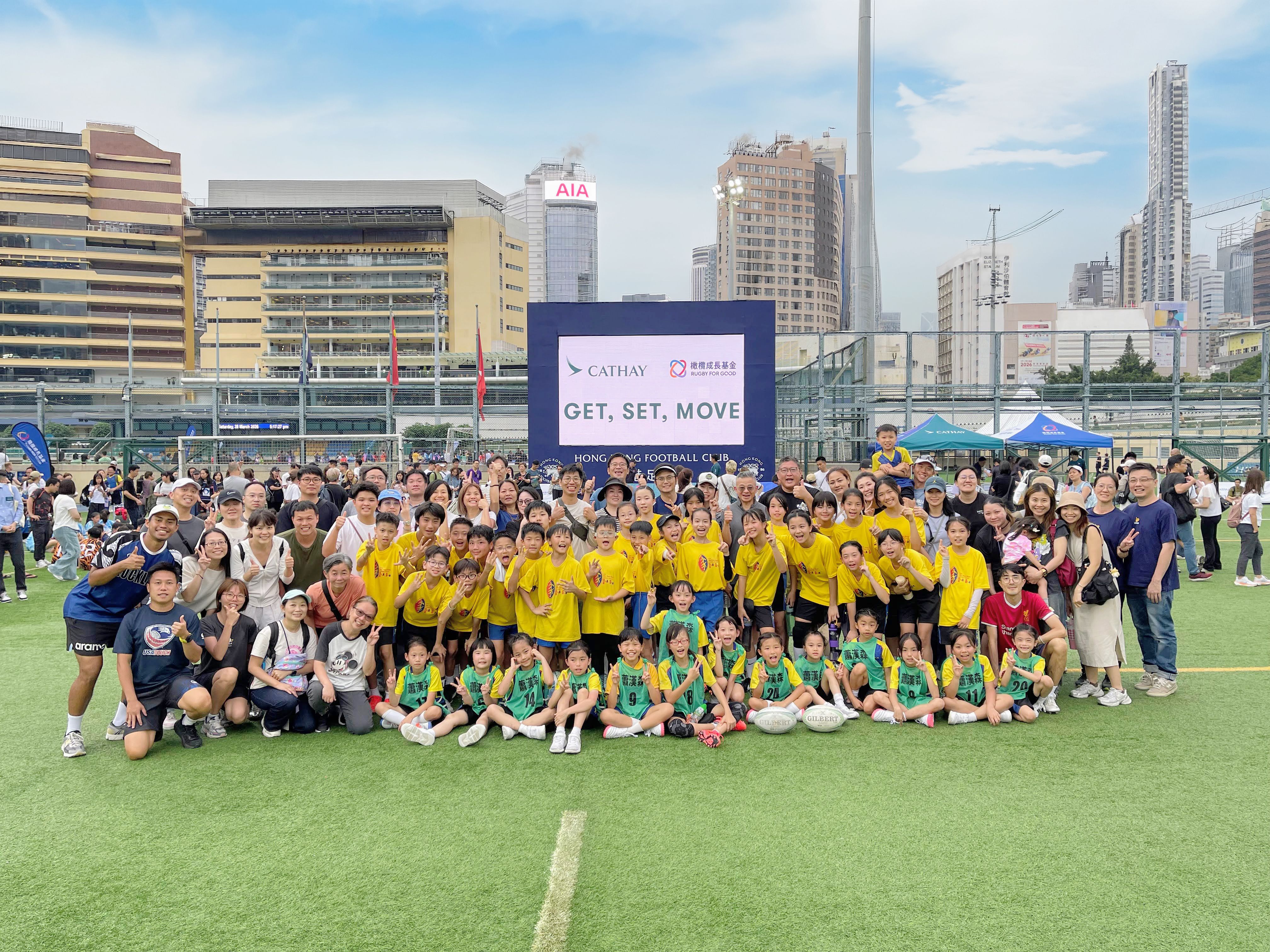
| Handbell, Chinese Calligraphy, Light Clay, Rugby, Drama, Puppetry, FILM IT, Little anchor, Cantonese Opera, Coding and Programming, Chinese Dance, Basketball, Dodgebee, Creative Writing, Build a Robot, Table Tennis, Science classes, 3D Printing, Hairdressing, Flag-Guards, Odyssey of the Mind, Choir, Brass Band and Musical Instrumental classes, Song & Dance Troupe. |
 School Mission
| We provide an all-rounded education comprising moral, intellectual, physical, social and aesthetic aspects for our students' whole-person development in order to ignite students' potential. |
 School Characteristics
| School Management | ||
| School Management Organisation | : | The school administrative staff comprises the principal and administrative team members who are responsible for the formulation, implementation and evaluation of school plans. All teachers are regularly consulted via the school's staff meetings before the 3-year developmental plans are implemented. Various evaluation tools are used to review the implementation and effectiveness of the plans. |
| Incorporated Management Committee / School Management Committee/ Management Committee | : | The IMC was set up in May 2013. Including members from the Po Leung Kuk, school principal, teacher representatives, parent representatives and outside school independent professionals. |
| School Green Policy | : | Green School. |
| School's Major Concerns | : | We Learn, We Play & We Care. |
| Learning and Teaching Plan | ||
| Learning & Teaching Strategies | : | 1. Life-wide learning. 2. Flexibility in timetabling arrangements. 3. Cross-curricular Activity Day, Subject theme days/ interdisciplinary activities. 4. Develop STEAM education. 5. School-based Chinese literature and cultural curriculum and English reading curriculum. 6. School-based self-directed learning tasks, self-directed pre-lesson and extended tasks. |
| Development of Major Renewed Emphases of the Primary Education Curriculum | : | 1. National Identity 2. Proper Values and Attitudes 3. Knowledge of Key Learning 4. Language Skills 5. Generic Skills 6. Reading and Information Literacy 7. Healthy Lifestyle |
| Development of Generic Skills | : | Cultivate students' generic abilities through life-wide learning experiences, interdisciplinary learning, and project learning. |
| Cultivation of Proper Values, Attitudes and Behaviours | : | 1. Through morning assemblies, growth education and life-planning curriculum to foster students' positive values, attitudes and behaviours. 2. Deepen student behaviour through different all-round learning activities and practical services inside and outside the classrooms. 3. Cultivate students' national identity through understanding the country and appreciating Chinese culture. |
| Student Support | ||
| Whole School Approach to Catering for Learner Diversity | : | 1. Talent pool. 2. PM Reading Scheme. 3. Co-teaching & Remedial Classes. |
| Whole School Approach to Integrated Education | : | Our school is committed to promoting an inclusive school culture through early identification and intervention for students with special educational needs (SEN). Our core members of the Student Support Team are the Special Educational Needs Coordinators (SENCO), the School-based educational psychologist (SBEP), the school-based speech therapist(SBST) and the Special Educational Needs Support Teachers (SENSTs). Our school flexibly and strategically deploys the Learning Support Grant (LSG) to support the students concerned. Non-governmental organisations are also invited to conduct individual or group training to provide more comprehensive services. |
| Curriculum Tailoring and Adaptation | : | Homework adaptation, special arrangements for internal examinations for SEN students. School-based Curriculum Integration, School-based Project Learning Curriculum, Support Measures for academically gifted and Under-privileged students. |
| Home-school Co-operation and School Ethos | ||
| Home-School Co-operation | : | 1. Parents and Teachers Association. 2. Publish the newsletter, 'SUM SING'. |
| School Ethos | : | 1. Arouse learning incentives and develop students' learning skills by creating learning opportunities and an experiential learning environment. 2. Borden students' learning experience through various holistic curricula and diversified activities. Extend students' learning outside the classroom. 3. Strengthen students' learning skills and extend their abilities for self-directed learning. 4. Sustain value education and develop students' interpersonal skills through various learning experiences. 5. Cultivate students' positive values, behaviours and attitudes for their personal growth and development. |
| Future Development | ||
| School Development Plan | : | 1. Provide diverse learning experiences, including outdoor education, field trips, community services and overseas learning trips to expand students' horizons. 2. Deepen students' self-directed learning to enhance learning effectiveness. 3. Promote national education to enhance students' national awareness and sense of belonging. 4. Promote interdisciplinary learning among different subjects to foster students to combine and apply knowledge and skills. 5. Promote STEAM and Digital education to build up students' innovation and technology capabilities. |
| Teacher Professional Training & Development | : | 1. Teachers participate in professional training and courses to pursue professional excellence. 2. Each subject participates in professional learning communities and school-based support services to enhance subject professional knowledge and improve teaching practice capabilities. 3. Teachers participate in professional learning communities and seek opportunities for further professional development of subject knowledge through regular sharing, mutual learning and exchange of experiences. |
| Others | : | 1.There are various kinds of scholarships every academic year. 2.Each year, the band, choir, drama, solo recitation, rugby, STEAM, and other programs achieve excellent results. 3.Annual study tours are organized for participants from both Mainland and other regions. |
 School Map
Last revision date:01 September 2026


