 Primary School Profiles 2026


 Primary School Profiles 2026

| Address: | 35 Ning Tai Road, Ma On Shan, Shatin, N.T. | |||
| Phone: | 26048487 | Email: | info@skhmoshs.edu.hk | |
| Fax: | 26309855 | Website: | https://www.skhmoshs.edu.hk | |
 School Information
| Supervisor/ Chairman of Management Committee | : | Mr. Tong Kai Hong Anthony |
| School Head | : | Ms. Lau Hoi Chi |
| Incorporated Management Committee been established? | : | Established |
| Percentage of School Supervisor and Managers / Chairperson and Members of School Management Committee (SMC) of Government Schools Fulfilling the Training Targets | : | 100% |
| School Type | : | Aided Whole Day |
| Student Gender | : | Co-ed |
| Sponsoring Body | : | Anglican (Hong Kong) Primary Schools Council Limited |
| Religion | : | Protestantism / Christianity |
| Year of Commencement of Operation | : | 2000 |
| School Motto | : | Not to be served, but to serve |
| Area Occupied by the School | : | About 10700 Sq. M |
| Through-train Secondary School | : | - |
| Feeder Secondary School | : | - |
| Nominated Secondary School | : | - |
| Medium of Instruction | : | Chinese |
| School Bus Service | : | School Bus |
| Parent-Teacher Association | : | Yes |
| Past Students' Association/Alumni Association | : | Yes |
| 4Rs Mental Health Charter | : | Yes |
| Whole School Health Programme | : | Action School |
 2026/2027 Annual School Charges
| School Fee | : | - |
| Tong Fai | : | - |
| PTA Fee | : | $50 |
| Approved Charges for non-standard items | : | $470 |
| Other Charges | : | - |
 School Facilities
| Number of Classroom(s) | : | 30 |
| Number of School Hall(s) | : | 1 |
| Number of Playground(s) | : | 3 |
| Number of Library(ies) | : | 1 |
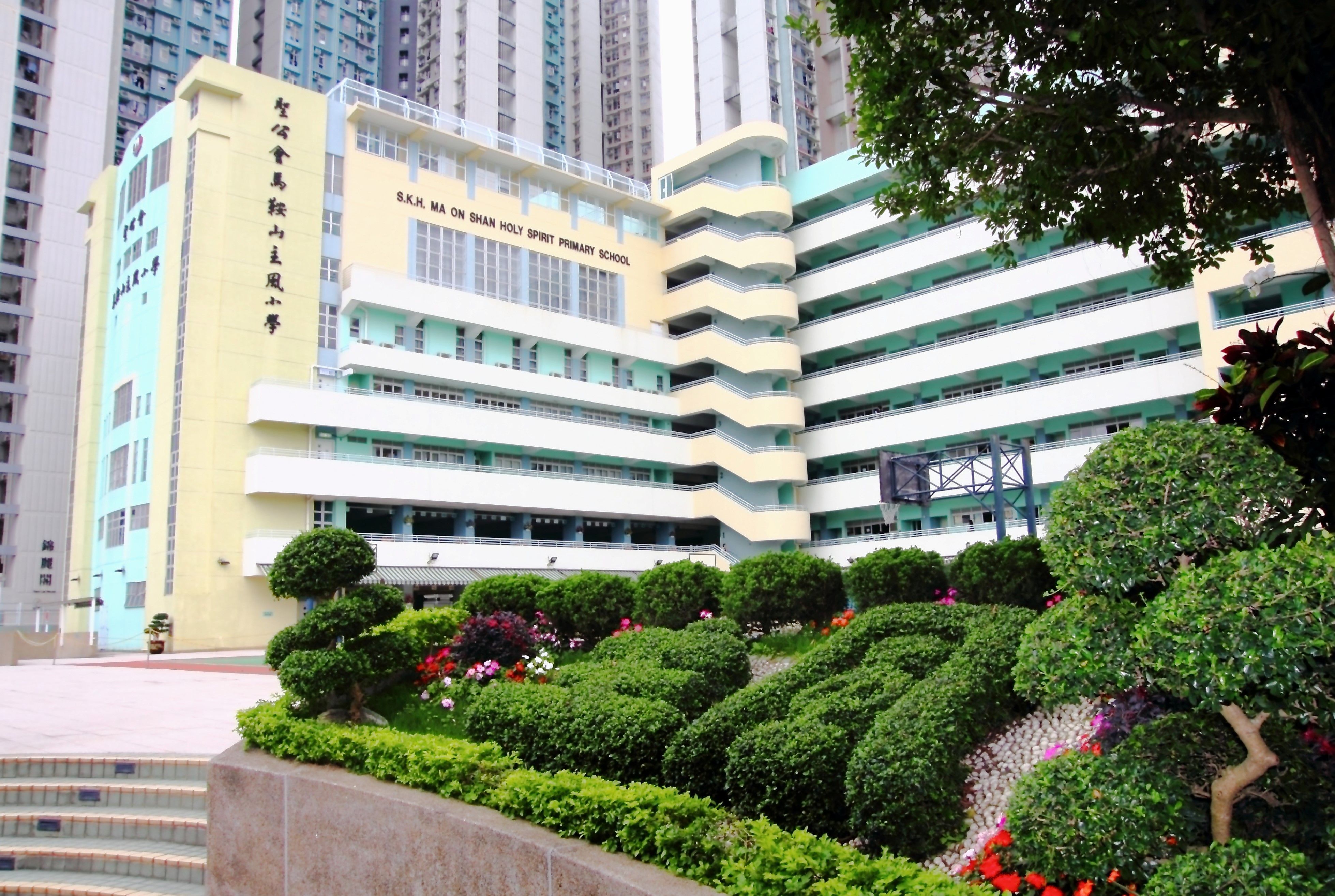
| Special Rooms | : | Computer Room, General Studies Room, Conference Room, English Room, Music Room, Art Room, STEAM Room, Campus TV Room, Remedial Teaching Room, Dancing Room. |
| Facility(ies) for Supporting Students with Special Educational Needs | : | Ramp, Accessible lift, Accessible toilet and Tactile guide path plan. |
| Others | : | Guidance Activity and Interview Room, Student Activity Centre, Chapel, Multi-purpose Activity Area. |
 Teaching Staff Information (Including School Head) in the 2025/2026 school year
| Number of teaching posts in the approved establishment | : | 55 |
| Total number of teachers in the school | : | 57 |
| Qualifications and professional training (%) | ||
| Had Received Teacher Training | : | 100% |
| Bachelor Degree | : | 98% |
| Master/ Doctorate Degree or above | : | 45% |
| Special Education Training | : | 79% |
| Years of Experience (%) | ||
| 0 - 4 years | : | 7% |
| 5 - 9 years | : | 15% |
| 10 years or above | : | 78% |
 Class Structure
| 2025/26 school year | ||
| P1 Number of classes | : | 5 |
| P2 Number of classes | : | 5 |
| P3 Number of classes | : | 5 |
| P4 Number of classes | : | 5 |
| P5 Number of classes | : | 5 |
| P6 Number of classes | : | 5 |
| Total | : | 30 |
| 2026/27 school year (Based on the number of classes approved by EDB in 2026) | ||
| P1 Number of classes | : | 5 |
| P2 Number of classes | : | 5 |
| P3 Number of classes | : | 5 |
| P4 Number of classes | : | 5 |
| P5 Number of classes | : | 5 |
| P6 Number of classes | : | 5 |
| Total | : | 30 |
| Mode of teaching at different levels | ||
| Small class teaching is implemented. It allows students to learn through group activities and promotes interaction between teachers and students and among students themselves. | ||
| Remarks | ||
| At most two classes in each level use Putonghua as the medium of instruction in learning Chinese Language. | ||
 Performance Assessment
| Applicable to P1 only | ||
| Number of test(s) per year | : | 0 |
| Number of exam(s) per year | : | 2 |
| Replace tests and examinations with diversified assessments in the first term of P1 | : | Yes |
| Applicable to P2 to P6 only | ||
| Number of test(s) per year | : | 0 |
| Number of exam(s) per year | : | 3 |
| Applicable to P1 to P6 | ||
| Formulate appropriate school-based assessment and assignment policies, inform parents of related arrangements, and collect views from teachers, students and parents regularly (at least once per school year) for ongoing review and optimisation of the school assessment and assignment policies | : | Yes |
| Upload the school-based assessment policy onto the school webpage for information of the public and stakeholders | : | Yes |
| Upload the school-based assignment policy onto the school webpage for information of the public and stakeholders | : | Yes |
| Diversified Assessment for Learning | : | Formative assessment will be held in the first term of Primary One instead of an examination. Diversified assessment for different subjects. Apart from examinations, formative assessments, project learning, book report, attitude assessments, as well as students' self and peer evaluation are also applied. |
| Avoid arranging tests or examinations immediately after long holidays in order to let students take more rest during the holidays | : | Yes |
| Arrange the timetable flexibly according to the school context, with a tutorial session provided in the afternoon as far as possible for students to finish some of their homework under teachers’ guidance | : | Yes |
| Streaming arrangement | : | Adopt the mixed placement system. |
 School Life
| Number of school days per week | : | 5 |
| Number of periods per day | : | 10 |
| Duration of each normal period | : | 30 |
| School starts at | : | 7:50 AM |
| School ends at | : | 2:50 PM |
| Lunch break | : | 12:40 - 1:40 |
| Lunch arrangement | : | Provided by designated supplier, arranged by parents and students bring their own meal. |
| Healthy school life | : | Our school puts emphasis on a balanced and healthy diet for students. We organize a 'Joyful Fruit & Veg Week' every year to encourage students to eat more fruits and vegetables. Through booklets, we promote MVPA60. Morning exercises are conducted every day, and sports challenge stations are set up to allow students to exercise during their free time. |
| Remarks | : | Computer room, library, English Room and Guidance Activity and Interview Room are opened to students during recesses. |
 Life-wide Learning
| Intellectual development: visits, field trips, STEAM & AI learning activities and mainland and overseas visits; Values education: leadership training, authentic learning experiences; Community services: service learning, uniformed group activities such as Scout, the Boys' Brigade and the Girls' Brigade; Physical and Aesthetic Development: participating in sports training/competitions, drama, art, music; Career-related Experiences: life planning education. |
 School Mission
| Following the teachings of Jesus Christ, we undertake the mission of ‘not to be served, but to serve.’ Our aim is to cultivate in children a Christ-centered personality, instill an understanding of the Christian faith and foster their balanced development in morals, intellect, physical health, social skills, aesthetics and spirituality to achieve the goal of holistic education. This prepares them to engage in lifelong learning, critical thinking, exploration, innovation and adaptability, instilling in them confidence, a spirit of service and a willingness to contribute to the prosperity and progress of society. |
 School Characteristics
| School Management | ||
| School Management Organisation | : | Our school is one of the primary schools supervised by Anglican (Hong Kong) Primary Schools Council Limited. School policies are supervised by the School Management Committee. Under the leadership of the principal and the vice-principals, there are twelve administrative groups which comprise functional groups, with clear division of labour. A parent and teacher association and Alumni association which act as a bridge between alumni, parents and teachers by enhancing the communication between them. |
| Incorporated Management Committee / School Management Committee/ Management Committee | : | The IMC of SKH Ma On Shan Holy Spirit Primary School |
| School Green Policy | : | 1. Setting up an Environmental Protection Group 2. Promoting the reuse of eco-friendly paper 3. Recycling school uniforms 4. Recycling English storybooks |
| School's Major Concerns | : | 1. Foster a diverse reading culture to develop students’ reading literacy. 2. Strengthen values education to cultivate students’ positive thinking. |
| Learning and Teaching Plan | ||
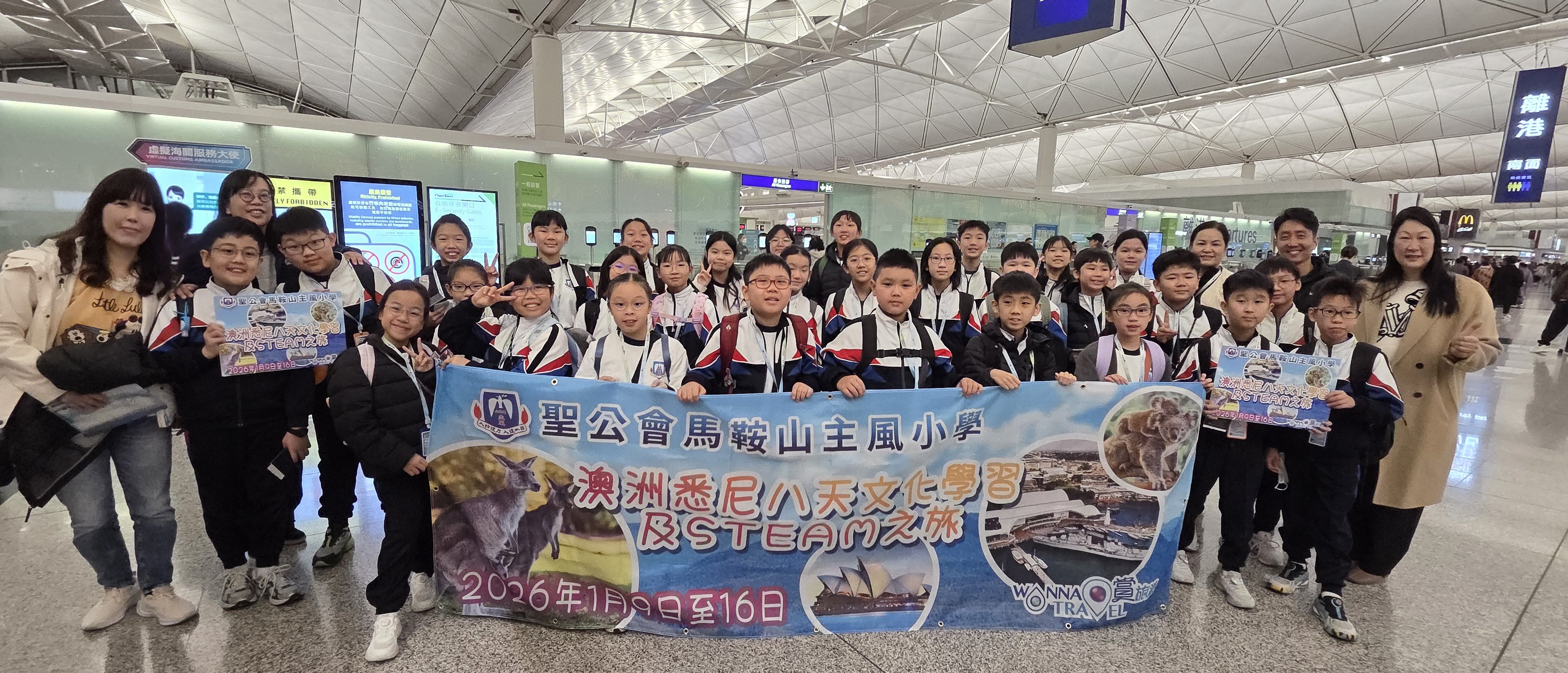
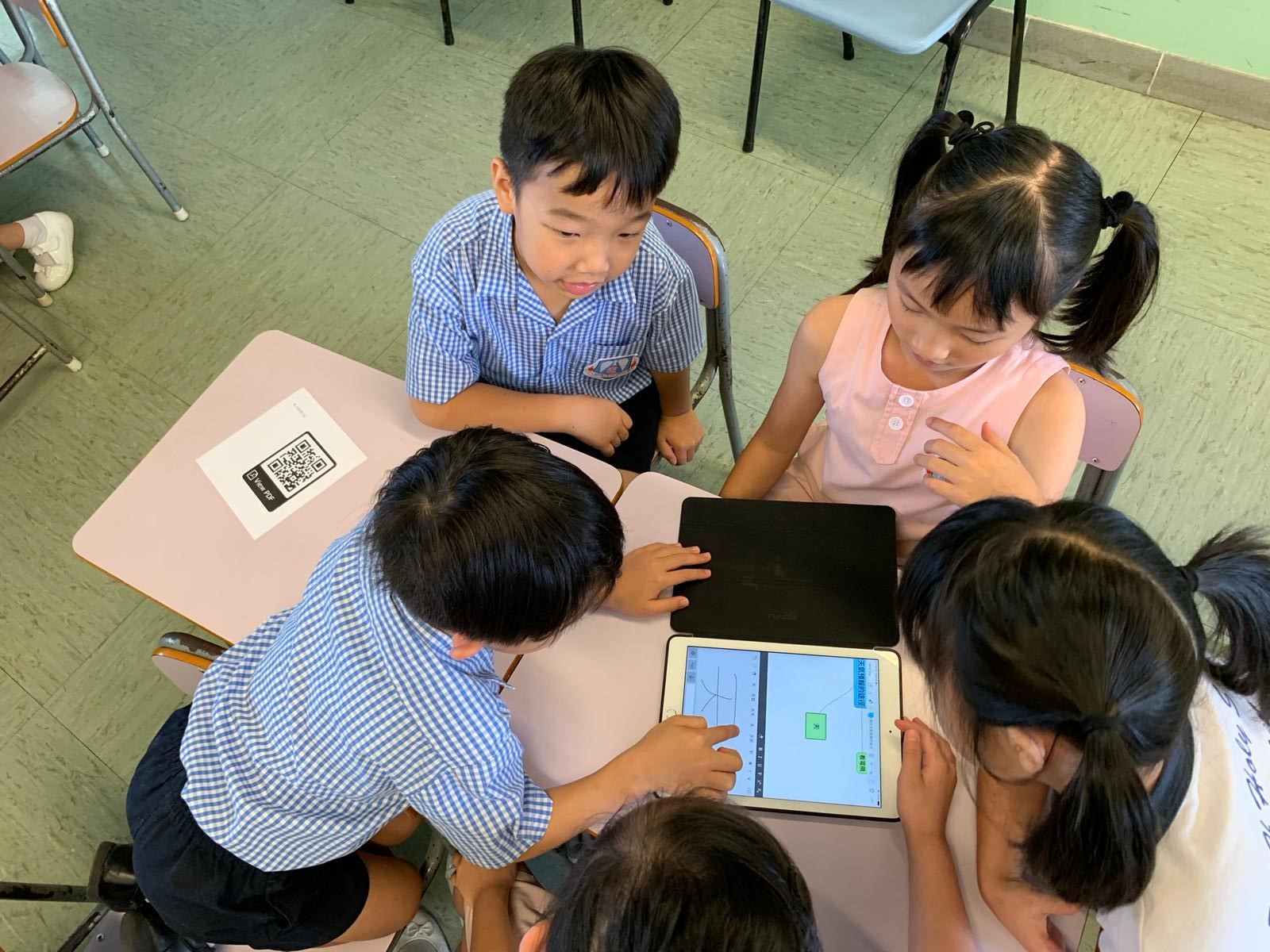
| Learning & Teaching Strategies | : | Flexible lesson timetabling: Comprehensive lessons provide both enrichment for high achievers and remedial support for those in need. In addition to activity lessons, multiple-intelligence classes offer experiences beyond the formal curriculum, enriching learning and broadening horizons. STEAM and project learning: A hands-on culture, from aviation experiences to scientific inventions, is integrated with graded project learning from P.1 to P.6 to strengthen logical thinking and enquiry skills. Differentiated teaching strategies: In partnership with universities, teaching materials and assessments are adjusted according to students‘ learning differences to enhance the learning effectiveness of high-ability students. Whole-person learning: Diverse reading programmes, cross-curricular reading and overseas study tours, including Australia exchange programme and Huizhou technology programmes, extend learning beyond the classroom into the community and overseas. |
| Development of Major Renewed Emphases of the Primary Education Curriculum | : | 1. Cultivate students' values and attitudes through structured learning and all-round learning activities. 2. Reduce curriculum overlap through interdisciplinary collaboration. 3. Help students develop healthy habits, personal interests and potential, cultivating an interest in physical and artistic activities, and a balance between their physical and mental development. 4. Allow different students' potentials to be realised and provide them with sufficient opportunities and support. 5. Arrange 'hands-on' and 'brainstorming' STEAM activities for students. Strengthen students' media and information literacy, teach them to discern the authenticity of information, and use information technology and information legally and responsibly. 6. Conduct reading across the curriculum and adopt the 'organic integration' and 'natural connection' approaches in the learning objectives and contents of different subjects. 7. Adopt diversified assessment models. |
| Development of Generic Skills | : | Each subject develops students’ critical thinking, communication, self-learning and creativity through diversified learning experiences and interactive activities. Project learning enhances students’ collaboration an communication skills, while STEAM education strengthens their mathematical, IT, logical thinking and problem-solving abilities. The school integrates higher-order thinking skills from gifted education into the curriculum, combining overseas study visits and life-wide learning to enable students to apply knowledge in authentic contexts, comprehensively developing generic skills including problem-solving, information literacy and self-management. |
| Cultivation of Proper Values, Attitudes and Behaviours | : | The school adopts Spiritual and Moral Education as its framework. Through moral education lessons, national education activities (flag-raising ceremonies, 'Know Our Motherland' assemblies, Chinese Culture Day), visits to the Hong Kong Palace Museum, festive celebrations and school-based guidance activities, it nurtures proper values, civic responsibility and patriotism. Life education, sex education and healthy living programmes are integrated, while service groups, career planning, and local and overseas study tours guide students to internalise civic qualities and moral conduct through practical experience. |
| Student Support | ||
| Whole School Approach to Catering for Learner Diversity | : | Adopt a 'Three-Tier Implementation Model' to plan and implement the school-based gifted education. Include the three components of gifted education — higher-order thinking skills, creativity and personal-social competence — in the curriculum for both whole classes and pull-out classes. Set up a 'talent pool' and provide training for gifted students. Students with learning difficulties can take remedial classes or intensive remedial classes. |
| Whole School Approach to Integrated Education | : | Our school has established a Student Support Team, led by the Special Educational Needs Coordinator, to support students with special educational needs. In addition, there is a speech therapist, an educational psychologist and social workers to provide appropriate services for students in need. |
| Curriculum Tailoring and Adaptation | : | Support Measure for Academically Gifted / Under-privileged Students. |
| Home-school Co-operation and School Ethos | ||
| Home-School Co-operation | : | The purpose of establishing a Parent-Teacher Association (PTA) is to promote close collaboration between schools and families to assist students in learning and growing happily. Various types of activities are held for parents, students and teachers to participate every year. |
| School Ethos | : | In the spirit of our school motto 'Not to be served but to serve', it is our mission to provide an all-round education to nurture students to attain wellness in moral, intellectual, physical, inter-personal, aesthetic and spiritual development, as well as cultivating a proper value. We encourage students to respect their teachers and friends, be filial to their parents, and become good citizens who honor God and benefit others. |
| Future Development | ||
| School Development Plan | : | 1. Cultivate students’ interest in reading, foster positive reading attitudes, broaden their reading scope, enrich their reading experiences, comprehensively enhance their reading ability, promote a diverse reading culture, and develop their reading literacy. 2. Strengthen values education to cultivate positive thinking in students and enhance their identification with values, including national identity, sense of responsibility, law-abidingness, integrity, filial piety and unity. At the same time, strengthen students' emotional management abilities, foster a positive and optimistic attitude towards life, and promote whole-person development. 3. Through STEAM and AI-related learning activities, strengthen students’ ability to integrate and apply interdisciplinary knowledge to solve real-life problems. |
| Teacher Professional Training & Development | : | The school formulates school-based teacher training and development plans aligned with its needs to enhance learning and teaching effectiveness. Teachers are encouraged to pursue continuous professional development and join training activities. Training in teaching strategies and lesson study promotes growth and builds a professional learning community, while sharing sessions foster experience exchange and collaboration. |
| Others | : | Outstanding performance in Hong Kong Schools Speech Festival and Hong Kong Schools Music Festival. Attaining excellent results in varies extra-curricular activities including athletics, swimming, table tennis, basketball, rope skipping and STEAM etc. |
 School Map

Last revision date:01 September 2026


