 Primary School Profiles 2026

 Primary School Profiles 2026
| Address: | Siu Hong Court, Tuen Mun, N.T. | |||
| Phone: | 24651662 | Email: | tmgps@edb.gov.hk | |
| Fax: | 24643083 | Website: | http://www.tmgps.edu.hk | |
 School Information
 | Supervisor/ Chairman of Management Committee | : | Ms. Tse Yuen Ching |
| School Head | : | Ms. Wong Fung Ha |
| Incorporated Management Committee been established? | : | Not Applicable |
| Percentage of School Supervisor and Managers / Chairperson and Members of School Management Committee (SMC) of Government Schools Fulfilling the Training Targets | : | 100% |
| School Type | : | Gov't Whole Day |
| Student Gender | : | Co-ed |
| Sponsoring Body | : | Government |
| Religion | : | Not Applicable |
| Year of Commencement of Operation | : | 1982 |
| School Motto | : | Please refer to the Chinese version. |
| Area Occupied by the School | : | About 3912 Sq. M |
| Through-train Secondary School | : | - |
| Feeder Secondary School | : | - |
| Nominated Secondary School | : | South Tuen Mun Government Secondary School, Tuen Mun Government Secondary School, NTHYK Yuen Long District Secondary School |
| Medium of Instruction | : | Chinese |
| School Bus Service | : | Nanny van |
| Parent-Teacher Association | : | Yes |
| Past Students' Association/Alumni Association | : | Yes |
| 4Rs Mental Health Charter | : | Yes |
| Whole School Health Programme | : | Action School |
 2026/2027 Annual School Charges
| School Fee | : | - |
| Tong Fai | : | - |
| PTA Fee | : | 20 |
| Approved Charges for non-standard items | : | School Management Fee $100: renovate facilities, promote school activities & create better environment for students |
| Other Charges | : | - |
 School Facilities
 | Number of Classroom(s) | : | 24 |
| Number of School Hall(s) | : | 1 |
| Number of Playground(s) | : | 3 |
| Number of Library(ies) | : | 1 |
| Special Rooms | : | Computer Room, Activity Room, Multi-purpose Learning Room, Student Guidance Personnel Room, Music Room, School Broadcast Control Room, English Room, English Reading Room, Speech Therapy Room. |
| Facility(ies) for Supporting Students with Special Educational Needs | : | Ramp, Accessible lift and Accessible toilet. |
| Others | : | Air-conditioned, WiFi access and visualizer, computer & projector equipped classrooms, reading corners. |
 Teaching Staff Information (Including School Head) in the 2025/2026 school year
 | Number of teaching posts in the approved establishment | : | 44 |
| Total number of teachers in the school | : | 44 |
| Qualifications and professional training (%) | ||
| Had Received Teacher Training | : | 100% |
| Bachelor Degree | : | 98% |
| Master/ Doctorate Degree or above | : | 16% |
| Special Education Training | : | 63% |
| Years of Experience (%) | ||
| 0 - 4 years | : | 4% |
| 5 - 9 years | : | 14% |
| 10 years or above | : | 82% |
 Class Structure
 | 2025/26 school year | ||
| P1 Number of classes | : | 4 |
| P2 Number of classes | : | 4 |
| P3 Number of classes | : | 4 |
| P4 Number of classes | : | 4 |
| P5 Number of classes | : | 4 |
| P6 Number of classes | : | 4 |
| Total | : | 24 |
| 2026/27 school year (Based on the number of classes approved by EDB in 2026) | ||
| P1 Number of classes | : | 4 |
| P2 Number of classes | : | 4 |
| P3 Number of classes | : | 4 |
| P4 Number of classes | : | 4 |
| P5 Number of classes | : | 4 |
| P6 Number of classes | : | 4 |
| Total | : | 24 |
| Mode of teaching at different levels | ||
| In accordance with the EDB policies, the school encourages teacher-student interaction and student-student interaction in the classroom and caters for student diversity and learning experiences, so as to develop students' self-learning ability and communication skills. | ||
| Remarks | ||
| Reading, Campus TV broadcast, moral education, extra-curricular activities; access to computer room, reading room and self-learning corner; promote MVPA60 to develop an active and healthy school campus. | ||
 Performance Assessment
 | Applicable to P1 only | ||
| Number of test(s) per year | : | 0 |
| Number of exam(s) per year | : | 0 |
| Replace tests and examinations with diversified assessments in the first term of P1 | : | Yes |
| Applicable to P2 to P6 only | ||
| Number of test(s) per year | : | 1 |
| Number of exam(s) per year | : | 2 |
| Applicable to P1 to P6 | ||
| Formulate appropriate school-based assessment and assignment policies, inform parents of related arrangements, and collect views from teachers, students and parents regularly (at least once per school year) for ongoing review and optimisation of the school assessment and assignment policies | : | Yes |
| Upload the school-based assessment policy onto the school webpage for information of the public and stakeholders | : | Yes |
| Upload the school-based assignment policy onto the school webpage for information of the public and stakeholders | : | Yes |
| Diversified Assessment for Learning | : | Assessments are diverse and in the form of tests, examinations, student self-evaluation, parent evaluation, electronic learning platform and Apps, project observation, learning experience, information research, oral report, group discussion and interview etc. in order to enhance the assessment literacy of students. |
| Avoid arranging tests or examinations immediately after long holidays in order to let students take more rest during the holidays | : | Yes |
| Arrange the timetable flexibly according to the school context, with a tutorial session provided in the afternoon as far as possible for students to finish some of their homework under teachers’ guidance | : | Yes |
| Streaming arrangement | : | Mixed abilities. |
 School Life
 | Number of school days per week | : | 5 |
| Number of periods per day | : | 9 |
| Duration of each normal period | : | 35 |
| School starts at | : | 8:15 AM |
| School ends at | : | 3:05 PM |
| Lunch break | : | 12:20 - 1:20 |
| Lunch arrangement | : | Provided by designated supplier, arranged by parents and bring their own lunch. |
| Healthy school life | : | The Healthy School Life Scheme aims at improving students' physical and mental health by providing them with talks, reading, regular exercise, moral education, educational visits and physical fitness scheme etc. |
| Remarks | : | - |
 Life-wide Learning
 | Arrange diversified life-wide learning activities for students, such as competitions, school teams, after-school activities, elite programmes and educational visits to develop their potentials for their all-round-development. |
 School Mission
 | - Provide a good environment to enhance students' learning, self-esteem, positive thinking, potential and self-learning initiative. - Ignite students' desire to learn, foster their communication skills and creativity, encourage them to take responsibilities and become a good citizen in the future. |
 School Characteristics
 | School Management | ||
| School Management Organisation | : | The school administration and the subject panels develop the school plans through collaborative efforts and with transparency and accountability. |
| Incorporated Management Committee / School Management Committee/ Management Committee | : | The "School Management Committee" was established in September 1999. All members are dedicated to promote the school's continuous development. |
| School Green Policy | : | The moral and civic education team works with other teams to promote school's environmental education, such as the "Student Environmental Protection Ambassador" scheme, Community Planting Day and energy saving activities. |
| School's Major Concerns | : | 1. Deeply develop students' habits and abilities for self-directed learning. 2. Continuously cultivate students' positive values and attitudes. |
| Learning and Teaching Plan | ||
| Learning & Teaching Strategies | : | 1. Chinese Language: Implement "From Reading to Writing" teaching strategies to strengthen students' Chinese language proficiency and learning effectiveness. 2. English Language: Implement "Space Town Literacy Programme in P.1-P.3. Integrate e-learning and self-directed learning elements into school-based "From Reading To Writing" curriculum to promote English language proficiency and learning effectiveness in P.4-P.6. 3. Maths: Implement e-learning to promote T/S and S/S interaction, students' interest and learning effectiveness. 4. General Studies: Develop STEAM education. Strengthen students' comprehensive abilities and develop students' creative thinking, co-operative and problem-solving skills. 5. Science: Cultivating students' scientific literacy and problem-solving skills through inquiry-based learning and diverse activities. 6. Humanities: Cultivating students' values and national identity through inquiry-based learning and discussion. |
| Development of Major Renewed Emphases of the Primary Education Curriculum | : | 1. Strengthen Values Education (including Life Education, National Education and National Security Education) 2. Refine the school timetable to optimize learning hours thereby creating space for teachers and students. 3. This enriches students' all-round learning experience, provides career planning education, and promotes holistic development. 4. Persist to cater for learner diversity. 5. Enhance STEAM Education and promote students' media and information literacy. 6. Implement cross-curricular learning and reading programmes. 7. Enhance assessment literacy to promote teaching and learning effectiveness. |
| Development of Generic Skills | : | Through school-based curriculum, we provide students with different learning experiences, such as cross-curricular thematic learning tasks, project learning and life-wide learning activities to develop students' generic skills and positive attitude. |
| Cultivation of Proper Values, Attitudes and Behaviours | : | Cultivating students' positive values and attitudes through co-curricular activities on moral education, whole person development and school-based counselling services. Students are encouraged to put them into practice in real life situations. |
| Student Support | ||
| Whole School Approach to Catering for Learner Diversity | : | Implement a "Whole School Approach" to provide support groups and programmes, such as remedial teaching, sports/arts programmes, attention training and "life-wide" support to help students with diverse abilities so as to enhance their learning and boost their confidence. |
| Whole School Approach to Integrated Education | : | The "Whole School Approach" to Integrated Education is deployed to support students with special educational needs. The Special Educational Needs Coordinator (SENCO) leads the student support team including class teachers, subject teachers, school-based educational psychologist (SBEP), Student Guidance Personnel and teaching assistants to draw up plans, such as early identification and support, SBEP counselling, in-class assistance, small group learning, school-based speech therapy service, individual education plan, differentiated homework/assessments plan, "Non-governmental Organization and School Collaboration", "Jockey Club Keen and Active Kids Project", "Understanding Adolescent Project" and workshops for interpersonal social skills and stress management to support students with special educational needs. |
| Curriculum Tailoring and Adaptation | : | Through professional support programmes, refining school-based curriculum development and enhancing classroom teaching and designing effective and diversified teaching tasks and assignments with a view to enhancing students' learning effectiveness. |
| Home-school Co-operation and School Ethos | ||
| Home-School Co-operation | : | The Parent-Teacher Association has been established since 1993. It serves as a bridge between all parents and the school. Parents can join the School Management Committee to work with teachers co-operatively and help organise school activities, such as PTA annual meeting, Picnic Day, Sports Day, parents' workshop, fund-raising activities and school newsletter publication. |
| School Ethos | : | Let students study and grow up in a loving and caring environment, in order to establish their positive mind and value. Raise students' self-esteems by positive encouragement. |
| Future Development | ||
| School Development Plan | : | 1. Deeply develop students' habits and abilities for self-directed learning. 2. Continuously cultivate students' positive values and attitudes. |
| Teacher Professional Training & Development | : | Teachers attend professional development courses to promote their expertise. They co-plan with colleagues, observe lessons among peers and exchange ideas in meetings. Teachers are involved in different schemes supported by EDB or other education organisations to develop school-based curriculum and to promote teaching and learning effectiveness. |
| Others | : | To fulfill the school developmental needs, our school utilizes external resources to enhance teachers' teaching effectiveness and to provide students with diversified learning experiences. |
 School Map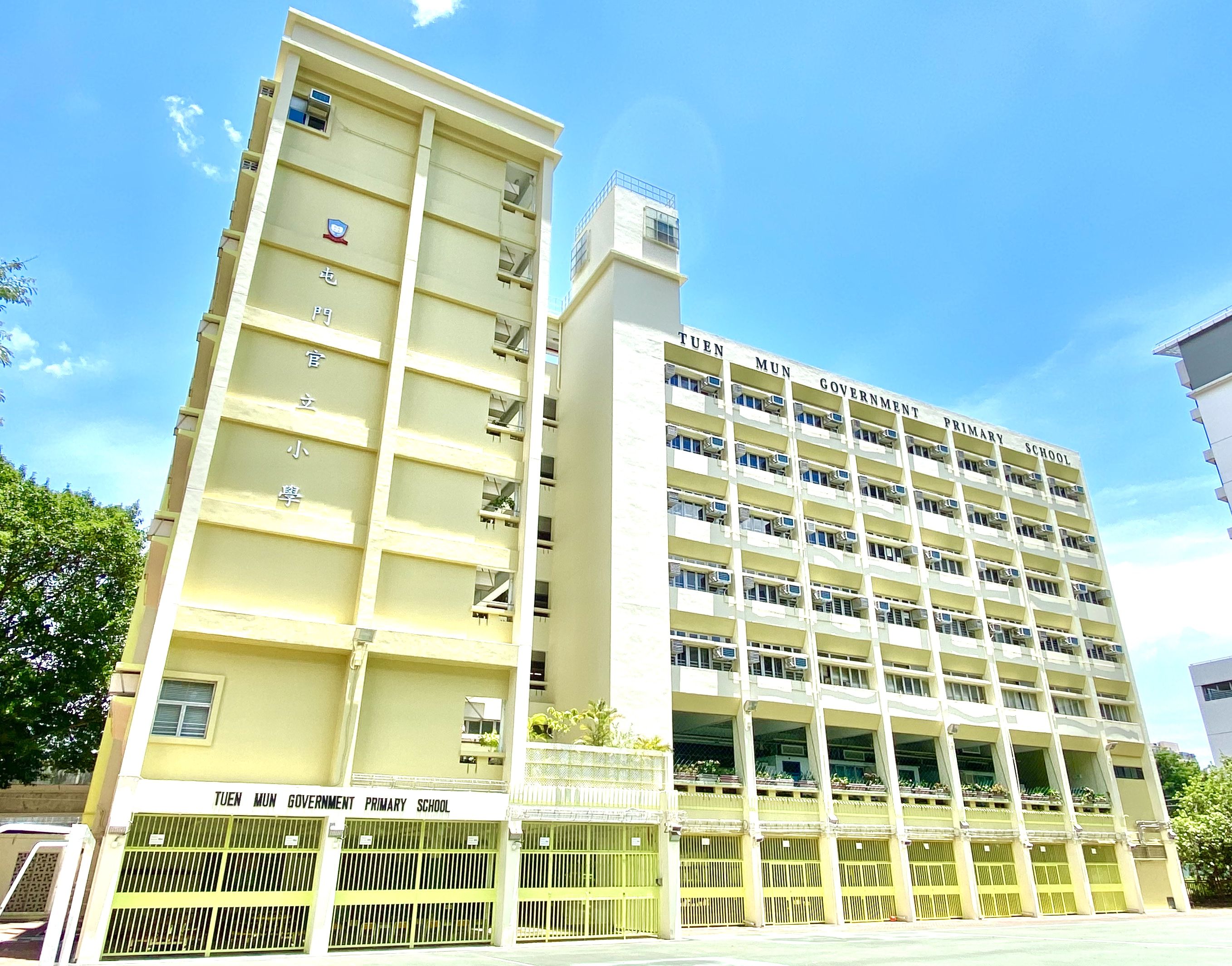
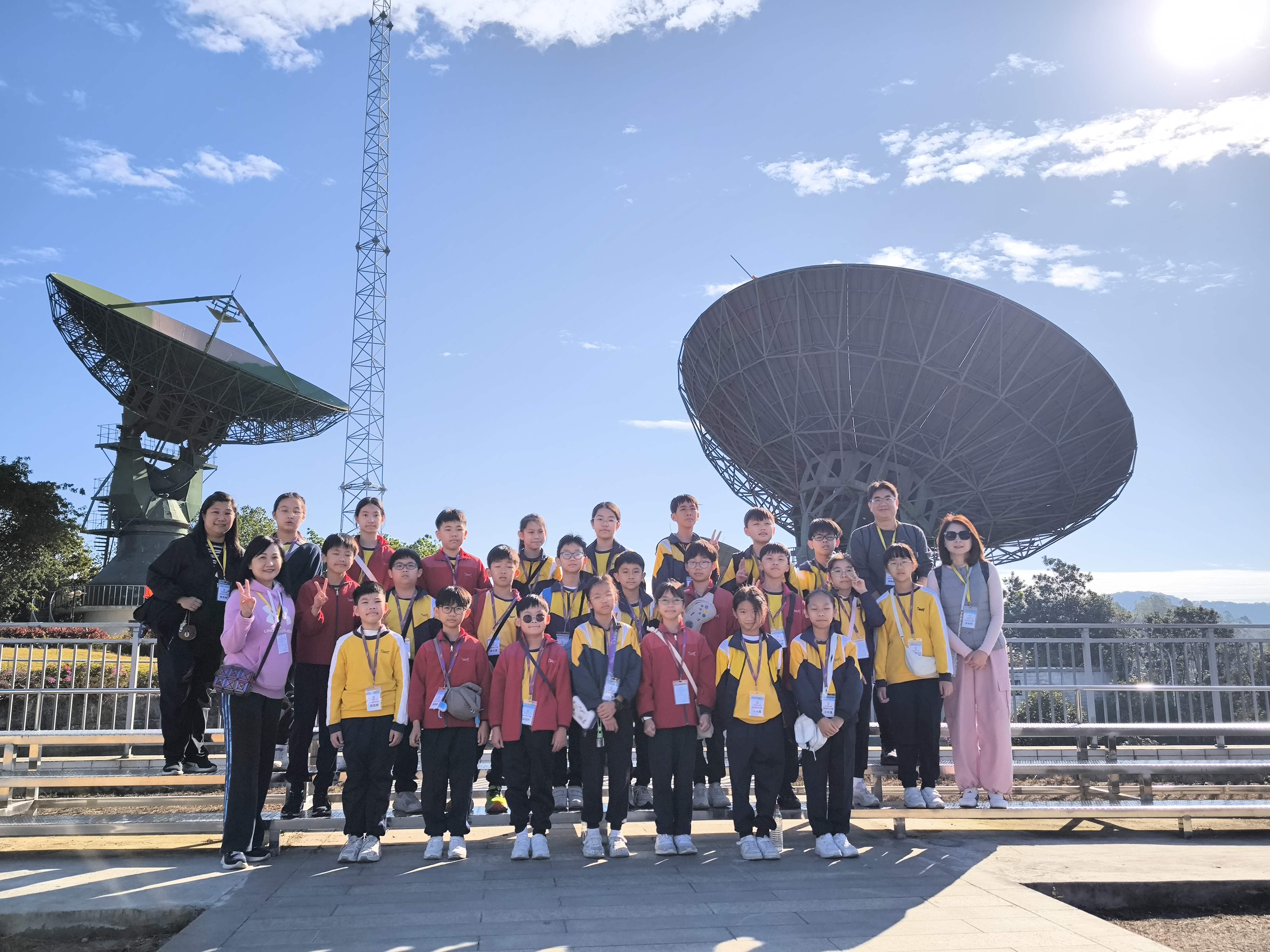
Last revision date:01 September 2026


