 Primary School Profiles 2026


 Primary School Profiles 2026

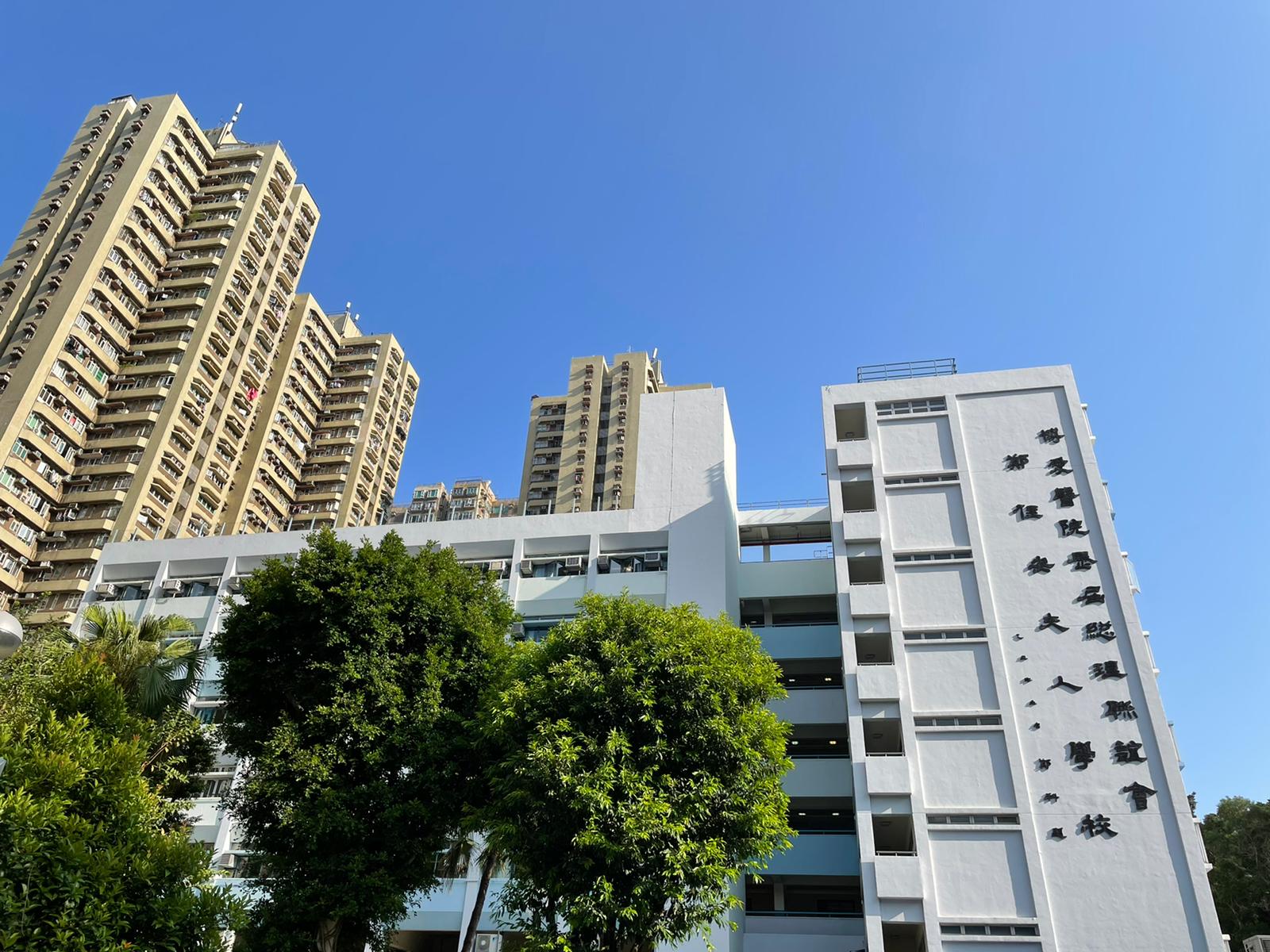
| Address: | No. 3 Tuen Lee Street, Tuen Mun, N.T. | |||
| Phone: | 24512333 | Email: | info@mcyos.edu.hk | |
| Fax: | 26183120 | Website: | http://www.mcyos.edu.hk | |
 School Information
| Supervisor/ Chairman of Management Committee | : | Mr. Kan Ho Chow, M.H. |
| School Head | : | Mr. Ho Man Hin |
| Incorporated Management Committee been established? | : | Established |
| Percentage of School Supervisor and Managers / Chairperson and Members of School Management Committee (SMC) of Government Schools Fulfilling the Training Targets | : | Not Applicable |
| School Type | : | Aided Whole Day |
| Student Gender | : | Co-ed |
| Sponsoring Body | : | The Association of The Directors And Former Directors of Pok Oi Hospital Limited |
| Religion | : | Not Applicable |
| Year of Commencement of Operation | : | 1985 |
| School Motto | : | Please refer to the Chinese version. |
| Area Occupied by the School | : | About 5000 Sq. M |
| Through-train Secondary School | : | - |
| Feeder Secondary School | : | - |
| Nominated Secondary School | : | - |
| Medium of Instruction | : | Chinese |
| School Bus Service | : | Nanny van |
| Parent-Teacher Association | : | Yes |
| Past Students' Association/Alumni Association | : | Yes |
| 4Rs Mental Health Charter | : | Yes |
| Whole School Health Programme | : | Pledged School |
 2026/2027 Annual School Charges
| School Fee | : | - |
| Tong Fai | : | - |
| PTA Fee | : | $30 |
| Approved Charges for non-standard items | : | $450 |
| Other Charges | : | - |
 School Facilities
| Number of Classroom(s) | : | 24 |
| Number of School Hall(s) | : | 1 |
| Number of Playground(s) | : | 2 |
| Number of Library(ies) | : | 1 |
| Special Rooms | : | Visual Art Room, Music Room, Guidance Room, Remedial Learning Room, English Room, Science Lab, 4Rs Mental Wellness Corner, STEM Lab, Conference Room. |
| Facility(ies) for Supporting Students with Special Educational Needs | : | Ramp, Accessible lift and Accessible toilet. |
| Others | : | Interactive whiteboard, Projectors for all classrooms & special rooms, YO Park, Multi function outdoor theatre, organic farm, butterfly garden etc. |
 Teaching Staff Information (Including School Head) in the 2025/2026 school year
| Number of teaching posts in the approved establishment | : | 46 |
| Total number of teachers in the school | : | 50 |
| Qualifications and professional training (%) | ||
| Had Received Teacher Training | : | 100% |
| Bachelor Degree | : | 100% |
| Master/ Doctorate Degree or above | : | 22% |
| Special Education Training | : | 28% |
| Years of Experience (%) | ||
| 0 - 4 years | : | 32% |
| 5 - 9 years | : | 24% |
| 10 years or above | : | 44% |
 Class Structure
| 2025/26 school year | ||
| P1 Number of classes | : | 4 |
| P2 Number of classes | : | 4 |
| P3 Number of classes | : | 4 |
| P4 Number of classes | : | 4 |
| P5 Number of classes | : | 4 |
| P6 Number of classes | : | 4 |
| Total | : | 24 |
| 2026/27 school year (Based on the number of classes approved by EDB in 2026) | ||
| P1 Number of classes | : | 4 |
| P2 Number of classes | : | 4 |
| P3 Number of classes | : | 4 |
| P4 Number of classes | : | 4 |
| P5 Number of classes | : | 4 |
| P6 Number of classes | : | 4 |
| Total | : | 24 |
| Mode of teaching at different levels | ||
| Life-wide learning mode which includes visits, project learning and collaboration and e-Learning etc. are adopted. Learning Support Grant is used to support learning. Chinese, English and Mathematics small group remedial classes are provided in-class and after school. Also, homework remedial classes are held after school. | ||
| Remarks | ||
| - | ||
 Performance Assessment
| Applicable to P1 only | ||
| Number of test(s) per year | : | 0 |
| Number of exam(s) per year | : | 2 |
| Replace tests and examinations with diversified assessments in the first term of P1 | : | Yes |
| Applicable to P2 to P6 only | ||
| Number of test(s) per year | : | 0 |
| Number of exam(s) per year | : | 3 |
| Applicable to P1 to P6 | ||
| Formulate appropriate school-based assessment and assignment policies, inform parents of related arrangements, and collect views from teachers, students and parents regularly (at least once per school year) for ongoing review and optimisation of the school assessment and assignment policies | : | Yes |
| Upload the school-based assessment policy onto the school webpage for information of the public and stakeholders | : | Yes |
| Upload the school-based assignment policy onto the school webpage for information of the public and stakeholders | : | Yes |
| Diversified Assessment for Learning | : | There are 3 examinations for the whole academic year. To understand our students' learning and progress, assessment methods including lesson observation, routine assignment performance, and project learning are used. Listening, speaking, reading and writing skills are of paramount importance in language subjects and "assessment for learning" is the target we aim to achieve. |
| Avoid arranging tests or examinations immediately after long holidays in order to let students take more rest during the holidays | : | Yes |
| Arrange the timetable flexibly according to the school context, with a tutorial session provided in the afternoon as far as possible for students to finish some of their homework under teachers’ guidance | : | Yes |
| Streaming arrangement | : | Students transitioning from Grade 2 to Grade 3 and from Grade 4 to Grade 5 will be grouped according to their abilities. This approach aims to provide more appropriate teaching and guidance, addressing individual and group growth as well as learning diversity. |
 School Life
| Number of school days per week | : | 5 |
| Number of periods per day | : | 10 |
| Duration of each normal period | : | 35 |
| School starts at | : | 8:00 AM |
| School ends at | : | 3:20 PM |
| Lunch break | : | 12:40 - 1:35 |
| Lunch arrangement | : | Provided by designated supplier and arranged by parents. |
| Healthy school life | : | A committee is responsible for setting up the healthy eating policy and monitoring quality service from the lunch provider. Promoting the healthy eating habit and monitoring the related projects. We have "School physical fitness award scheme", "Sport ACT scheme" for students. |
| Remarks | : | In addition to regular lessons, there are morning assemblies, reflections, reading sessions, extra-curricular activities & weekly assembly. There are also other specific classes such as homework tutorial class, library class, civic education, life value classes & multi-intelligent classes on Friday & Wednesdays for ECA. iPads are used & flipped classroom is for extended learning. Arrange games & activities at YO Park. |
 Life-wide Learning
| English Club, Cambridge English Classes, Maths Olympiad, Robotics Class, Dancing, Swimming, Basketball, Badminton, Football, Judo, Chinese Kung-Fu, Choir, Verse Speaking, Calligraphy, Chinese painting, Cub Scouts, Brownies, JPC, CYC, Gardener, Cultural Exchange Tour, Chinese Orchestra, STEAM Group, TOEFL Junior Class |
 School Mission
| With emphasis on the balanced development in the moral, intellectual, physical, social and aesthetic domains of the students, the school aims at guiding its students to keep improving themselves, be confident, self-disciplined, and capable of supporting themselves. It is expected that they can serve others and contribute to the society in the future. |
 School Characteristics
| School Management | ||
| School Management Organisation | : | "School-based management" is adopted by the main management members through participating in discussions and establishing the most appropriate targets and policies for the students. The school encourages teachers and staff professional development by providing suitable training courses. Parent-school co-operation is close in order to create an excellent learning environment for children. |
| Incorporated Management Committee / School Management Committee/ Management Committee | : | Incorporated Management Committee (IMC) was established on 1st September 2007. Members include Sponsoring Body Managers, principal, teacher managers, parent managers as well as independent manager. |
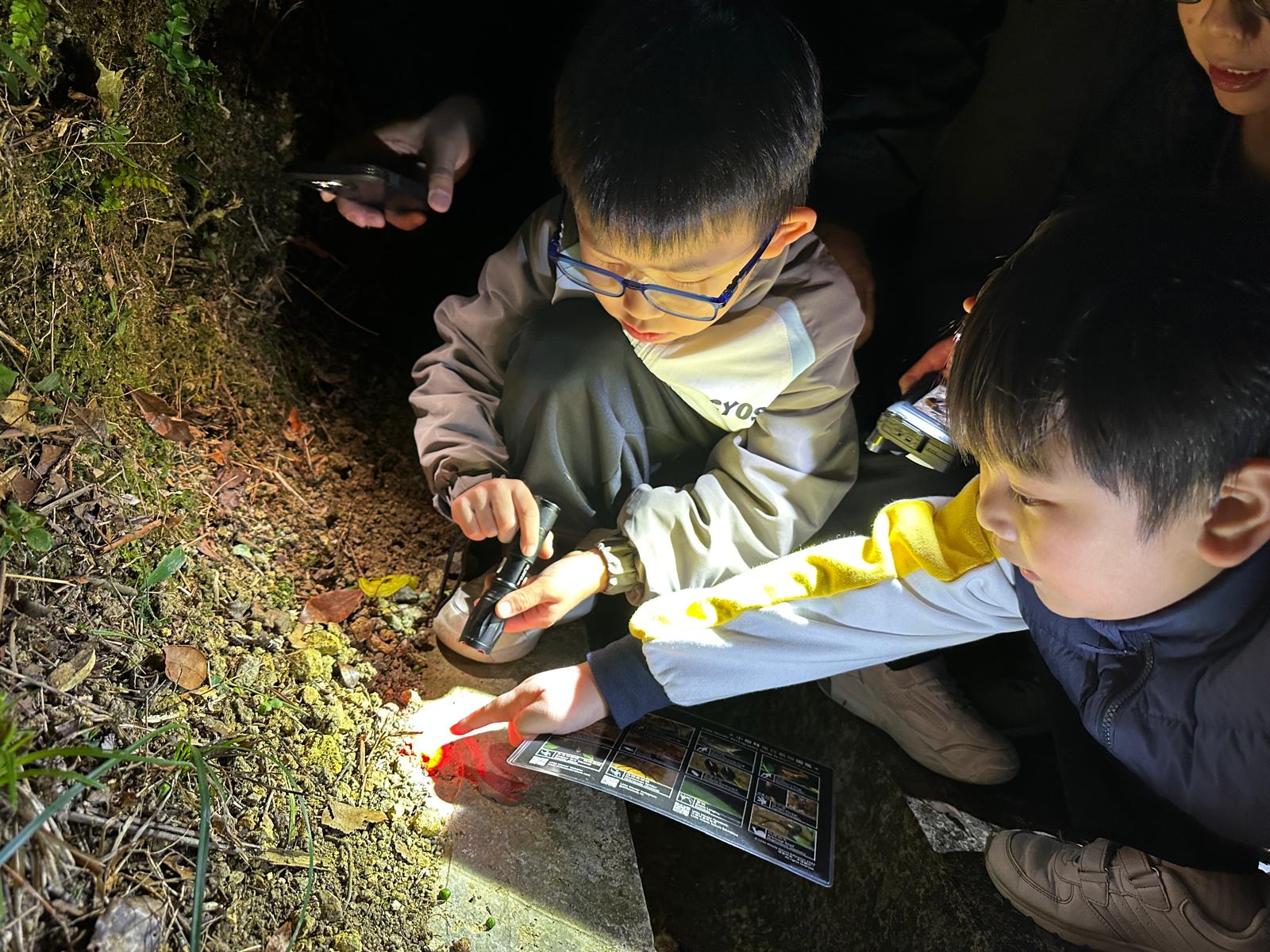
| School Green Policy | : | Aiming at promoting the atmosphere of environmental protection, the school organizes different activities to enhance the students' awareness of environmental protection. We have 36 pieces of solar panels, Eco Park and Butterfly Garden for educational purposes. We also cooperate with CLP to promote e-smart campus and learning activities. |
| School's Major Concerns | : | 1. Further diversify teaching and learning strategies to enhance students' learning performance. 2. Continue enhancing school-based positive education to cultivate students' whole-person development. |
| Learning and Teaching Plan | ||
| Learning & Teaching Strategies | : | 1. Biliteracy and trilingualism are strengthened through integrating reading and writing in Chinese and English courses, SPACE TOWN, and Reading across the Curriculum (RaC). 2. Higher-order thinking skills are developed through mathematization teaching courses, math games, and school-based problem-solving programs. 3. E-learning is deeply embedded in daily teaching, supported by a school-based coding curriculum. 4. STEAM education fosters creativity and problem-solving through scientific inquiry, hands-on experimentation, computational thinking, and design cycles. 5. Experiential learning, including overseas exchanges and life-wide activities, broadens students' perspectives. |
| Development of Major Renewed Emphases of the Primary Education Curriculum | : | 1. Integrate patriotism, national security, and life education into subjects and activities. 2. Increase student learning hours through diverse online resources and flipped classroom tasks. 3. Actively incorporate self-learning elements across subjects and cultivate students' note-taking skills. 4. Implement cross-curricular reading at all grade levels to help students apply and extend their learning. 5. Utilize the school's natural environment for interdisciplinary STEAM projects and develop students' media and information literacy. 6. Organize various sports activities during recess and lunch breaks to promote healthy lifestyles. |
| Development of Generic Skills | : | We aim to cultivate the students' nine generic skills, especially focus on communication skills, collaboration skills, creativity, problem-solving and critical thinking skills through cross curricular activities and project learning. |
| Cultivation of Proper Values, Attitudes and Behaviours | : | Through promoting positive education, we build up students' spirit of MCYOS in civic education lessons, morning assemblies etc. |
| Student Support | ||
| Whole School Approach to Catering for Learner Diversity | : | Whole School Approach is adopted to cater for learner diversity. A Bridging Programme is provided for P.1 students in order to help them better cope with the primary school life. And social skill workshops are provided for some P.6 students to help them have a smooth transition from Primary Six to Secondary One. Elite programmes are provided for gifted students. |
| Whole School Approach to Integrated Education | : | Student Support Team (SST) is set up for implementing the 3-tier Intervention Model. Members of SST, including Special Educational Needs Coordinator, Special Educational Needs Support Teacher and teachers have cross-profession collaboration with professionals, such as School-based Educational Psychologist and School-based Speech Therapist, etc. We provide support Person-centered Approach for students under the 3-tier Intervention Model, including Differentiated Teaching, curriculum and homework adaptation, special assessment arrangements, small group teaching, after-school remedial support scheme, etc. |
| Education Support for Non-Chinese Speaking(NCS) Students | : | Our school provides additional support for NCS students to facilitate their learning of Chinese: appointing additional teacher(s)/teaching assistant(s) to support NCS students' learning of Chinese; developing school-based Chinese Language curriculum and/or adapting learning and teaching materials; and organising activities to create an inclusive learning environment in the school. Organizing Buddy Programme 'P.1 Agents' in which senior students are trained to help our NCS student in recognizing and reading Chinese high-frequency words. |
| Curriculum Tailoring and Adaptation | : | School-based curriculum of Chinese, English and Maths are tailor- made to cater for students' needs and to support the gifted children. Small group teaching is adopted to cater for the less able students. |
| Home-school Co-operation and School Ethos | ||
| Home-School Co-operation | : | Parents' Day is held regularly - Parents are regarded as a valuable partners in school development. At Yam On Parents School, we have talks, seminars and sharing for the parents regularly. Within this school year, more than 100 parents help looking after students at recess, decorating boards, preparing teaching aids etc. Parent-Teacher Association arranges different functions like parents' workshops, tea party and charity walk etc. Our parents involve actively in school activities and are enthusiastic volunteers. Two parent representatives are selected by parents to join the Incorporated Management Committee of the School as a parent manager and an alternate parent manager. |
| School Ethos | : | Our School emphasizes the cultivation of a harmonious teacher-students relationship and the enhancement of students' sense of belonging to the school. |
| Future Development | ||
| School Development Plan | : | 1. Collaborate continuously with the Education Bureau and universities to optimize teaching strategies, enhance teaching effectiveness, and strengthen students' academic foundation. 2. Implement school-based differentiated instruction, combining whole-person development with gifted education to cultivate students' creativity and problem-solving abilities. 3. Enhance students' confidence and sense of achievement by providing diverse learning experiences. 4. Consolidate a positive campus culture, by integrating patriotism and values education into both regular and non-regular curricula. |
| Teacher Professional Training & Development | : | 1. Optimize the self-evaluation culture and deepen the "Plan-Execute-Evaluate-Revise" model. 2. Enhance lesson preparation and classroom observation, training teachers to address learning differences, promote e-learning, and develop students' self-learning abilities. 3. Arrange participation in courses or research programs at various universities to enhance teacher professional development. Encourage professional advancement and promote research sharing. 4. Provide professional development and seminars to deepen teachers' understanding of patriotism education. |
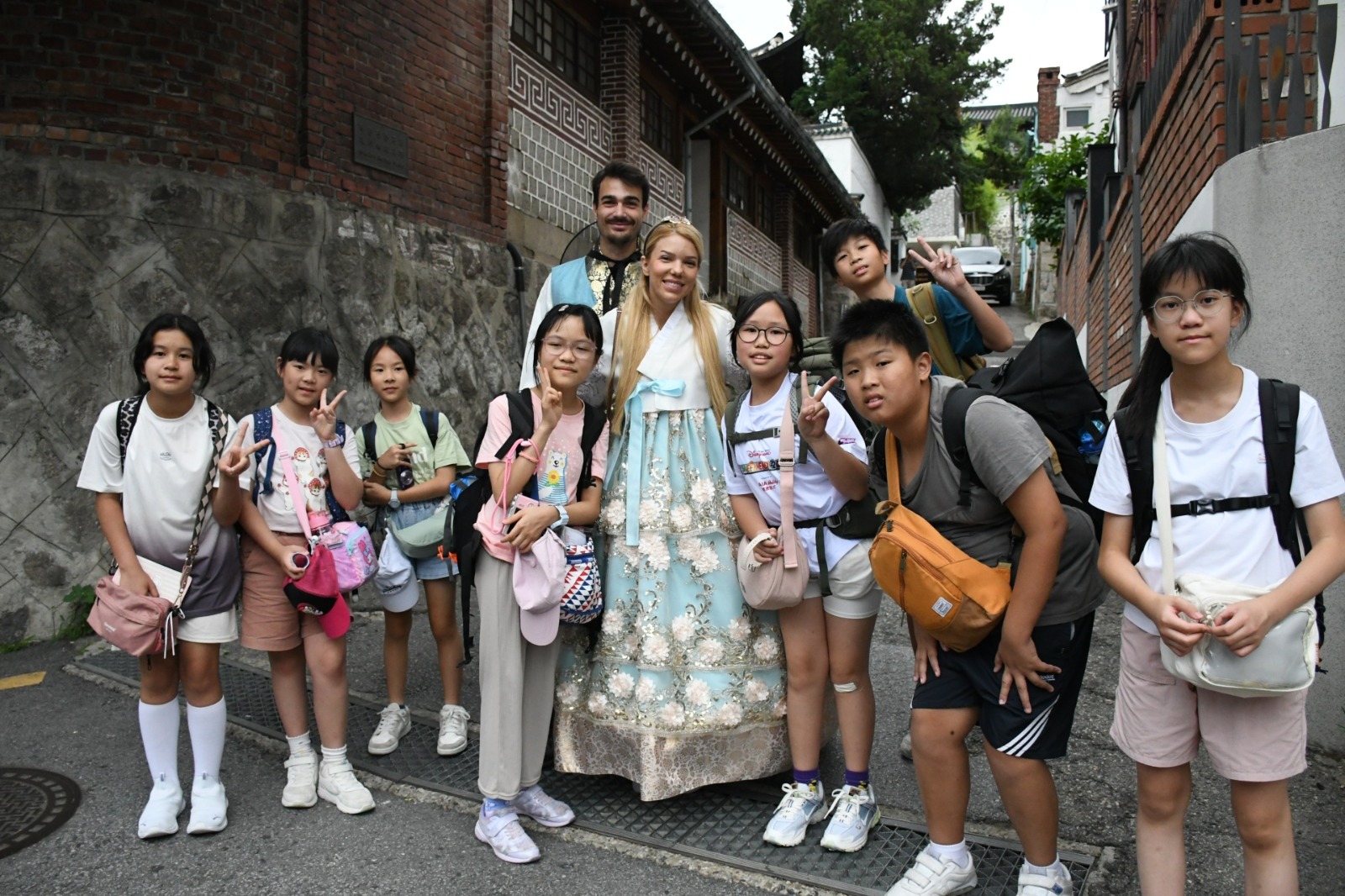
| Others | : | 1. Scholarships for students who perform well in different aspects. 2. Day camps with themes for Key stage 1 students and overnight camps for Key stage 2 students in order to provide opportunities for them to learn social and life skills. 3. Affiliated schools with one school in Singapore and 3 schools in China. Different study tours will be arranged each year. 4. MCYOS Caring Day is held twice a year. Through volunteering, students gain an understanding of the diverse needs of individuals in our community, Promoting the values of responsibility, accountability, and respect for care and compassion. |
 School Map
Last revision date:01 September 2026


