 Primary School Profiles 2026


 Primary School Profiles 2026
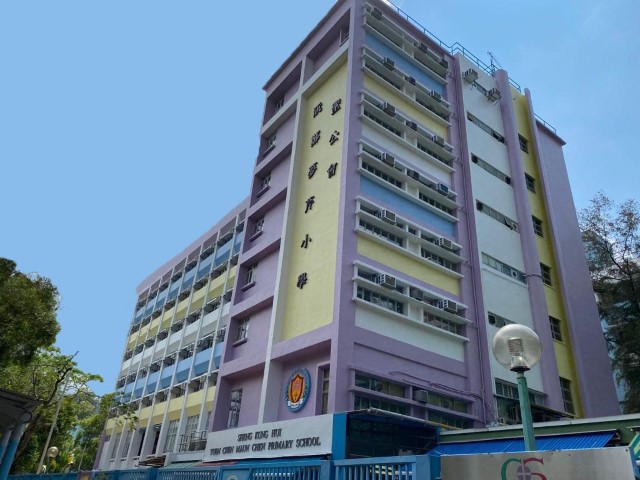
| Address: | Kwong Fuk Estate, Tai Po, N.T. | |||
| Phone: | 26589183 | Email: | info@skhycmcps.edu.hk | |
| Fax: | 26506287 | Website: | http://www.skhycmcps.edu.hk | |
 School Information
| Supervisor/ Chairman of Management Committee | : | Rev. Au Yeung Siu Kei Tony |
| School Head | : | Ms. Dung Yi Ping |
| Incorporated Management Committee been established? | : | Established |
| Percentage of School Supervisor and Managers / Chairperson and Members of School Management Committee (SMC) of Government Schools Fulfilling the Training Targets | : | 33% |
| School Type | : | Aided Whole Day |
| Student Gender | : | Co-ed |
| Sponsoring Body | : | Anglican (Hong Kong) Primary Schools Council Limited |
| Religion | : | Protestantism / Christianity |
| Year of Commencement of Operation | : | 1984 |
| School Motto | : | Not to be served but to serve. |
| Area Occupied by the School | : | About 4850 Sq. M |
| Through-train Secondary School | : | - |
| Feeder Secondary School | : | - |
| Nominated Secondary School | : | - |
| Medium of Instruction | : | Chinese(incl.: Putonghua) |
| School Bus Service | : | School Bus |
| Parent-Teacher Association | : | Yes |
| Past Students' Association/Alumni Association | : | Yes |
| 4Rs Mental Health Charter | : | Yes |
| Whole School Health Programme | : | Action School |
 2026/2027 Annual School Charges
| School Fee | : | - |
| Tong Fai | : | - |
| PTA Fee | : | $20 |
| Approved Charges for non-standard items | : | $470 |
| Other Charges | : | Re-issue a new Student ID Card: $25 |
 School Facilities
| Number of Classroom(s) | : | 30 |
| Number of School Hall(s) | : | 1 |
| Number of Playground(s) | : | 2 |
| Number of Library(ies) | : | 1 |
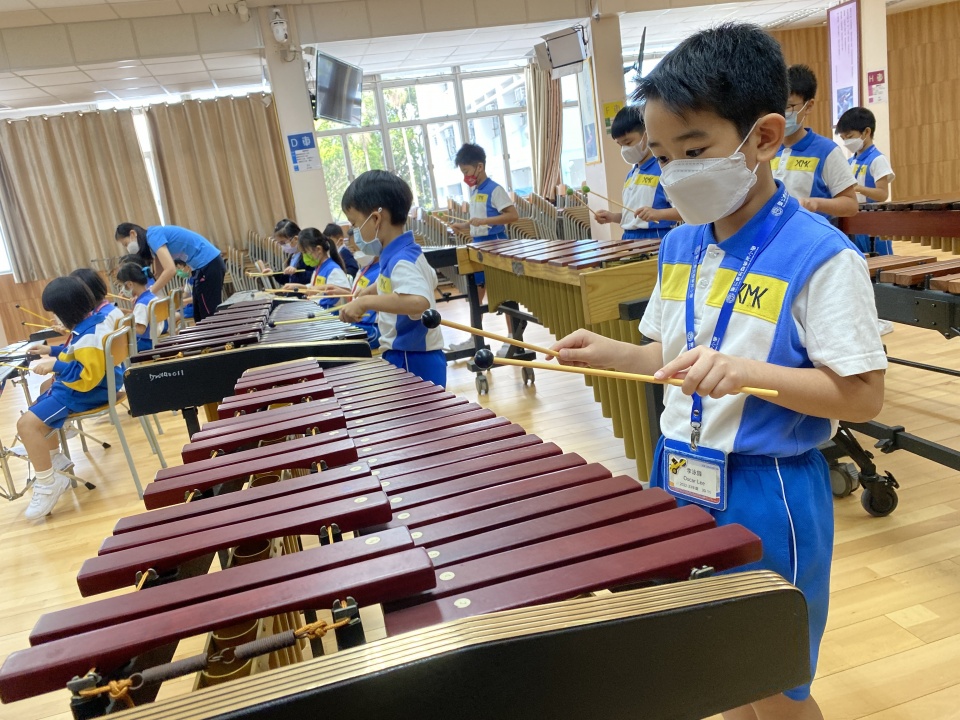
| Special Rooms | : | 2 Music rooms, 1 computer room, 1 STEAM room ,1 activity centre, 1 English learning room, 1 counseling room and 1 campus television station. |
| Facility(ies) for Supporting Students with Special Educational Needs | : | Ramp, Accessible lift and Accessible toilet. |
| Others | : | Every classroom is provided with a computer, electronic whiteboard, visualizer and air conditioner. Our hall is provided with LED Wall. |
 Teaching Staff Information (Including School Head) in the 2025/2026 school year
| Number of teaching posts in the approved establishment | : | 56 |
| Total number of teachers in the school | : | 58 |
| Qualifications and professional training (%) | ||
| Had Received Teacher Training | : | 100% |
| Bachelor Degree | : | 97% |
| Master/ Doctorate Degree or above | : | 39% |
| Special Education Training | : | 84% |
| Years of Experience (%) | ||
| 0 - 4 years | : | 3% |
| 5 - 9 years | : | 16% |
| 10 years or above | : | 81% |
 Class Structure
| 2025/26 school year | ||
| P1 Number of classes | : | 5 |
| P2 Number of classes | : | 5 |
| P3 Number of classes | : | 5 |
| P4 Number of classes | : | 5 |
| P5 Number of classes | : | 5 |
| P6 Number of classes | : | 5 |
| Total | : | 30 |
| 2026/27 school year (Based on the number of classes approved by EDB in 2026) | ||
| P1 Number of classes | : | 5 |
| P2 Number of classes | : | 5 |
| P3 Number of classes | : | 5 |
| P4 Number of classes | : | 5 |
| P5 Number of classes | : | 5 |
| P6 Number of classes | : | 5 |
| Total | : | 30 |
| Mode of teaching at different levels | ||
| Small class teaching is implemented in our school, with three elite classes in each of Primary 4 to 6, and the option of teaching Chinese Language with either Cantonese or Putonghua. | ||
| Remarks | ||
| P.1 promoted to P.2 in the same classes. In P.3, students are reallocated evenly into mixed-ability classes. | ||
 Performance Assessment
| Applicable to P1 only | ||
| Number of test(s) per year | : | 0 |
| Number of exam(s) per year | : | 2 |
| Replace tests and examinations with diversified assessments in the first term of P1 | : | Yes |
| Applicable to P2 to P6 only | ||
| Number of test(s) per year | : | 0 |
| Number of exam(s) per year | : | 3 |
| Applicable to P1 to P6 | ||
| Formulate appropriate school-based assessment and assignment policies, inform parents of related arrangements, and collect views from teachers, students and parents regularly (at least once per school year) for ongoing review and optimisation of the school assessment and assignment policies | : | Yes |
| Upload the school-based assessment policy onto the school webpage for information of the public and stakeholders | : | Yes |
| Upload the school-based assignment policy onto the school webpage for information of the public and stakeholders | : | Yes |
| Diversified Assessment for Learning | : | 1. Provide feedback to students through a variety of assessment methods, such as written examinations, speaking examinations, project learning, online assessment, student self-assessment etc. 2. Online assessment is also introduced to collect evidence of students' learning in various aspects. 3. Through a great variety of learning activities, students can develop a wide range of generic skills. |
| Avoid arranging tests or examinations immediately after long holidays in order to let students take more rest during the holidays | : | Yes |
| Arrange the timetable flexibly according to the school context, with a tutorial session provided in the afternoon as far as possible for students to finish some of their homework under teachers’ guidance | : | Yes |
| Streaming arrangement | : | P.1-P.3: The placement is based on students' average ability so as to strengthen the foundation and make learning enjoyable. P.4-P.6: The streaming is based on students' learning abilities to enhance their English and Putonghua skills and to develop their potential for the future. |
 School Life
| Number of school days per week | : | 5 |
| Number of periods per day | : | 9 |
| Duration of each normal period | : | 35 |
| School starts at | : | 7:50 AM |
| School ends at | : | 2:50 PM |
| Lunch break | : | 12:10 - 1:00 |
| Lunch arrangement | : | Provided by designated supplier and arranged by parents. |
| Healthy school life | : | Healthy School Policy: Implementing the Healthy School Policy so as to foster a healthy school environment and to develop students' healthy lifestyles. |
| Remarks | : | School emphasizes the integration and application of IT. By improving the school facilities and beautifying the school premises, students are provided a colourful, pleasant and inspiring environment to learn and to grow. |
 Life-wide Learning
| In order to provide students with a variety of learning experiences, we organise educational outings such as visits to museums and zoos. We also integrate them into the cross-curricular curriculum to help students develop life-long learning skills and achieve the goal of whole-person development so as to cope with the changes in society. In addition, students can participate in various subject-based extra-curricular activities including Music, Physical Education, STEAM, etc. |
 School Mission
| Basing upon the ethos of Christian whole-person education as propounded by the Anglican Church, the School shall nurture and develop students spanning the arenas of morality, intelligence, athletics, community spirit, aesthetics and spirituality. |
 School Characteristics
| School Management | ||
| School Management Organisation | : | We are organised at three levels: Management & Organisation, Learning & Teaching, Student Support & School Ethos. |
| Incorporated Management Committee / School Management Committee/ Management Committee | : | There are 15 members on the school management committee each comes from sponsoring body, principal, teachers, parents, alumni and independent manager. |
| School Green Policy | : | Positive values in protecting the environment are instilled to encourage students to adopt an environmentally-friendly living. |
| School's Major Concerns | : | 1. Optimize learning and teaching to enhance students' confidence, allowing them to take initiative in their learning, enjoy learning, and be eager to learn. 2. Promote values education to cultivate healthy children in body, mind, and spirit. |
| Learning and Teaching Plan | ||
| Learning & Teaching Strategies | : | Some school-based programmes, including the Teaching of Chinese Poetry, Creative e-Learning Programme, Space Town Literacy Programme, Problem Solving Programme in Mathematics and Coding Programme etc. enhance students' interest in learning and academic performance. We also have a series of comprehensive school-based English Reading and Writing Workshops and a online learning platform to enhance students' English proficiency. Teaching Chinese Language with Putonghua Programme in Primary 4-6 boosts students' listening and speaking skills in Putonghua. We put great emphasis in the promotion of e-learning and make appropriate use of the Learning Management System (LMS) to mark students' assignments, manage their learning progress and understand their learning situation. We make good use of a variety of e-learning applications to provide students with diversified learning resources, so as to broaden the depth and breadth of students' learning. |
| Development of Major Renewed Emphases of the Primary Education Curriculum | : | In order to strengthen the promotion of values education, a life education curriculum in the growth lessons has been developed. We encourage students to participate in national security education activities, so that they can learn more about the country and Chinese culture and develop a sense of national identity. In terms of STEAM education, we make good use of learning time for students to "do" activities, so as to develop students' generic skills and inquisitive thinking, independent and active learning. We promote a reading culture by setting up a reading programme to cultivate students' interest in extensive reading, as well as enhancing information literacy to cultivate students' rational and responsible attitude towards the use of information and information technology. We create a healthy campus to cater for the needs of students, and develop students' individual interests and potentials. A healthy lifestyle can help students to achieve balanced physical and mental development. |
| Development of Generic Skills | : | Through all kinds of learning activities, the development of generic skills is embedded in the curriculum of all Key Learning Areas, such as STEAM activities, life education lessons, life-wide learning activities, cross-curricular activities, visits, extra-curricular activities to develop students' creativity, critical thinking skills and communication skills. |
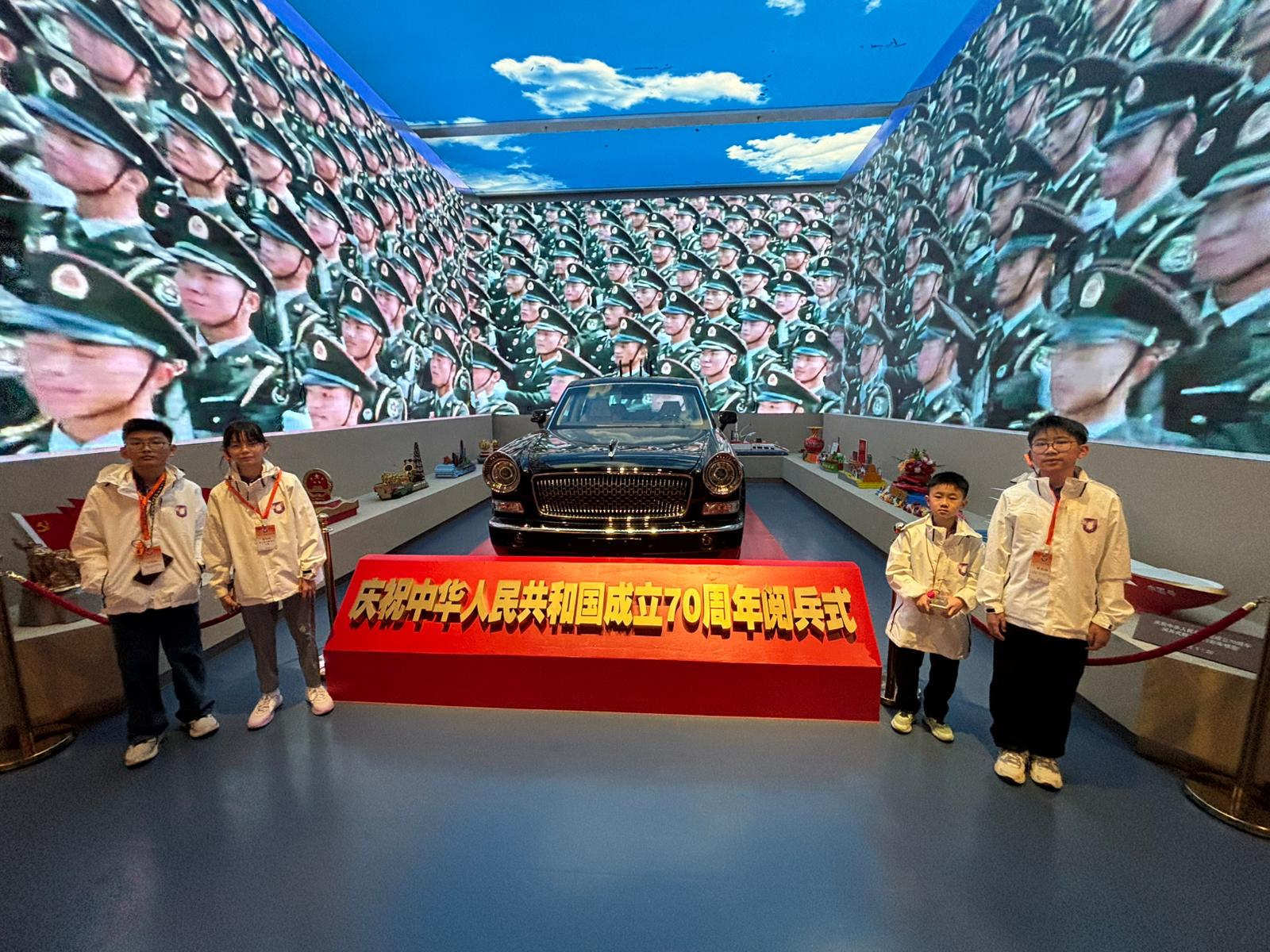
| Cultivation of Proper Values, Attitudes and Behaviours | : | To implement national education and national security education, learning elements including nationhood, national sentiments, national identity, as well as students' awareness and sense of responsibility in safeguarding national security are integrated into our school-based curriculum. We have participated in the Basic Law Ambassador Programme to broaden students' horizons and enhance their self-care, communication and problem-solving skills. Students are able to nourish positive values and attitudes through a great variety of learning experiences such as personal growth education, study tours, talks, experiential learning, service learning, etc. in our school-based life education programme. |
| Student Support | ||
| Whole School Approach to Catering for Learner Diversity | : | 1. Small class teaching in our school enhances teacher-student interactive learning opportunities. 2. Different courses are provided for students' participation in Maths Olympiad and Visual arts to enhance students' potential. Professional coaches are hired to train athletic elites. 3. We offer Enhancement Classes so as to further improve elite students' performance. 4. We promote various off-school learning opportunities for gifted students. 5. We hold subject-based small classes and Remedial Classes in order to cater for students with different learning difficulties. |
| Whole School Approach to Integrated Education | : | Small class teaching is established in our school. Teaching assistants supporting students with special educational needs (SEN) are arranged to assist individual students with SEN during lessons. Individual Education Plans (IEPs) are tailor-made for these students, and various types of academic and non-academic group training sessions are offered to support them. Additionally, our school utilizes the ‘Learning Support Grant’ to purchase social worker services, providing training in social skills and attention for students in need. Furthermore, school-based speech therapists offer individual and group training for students with speech and language impairments. |
| Education Support for Non-Chinese Speaking(NCS) Students | : | Our school provides additional support for NCS students to facilitate their learning of Chinese: providing after-school support programmes in learning Chinese; appointing additional teacher(s)/teaching assistant(s) to support NCS students' learning of Chinese; arranging intensive Chinese learning and teaching mode(s), e.g. pull-out learning if necessary, split-class/group learning, etc; and organising activities to create an inclusive learning environment in the school. |
| Curriculum Tailoring and Adaptation | : | Tasks in different levels are designed in various subjects to cater for individual differences. We hold enhancement classes and remedial classes for students with special learning needs. |
| Home-school Co-operation and School Ethos | ||
| Home-School Co-operation | : | 1. Our school has established Parent-Teacher Association, which holds regular meetings and organizes various parent-child activities, workshops, and seminars. This aims to strengthen communication between home and school, maintain close ties with parents and build a partnership to jointly promote school development. 2. Parents support the school's educational philosophy and are enthusiastic about participating in volunteer work for the school. |
| School Ethos | : | 1. Promote values education to establish a positive atmosphere, fostering positive energy that helps students face challenges, failures, and adversity, and become optimistic individuals. 2. Cultivate a healthy lifestyle among students, ensuring their well-being in physical, mental, and spiritual aspects. 3. Enhance students' understanding, appreciation, and inheritance of Chinese culture. |
| Future Development | ||
| School Development Plan | : | 1. Optimize learning and teaching to enhance students' confidence, allowing them to take initiative in their learning, enjoy learning, and be eager to learn. 2. Promote values education to cultivate healthy children in body, mind, and spirit. |
| Teacher Professional Training & Development | : | In order to cater for staff development, the following strategies are employed: 1. Co-planning, co-teaching, peer observation, general observations. 2. Workshops, seminars, experience sharing on good practices. |
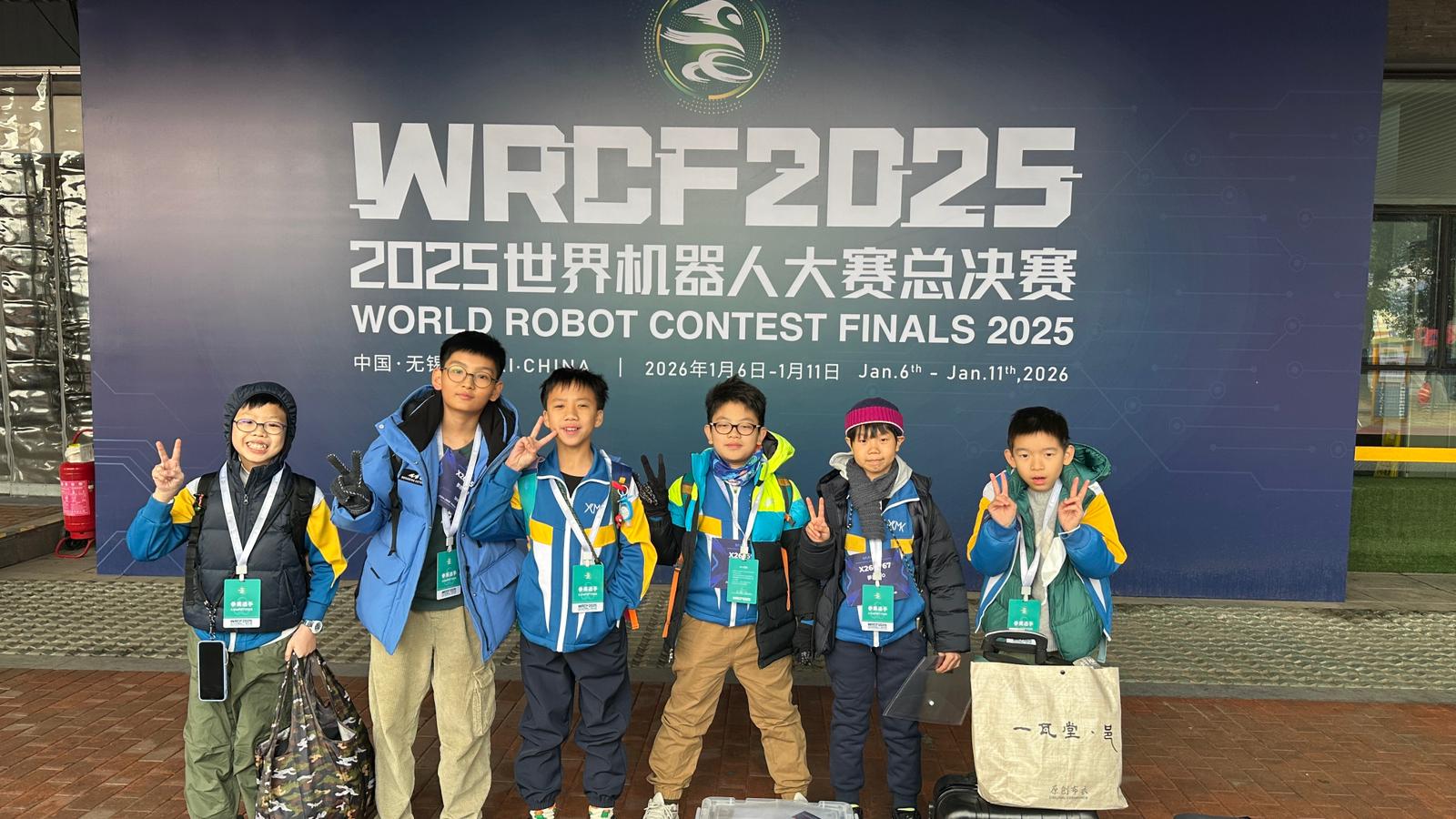
| Others | : | 1. Anglican Outstanding Students Scholarship, Maun Chen Scholarship and other awards are presented to students who has outstanding performance in different aspects. 2. Students participate actively in intra and inter school competitions activities and social services. Their achievements in sports and music are highly appreciated. 3. To enrich students' learning experiences, the school organizes cross-border study tours twice every year. |
 School Map
Last revision date:25 September 2026


