 Primary School Profiles 2026

 Primary School Profiles 2026
| Address: | Estate Primary School No. 2, Shek Wai Kok Estate, Tsuen Wan, N.T. | |||
| Phone: | 24165447 | Email: | swk@mail.swk.edu.hk | |
| Fax: | 24920024 | Website: | https://www.swk.edu.hk | |
 School Information
 | Supervisor/ Chairman of Management Committee | : | Mr. Chiu Yiu Nin |
| School Head | : | Ms. Kwok Man Lai |
| Incorporated Management Committee been established? | : | Established |
| Percentage of School Supervisor and Managers / Chairperson and Members of School Management Committee (SMC) of Government Schools Fulfilling the Training Targets | : | 100% |
| School Type | : | Aided Whole Day |
| Student Gender | : | Co-ed |
| Sponsoring Body | : | Hong Kong Taoist Association |
| Religion | : | Taoism |
| Year of Commencement of Operation | : | 1982 |
| School Motto | : | Grasp Principles, Cultivate Virtues |
| Area Occupied by the School | : | About 4486 Sq. M |
| Through-train Secondary School | : | - |
| Feeder Secondary School | : | - |
| Nominated Secondary School | : | - |
| Medium of Instruction | : | Chinese |
| School Bus Service | : | School Bus |
| Parent-Teacher Association | : | Yes |
| Past Students' Association/Alumni Association | : | Yes |
| 4Rs Mental Health Charter | : | Yes |
| Whole School Health Programme | : | Pledged School |
 2026/2027 Annual School Charges
| School Fee | : | - |
| Tong Fai | : | - |
| PTA Fee | : | 20 |
| Approved Charges for non-standard items | : | - |
| Other Charges | : | - |
 School Facilities
 | Number of Classroom(s) | : | 24 |
| Number of School Hall(s) | : | 1 |
| Number of Playground(s) | : | 2 |
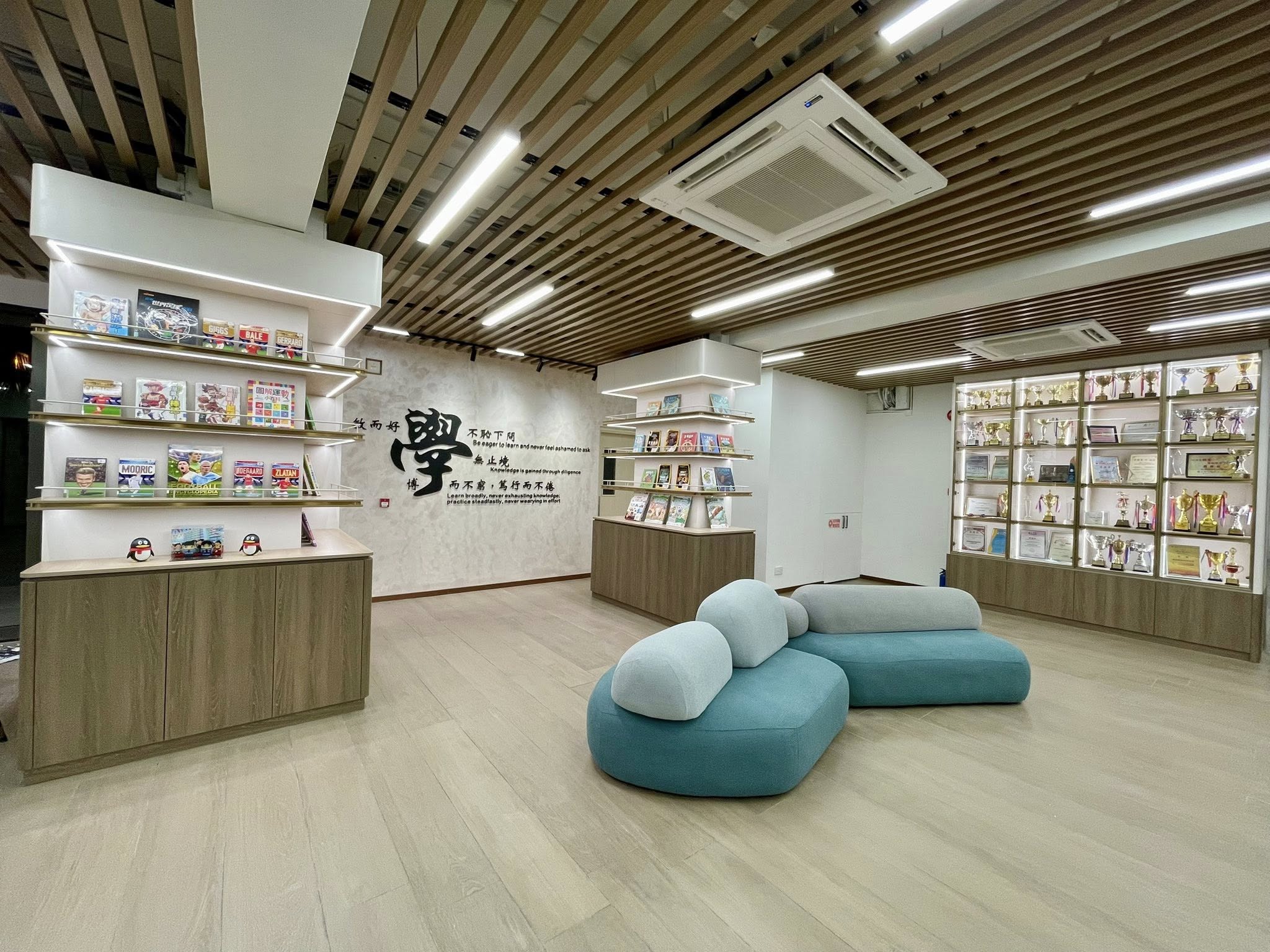
| Number of Library(ies) | : | 1 |
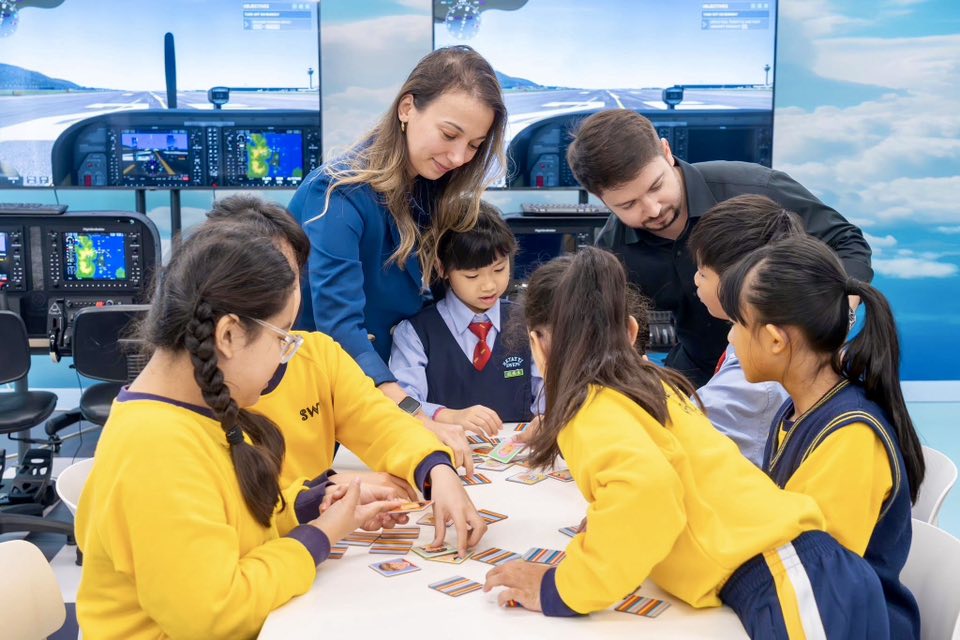
| Special Rooms | : | Information Technology Learning Centre, Music Room, Multifunctional Activity Centre (with fencing piste), English Room, STEMaker Space, CampusTV, Aviation Room, STREAM Playground, AI Fitness Bike Area. |
| Facility(ies) for Supporting Students with Special Educational Needs | : | Accessible lift and Speech Therapy Room. |
| Others | : | Organic Garden, Fish Pond, Meeting Room, Reception Room, Collaborative Teaching Room. |
 Teaching Staff Information (Including School Head) in the 2025/2026 school year
 | Number of teaching posts in the approved establishment | : | 27 |
| Total number of teachers in the school | : | 40 |
| Qualifications and professional training (%) | ||
| Had Received Teacher Training | : | 100% |
| Bachelor Degree | : | 100% |
| Master/ Doctorate Degree or above | : | 18% |
| Special Education Training | : | 92% |
| Years of Experience (%) | ||
| 0 - 4 years | : | 25% |
| 5 - 9 years | : | 17% |
| 10 years or above | : | 58% |
 Class Structure
 | 2025/26 school year | ||
| P1 Number of classes | : | 1 |
| P2 Number of classes | : | 1 |
| P3 Number of classes | : | 2 |
| P4 Number of classes | : | 2 |
| P5 Number of classes | : | 3 |
| P6 Number of classes | : | 3 |
| Total | : | 12 |
| 2026/27 school year (Based on the number of classes approved by EDB in 2026) | ||
| P1 Number of classes | : | 1 |
| P2 Number of classes | : | 1 |
| P3 Number of classes | : | 1 |
| P4 Number of classes | : | 2 |
| P5 Number of classes | : | 2 |
| P6 Number of classes | : | 3 |
| Total | : | 10 |
| Mode of teaching at different levels | ||
| Small class teaching for P.1-P.6. Remedial classes are arranged to cater for individual learner diversity. | ||
| Remarks | ||
| - | ||
 Performance Assessment
 | Applicable to P1 only | ||
| Number of test(s) per year | : | 0 |
| Number of exam(s) per year | : | 0 |
| Replace tests and examinations with diversified assessments in the first term of P1 | : | Yes |
| Applicable to P2 to P6 only | ||
| Number of test(s) per year | : | 0 |
| Number of exam(s) per year | : | 3 |
| Applicable to P1 to P6 | ||
| Formulate appropriate school-based assessment and assignment policies, inform parents of related arrangements, and collect views from teachers, students and parents regularly (at least once per school year) for ongoing review and optimisation of the school assessment and assignment policies | : | Yes |
| Upload the school-based assessment policy onto the school webpage for information of the public and stakeholders | : | Yes |
| Upload the school-based assignment policy onto the school webpage for information of the public and stakeholders | : | Yes |
| Diversified Assessment for Learning | : | 1. Formative assessments 2. Subject-based project learning, practical assessments 3. Self and peer evaluation |
| Avoid arranging tests or examinations immediately after long holidays in order to let students take more rest during the holidays | : | Yes |
| Arrange the timetable flexibly according to the school context, with a tutorial session provided in the afternoon as far as possible for students to finish some of their homework under teachers’ guidance | : | Yes |
| Streaming arrangement | : | Elite class in P.6. |
 School Life
 | Number of school days per week | : | 5 |
| Number of periods per day | : | 9 |
| Duration of each normal period | : | 35 |
| School starts at | : | 8:00 AM |
| School ends at | : | 3:10 PM |
| Lunch break | : | 12:35 - 1:30 |
| Lunch arrangement | : | Provided by designated supplier and arranged by parents. |
| Healthy school life | : | The Hong Kong Healthy Schools Award Scheme 2017: Healthy Schools Award (Silver) awarded by World Health Organisation (WHO) Western Pacific Region, CUHK. The School "Nutri-agent" Project, Morning Exercise, Eye Exercise, School-wide Recess Exercise, Joyful Fruit Day, Fitness Day. |
| Remarks | : | 1. After School Enhancement Programmes for students with marginal grades. 2. After School Care Programme and Homework Tutoring Classes. 3. After School Students Support Groups. 4. After School English Interest Groups. 5. Speech Therapy. |
 Life-wide Learning
 | 1. By promoting diversified activities, students can participate widely through rich learning experiences, whilst cultivating their positive values. 2. By providing different kinds of co-curricular activities, extra-curricular activities and training opportunities, students' self-confidence and learning effectiveness are enhanced. 3. Through engaging students with unique potential and abilities to participate in different competitions, students' learning needs are further optimised. This also supports individual learner needs and a student-centred approach to learning. |
 School Mission
 | Our vision is to provide a well-balanced Taoist education within a nurturing and stimulating environment. In accordance with our motto "Grasping Principles, Cultivating Virtues", we are dedicated to developing students into responsible, knowledgeable and compassionate citizens. Through the all-round moral, intellectual, physical, social and aesthetic development, students are imbued with sound moral values and remarkable academic achievements in holistic education. |
 School Characteristics
 | School Management | ||
| School Management Organisation | : | Incorporated Management Committee manages our school and formulates school policies. The principal is authorised to administer the school. |
| Incorporated Management Committee / School Management Committee/ Management Committee | : | Incorporated Management Committee was established on 31st August 2007. |
| School Green Policy | : | 1. Set up waste recycling bins and Each class has an Environmental Protection Ambassador. 2. Participate in the "Solar Harvest" Solar Energy Support Scheme organized by the Electrical and Mechanical Services Department. |
| School's Major Concerns | : | 1. To enhance students learning efficiency through diversified teaching and learning approaches. 2. To strengthen values education and cultivate positive values among students. |
| Learning and Teaching Plan | ||
| Learning & Teaching Strategies | : | 1. Create a conducive English learning environment to boost students' interest and proficiency in the language. 2. Promote digital education to enhance students' interactivity and problem-solving skills. 3. Integrate self-learning approaches into the curriculum to strengthen students' ownership of learning. |
| Development of Major Renewed Emphases of the Primary Education Curriculum | : | With reference to the Education Bureau’s “Primary Education Curriculum Guide (2024)”. subjects are integrated and organically connected. (1) The English department has 4 Native-speaking English Teachers (NETs) to endorse curriculum reforms at all levels and collaborate with the GS Department to design STREAMaker Projects. (2) Interdisciplinary project learning is implemented at various levels, using the "POE" approach (Predict, Observe, Explain) as an inquiry-based learning strategy, enabling students to acquire knowledge and skills through hands-on experiences. (3) Extensive reading is emphasised to foster creativity, collaboration, and problem-solving abilities. (4) School-wide moral education thematic activities are conducted, complemented by corresponding subject area teaching content, aiming to cultivate students’ positive character traits. |
| Development of Generic Skills | : | School-based curriculum, digital education, STREAM in English project learning, science and technology and project studies in various subjects; enhance mathematical problem-solving abilities; information literacy awareness; group learning and collaborative activities; Humanities and Science Experimental Inquiry for Primary 1, 2, 4, and 5. |
| Cultivation of Proper Values, Attitudes and Behaviours | : | 1. Enhance awareness of Chinese culture to foster a sense of national identity; 2. A comprehensive moral and civic education plan is in place to cultivate students' proper values; 3. Promote home–school collaboration to guide students in practicing good character. |
| Student Support | ||
| Whole School Approach to Catering for Learner Diversity | : | Curriculum tailoring, homework and exam adaptation according to students' ability; Enhanced remedial teaching groups as well as counselling teaching groups are established. Additionally, after-school tutoring and various support programmes are provided; Small-class teaching and cooperative learning are implemented to cater for the diverse learning needs of students; To support newly arrived students in Hong Kong, the school offers adaptation programs, including English tutoring, personal growth lessons, and outdoor community exploration activities. |
| Whole School Approach to Integrated Education | : | The team oversees subject support and small group teaching for selected subjects. Intervention groups are organised according to pupils' needs and resource availability. Our school offers Enhanced School-based Speech Therapy Service, Individual Education Plans, concentration and sensory training, fine motor skills training and social and emotional support training. We also provide parent talks and workshops. The team liaisons with the EDB’s school-based educational psychologist and external agencies to cater the needs of SEN students and provide relevant adjustment. |
| Education Support for Non-Chinese Speaking(NCS) Students | : | Our school provides additional support for NCS students to facilitate their learning of Chinese: arranging intensive Chinese learning and teaching mode(s), e.g. pull-out learning if necessary, split-class/group learning, etc; organising activities to create an inclusive learning environment in the school; and our school uses Putonghua to teach Chinese in all classes / groups at certain levels with extra support as appropriate, e.g. pull-out/small-group classes, learning and teaching resources with Pinyin, etc. |
| Curriculum Tailoring and Adaptation | : | Tailored curriculum and adaptation according to our students' individual abilities to suit any learner diversity. |
| Home-school Co-operation and School Ethos | ||
| Home-School Co-operation | : | 1. A Parent-Teacher Association (PTA) is established, and regular meetings are held to promote collaboration and communication between the school and families; 2. The school organizes various parent-child activities such as family trips and fun days to enhance communication between parents and their children; 3. A parent volunteer team is in place to assist with large-scale school events such as English Carnival, Chinese Culture Day, and Sports Day, fostering a harmonious and close home-school partnership; 4. Conduct parent education courses, seminars, and workshops to encourage parental participation and encourage continued self-enhancement. |
| School Ethos | : | 1. Emphasis on quality student care, commitment, empathy and prudence; 2. Carry out school-based counseling activities to cultivate students' good moral character; 3. "Good Student Award Scheme" and "Growth Journal" Values Education Award Scheme promote students to strive for good moral and academic performance as well as maintaining good physical fitness; 4. Multiple Student Service Teams allow students with different strengths and abilities to help and support each other. |
| Future Development | ||
| School Development Plan | : | Chinese: Primary One "Picture Book Teaching"; Primary One to Three "Integrated Chinese Teaching in Putonghua,"; school-based tiered support teaching. English: Tailored English Learning Progress; school-based phonics programme; reading and writing programmes; drama in education. Mathematics: Primary One and Two "Picture Book Teaching"; problem-solving strategies. General Studies: STREAM activities; life skills lessons; cross-curricular learning; Introduction of aerospace and VR courses; P1,2,4 & 5 Humanities and Science. Moral Education: School-based thematic activities; curriculum moral education. Visual Arts: Thematic teaching. Information Technology: Programming lessons; collaboration with the Hong Kong Baptist University on the "Code for Joy" programme. Physical Education: Martial arts classes; promotion of emerging sports. Music: Chinese orchestra. Putonghua (Mandarin): Paired reading in Chinese and Putonghua, along with phonological awareness teaching. |
| Teacher Professional Training & Development | : | We continually strive to meet the needs of school-based development by creating space for teachers to continue professional development activities through courses and class observations. At the same time, teachers have expanded their teaching horizons and repertoires through participating in teaching research programmes. Moreover, our school promotes increased collaborative opportunities through teacher sharing and lesson planning in order to optimize learning and teaching. |
| Others | : | 1. With the visionary theme "Let Us Shine", our school is dedicated to creating on dynamic and caring campus where students can unleash their potential and build self-confidence. 2. The establishment of our "Student Union" and "Alumni Association" fosters a deep sense of belonging among both current students and graduates. 3. Our school is a member of the "Aerospace Education School Network" and serves as a pilot school of the "Tencent Youth AI Education Platform – AI Seed Programme". |
 School Map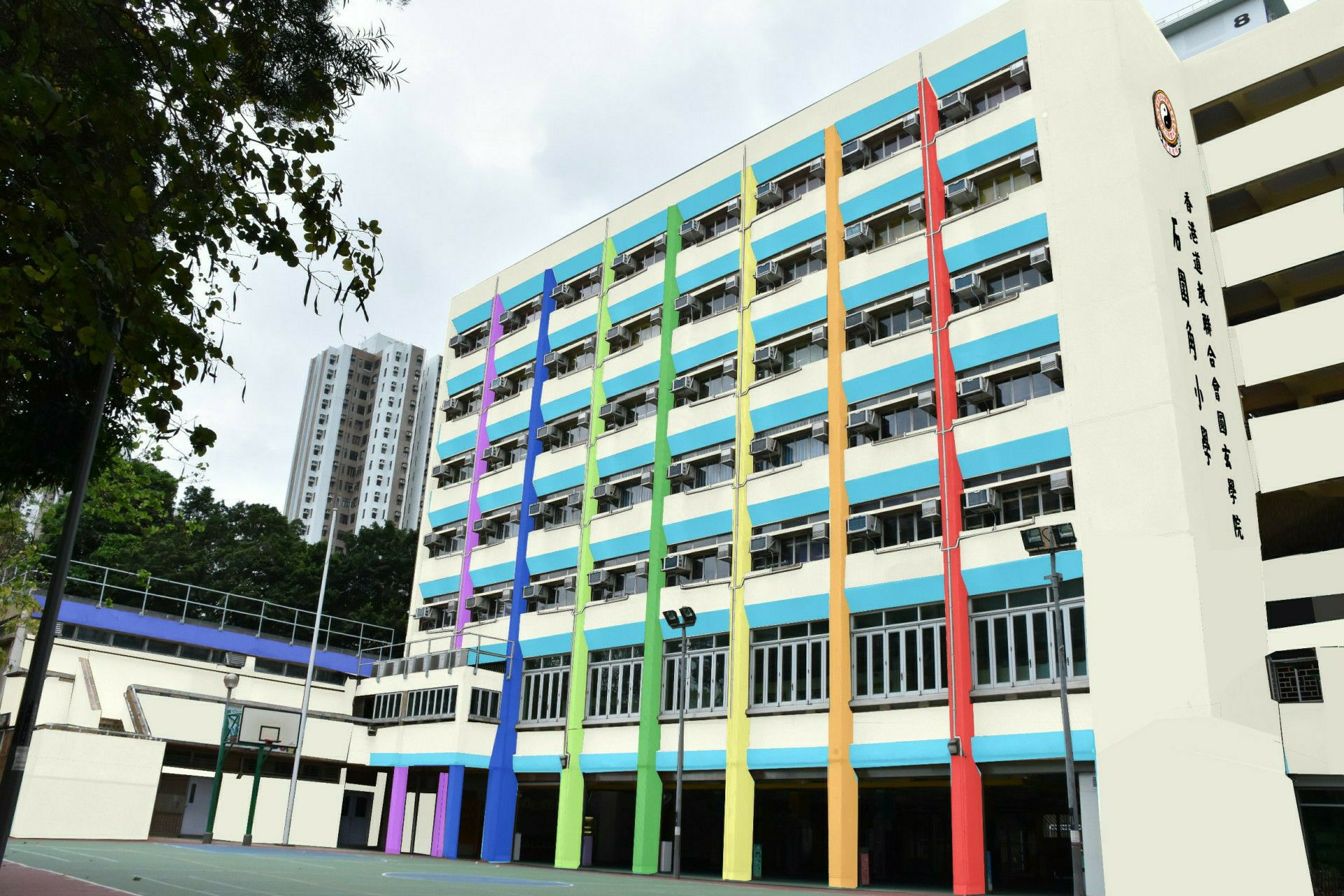
Last revision date:01 September 2026


