 Primary School Profiles 2026

 Primary School Profiles 2026
| Address: | 1 Oi Lai Street, Shau Kei Wan, Hong Kong | |||
| Phone: | 25611118 | Email: | abgps@edb.gov.hk | |
| Fax: | 25628437 | Website: | http://www.abgps.edu.hk | |
 School Information
 | Supervisor/ Chairman of Management Committee | : | Mr. WU KUI-WAH, THOMAS |
| School Head | : | Mr. Chui Ka Cheung |
| Incorporated Management Committee been established? | : | Not Applicable |
| Percentage of School Supervisor and Managers / Chairperson and Members of School Management Committee (SMC) of Government Schools Fulfilling the Training Targets | : | - |
| School Type | : | Gov't Whole Day |
| Student Gender | : | Co-ed |
| Sponsoring Body | : | Government |
| Religion | : | Not Applicable |
| Year of Commencement of Operation | : | 2000 |
| School Motto | : | Respectable, Humble, Thoughtful, Prompt |
| Area Occupied by the School | : | About 6000 Sq. M |
| Through-train Secondary School | : | - |
| Feeder Secondary School | : | - |
| Nominated Secondary School | : | Queen's College, Shau Kei Wan Government Secondary School, Clementi Secondary School |
| Medium of Instruction | : | Chinese |
| School Bus Service | : | School Bus |
| Parent-Teacher Association | : | Yes |
| Past Students' Association/Alumni Association | : | - |
| 4Rs Mental Health Charter | : | Yes |
| Whole School Health Programme | : | Pledged School |
 2026/2027 Annual School Charges
| School Fee | : | - |
| Tong Fai | : | - |
| PTA Fee | : | $40 |
| Approved Charges for non-standard items | : | School Management fee $250 |
| Other Charges | : | - |
 School Facilities
 | Number of Classroom(s) | : | 30 |
| Number of School Hall(s) | : | 1 |
| Number of Playground(s) | : | 3 |
| Number of Library(ies) | : | 1 |
| Special Rooms | : | Library, Computer Room, STEAM Room, Maker Room, Visual Art Room, Two Music Rooms, Student Activity Room, English Room and Conference Room. |
| Facility(ies) for Supporting Students with Special Educational Needs | : | Accessible lift, Accessible toilet, Tactile guide path and Accessible public information / service counter. |
| Others | : | - |
 Teaching Staff Information (Including School Head) in the 2025/2026 school year
 | Number of teaching posts in the approved establishment | : | 55 |
| Total number of teachers in the school | : | 59 |
| Qualifications and professional training (%) | ||
| Had Received Teacher Training | : | 100% |
| Bachelor Degree | : | 100% |
| Master/ Doctorate Degree or above | : | 20% |
| Special Education Training | : | 56% |
| Years of Experience (%) | ||
| 0 - 4 years | : | 12% |
| 5 - 9 years | : | 14% |
| 10 years or above | : | 74% |
 Class Structure
 | 2025/26 school year | ||
| P1 Number of classes | : | 5 |
| P2 Number of classes | : | 5 |
| P3 Number of classes | : | 5 |
| P4 Number of classes | : | 5 |
| P5 Number of classes | : | 5 |
| P6 Number of classes | : | 5 |
| Total | : | 30 |
| 2026/27 school year (Based on the number of classes approved by EDB in 2026) | ||
| P1 Number of classes | : | 4 |
| P2 Number of classes | : | 5 |
| P3 Number of classes | : | 5 |
| P4 Number of classes | : | 5 |
| P5 Number of classes | : | 5 |
| P6 Number of classes | : | 5 |
| Total | : | 29 |
| Mode of teaching at different levels | ||
| The school adopts small class teaching, self-directed learning and e-learning to raise students' learning interest. | ||
| Remarks | ||
| Two Native English Teachers (NET) who teach English speaking and reading in different classes. | ||
 Performance Assessment
 | Applicable to P1 only | ||
| Number of test(s) per year | : | 0 |
| Number of exam(s) per year | : | 0 |
| Replace tests and examinations with diversified assessments in the first term of P1 | : | Yes |
| Applicable to P2 to P6 only | ||
| Number of test(s) per year | : | 0 |
| Number of exam(s) per year | : | 3 |
| Applicable to P1 to P6 | ||
| Formulate appropriate school-based assessment and assignment policies, inform parents of related arrangements, and collect views from teachers, students and parents regularly (at least once per school year) for ongoing review and optimisation of the school assessment and assignment policies | : | Yes |
| Upload the school-based assessment policy onto the school webpage for information of the public and stakeholders | : | Yes |
| Upload the school-based assignment policy onto the school webpage for information of the public and stakeholders | : | Yes |
| Diversified Assessment for Learning | : | Adopting diversified assessment for learning (like reading aloud, telling stories, project learning, group discussion, presentation, etc.) to assess students learning outcomes and abilities. Also, flexible assessment arrangements are provided for SEN students. |
| Avoid arranging tests or examinations immediately after long holidays in order to let students take more rest during the holidays | : | Yes |
| Arrange the timetable flexibly according to the school context, with a tutorial session provided in the afternoon as far as possible for students to finish some of their homework under teachers’ guidance | : | Yes |
| Streaming arrangement | : | No streaming in P.1, P.2 and P.6. Streaming according to students' academic performance and special learning needs in P.3-P.5. |
 School Life
 | Number of school days per week | : | 5 |
| Number of periods per day | : | 8 |
| Duration of each normal period | : | 35 |
| School starts at | : | 8:15 AM |
| School ends at | : | 3:15 PM |
| Lunch break | : | 12:30 - 1:30 |
| Lunch arrangement | : | Provided by designated supplier, arranged by parents and students bring their own lunch. |
| Healthy school life | : | To promote Sport For All and promote physical and mental health of students in PE curriculum. Talks are held to enrich the knowledge of health and healthy eating of our students. |
| Remarks | : | Different extra-curricular activities are organized after school. Learning support groups are organized to support students with special educational needs and Non-Chinese Speaking (NCS) students. Both extra-curricular activities and learning support groups are scheduled from 3:15 pm to 4:45 pm. |
 Life-wide Learning
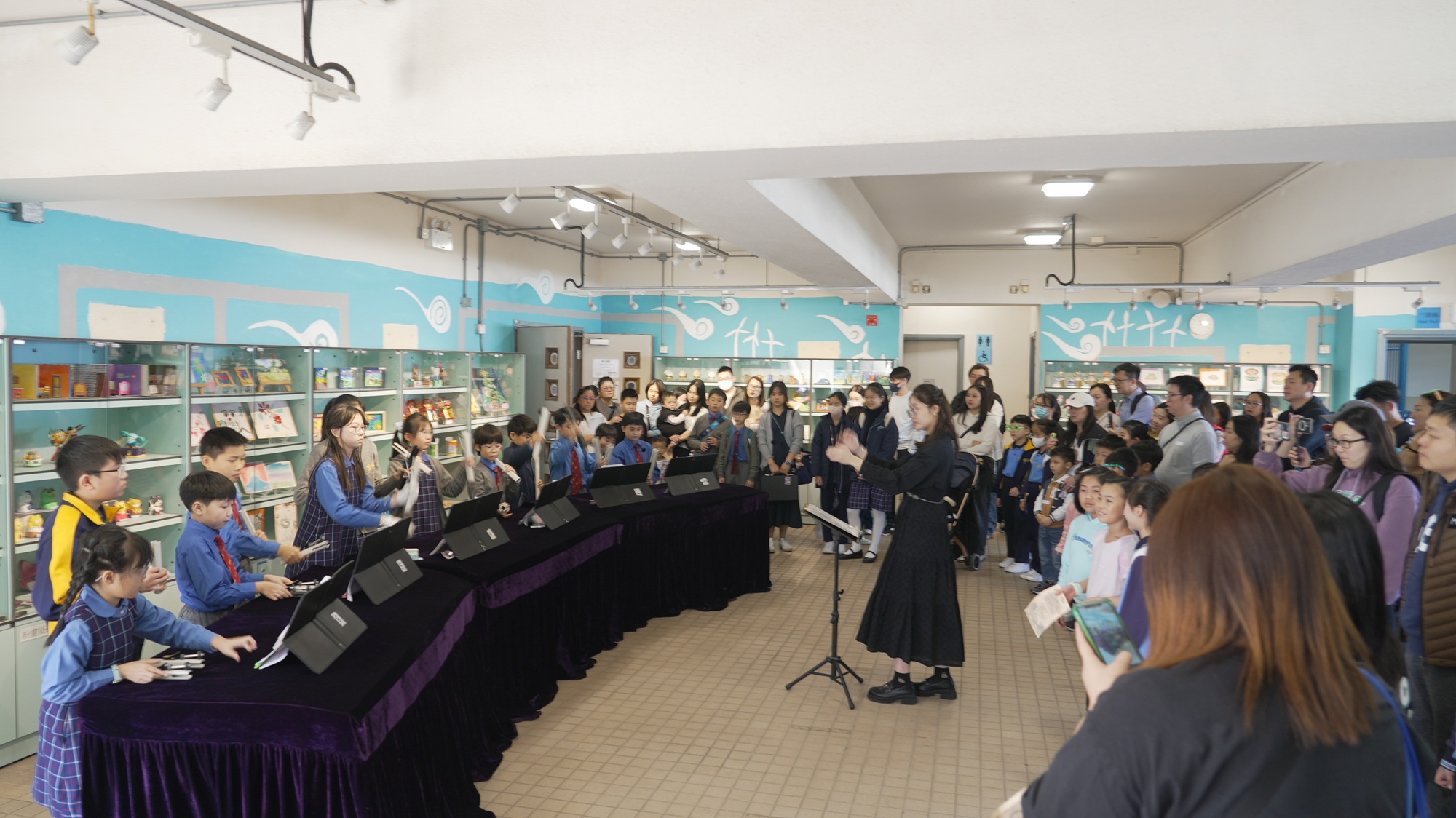
 | The school carries out a "Multiple Intelligences Programme" every Wednesday and Friday afternoon. The programme divided into four categories: academic, sports, art, interest, and are led by professional tutors and teachers. In addition, students can choose to participate after-school extra-curricular activities. They include school teams training and multiple intelligence interest classes. School teams training are selected by the school. Multiple intelligence interest classes are freely participated by students. Seminars, visits, overseas learning, day camp, different kinds of activities are also provided. |
 School Mission
 | Helping students learn from experience, create success with success; providing a pleasant learning environment and a balanced, orderly and diversified curriculum to inspire students in thinking, positive attitudes establishment and respectful character in the life. |
 School Characteristics
 | School Management | ||
| School Management Organisation | : | Three deputy heads, fourteen senior teachers, thirty class teachers, one teacher librarian, two NET and two student guidance personnel. There are nearly eighty teachers and office staff in our school. |
| Incorporated Management Committee / School Management Committee/ Management Committee | : | The School Management Committee includes EDB members, two teacher representatives, two parent representatives, the principal and two individual members. The committee members meet regularly to discuss the new education issues and important matters arise in the school. |
| School Green Policy | : | The school promotes natural conservation, set up a tree trail, green campus, and create a natural environment for education. Also, in response to saving electricity, proper use of lighting, air-conditioning and paper are adopted. |
| School's Major Concerns | : | 1. Cultivate good character and promote holistic well-being. 2. Enhance teaching and learning effectiveness and establish a culture of feedback. |
| Learning and Teaching Plan | ||
| Learning & Teaching Strategies | : | 1. To enhance students' self-directed learning; 2. To use different self-directed learning strategies; 3. To establish the correct attitude of self-directed learning and the sense of responsibility for learning through feedback, reflection and learning adjustment. |
| Development of Major Renewed Emphases of the Primary Education Curriculum | : | 1. Promote positive education and civic education to cultivate students' positive values. 2. Strengthen students' understanding of the country and Chinese culture, and build a sense of national belonging. 3. Implement blended learning to improve students' self-directed learning and teaching effectiveness. 4. Promote creative thinking and STEAM education and enhance students' creativity and problem-solving skills. 5. Promote reading across the curriculum, increase opportunities for students to read and speak in English, and improve their reading and speaking skills. |
| Development of Generic Skills | : | To develop our students' generic skills through classroom activities, discussions, project learning, extra-curricular activities and various competitions. |
| Cultivation of Proper Values, Attitudes and Behaviours | : | 1. Whole school approach in students guidance programme is established to strengthen the positive elements of students. 2. Through class management, such as setting class goals, designing slogans, teacher encouragement cards, positive life event books, appointments with students, classroom arrangement, etc., to enhance students' positive values. 3. Organize a variety of extra-curricular activities to enhance students' sense of accomplishment and explore their positive potential. |
| Student Support | ||
| Whole School Approach to Catering for Learner Diversity | : | Our school employs a diverse support system, fostering close collaboration among teachers and parents to create a safe and inclusive learning environment for students. In areas such as class structure, lesson planning, classroom activities and assessment mechanisms, we prioritize addressing the diverse special educational needs of students to ensure they receive appropriate support. |
| Whole School Approach to Integrated Education | : | We adopt the Whole School Approach to support students with Special Educational Needs (SEN). By utilizing the Learning Support Grant and deploying resources effectively, we provide students with appropriate and diversified support services. This enables students to develop their potential and promotes mutual respect for individual differences among teachers and students, collectively creating an inclusive school. |
| Education Support for Non-Chinese Speaking(NCS) Students | : | Our school provides additional support for NCS students to facilitate their learning of Chinese: providing after-school support programmes in learning Chinese; appointing additional teacher(s)/teaching assistant(s) to support NCS students' learning of Chinese; arranging intensive Chinese learning and teaching mode(s), e.g. pull-out learning if necessary, split-class/group learning, etc; developing school-based Chinese Language curriculum and/or adapting learning and teaching materials; and organising activities to create an inclusive learning environment in the school. |
| Curriculum Tailoring and Adaptation | : | Teachers conduct regular collaborative lesson planning meetings to implement curriculum and assessment adaptations based on students' needs. During examinations, special arrangements such as extended time or supervised withdrawal are provided for individual needs. Through school-based enrichment and remedial programmes, we aim to develop students' diverse potentials and better cater to learner diversity. |
| Home-school Co-operation and School Ethos | ||
| Home-School Co-operation | : | The Parent-Teacher Association has established a "Parent College" to regularly organize diversified parent-child activities, talks, and workshops to provide developmental and preventive parent education, thereby strengthening parent-child relationships and creating a warm and happy family life. |
| School Ethos | : | 1. To nurture students' diligence and discipline, frugal and environmentally friendly, cultivating love, and helping students to care for each other. 2. To promote "one student, one duty" and encourage them to join the uniform groups to raise their confidence and responsibilities. 3. To train the student ambassadors and prefects to have good communication and cooperation skills. 4. To raise pupils' confidence and multiple intelligence through a variety of extra-curricular activities. |
| Future Development | ||
| School Development Plan | : | 1.Cultivate good character and promote holistic well-being. 2.Enhance teaching and learning effectiveness and establish a culture of feedback. |
| Teacher Professional Training & Development | : | 1. Encourage teachers to participate in thematic seminars, focusing on training teachers on the development of school subjects. 2. Participate in the school-based support programmes of the Education Bureau and the University partnership programmes to improve the professional level of teachers. 3. Organize workshops and lectures related to new teaching trends and school projects. |
| Others | : | 1. To provide after school training for gifted students and recommend extracurricular training to popularize gifted education. 2. To cooperate with universities, secondary schools, primary schools and professional groups to promote curriculum reforms so as to enhance the quality of learning and teaching. 3. To participate in overseas study exchange programs and sister school scheme to allow teachers and students to have a better understanding about education in the world and Mainland. 4. To conduct "Best Students Award" for praising students' outstanding performance in academics, conduct, services, sports, arts and STEAM. We also have alumni scholarship to award students with outstanding academic performance. |
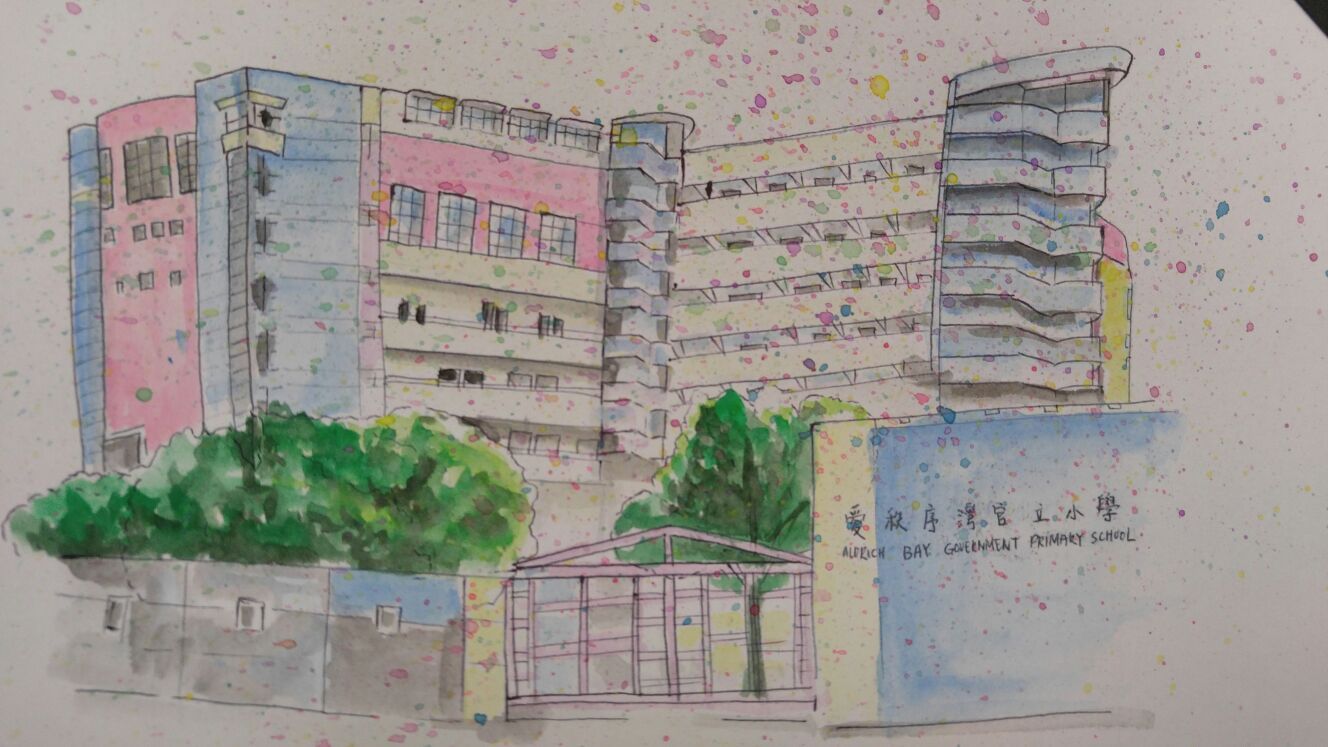
 School Map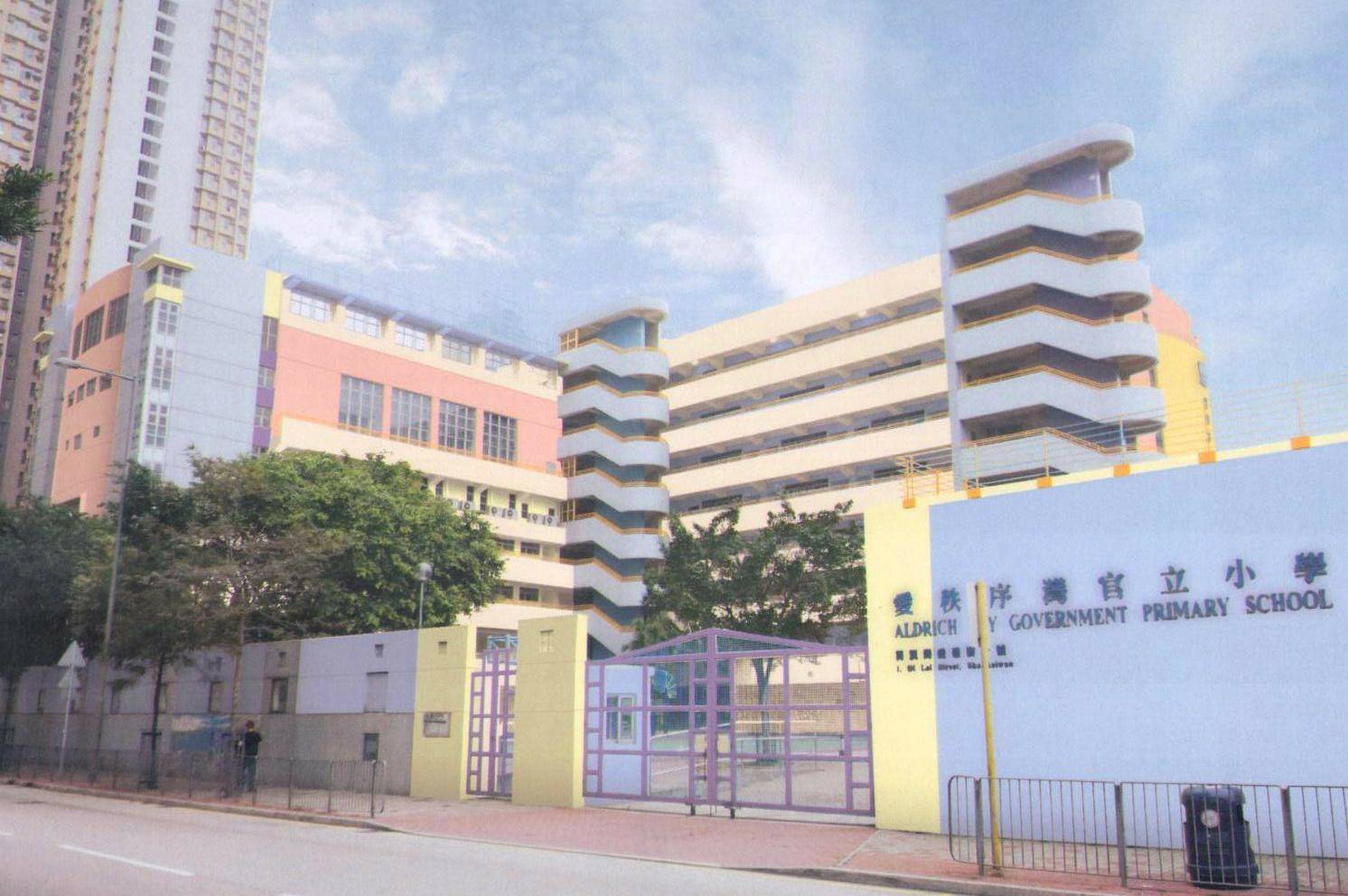
Last revision date:03 September 2026


