| School Management |
| School Management Organisation |
:
| The sponsoring body of our school is "Queen Elizabeth School Old Students' Association Education Promotion Organization". We established the Incorporated Management Committee in 2007 to facilitate communication between managers and the principal on school development. |
| Incorporated Management Committee / School Management Committee/ Management Committee |
:
| The IMC, which comprises 10 SB managers, headmaster, 1 independent manager, 1 alternate SB manager, 2 teacher managers , 2 parent managers and 2 alumni manager, was established in 2007. |
| School Green Policy |
:
| The Sustainable Development Education has been integrated into the school curriculum. Pupils have to develop environmental and civic awareness through various learning activities. |
| School's Major Concerns |
:
| Enhance students' self-directed learning abilities and generic skills, and strengthen their learning confidence.
Develop students' correct values and the practice of a healthy lifestyle. |
| Learning and Teaching Plan |
| Learning & Teaching Strategies |
:
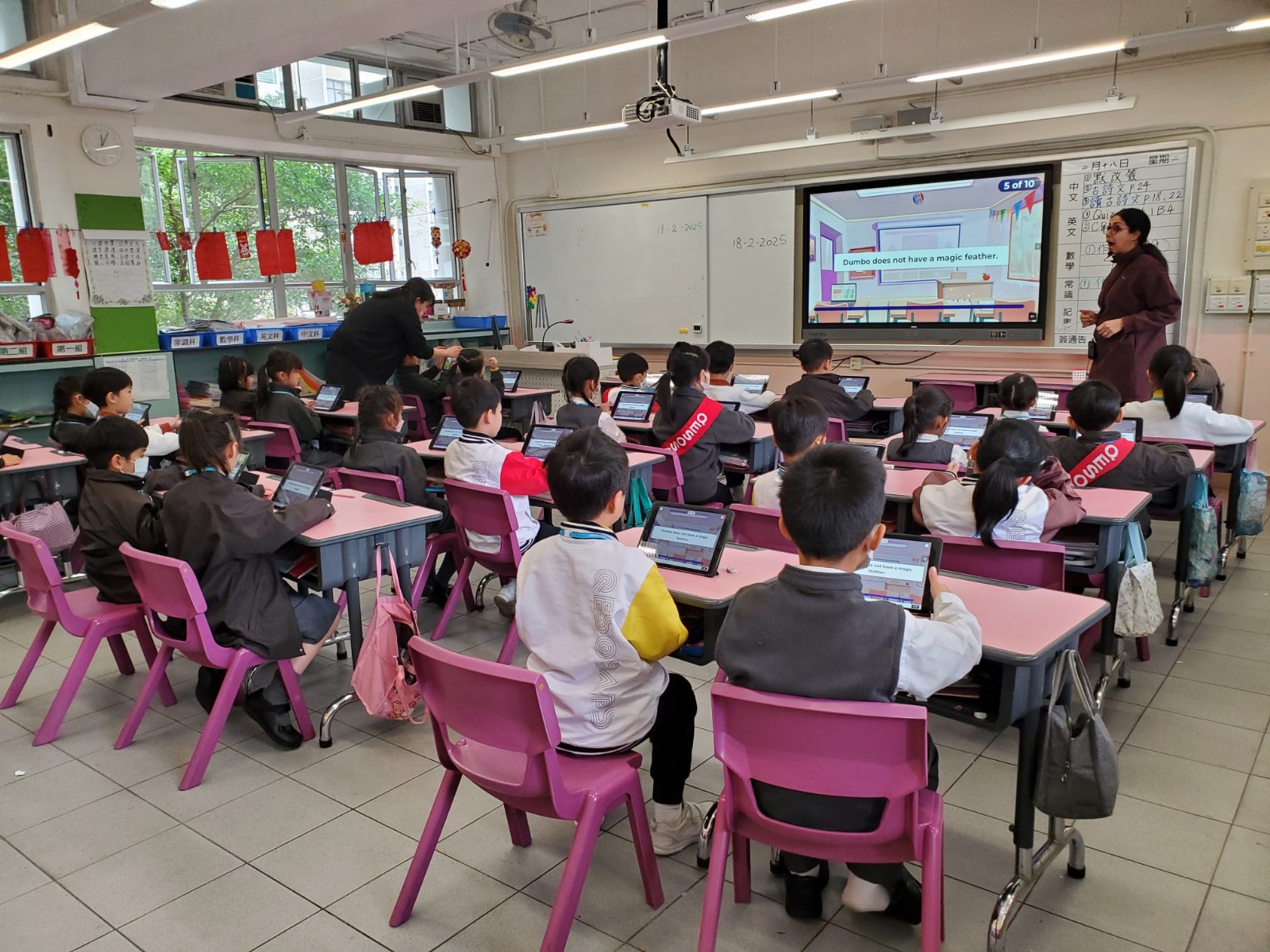
| The 35-minute lessons are designed to let teachers and pupils make good use of the time in implementing learning and teaching activities through cooperative learning. The school also establishes the class teacher time, after lunch activities time and tutorial time. The school encourages pupils to learn through practising. Pupils can construct knowledge through various learning and teaching activities in lessons. The school also arranges life wide learning activities for pupils to experience the learning processes and field studies. Personal-social education train and develop pupils' generic skills in collaboration with other learning areas. |
| Development of Major Renewed Emphases of the Primary Education Curriculum |
:
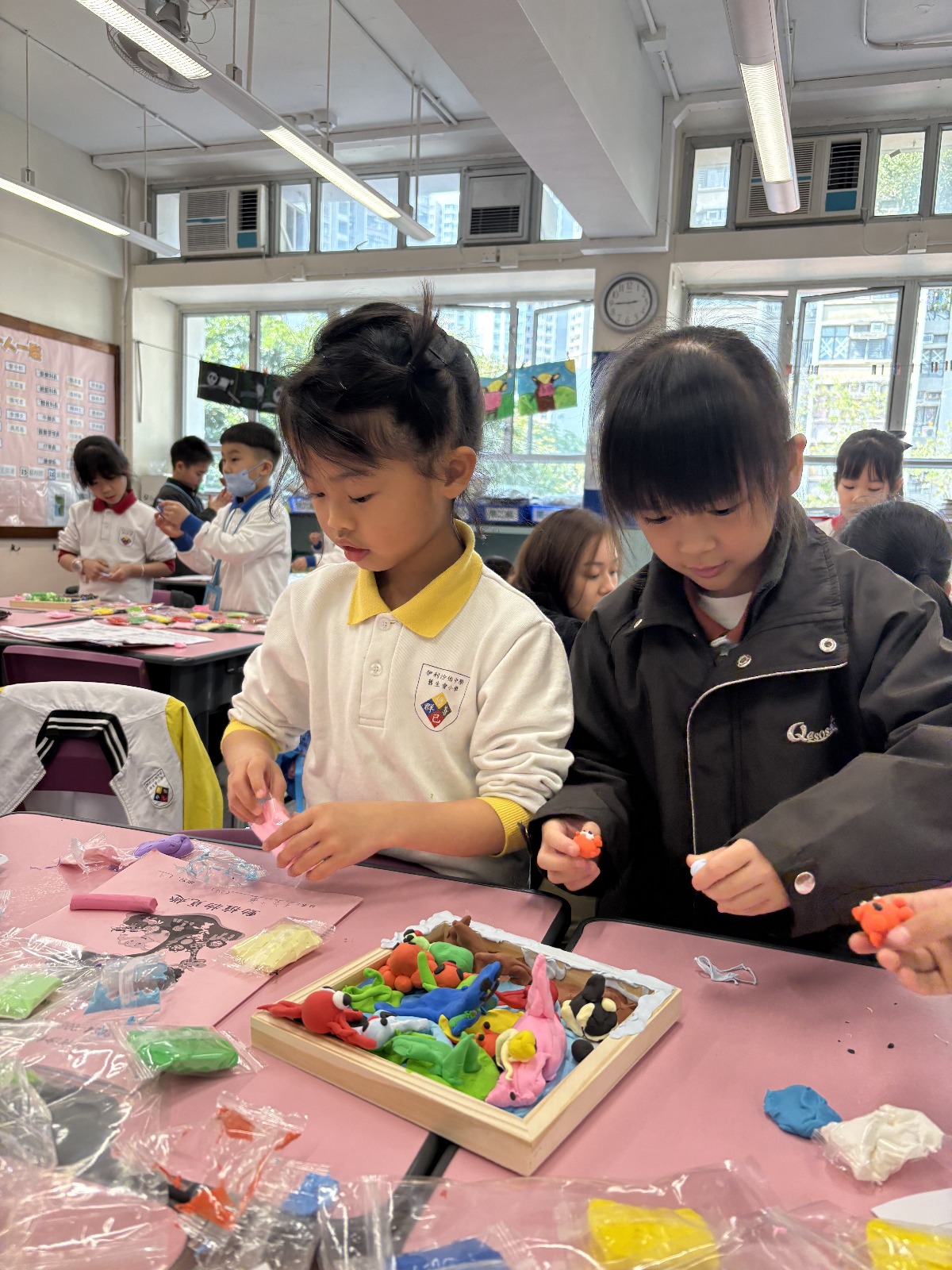
| The students' learning time is balanced, with regular courses and experiential learning courses, including life education and positive education, experiential learning, reading lessons and diverse learning. Flipped classroom teaching is implemented in each subject to cultivate students' habits of self-learning. As a key strategy for caring for student diversity, the school requires every teacher to incorporate elements such as tiered instruction, visual cues, and questioning strategies in classroom teaching. Students have rich experiences in all aspects of learning, and the school actively collaborates with external organizations to provide opportunities for students to engage in diverse learning activities, such as visits, expeditions, workshops, and more. In addition, STEAM education is implemented through project-based and inquiry-based methods to cultivate students' critical thinking and discernment skills. |
| Development of Generic Skills |
:
| Teachers regularly evaluate and improve teaching strategies through group classes and year-round sharing sessions, focusing on cultivating students' generic skills in daily class. Students' generic skills will also be consolidated through a variety of life-wide learning activities. |
| Cultivation of Proper Values, Attitudes and Behaviours |
:
| With the vision of "Positive, Proactive and Caring", we set up our school-based Personal-social Education course materials. We aim to develop students' positive attitude with the The 18 Character Qualities of QPS based on Positive Psychology theories. Our Personal-social Education classes are taught by class teachers, so that team-building elements can be tailor-made to cater to students' needs at different growing stages. We also aim to cultivate student's values and characters through grade-based thematic life education activities and subject-based value education with intellectual, emotional, volitional and practical dimensions. |
| Student Support |
| Whole School Approach to Catering for Learner Diversity |
:
| The school helps pupils identify and tackle learning difficulties. We develop pupils' learning interest, motivation and confidence, and enhance self-learning ability. 2 senior teachers will coordinate the policy and strategies to cater for individual differences. |
| Whole School Approach to Integrated Education |
:
| Our school places great importance on the differences in students' abilities. As a result, we implement "Whole School Approach" to provide student support and establish the student support team. It is responsible for coordinating and formulating various policies and measures to cater for individual differences and collaborates with other groups to support students' learning and development. We implement curriculum accommodation, assessment accommodation and individual education plans. Moreover, we set up a variety of talented programmes to the different needs of students. For counselling programmes, there are leaping classes and homework counselling classes. |
| Education Support for Non-Chinese Speaking(NCS) Students |
:
|
Our school provides additional support for NCS students to facilitate their learning of Chinese: providing after-school support programmes in learning Chinese; appointing additional teacher(s)/teaching assistant(s) to support NCS students' learning of Chinese; arranging intensive Chinese learning and teaching mode(s), e.g. pull-out learning if necessary, split-class/group learning, etc; and organising activities to create an inclusive learning environment in the school. After-school classes are arranged to help with their homework and Chinese learning.
|
| Curriculum Tailoring and Adaptation |
:
| Co-planning of all main subjects is implemented in all school levels. Curriculum tailoring and adaptation is also implemented. Teachers work together to design the teaching and learning strategies, methods and activities of each module. These can help achieve a better teaching and learning effect. |
| Home-school Co-operation and School Ethos |
| Home-School Co-operation |
:
| The school establishes the PTA to strengthen the home-school communication and connection. The school and the PTA will collaborate to hold various seminars, workshops, courses and recreational activities. The PTA establishes the parent volunteer group to recruit the parents in helping the school's learning activities.
Several parents' days, parents' meetings and students' learning outcome exhibitions will be held for parents to understand students' learning life in school each year. |
| School Ethos |
:
| The personal social education curriculum was established in accordance with the school mission, education objectives, curriculum vision and learning guidelines in collaboration with the whole school approach programs to develop a harmonic relationship between pupils and teachers and a sense of belonging in pupils. |
| Future Development |
| School Development Plan |
:
| 1. Enhance students' self-directed learning abilities and generic skills, and strengthen their learning confidence.
2. Develop students' correct values and the practice of a healthy lifestyle. |
| Teacher Professional Training & Development |
:
| External professional groups are invited to provide teaching support; regular group lessons, sharing sessions and workshops are held to share professional knowledge. Teaching quality will also be enhanced through class observation on various aspects. |
| Others |
:
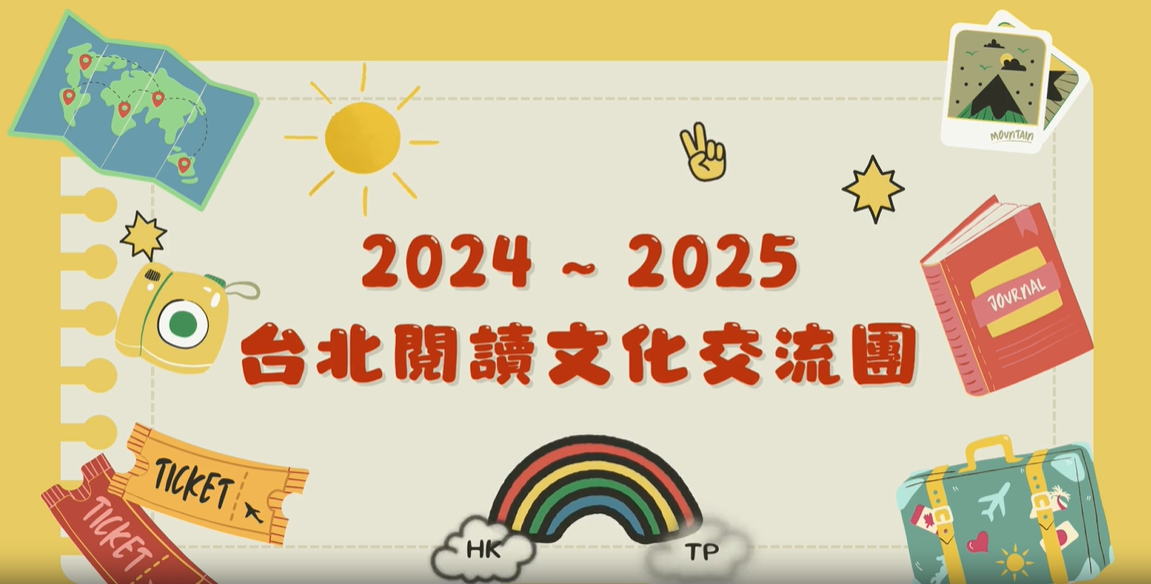
| We have been holding various overseas and mainland learning exchange activities and competitions, covering the exchange of culture and art, dance, music, sports, STEM, environmental protection, military training and visits to sister schools, etc. Students with different talents and characters have the opportunity to participate. Destinations include Tokyo, Osaka, Singapore, Taipei, Yilan, Taichung, Sichuan, Shanghai, Ningbo, Hangzhou, Xi'an, Guangzhou, Heyuan, Nanning and Dongguan. |
 Primary School Profiles 2026




 School Information
 2026/2027 Annual School Charges
 School Facilities
 Teaching Staff Information (Including School Head) in the 2025/2026 school year
 Class Structure
 Performance Assessment
 School Life
 Life-wide Learning
 School Mission
 School Characteristics
 School Map