 Primary School Profiles 2026

 Primary School Profiles 2026

| Address: | 162 Austin Road, Kowloon | |||
| Phone: | 23684204 | Email: | school@smcs.edu.hk | |
| Fax: | 23141966 | Website: | http://www.smcs.edu.hk | |
 School Information
 | Supervisor/ Chairman of Management Committee | : | Sister Wong Pui Ling Virginia |
| School Head | : | Principal Au Man Yi |
| Incorporated Management Committee been established? | : | Established |
| Percentage of School Supervisor and Managers / Chairperson and Members of School Management Committee (SMC) of Government Schools Fulfilling the Training Targets | : | 100% |
| School Type | : | Aided Whole Day |
| Student Gender | : | Girls |
| Sponsoring Body | : | Canossian Missions |
| Religion | : | Catholicism |
| Year of Commencement of Operation | : | 1900 |
| School Motto | : | One Heart And One Way |
| Area Occupied by the School | : | About 6780 Sq. M |
| Through-train Secondary School | : | St. Mary's Canossian College |
| Feeder Secondary School | : | - |
| Nominated Secondary School | : | - |
| Medium of Instruction | : | Chinese(incl.: Putonghua) and English |
| School Bus Service | : | School Bus |
| Parent-Teacher Association | : | Yes |
| Past Students' Association/Alumni Association | : | Yes |
| 4Rs Mental Health Charter | : | Yes |
| Whole School Health Programme | : | Pledged School |
 2026/2027 Annual School Charges
| School Fee | : | - |
| Tong Fai | : | - |
| PTA Fee | : | $50 |
| Approved Charges for non-standard items | : | - |
| Other Charges | : | - |
 School Facilities
 | Number of Classroom(s) | : | 24 |
| Number of School Hall(s) | : | 1 |
| Number of Playground(s) | : | 2 |
| Number of Library(ies) | : | 1 |
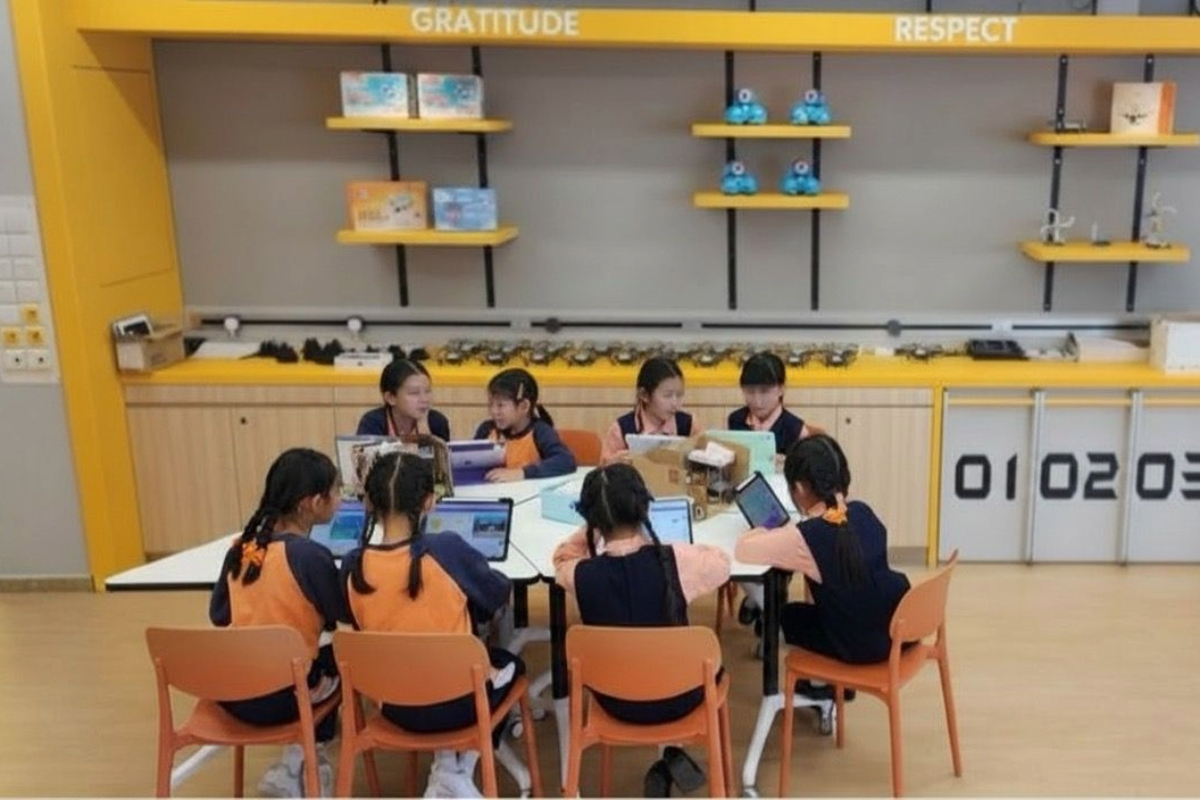
| Special Rooms | : | 10 rooms (Art Room, Music Rooms, Computer Room, Multi-Media Room, STEAM LAB, Marian Maker Space, Marian Cave Plus (Immersive Learning Room), Remedial Rooms, Activities Room). |
| Facility(ies) for Supporting Students with Special Educational Needs | : | Ramp, Accessible lift, Accessible toilet and Visual fire alarm system. |
| Others | : | Chapel, Medical Room, Student Guidance Room cum PTA Centre. |
 Teaching Staff Information (Including School Head) in the 2025/2026 school year
 | Number of teaching posts in the approved establishment | : | 44 |
| Total number of teachers in the school | : | 45 |
| Qualifications and professional training (%) | ||
| Had Received Teacher Training | : | 100% |
| Bachelor Degree | : | 58% |
| Master/ Doctorate Degree or above | : | 42% |
| Special Education Training | : | 79% |
| Years of Experience (%) | ||
| 0 - 4 years | : | 15% |
| 5 - 9 years | : | 29% |
| 10 years or above | : | 56% |
 Class Structure
 | 2025/26 school year | ||
| P1 Number of classes | : | 4 |
| P2 Number of classes | : | 4 |
| P3 Number of classes | : | 4 |
| P4 Number of classes | : | 4 |
| P5 Number of classes | : | 4 |
| P6 Number of classes | : | 4 |
| Total | : | 24 |
| 2026/27 school year (Based on the number of classes approved by EDB in 2026) | ||
| P1 Number of classes | : | 4 |
| P2 Number of classes | : | 4 |
| P3 Number of classes | : | 4 |
| P4 Number of classes | : | 4 |
| P5 Number of classes | : | 4 |
| P6 Number of classes | : | 4 |
| Total | : | 24 |
| Mode of teaching at different levels | ||
| Activity-Based Teaching, Self-Directed Learning, Collaborative Teaching, Group/Cooperative Learning | ||
| Remarks | ||
| - | ||
 Performance Assessment
 | Applicable to P1 only | ||
| Number of test(s) per year | : | 0 |
| Number of exam(s) per year | : | 2 |
| Replace tests and examinations with diversified assessments in the first term of P1 | : | Yes |
| Applicable to P2 to P6 only | ||
| Number of test(s) per year | : | 0 |
| Number of exam(s) per year | : | 3 |
| Applicable to P1 to P6 | ||
| Formulate appropriate school-based assessment and assignment policies, inform parents of related arrangements, and collect views from teachers, students and parents regularly (at least once per school year) for ongoing review and optimisation of the school assessment and assignment policies | : | Yes |
| Upload the school-based assessment policy onto the school webpage for information of the public and stakeholders | : | Yes |
| Upload the school-based assignment policy onto the school webpage for information of the public and stakeholders | : | Yes |
| Diversified Assessment for Learning | : | Assessment for learning: Self-Assessment, Peer Assessment, Formative Assessment, Project-Based Assessment, Summative Assessment, Practical Assessment, Oral Assessment |
| Avoid arranging tests or examinations immediately after long holidays in order to let students take more rest during the holidays | : | Yes |
| Arrange the timetable flexibly according to the school context, with a tutorial session provided in the afternoon as far as possible for students to finish some of their homework under teachers’ guidance | : | Yes |
| Streaming arrangement | : | P.1 classes are mixed-ability. From P.2 to P.6, students are grouped by students’ abilities, with both Putonghua-as-the-medium-of-instruction (PMI) and Cantonese-as-the-medium-of-instruction (CMI) classes. |
 School Life
 | Number of school days per week | : | 5 |
| Number of periods per day | : | 9 |
| Duration of each normal period | : | 35 |
| School starts at | : | 8:05 AM |
| School ends at | : | 3:00 PM |
| Lunch break | : | 12:20 - 1:20 |
| Lunch arrangement | : | Provided by designated supplier and arranged by parents. |
| Healthy school life | : | We promote healthy living through morning exercises, recess sports, lunchtime activities, and sports events and competitions. Board games, the “Big Sister” programme, and Reading Buddy Ambassadors help students build healthy habits and positive relationships. “Fruit and Vegetable Month” and a performance platform strengthen balanced-diet awareness, confidence, and self-expression. Mindfulness and emotional management support holistic well-being. |
| Remarks | : | - |
 Life-wide Learning
 | Our school offers over 30 interest groups and more than 50 extra-curricular activities, including uniformed groups, excursions, Sports Day, overseas exchange programmes, inter/intra-school academic, arts and sports activities, volunteer services, and summer programmes, enabling students to develop their potential. In addition, our Integrated Lessons provide diversified learning experiences that enrich students’ learning and foster positive values. |
 School Mission
 | The School upholds the educational philosophy of the Canossian Daughters of Charity by developing students' integrity and gospel values through a balanced educational programme. The School attaches great importance to moral, intellectual, physical, social, aesthetic and spiritual development, to live up to the school motto "One Heart and One Way". With these qualities, St Marians would in return contribute to their families, school, community and country. |
 School Characteristics
 | School Management | ||
| School Management Organisation | : | Based on the Education Bureau’s performance indicators, we divide our core teams into four major categories and establish different working groups to drive school development. We foster a culture of self-assessment, the whole school approach of 'Planning-Implementation-Evaluation' is implemented. We utilize stakeholder surveys to collect data for continuous improvement in teaching and learning. |
| Incorporated Management Committee / School Management Committee/ Management Committee | : | The Incorporated Management Committee consists of 14 members. It has been set up to manage the School and to promote education in the School, ensuring that the Vision, Mission and Core Values of the School are carried out. |
| School Green Policy | : | We put efforts to arouse children's concern about the environment. |
| School's Major Concerns | : | 1. We implement the Canossian educational philosophy to nurture students’ spiritual growth, helping them understand, experience, and transmit the core values of Canossian education for holistic development. 2. Lead a healthy lifestyle, develop personal hobbies and talents in order to achieve a balanced physical and mental development. 3. Through cross-curricular learning, we promote STEAM by integrating technology and interactive learning to strengthen students’ generic skills and learning capacity. |
| Learning and Teaching Plan | ||
| Learning & Teaching Strategies | : | 1. We encourage self-directed learning and e-learning strategies to develop students’ lifelong learning abilities. Our BYOD program (for Pr. 4-6) fosters students’ information literacy. 2. By optimizing lesson and learning time through blended learning, we provide meaningful pre-learning and post-extension activities. We design diverse learning experiences for students, inspiring their multifaceted potential through various learning opportunities. 3. Evidence-based review and feedback drive our teaching practices, aiming to enhance both teaching and learning effectiveness. 4. In addition to regular classroom learning, students participate in various learning activities, such as school-based gifted programs, comprehensive learning experiences, outdoor learning, and overseas exchanges, enriching their educational journey. |
| Development of Major Renewed Emphases of the Primary Education Curriculum | : | 1. Utilize blended learning and flexible schedules to create learning opportunities and enrich students' experiences. 2. Emphasize value education, including Chinese culture, National Security Education, to promote students' holistic development. 3. Encourage interdisciplinary learning through project-based studies, integrating STEAM education to foster creativity, problem-solving, and generic skills. Use tech knowledge to improve lives and support those in need, while embodying compassion and humility. 4. Promote healthy living habits through sports and mental well-being activities to achieve balanced physical, mental, and spiritual development. |
| Development of Generic Skills | : | Through subject-based and cross-curricular learning activities, we promote STEAM education by integrating technology and interactive learning. Together with classroom learning and a wide range of diversified activities, we develop students’ generic skills, connect learning with real-life contexts, and continuously strengthen their learning capacity. |
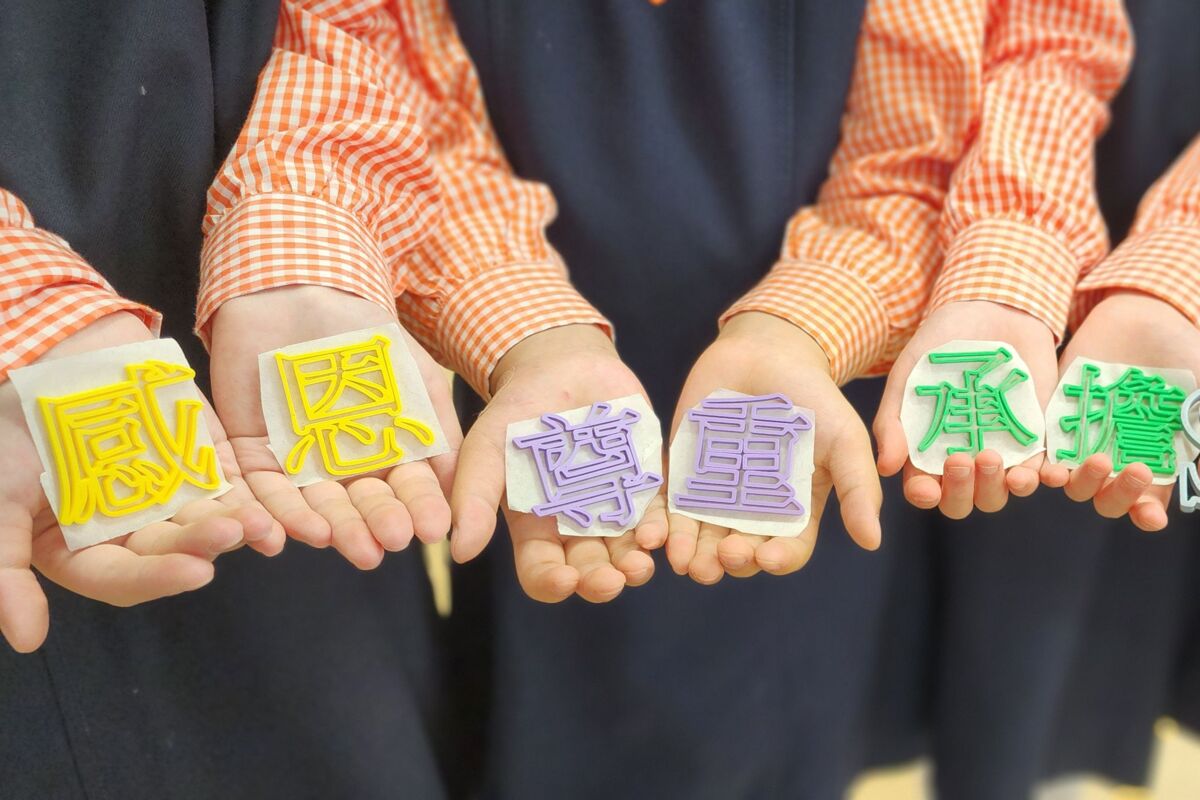
| Cultivation of Proper Values, Attitudes and Behaviours | : | Our school values a caring campus culture, actively promoting values education. We emphasize gratitude, respect, and responsibility as core elements, enabling students to build a positive and resilient mindset during their six years of primary school. |
| Student Support | ||
| Whole School Approach to Catering for Learner Diversity | : | We implement the differentiated instruction strategies in the classroom. Enrichment classes for elite students and remedial classes for weaker students. Speech therapist and educational psychologist pay regular visits to help students in need. |
| Whole School Approach to Integrated Education | : | Funds from the Learning Support Grant and the Enhanced Speech Therapy Grant are deployed to support students with SEN and cater for student diversity. Students are provided with diversified modes of support to enhance their learning effectiveness and help them adapt to school life. |
| Education Support for Non-Chinese Speaking(NCS) Students | : | Our school provides additional support for NCS students to facilitate their learning of Chinese: providing after-school support programmes in learning Chinese; organising activities to create an inclusive learning environment in the school; and our school uses Putonghua to teach Chinese in all classes / groups at certain levels with extra support as appropriate, e.g. pull-out/small-group classes, learning and teaching resources with Pinyin, etc. |
| Curriculum Tailoring and Adaptation | : | - |
| Home-school Co-operation and School Ethos | ||
| Home-School Co-operation | : | The PTA plays a crucial role in the school by organizing workshops, seminars on parenting and parent-child activities and subsidizing the expenses on exchange study tours and activities. Newsletters are published regularly so as to inform parents of their children's school life. Representatives from the PTA supervise school bus, lunch boxes, and take part in school tendering affairs. Volunteers provide valuable manpower support. |
| School Ethos | : | In the Canossian spirit, our school has a strong religious atmosphere and is committed to spiritual formation and whole-person development. We nurture students to build sound values and to live out gratitude, respect and responsibility in their daily lives, while fostering a mindset of striving for excellence. Teachers and students cherish campus life, care for one another, and uphold a tradition of simplicity, humility and service with love. We encourage active participation and learning through authentic experiences, and provide comprehensive support for students’ physical, emotional, spiritual and learning needs. We strive to help every student give their best, pursue a healthy and joyful life with a sense of mission, and together build a caring and vibrant school community. |
| Future Development | ||
| School Development Plan | : | 1. Promote Canossian Values Education by nurturing gratitude, respect and responsibility, and fostering a positive outlook on life. 2. Build a whole-school atmosphere to enhance students’ understanding of the country and Chinese culture, strengthen national awareness and identity, and encourage the practice of Chinese virtues. 3. Promote healthy living and positive life attitudes to support students’ physical, emotional and spiritual well-being, and develop positive thinking. 4. Through cross-curricular learning, integrate technology and interactive learning, connect learning with real-life contexts, develop generic skills, and continuously enhance students’ learning capacity. 5. In response to the development of digital education and artificial intelligence (AI), appropriately integrate AI into the curriculum and learning activities, promote AI-supported learning to improve learning effectiveness and self-directed learning, and strengthen students’ digital literacy and competence. |
| Teacher Professional Training & Development | : | To align with education reforms and the school’s development, the school is committed to creating time and capacity at the whole-school level and systematically arranging a range of teacher training programmes, enabling teachers to engage in collaborative, ongoing professional development. The school also encourages teachers to pursue further studies according to individual needs, fostering continuous professional growth. |
| Others | : | - |
 School Map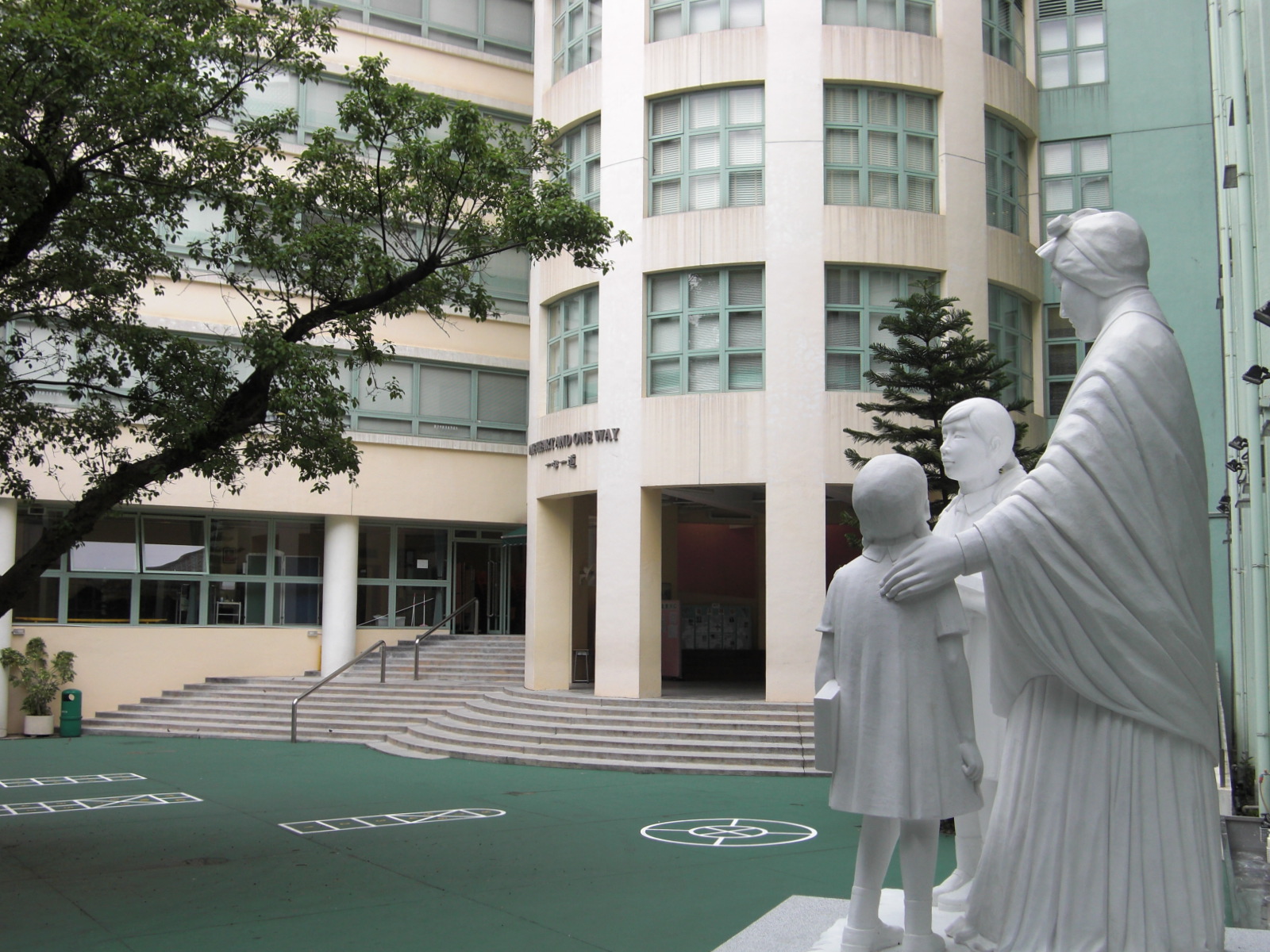
Last revision date:01 September 2026


