 Primary School Profiles 2026

 Primary School Profiles 2026

| Address: | 8 On Hei Street, Sai Kung, New Territories | |||
| Phone: | 23661530 | Email: | egpsinfo@edb.gov.hk | |
| Fax: | 23141850 | Website: | https://www.egps.edu.hk | |
 School Information
 | Supervisor/ Chairman of Management Committee | : | Mr. Leung Pak Wai |
| School Head | : | Mr. Chan Kwok Keung |
| Incorporated Management Committee been established? | : | Not Applicable |
| Percentage of School Supervisor and Managers / Chairperson and Members of School Management Committee (SMC) of Government Schools Fulfilling the Training Targets | : | 100% |
| School Type | : | Gov't Whole Day |
| Student Gender | : | Co-ed |
| Sponsoring Body | : | Government |
| Religion | : | Not Applicable |
| Year of Commencement of Operation | : | 2025 |
| School Motto | : | Kindness, Love, Honest, Trust, Erudite, Altruistic |
| Area Occupied by the School | : | About 6000 Sq. M |
| Through-train Secondary School | : | - |
| Feeder Secondary School | : | - |
| Nominated Secondary School | : | Queen Elizabeth School, Homantin Government Secondary School, Jockey Club Government Secondary School, Kowloon Technical School |
| Medium of Instruction | : | Chinese |
| School Bus Service | : | School Bus |
| Parent-Teacher Association | : | Yes |
| Past Students' Association/Alumni Association | : | - |
| 4Rs Mental Health Charter | : | Yes |
| Whole School Health Programme | : | Action School |
 2026/2027 Annual School Charges
| School Fee | : | - |
| Tong Fai | : | - |
| PTA Fee | : | 100 |
| Approved Charges for non-standard items | : | School-based Management Fee $300 |
| Other Charges | : | - |
 School Facilities
 | Number of Classroom(s) | : | 30 |
| Number of School Hall(s) | : | 1 |
| Number of Playground(s) | : | 2 |
| Number of Library(ies) | : | 1 |
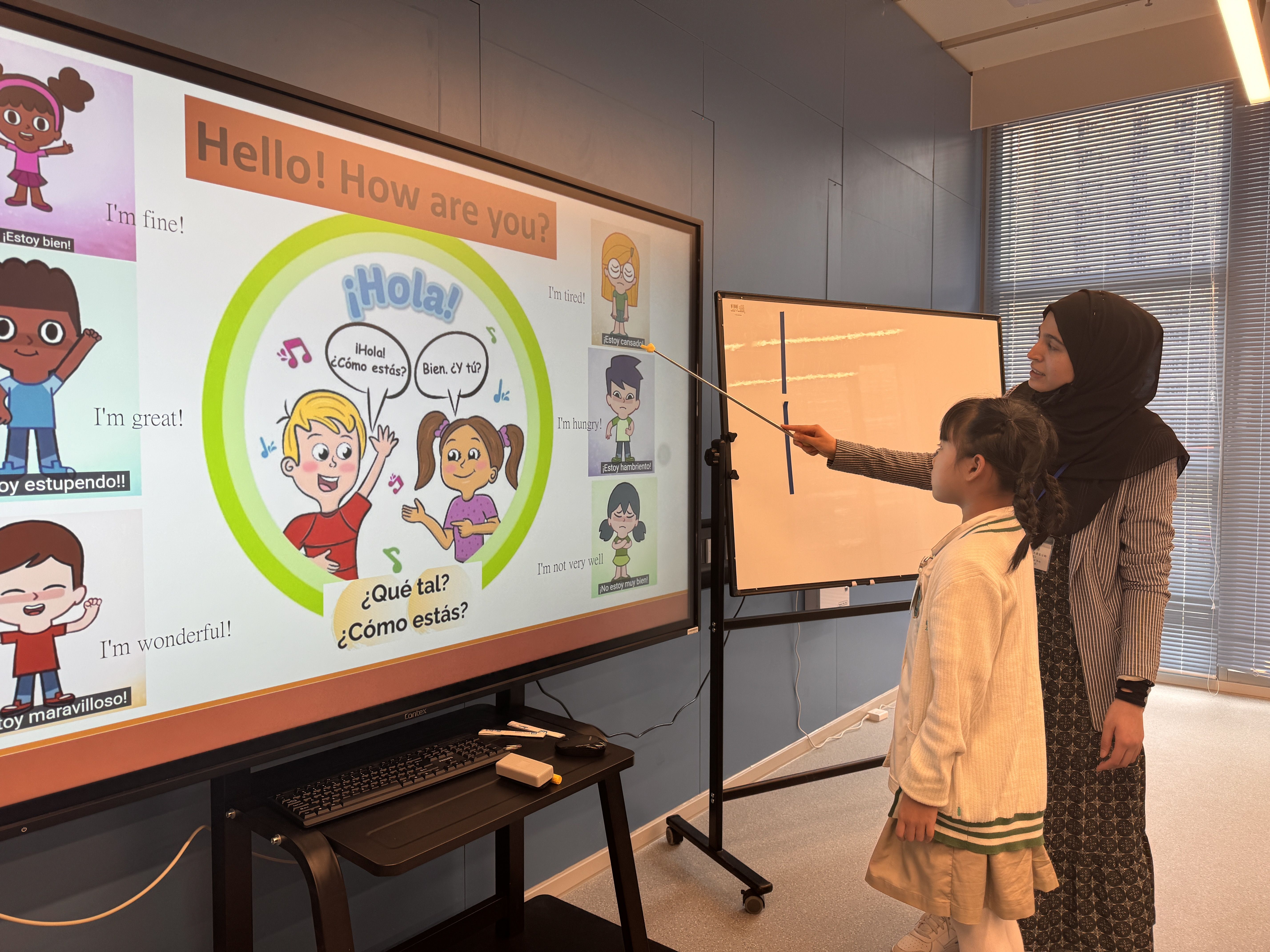
| Special Rooms | : | AI Lab, Science Explorium, Multilingual Centre, Art Room, Music Room, Chinese Culture Room, Library, Hall, Student Activity Centre, Multipurpose Room. |
| Facility(ies) for Supporting Students with Special Educational Needs | : | Ramp, Accessible lift, Accessible toilet, Tactile guide path and Accessible public information / service counter. |
| Others | : | All classrooms are equipped with interactive whiteboards, audio systems, and other technologies to help students learn more effectively. |
 Teaching Staff Information (Including School Head) in the 2025/2026 school year
 | Number of teaching posts in the approved establishment | : | 17 |
| Total number of teachers in the school | : | 17 |
| Qualifications and professional training (%) | ||
| Had Received Teacher Training | : | 100% |
| Bachelor Degree | : | 100% |
| Master/ Doctorate Degree or above | : | 41% |
| Special Education Training | : | 100% |
| Years of Experience (%) | ||
| 0 - 4 years | : | 6% |
| 5 - 9 years | : | 18% |
| 10 years or above | : | 76% |
 Class Structure
 | 2025/26 school year | ||
| P1 Number of classes | : | 1 |
| P2 Number of classes | : | 2 |
| P3 Number of classes | : | 1 |
| P4 Number of classes | : | 1 |
| P5 Number of classes | : | 1 |
| P6 Number of classes | : | 1 |
| Total | : | 7 |
| 2026/27 school year (Based on the number of classes approved by EDB in 2026) | ||
| P1 Number of classes | : | 3 |
| P2 Number of classes | : | 2 |
| P3 Number of classes | : | 3 |
| P4 Number of classes | : | 2 |
| P5 Number of classes | : | 1 |
| P6 Number of classes | : | 1 |
| Total | : | 12 |
| Mode of teaching at different levels | ||
| 1. Our school uses small class teaching to enhance student learning outcomes through cooperative learning and interactive group activities. 2. Through diverse, innovative technology activities and digital learning platforms, our school develops the talents of future leaders in science and technology. |
||
| Remarks | ||
| - | ||
 Performance Assessment
 | Applicable to P1 only | ||
| Number of test(s) per year | : | 0 |
| Number of exam(s) per year | : | 0 |
| Replace tests and examinations with diversified assessments in the first term of P1 | : | Yes |
| Applicable to P2 to P6 only | ||
| Number of test(s) per year | : | 0 |
| Number of exam(s) per year | : | 3 |
| Applicable to P1 to P6 | ||
| Formulate appropriate school-based assessment and assignment policies, inform parents of related arrangements, and collect views from teachers, students and parents regularly (at least once per school year) for ongoing review and optimisation of the school assessment and assignment policies | : | Yes |
| Upload the school-based assessment policy onto the school webpage for information of the public and stakeholders | : | Yes |
| Upload the school-based assignment policy onto the school webpage for information of the public and stakeholders | : | Yes |
| Diversified Assessment for Learning | : | Our academic year is divided into three terms. Primary 1: No formal examinations. Students are assessed through formative assessments in Term 1, followed by a combination of formative and summative assessments in Terms 2 and 3. Primary 2–6: One examination per term (three per year) to monitor and enhance learning progress. |
| Avoid arranging tests or examinations immediately after long holidays in order to let students take more rest during the holidays | : | Yes |
| Arrange the timetable flexibly according to the school context, with a tutorial session provided in the afternoon as far as possible for students to finish some of their homework under teachers’ guidance | : | Yes |
| Streaming arrangement | : | By adopting school-wide mixed-ability classes, this policy enables our educators to nurture diverse strengths, bringing our vision of personalized education to life. |
 School Life
 | Number of school days per week | : | 5 |
| Number of periods per day | : | 7 |
| Duration of each normal period | : | 40 |
| School starts at | : | 8:15 AM |
| School ends at | : | 3:30 PM |
| Lunch break | : | 1:00 - 2:00 |
| Lunch arrangement | : | Provided by designated supplier and arranged by parents. |
| Healthy school life | : | Our school is committed to implementing a healthy eating policy and promoting students' exercise habits through a physical fitness policy. |
| Remarks | : | Our curriculum balances academic rigor with holistic development through a flexible schedule: Mornings: Dedicated to academic inquiry. Afternoons: Focused on applied learning and practical knowledge. Thursdays: Reserved for holistic enrichment, including physical, and artistic activities. Fridays: Centered on personal growth through school assemblies, service learning, and team training. |
 Life-wide Learning
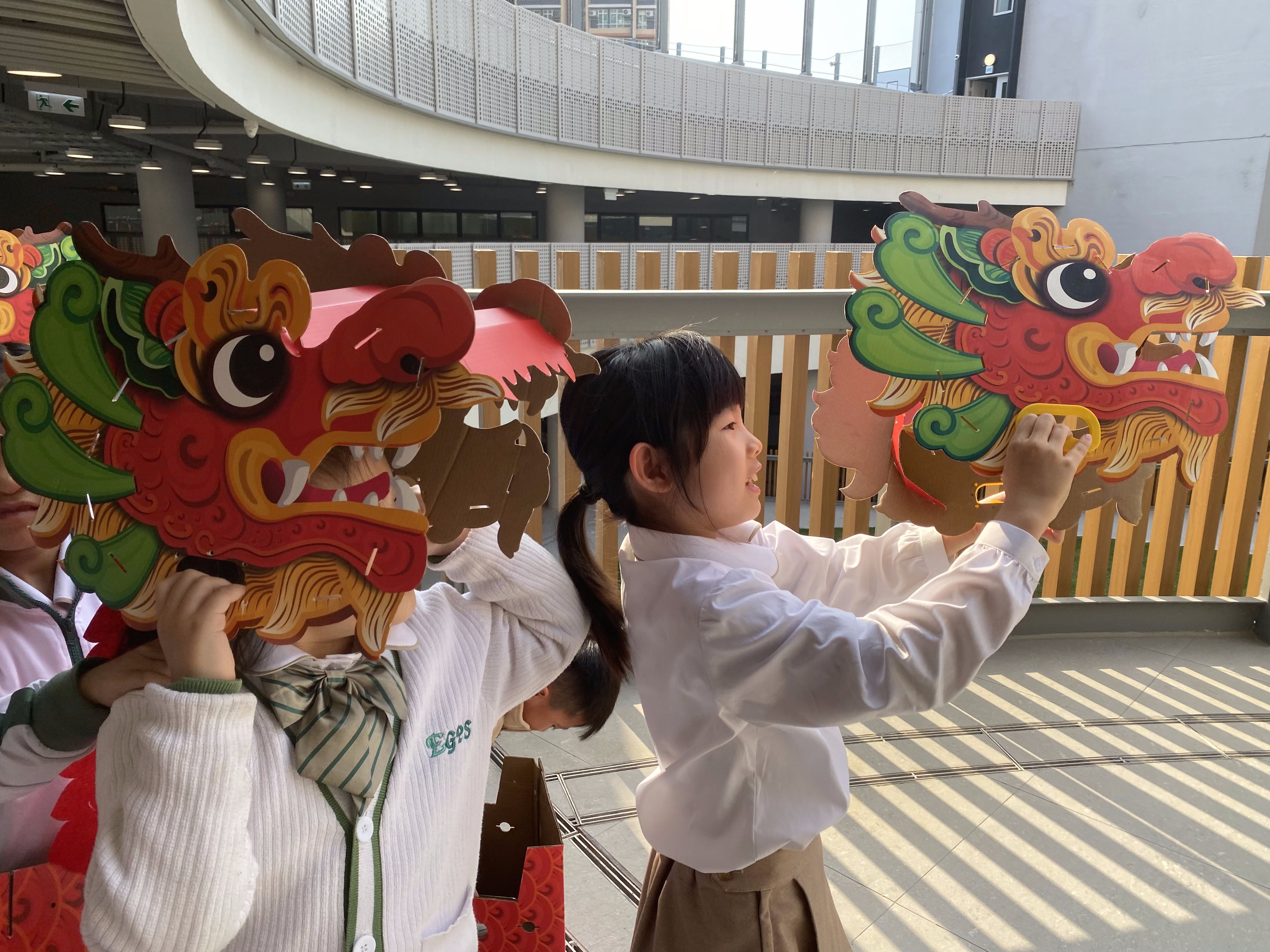
 | Our school offers classes of values education, personal growth education and life planning education, along with comprehensive cultural and physical activities. In addition, our school provides service learning opportunities, training for various school teams, and interest classes to enrich students' experiences. |
 School Mission
 | Our school is dedicated to promoting holistic education, developing students' innovative thinking, and cultivating the proper values and a curious attitude towards learning. We aim to nurture well-rounded individuals who are morally grounded, socially responsible, globally minded, and committed to excellence. |
 School Characteristics
 | School Management | ||
| School Management Organisation | : | The School Management Committee has been established in the 2025/26 school year. |
| Incorporated Management Committee / School Management Committee/ Management Committee | : | The School Management Committee includes EDB officers, the School Head, teacher representatives and parent representatives. Committee members meet regularly to discuss the new education issues and important matters arising in the school. |
| School Green Policy | : | We are dedicated to fostering a green campus culture through smart monitoring systems and environmental data analysis. By integrating waste reduction and energy-saving measures into daily life, we guide students to evaluate resource management. |
| School's Major Concerns | : | 1. Through values education, our school cultivates qualities of good citizenship in our students and assist them in establishing active and healthy lifestyles. 2. Our school provides high-quality learning experiences that enhance students' abilities to explore and innovate in academic and creative technology fields. |
| Learning and Teaching Plan | ||
| Learning & Teaching Strategies | : | 1. The World of Technology and Science: Students engage in hands-on exploration and intelligent technology projects, to develop the ability to transform knowledge and skills into solutions for real-life problems. This lays a strong foundation for future research and a digital society. 2. International Classroom Curriculum: Students learn in bilingual and trilingual classes, including foreign languages ( such as French or Spanish), enabling them to communicate and understand peers from different countries and regions. This fosters flexible thinking and intercultural awareness. 3. Flexible Learning Approaches: During flexible class periods, students can participate in advanced education programmes or pursue individual specialised studies, allowing them to engage in self-directed learning according to their own plans. |
| Development of Major Renewed Emphases of the Primary Education Curriculum | : | 1. Organize innovative technology activities that enable students to unleash their creativity and develop problem-solving skills in real-world technological environments. 2. Utilize AI data-driven intelligent teaching to enhance learning effectiveness in science and language education. 3. Integrate contextual learning with digital technology to foster self-directed learning. 4. Encourage interdisciplinary reading to build broad scientific and cultural perspectives. 5. Create supportive environments for holistic well-being, nurturing positive values such as respect for nature and appreciation of resources and cultivating responsible citizenship. |
| Development of Generic Skills | : | Our school focuses on developing the following competencies: 1. Develop collaboration skills through group learning 2. Foster innovative thinking to enhance creativity 3. Encourage multi-perspective thinking to inspire critical thinking skills 4. Enhancing digital literacy skills 5. Stimulating thinking to improve problem-solving skills 6. Learning to read and process information to enhance research skills |
| Cultivation of Proper Values, Attitudes and Behaviours | : | 1. Embed values education across the school curriculum and daily school life, and promote positive education through service learning. 2. Stimulate curiosity and guide students to actively explore the mysteries of science and world cultures. 3. Develop a strong sense of team spirit and believe that individual abilities should contribute to the collective well-being. |
| Student Support | ||
| Whole School Approach to Catering for Learner Diversity | : | 1. Qualified teachers collaborate in the classroom to effectively address the diverse learning needs of students. 2. Offer diverse learning support services and gifted education programmes. 3. Leverage smart systems and AI tools to analyze students' learning progress, enhance the effectiveness of support and realize the ideal of "teaching in accordance with students' abilities". |
| Whole School Approach to Integrated Education | : | The school supports students with special educational needs through a "whole-school participation" model. The school provides appropriate and diverse support services to help students develop their potential and promote mutual respect for individual differences among all teachers and students, thus creating an inclusive campus. |
| Education Support for Non-Chinese Speaking(NCS) Students | : | Our school provides additional support for NCS students to facilitate their learning of Chinese: providing after-school support programmes in learning Chinese; developing school-based Chinese Language curriculum and/or adapting learning and teaching materials; and organising activities to create an inclusive learning environment in the school. |
| Curriculum Tailoring and Adaptation | : | 1. The school is dedicated to developing student-centred school-based curriculum materials to enhance teaching effectiveness and maintain high academic standards. 2. Inclusive School Culture: Diversified activities are organized to foster an inclusive and supportive environment, fostering a strong sense of belonging among all learners. |
| Home-school Co-operation and School Ethos | ||
| Home-School Co-operation | : | Our school maintains a close relationship with parents by systematically organising parent education courses, talks, parent-child activities, and diverse communication opportunities. Effective home-school communication is further strengthened through newsletters, the school website and parent networks. |
| School Ethos | : | 1. Establish a culture of care, enabling students to be self-disciplined and respect themselves and others. 2. Create a harmonious atmosphere characterized by friendliness, cooperation and positive relationships. |
| Future Development | ||
| School Development Plan | : | Our school aims to broaden students' knowledge of innovation and technology and skills in applying artificial intelligence, nurture analytical, problem-solving and creative thinking abilities, and promote cross-disciplinary learning and application in STEAM education. |
| Teacher Professional Training & Development | : | 1. Support teachers in designing thematic study units that translate theory into hands-on practical teaching approaches. 2. Train teachers to utilize student performance data collected by the AI learning platform for instructional planning. 3. Develop teachers' ability to use AI supported language tools to enhance students' interaction in biliteracy and trilingualism. |
| Others | : | 1. Our school campus is designed with an innovative vision, featuring a modern and distinctive outlook that balances aesthetics with functionality. 2. Our school offers orientation and adaptation activities for P1 students to help them integrate smoothly into primary school life. |
 School Map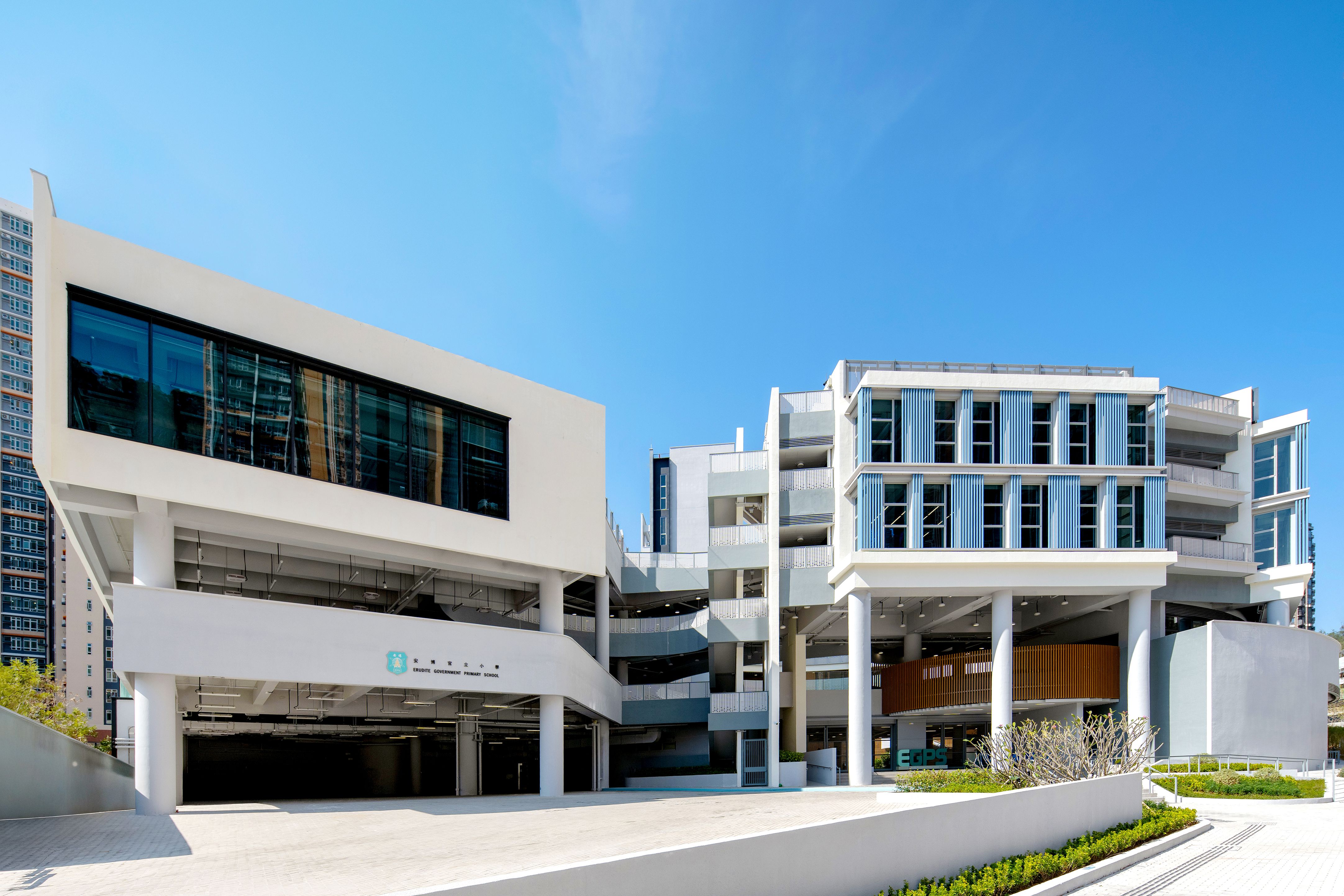

Last revision date:01 September 2026


