 Primary School Profiles 2026

 Primary School Profiles 2026

| Address: | 30 Kwok Man Road, Cheung Chau, N.T. | |||
| Phone: | 29810432 | Email: | info@cckms.edu.hk | |
| Fax: | 29816345 | Website: | http://www.cckms.edu.hk | |
 School Information
 | Supervisor/ Chairman of Management Committee | : | Mr. Lau Hon Wing |
| School Head | : | Ms. Kwok Yuen Ki |
| Incorporated Management Committee been established? | : | Established |
| Percentage of School Supervisor and Managers / Chairperson and Members of School Management Committee (SMC) of Government Schools Fulfilling the Training Targets | : | Not Applicable |
| School Type | : | Aided Whole Day |
| Student Gender | : | Co-ed |
| Sponsoring Body | : | The Incorporated Management Committee Of Kwok Man School |
| Religion | : | Not Applicable |
| Year of Commencement of Operation | : | 1899 |
| School Motto | : | Politeness, Righteousness, Diligence and Honesty |
| Area Occupied by the School | : | About 2500 Sq. M |
| Through-train Secondary School | : | - |
| Feeder Secondary School | : | - |
| Nominated Secondary School | : | - |
| Medium of Instruction | : | Chinese |
| School Bus Service | : |
- |
| Parent-Teacher Association | : | Yes |
| Past Students' Association/Alumni Association | : | Yes |
| 4Rs Mental Health Charter | : | Yes |
| Whole School Health Programme | : | Action School |
 2026/2027 Annual School Charges
| School Fee | : | - |
| Tong Fai | : | - |
| PTA Fee | : | $40 |
| Approved Charges for non-standard items | : | - |
| Other Charges | : | replacement of student card $10 |
 School Facilities
 | Number of Classroom(s) | : | 17 |
| Number of School Hall(s) | : | 1 |
| Number of Playground(s) | : | 2 |
| Number of Library(ies) | : | 1 |
| Special Rooms | : | 8 Rooms (English Room, Activities Room, Computer Room, Music Room, Teaching and Learning Resources Room, Visual Art Room, E-library and Stem Room). |
| Facility(ies) for Supporting Students with Special Educational Needs | : | Ramp, Accessible lift and Accessible toilet. |
| Others | : | e-classroom, 2 classrooms for IRTP, farm and Multi-Media facilities. |
 Teaching Staff Information (Including School Head) in the 2025/2026 school year
 | Number of teaching posts in the approved establishment | : | 26 |
| Total number of teachers in the school | : | 30 |
| Qualifications and professional training (%) | ||
| Had Received Teacher Training | : | 100% |
| Bachelor Degree | : | 100% |
| Master/ Doctorate Degree or above | : | 27% |
| Special Education Training | : | 56% |
| Years of Experience (%) | ||
| 0 - 4 years | : | 38% |
| 5 - 9 years | : | 28% |
| 10 years or above | : | 34% |
 Class Structure
 | 2025/26 school year | ||
| P1 Number of classes | : | 2 |
| P2 Number of classes | : | 2 |
| P3 Number of classes | : | 2 |
| P4 Number of classes | : | 2 |
| P5 Number of classes | : | 2 |
| P6 Number of classes | : | 2 |
| Total | : | 12 |
| 2026/27 school year (Based on the number of classes approved by EDB in 2026) | ||
| P1 Number of classes | : | 2 |
| P2 Number of classes | : | 2 |
| P3 Number of classes | : | 2 |
| P4 Number of classes | : | 2 |
| P5 Number of classes | : | 2 |
| P6 Number of classes | : | 2 |
| Total | : | 12 |
| Mode of teaching at different levels | ||
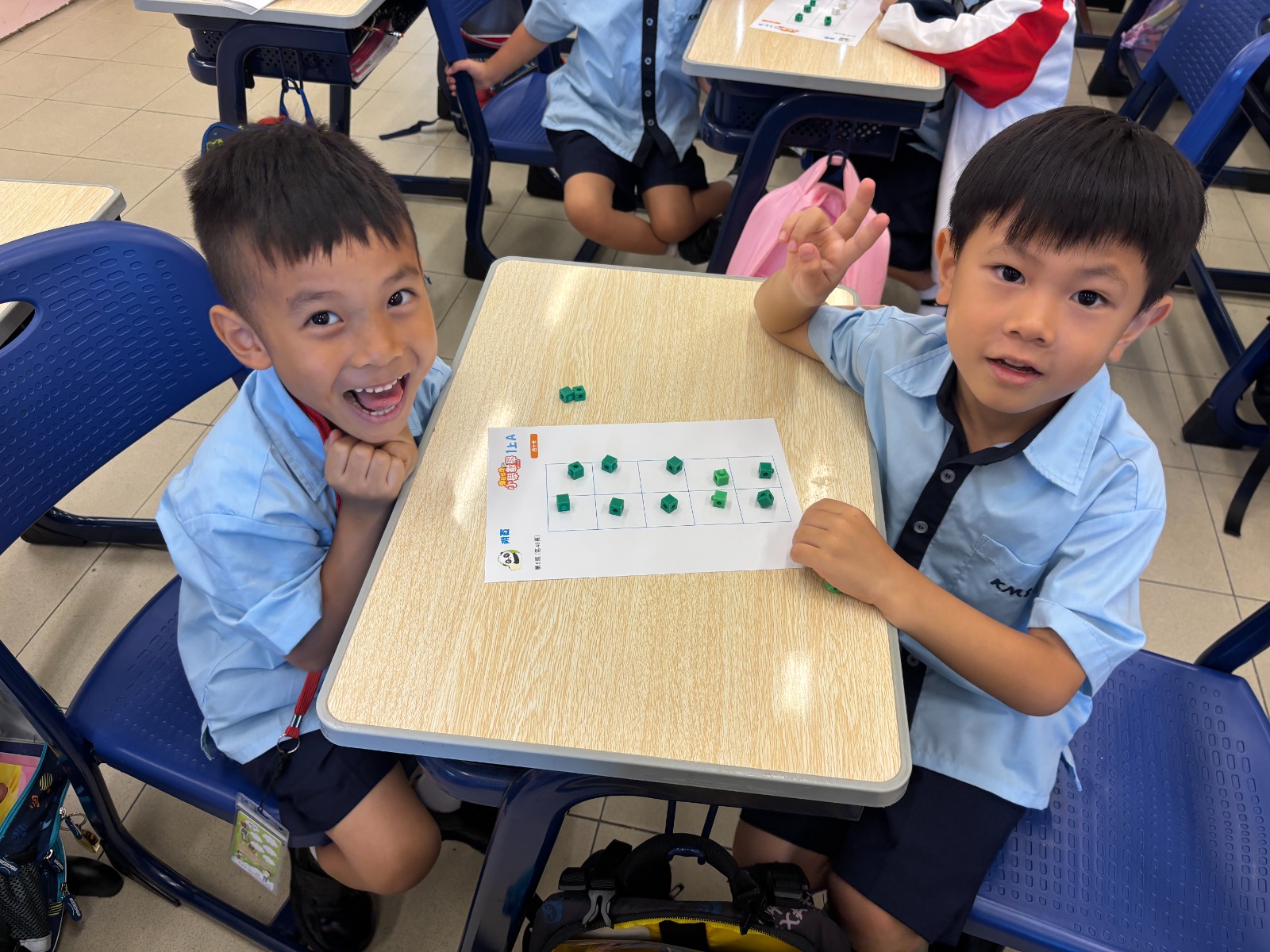
| Small-class teaching. To cater for students' diverse learning needs, we adopt 'whole-school approach' and provide remedial classes in small group size before school for students who need extra help in Chinese, English or Mathematics. | ||
| Remarks | ||
| School employs two foreign English teachers to have 2-4 SESSIONs of NET classes per week for students at all levels to strengthen their English skills. A third NET is also employed for organising English activities that enhance English learning at the school. | ||
 Performance Assessment
 | Applicable to P1 only | ||
| Number of test(s) per year | : | 0 |
| Number of exam(s) per year | : | 3 |
| Replace tests and examinations with diversified assessments in the first term of P1 | : | Yes |
| Applicable to P2 to P6 only | ||
| Number of test(s) per year | : | 0 |
| Number of exam(s) per year | : | 3 |
| Applicable to P1 to P6 | ||
| Formulate appropriate school-based assessment and assignment policies, inform parents of related arrangements, and collect views from teachers, students and parents regularly (at least once per school year) for ongoing review and optimisation of the school assessment and assignment policies | : | Yes |
| Upload the school-based assessment policy onto the school webpage for information of the public and stakeholders | : | Yes |
| Upload the school-based assignment policy onto the school webpage for information of the public and stakeholders | : | Yes |
| Diversified Assessment for Learning | : | In the daily teaching and learning, teachers will conduct formative assessments such as unit assessment, verbal feedback, projects, presentations and online learning to understand the learning progress of students. |
| Avoid arranging tests or examinations immediately after long holidays in order to let students take more rest during the holidays | : | Yes |
| Arrange the timetable flexibly according to the school context, with a tutorial session provided in the afternoon as far as possible for students to finish some of their homework under teachers’ guidance | : | Yes |
| Streaming arrangement | : | Integrated classes based on ranking. |
 School Life
 | Number of school days per week | : | 5 |
| Number of periods per day | : | 9 |
| Duration of each normal period | : | 35 |
| School starts at | : | 8:30 AM |
| School ends at | : | 3:10 PM |
| Lunch break | : | 12:00 - 1:00 |
| Lunch arrangement | : | Arranged by parents or at home. |
| Healthy school life | : | Creating a healthy campus environment. Developing healthy lifestyle habits among students. Identifying students in need and establishing appropriate referral mechanisms. |
| Remarks | : | Free self-study classes are offered until 4:30 pm with learning support provided. In addition, there are various types of after-school support and counseling groups, weekly assemblies, personal development classes, library classes, and extracurricular activities that develop multiple intelligences. |
 Life-wide Learning
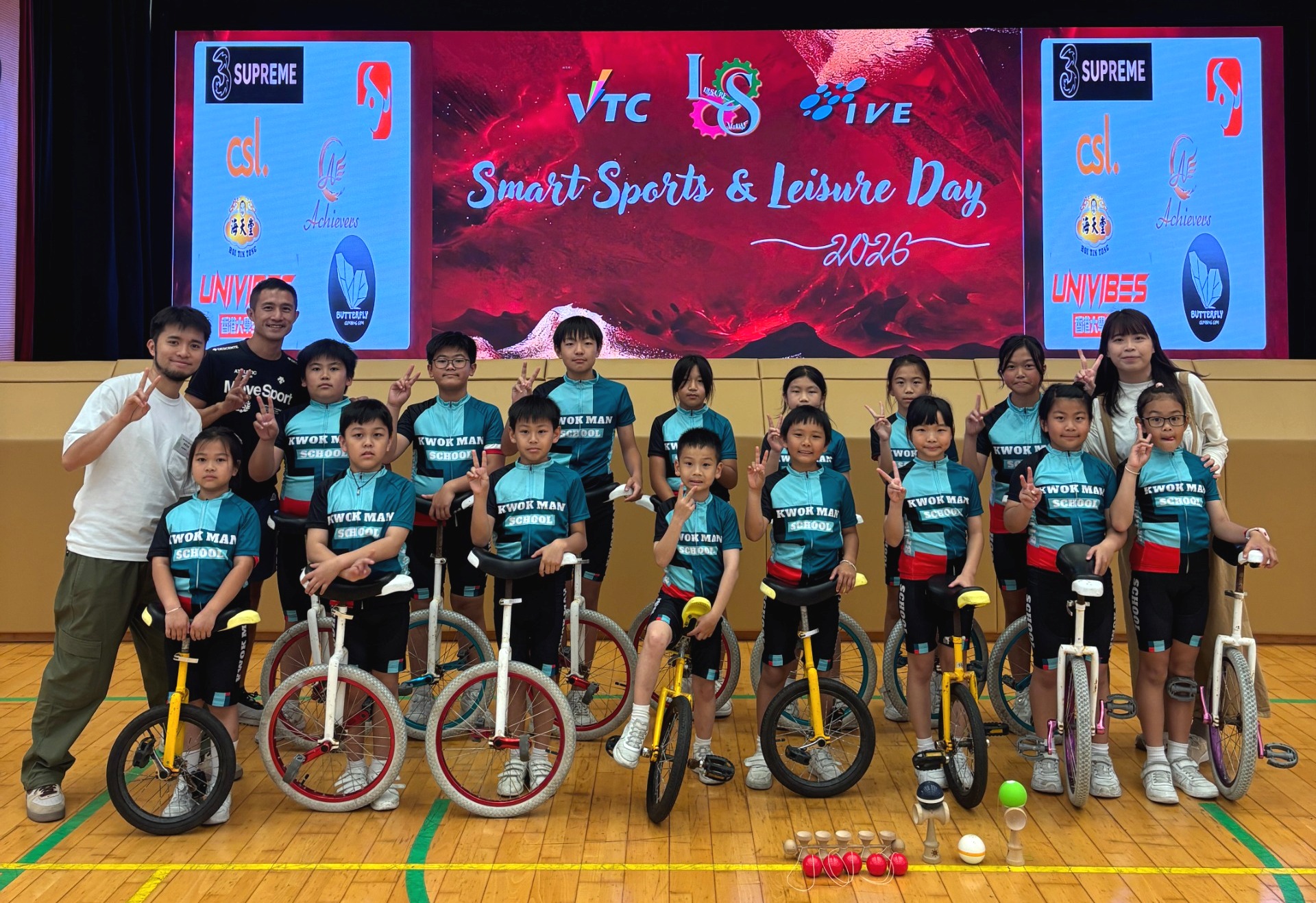
 | On Wednesday, more than 30 different types of Multiple Intelligences Classes are provided to enrich students' learning experiences which include unicycling, rope skipping, Chinese drum team, pottery class, hip hop dance, and so on. Our school also provides various volunteer opportunities and uniformed team training, including Brownies, Cub Scouts, and Flag Guards. |
 School Mission
 | Our school provides quality education and an enjoyable learning experience to children on the island. We train students to be good citizens: to be polite, righteous, diligent and honest as our school motto said. |
 School Characteristics
 | School Management | ||
| School Management Organisation | : | To enhance the quality of School organization through the establishment of the Incorporated Management Committee while maintaining excellent teaching standards. |
| Incorporated Management Committee / School Management Committee/ Management Committee | : | There are different professionals in the Incorporated Management Committee. |
| School Green Policy | : | We support Green Policy and build a Green School campus. |
| School's Major Concerns | : | The students' Bi-literacy and Tri-lingualism will be consolidated; The students' positive value and analytical abilities will be fostered; An atmosphere optimal for the development of mathematics, science and technology will be created; Creative mind-set will be fostered. |
| Learning and Teaching Plan | ||
| Learning & Teaching Strategies | : | Our curriculum covers 8 key learning areas. We focus on developing students to be biliterate and trilingual. NET coteach a certain amount of lessons with local English teachers. We adopt the Primary Literacy Programme (PLP-/RW) for P.1-P.3 and 'From Reading to Writing' for P.4-P.6. Chinese language in P.1 to P.3 is taught in Putonghua only in order to develop their abilities in listening, speaking, reading and writing. |
| Development of Major Renewed Emphases of the Primary Education Curriculum | : | To develop and promote STEAM education, implement cross-curriculum courses, and organize cross-curricular activity week. To provide students with diverse learning opportunities and continue to promote students' self-directed learning. In accordance with the Education Bureau’s guidelines and recommended timeline, the school is transitioning General Studies into Primary Humanities and Primary Science. |
| Development of Generic Skills | : | We provide different types of learning experiences such as exchange programmes, extra-curricular activities and theme-based whole school cross-curriculum learning activities in order to develop students' generic skills. |
| Cultivation of Proper Values, Attitudes and Behaviours | : | Our school is committed to the all-round cultivation of positive values in students. Through the "Values Education Learning Circle" and the "Academic and Moral Excellence Award Scheme," we integrate diligence, perseverance, and self-confidence into daily life. Regarding national education, we strictly implement National Security Education. Every Friday, we hold a flag-raising ceremony and sing the national anthem together. By participating in Constitution and National Security competitions and organizing Mainland exchange tours, students can witness the development of our country firsthand. This deepens their sense of national identity through practice and helps them establish a correct attitude towards life. |
| Student Support | ||
| Whole School Approach to Catering for Learner Diversity | : | To cater for students' learning needs, there are subject based small classes. A School-based Educational Psychologist and a School-based Speech Therapist visit our school regularly to work with the Student Guidance Teacher to support students' learning and give professional advice and training to parents. Adaptations in assignments, dictations and assessments are provided to students with special learning needs. |
| Whole School Approach to Integrated Education | : | The Student Support Team, which consists of the Principal, Vice Principal, SENCO, the Curriculum Leader, the Student Guidance Teacher, the School Social Worker, the School-based Educational Psychologist and other teachers, is responsible for planning, implementing and evaluating the support for students in need. Other specialists and organizations will be invited to provide supports when necessary. |
| Education Support for Non-Chinese Speaking(NCS) Students | : | Our school provides additional support for NCS students to facilitate their learning of Chinese: providing after-school support programmes in learning Chinese; appointing additional teacher(s)/teaching assistant(s) to support NCS students' learning of Chinese; arranging intensive Chinese learning and teaching mode(s), e.g. pull-out learning if necessary, split-class/group learning, etc; organising activities to create an inclusive learning environment in the school; and our school uses Putonghua to teach Chinese in all classes / groups at certain levels with extra support as appropriate, e.g. pull-out/small-group classes, learning and teaching resources with Pinyin, etc. |
| Curriculum Tailoring and Adaptation | : | Free school based learning materials are provided. We have school based adaptation policy to assist students with special education needs in learning and assessment. |
| Home-school Co-operation and School Ethos | ||
| Home-School Co-operation | : | 1. Parents are invited to come to our school to take part in developing the school. 2. Organize talks, workshops and different types of courses for parent education. 3. A representative of PTA joins the Incorporated Management Committee. |
| School Ethos | : | 1. Cultivate positive culture and promote mental wellness. 2. Our school motto is "propriety, justice, diligence, and honesty". We aim to cultivate good character in our students, establish a simple and honest school atmosphere, and educate our students to become responsible citizens. |
| Future Development | ||
| School Development Plan | : | 1. To facilitate and implement STEAM education and cultivate students’ generic skills (self-directed learning, critical thinking skills and collaboration skills). 2. To foster students’ proper values and national identity in conjunction with our school motto: politeness, righteousness, diligence, and honesty. Allow students to demonstrate a diligent, perseverant, and confident learning attitude. 3. Adopts the professional roles of teachers and principals as portrayed in the "T-standard+" as the goals for teachers’ professional development, and the three core elements of teachers’ professional growth (including professional competencies; professional values and conduct; and aspiration for self-advancement through self-reflection) as its foundation. 4. Introduce AI tools and programmes for empowering learning and teaching. |
| Teacher Professional Training & Development | : | The focus of the teacher professional development programme is on catering for learning diversity. We have teacher professional development days every year. Teachers are encouraged to achieve higher teaching proficiency through regular co-planning and lesson observations. We also visit other schools to exchange experiences. |
| Others | : | - |
 School Map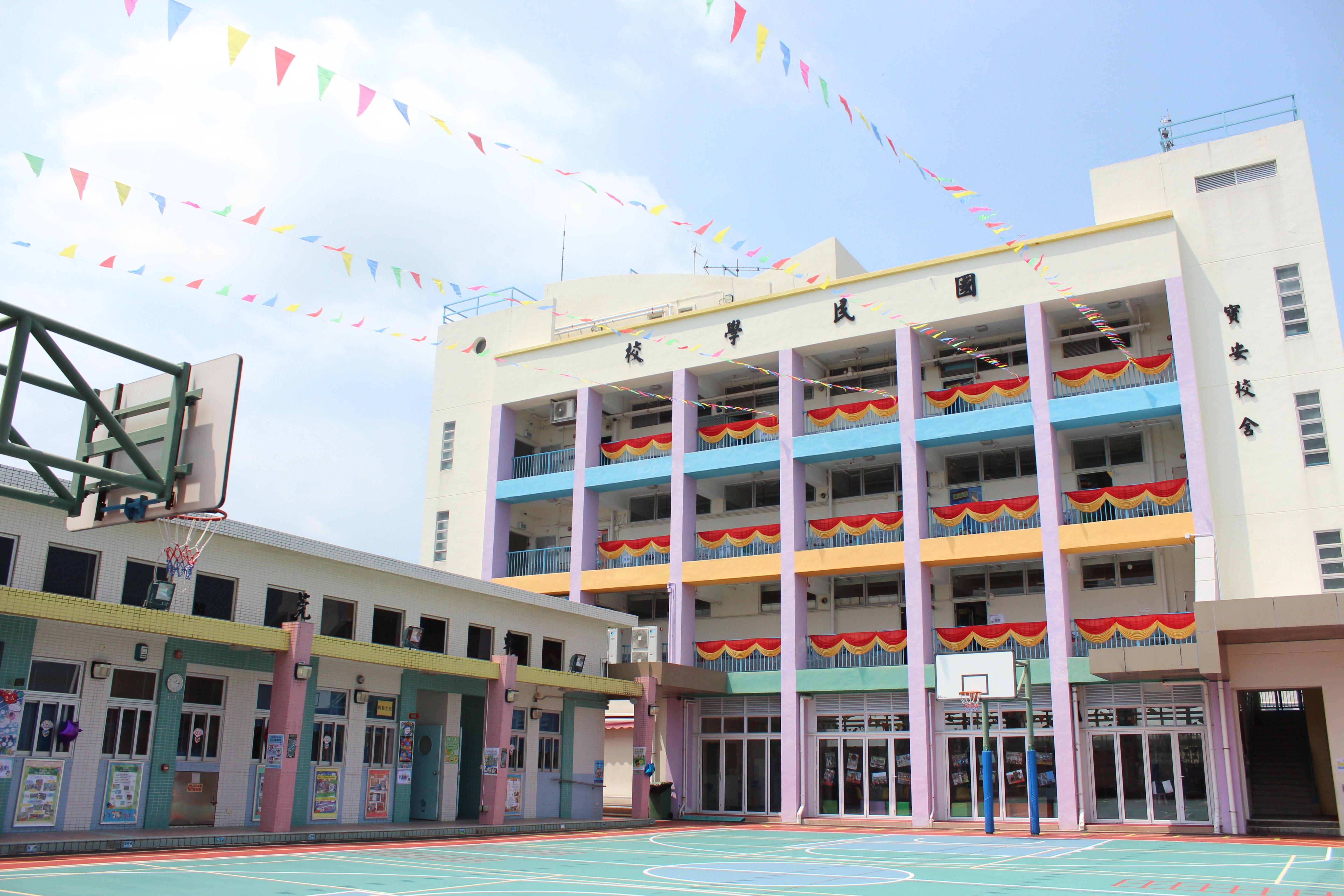
Last revision date:01 September 2026


