 Primary School Profiles 2026

 Primary School Profiles 2026

| Address: | 35 Man Tung Road, Tung Chung, Lantau Island, N.T. | |||
| Phone: | 21094688 | Email: | school@llcst.edu.hk | |
| Fax: | 21094699 | Website: | http://www.llcst.edu.hk | |
 School Information
 | Supervisor/ Chairman of Management Committee | : | Ms. Tsang Ngar Yee Judy |
| School Head | : | Ms. Wong Hei Yan Joanne |
| Incorporated Management Committee been established? | : | Established |
| Percentage of School Supervisor and Managers / Chairperson and Members of School Management Committee (SMC) of Government Schools Fulfilling the Training Targets | : | 64% |
| School Type | : | Aided Whole Day |
| Student Gender | : | Co-ed |
| Sponsoring Body | : | Ling Liang World-wide Evangelistic Mission |
| Religion | : | Protestantism / Christianity |
| Year of Commencement of Operation | : | 2000 |
| School Motto | : | Faith Hope Love - It always protects, always trusts, always hopes, always perseveres. Love never fails. (1 Corinthians 13:7-8) |
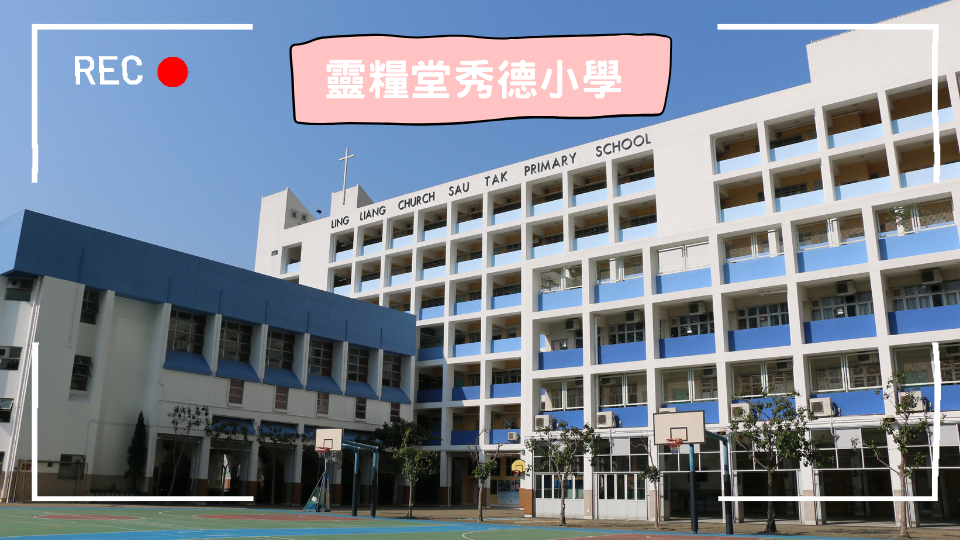
| Area Occupied by the School | : | About 6200 Sq. M |
| Through-train Secondary School | : | Ling Liang Church E Wun Secondary School |
| Feeder Secondary School | : | - |
| Nominated Secondary School | : | - |
| Medium of Instruction | : | Chinese & English |
| School Bus Service | : | School Bus |
| Parent-Teacher Association | : | Yes |
| Past Students' Association/Alumni Association | : | Yes |
| 4Rs Mental Health Charter | : | Yes |
| Whole School Health Programme | : | Action School |
 2026/2027 Annual School Charges
| School Fee | : | - |
| Tong Fai | : | - |
| PTA Fee | : | $20 |
| Approved Charges for non-standard items | : | Fees for Specific Purposes $350 |
| Other Charges | : | - |
 School Facilities
 | Number of Classroom(s) | : | 30 |
| Number of School Hall(s) | : | 1 |
| Number of Playground(s) | : | 2 |
| Number of Library(ies) | : | 1 |
| Special Rooms | : | Visual Arts Room, Dancing Room, Music Room, STEM Room, Innovation and Technology Room, English Activity Room, Counselling Room, Small Group Study Rooms and Medical Room |
| Facility(ies) for Supporting Students with Special Educational Needs | : | Ramp, Accessible lift, Accessible toilet and Tactile guide path plan. |
| Others | : | Science Corner, Mindful Garden, Performance Stage, Conference Room, Meeting Room and Activity Area |
 Teaching Staff Information (Including School Head) in the 2025/2026 school year
 | Number of teaching posts in the approved establishment | : | 53 |
| Total number of teachers in the school | : | 62 |
| Qualifications and professional training (%) | ||
| Had Received Teacher Training | : | 95% |
| Bachelor Degree | : | 100% |
| Master/ Doctorate Degree or above | : | 33% |
| Special Education Training | : | 13% |
| Years of Experience (%) | ||
| 0 - 4 years | : | 21% |
| 5 - 9 years | : | 31% |
| 10 years or above | : | 48% |
 Class Structure
 | 2025/26 school year | ||
| P1 Number of classes | : | 5 |
| P2 Number of classes | : | 5 |
| P3 Number of classes | : | 4 |
| P4 Number of classes | : | 5 |
| P5 Number of classes | : | 5 |
| P6 Number of classes | : | 5 |
| Total | : | 29 |
| 2026/27 school year (Based on the number of classes approved by EDB in 2026) | ||
| P1 Number of classes | : | 5 |
| P2 Number of classes | : | 5 |
| P3 Number of classes | : | 5 |
| P4 Number of classes | : | 5 |
| P5 Number of classes | : | 5 |
| P6 Number of classes | : | 5 |
| Total | : | 30 |
| Mode of teaching at different levels | ||
| Small class teaching mode is adopted from Primary 1 to Primary 6. | ||
| Remarks | ||
| - | ||
 Performance Assessment
 | Applicable to P1 only | ||
| Number of test(s) per year | : | 1 |
| Number of exam(s) per year | : | 1 |
| Replace tests and examinations with diversified assessments in the first term of P1 | : | Yes |
| Applicable to P2 to P6 only | ||
| Number of test(s) per year | : | 0 |
| Number of exam(s) per year | : | 2 |
| Applicable to P1 to P6 | ||
| Formulate appropriate school-based assessment and assignment policies, inform parents of related arrangements, and collect views from teachers, students and parents regularly (at least once per school year) for ongoing review and optimisation of the school assessment and assignment policies | : | No |
| Upload the school-based assessment policy onto the school webpage for information of the public and stakeholders | : | No |
| Upload the school-based assignment policy onto the school webpage for information of the public and stakeholders | : | No |
| Diversified Assessment for Learning | : | Our school uses diverse and multi-perspective assessments to evaluate students' performance. In addition to written assessments, assessment methods also include performance-based assessment, classroom observation, and learning challenge stations. To comprehensively evaluate students' performance, parental assessments and peer assessments are also incorporated into the curriculum. |
| Avoid arranging tests or examinations immediately after long holidays in order to let students take more rest during the holidays | : | Yes |
| Arrange the timetable flexibly according to the school context, with a tutorial session provided in the afternoon as far as possible for students to finish some of their homework under teachers’ guidance | : | Yes |
| Streaming arrangement | : | In P1-3, students (both NCS and local) with different strengths, learning styles and interests are put in mixed-ability classes and opportunities to interact, socialise with one another are provided. In P4-6, there is a top stream class in each grade and no streaming in other classes. |
 School Life
 | Number of school days per week | : | 5 |
| Number of periods per day | : | 9 |
| Duration of each normal period | : | 30 |
| School starts at | : | 8:20 AM |
| School ends at | : | 3:15 PM |
| Lunch break | : | 1:00 - 2:00 |
| Lunch arrangement | : | Provided by designated supplier and arranged by parents. |
| Healthy school life | : | To promote a more balanced diet and help students build healthier eating habits, freshly cooked vegetables are served every day at school as sides for lunch by the designated food service provider. A vegetarian meal is included as one of the choices for school lunch everyday. |
| Remarks | : | The school joins the "Brighter Smiles for the New Generation" Programme to help students establish good oral health habits. The school also participates in "The Joyful Fruit Month" event, which aims at encouraging students to eat fruits instead of unhealthy snacks at school. |
 Life-wide Learning
 | Life-wide learning activities at our school include fancy rope skipping class, rock climbing, badminton class, STEM science experiment class, watercolor class, clay class, magic class, kendo class, Chinese dance class, secondary school interview preparation, taekwondo, Chinese martial arts classes, cheerleading classes, jazz dance class, Hip Hop dance class, swimming class, Chinese bamboo flute class, Chinese big drum class, Chinese small lute class, violin class, clarinet class, saxophone class. |
 School Mission
 | The vision and mission of the school are: To provide quality education for the whole person, according to Biblical teachings; To spread amongst pupils the Gospel of Jesus Christ so that pupils may live out the life of Christ and serve God and fellow men; and To align its development strategy with its through-train school partner, Ling Liang Church E-Wun Secondary School. |
 School Characteristics
 | School Management | ||
| School Management Organisation | : | There are 9 administrative teams in our school and they are responsible for the running of various aspects under the 3 domains including teaching and learning, Student Support and School Ethos as well as Whole person development. |
| Incorporated Management Committee / School Management Committee/ Management Committee | : | The Incorporated Management Committee was established in 2008. To formulate school policies, set priorities for development projects and undertake the planning and management of finance and manpower resources according to the needs of students and the direction of school development. |
| School Green Policy | : | The school joins "Greening School Subsidy Scheme" and "One Person One Flower Scheme" every year. |
| School's Major Concerns | : | 1. Optimizing the 'Learning-Teaching-Assessment' cycle to enhance the effectiveness of teaching and learning. 2. Establishing a healthy campus and fostering a positive atmosphere to promote students' physical, mental, and spiritual development. |
| Learning and Teaching Plan | ||
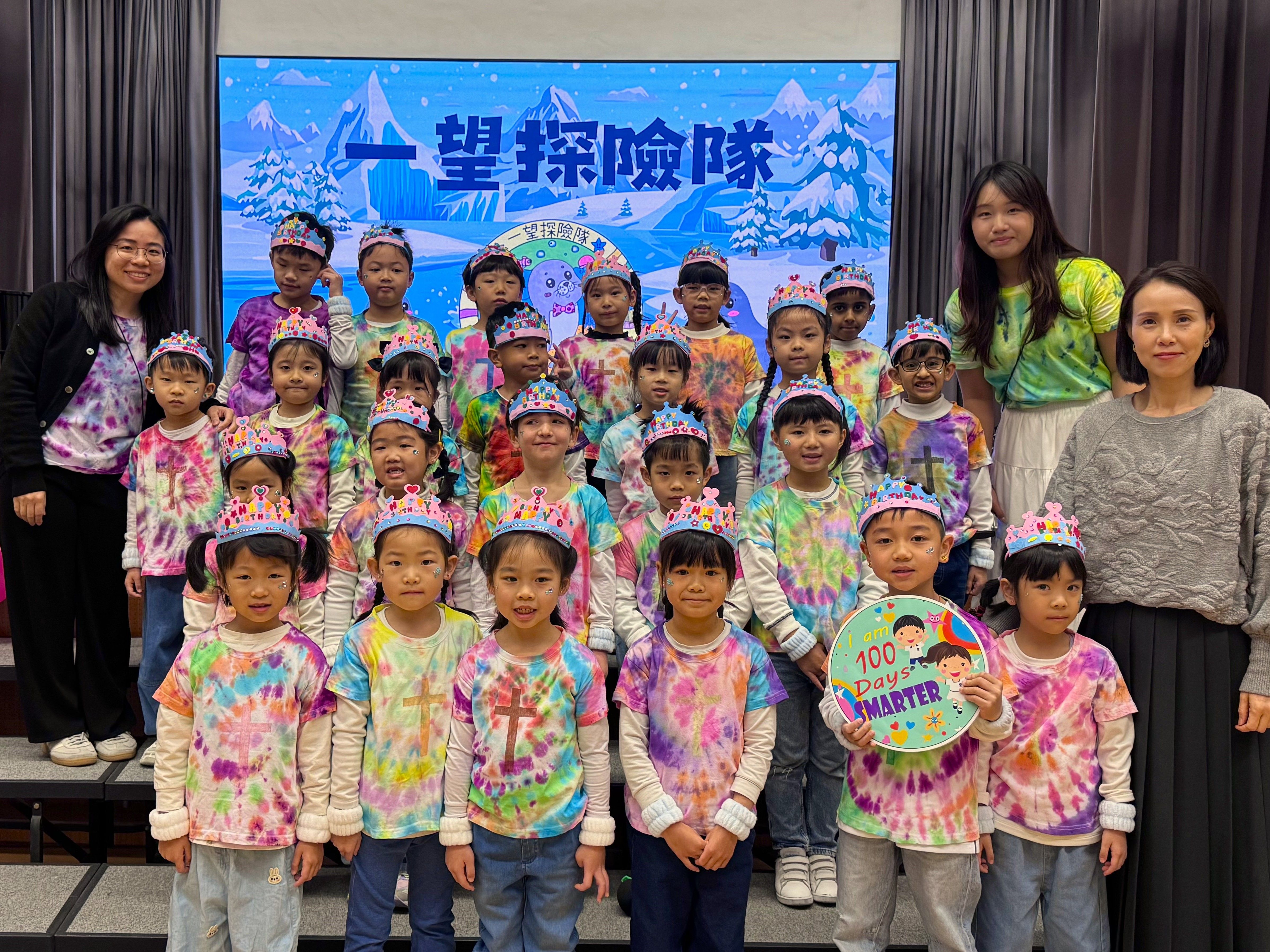
| Learning & Teaching Strategies | : | 1. Our school designs the curriculum in each learning field based on the principles of "student-centered" and "life-centered" education. Through connections in various subjects, we gradually develop our students' learning abilities. 2. In terms of classroom teaching, our school is based on the "TARGET" theory. Through questioning, group collaboration, and diversified learning models, each subject develops students' high order thinking skills. 3. The "SMART Kids Programme" is scheduled in the afternoon which help to develop students' potential, enhance communication and collaboration skills, cultivate creative thinking and learn through hands-on activities in different subjects. 4. To cater diversified learning needs, we make appropriate adjustments in each subject to accommodate students with different abilities. |
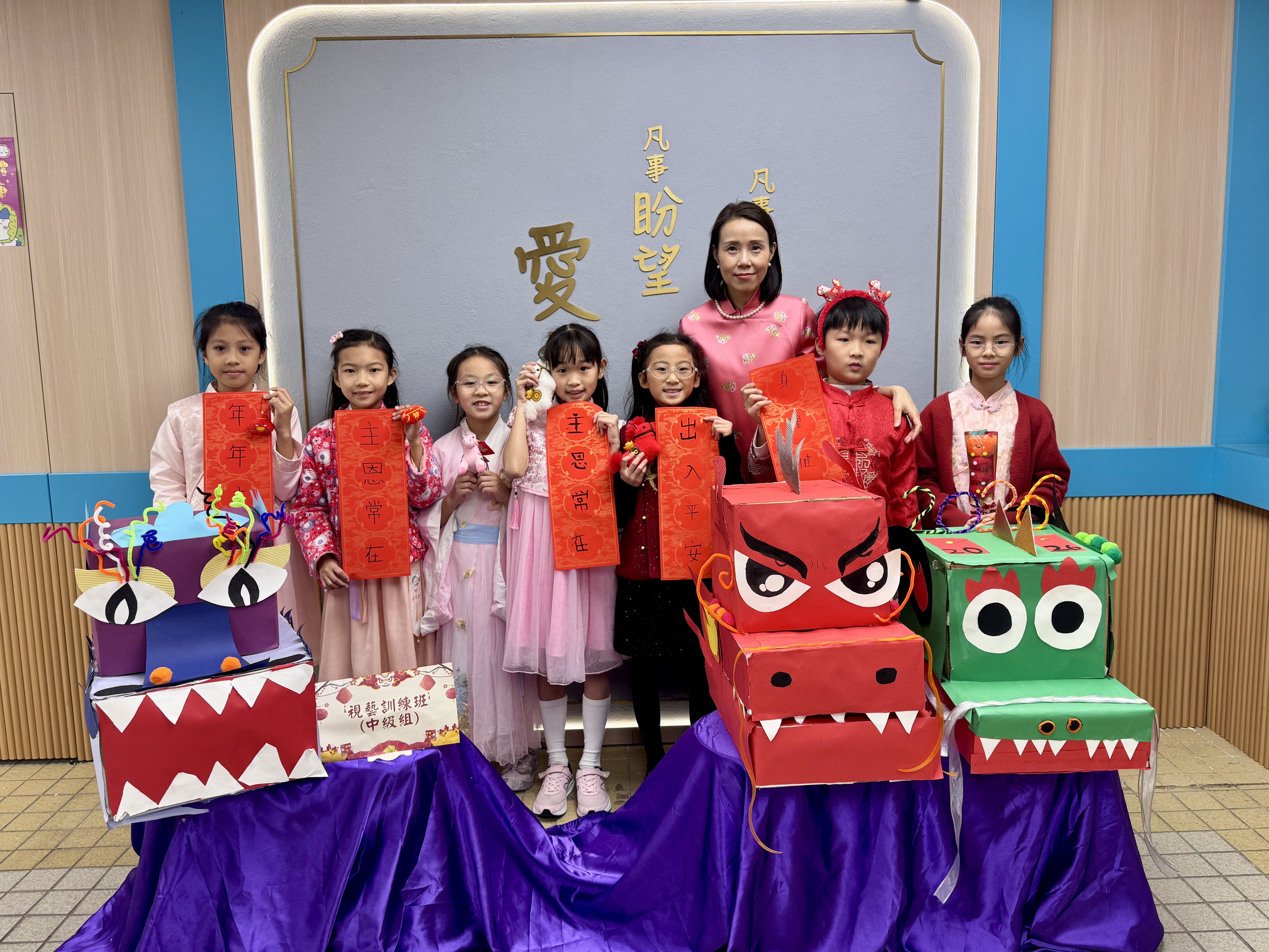
| Development of Major Renewed Emphases of the Primary Education Curriculum | : | 1. Strengthen the cultivation of students' national identity by organizing various Chinese cultural learning activities across subjects. 2. Enhance values education by implementing life education, utilizing picture book and engaging in life-wide learning activities. 3. Adopt "Learning By Doing", "Inquiry-based experiences", and "Creative thinking" as the guiding principles for curriculum development, and establish school-based STEAM programs to nurture students' problem-solving, creativity, collaboration and communication skills. 4. Utilize formative assessment and assessment for learning, through the cycle of teaching, learning, and assessment to develop targeted strategies, create a conductive language learning environment. 5. Enhance reading across curriculum and information literacy to nurture students' reading and critical thinking skills. |
| Development of Generic Skills | : | Our school focuses on cultivating students' generic skills by using group learning to develop their collaboration and communication skills. In terms of critical thinking, we develop different thinking skills for various levels using Humanities as core subject. Through the flexible integration and application of other subjects, we systematically develop students' thinking abilities. To foster students' creativity and problem-solving skills, we incorporate self-generated questions, creative writing, and open-ended questions into our tasks, allowing students to express their creativity and demonstrate their problem-solving capabilities. |
| Cultivation of Proper Values, Attitudes and Behaviours | : | Based on the truth of Christianity, we guide students in developing positive attitudes through our 'GRAPES' core curriculum: Give Thanks, Resilience, Agape, Passion, Extol, and Serve. By integrating Life Education classes, picture books, and experiential activities, we foster essential life qualities and inspire students to embrace a purposeful, positive lifestyle. |
| Student Support | ||
| Whole School Approach to Catering for Learner Diversity | : | To cater to learning diversity, various grouping strategies are utilized. Enhancement classes and after-school remedial support are offered. Furthermore, gifted students from different domains are recommended for external enrichment programmes and competitions, ensuring that students of all ability levels receive appropriate support. |
| Whole School Approach to Integrated Education | : | Our school is committed to fostering an inclusive and caring campus. We support students with Special Educational Needs through a Whole School Approach, utilizing peer support to help them integrate into school life. |
| Education Support for Non-Chinese Speaking(NCS) Students | : | Our school provides additional support for NCS students to facilitate their learning of Chinese: appointing additional teacher(s)/teaching assistant(s) to support NCS students' learning of Chinese; arranging intensive Chinese learning and teaching mode(s), e.g. pull-out learning if necessary, split-class/group learning, etc; developing school-based Chinese Language curriculum and/or adapting learning and teaching materials; and organising activities to create an inclusive learning environment in the school. |
| Curriculum Tailoring and Adaptation | : | Higher order thinking skills are taught in different subjects in order to cultivate students' critical thinking. Gifted programs and homework accommodation is provided for catering the learning diversities of students. |
| Home-school Co-operation and School Ethos | ||
| Home-School Co-operation | : | The school has set up Parent Teacher Association (PTA) in order to strengthen the relationship between the school and the parents. Various kinds of activities are arranged, such as seminars, workshops, picnics, talks and interested classes. |
| School Ethos | : | Caring campus, Unsophisticated school ethos, Courteous behaviour, Accept one another, Harmonious relationship. |
| Future Development | ||
| School Development Plan | : | 1. Continuously deepen the 'TARGET' teaching strategy to improve students’ learning performance and generic skills. 2. Develop 'Assessment as Learning' and strengthen the effectiveness of 'Assessment for Learning' to cultivate students' self-reflection abilities and enhance their engagement, increase their motivation, build their confidence and improve their learning performance. 3. Promote the development of physical education and arts to explore students' potential and interests. Help them develop healthy lifestyles, strengthen their self-management abilities and the sense of responsibility. 4. Create a caring and harmonious campus atmosphere. Cultivate students' team spirit, the spirit of service and a commitment of service. Promote the social development of students. Develop the leadership abilities of students, and nurture students to become good citizens who can contribute to society. |
| Teacher Professional Training & Development | : | Teachers are strongly encouraged to attend centralized professional development workshops, seminars and clusters. According to the Education Bureau, the "T-Standard+" professional ladder is established for teachers in Hong Kong. It is based on three core elements, including teaching professional competencies, professional values and conduct, and aspiration for self-advancement through self-reflection. Different workshops or seminars are arranged on the Staff Professional Development Days. Teacher PD tours are organised to promote professional dialogues with different educators. Teaching effectiveness is further enhanced through co-planning, co-teaching, peer observation, lesson study and sharing. |
| Others | : | Scholarships which aim to give recognition to students who have outstanding performance or significant improvement in academic subjects or excellent achievements in Music, Sports, Arts and Leadership have been. Awards are also given to non-Chinese speaking students who have made great effort in learning Chinese. |
 School Map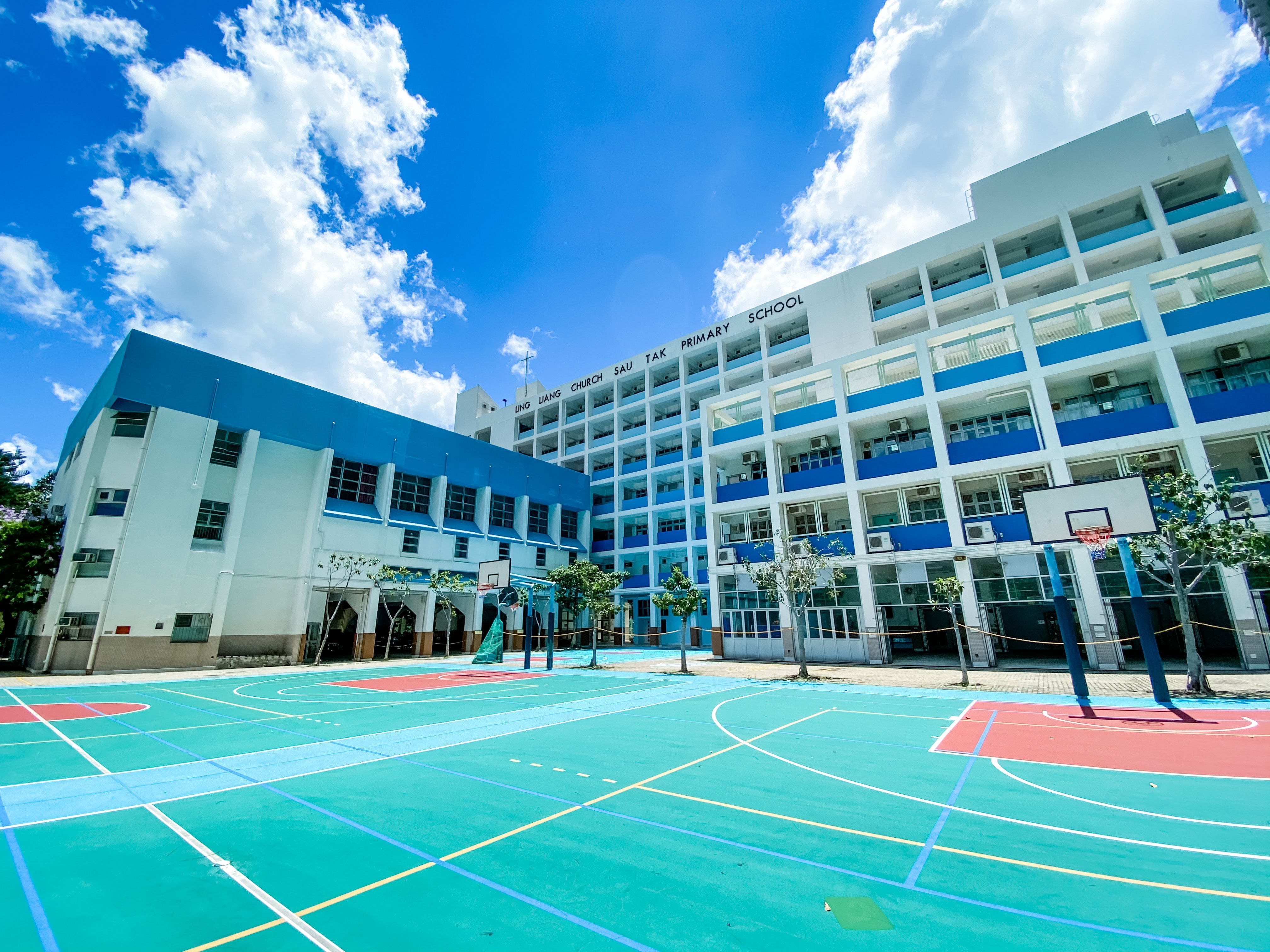
Last revision date:01 September 2026


