 Secondary School Profiles 2025/2026


 Secondary School Profiles 2025/2026
| Address: | 10 Surrey Lane Kowloon Tong | |||
| Phone: | 23370680 | Email: | hostmaster@ktsss.edu.hk | |
| Fax: | 23362967 | Website: | http://www.ktsss.edu.hk/ | |
School Mission
The school strives to provide a balanced education to instill in students proper values and develop multiple intelligences so that our students will have a strong sense of responsibility and belonging towards our community and country.
 School Information
 | District | : | Kowloon City |
| Other District(s) | : | Sham Shui Po, Wong Tai Sin |
| Supervisor / Chairman of School Management Committee | : | Mr. Anthony Michael Bough |
| Principal (with Qualifications / Experiences) | : | Ms. Hon Pui Yee (BA, MA, MEd) |
| School Type | : | Aided |
| Student Gender | : | Co-ed |
| Area Occupied by the School | : | About 7800 Sq. M |
| Name of Sponsoring Body | : | Kowloon Tong School |
| Incorporated Management Committee | : | Established |
| Percentage of School Supervisor and Managers / Chairperson and Members of School Management Committee (SMC) of Government Schools Fulfilling the Training Targets | : | 78% |
| Religion | : | Not Applicable |
| Year of Commencement of Operation | : | 1962 |
| School Motto | : | Diligence, Simplicity, Sincerity, Courage |
| Parent-Teacher Association | : | Yes |
| Student Union / Association | : | Yes |
| Past Students’ Association / School Alumni Association | : | Yes |
| 4Rs Mental Health Charter | : | Yes |
| Whole School Health Programme | : | Action School |
 Chargeable Fees (2025/2026)
| School Fee ($) | Tong Fai ($) | ||
| S1 | - | - | |
| S2 | - | - | |
| S3 | - | - | |
| S4 | - | $340 | |
| S5 | - | $340 | |
| S6 | - | $340 | |
| Parent-Teacher Association Fee (Annual) ($) | : $100 | ||
| Student Union / Association Fee ($) | : - | ||
| Approved Charges for Non-standard Items (Annual)($) | : S.1-S.5: $120 S.6: $80 | ||
| Other Charges / Fees ($) | : Replacement of student card: $50 | ||
 School Facilities
 | Number of Classroom(s) | : | 24 |
| School Facilities | : | Student Activity Centre, computer room, laboratories, library, Campus TV station, lockers, lift, and lavatory for the disabled, shower room, water dispensers, basketball court, volleyball court, badminton court, handball court, sand pit and tracks. All classrooms are provided with air-conditioners, internet access, wifi and electronic whiteboard. |
| Facility(ies) for Supporting Students with Special Educational Needs | : | Ramp, Accessible lift and Accessible toilet. |
 Teaching Staff Information (Including School Head) in the 2025/2026 School Year
 | Number of Teaching Posts in the Approved Establishment | : | 58 |
| Total Number of Teachers in the School | : | 61 |
| Qualifications and Professional Training | : | Percentage of Teaching Staff (%) |
| Had Received Teacher Training | : | 87% |
| Bachelor Degree | : | 100% |
| Master / Doctorate Degree or above | : | 64% |
| Special Education Training | : | 52% |
| Years of Experience | : | Percentage of Teaching Staff (%) |
| 0-4 Years | : | 26% |
| 5-9 Years | : | 18% |
| 10 Years or above | : | 56% |
 2025/2026 Class Structure
 | Number of Classes | ||
| S1 | : | 4 |
| S2 | : | 4 |
| S3 | : | 4 |
| S4 | : | 4 |
| S5 | : | 4 |
| S6 | : | 4 |
 Subjects Offered
 | Subjects Offered in the 2025/2026 School Year | : | S.1 - S.3 |
| Chinese as the Medium of Instruction | : | Chinese Language, Mathematics, Citizenship, Economics and Society (F.1 and F.2), History and Geography (F.1 and F.2),Chinese History, Integrated Science, Computer and Information Technology, Putonghua, Visual Arts, Music, Physical Education, Junior Technology / Design and Technology (F.1 and F.2), School-based Integrated Personal Growth Education and Talent Development Education |
| English as the Medium of Instruction | : | English Language, Social Studies (F.3) |
| Adopt a Different Medium of Instruction by Class or by Group / School-based Curriculum | : | - |
| Subjects Offered in the 2025/2026 School Year | : | S.4 - S.6 |
| Chinese as the Medium of Instruction | : | Chinese Language, Mathematics, Citizenship and Social Development, Chinese History, History, Geography, Biology, Physics, Chemistry, Information and Communication Technology, Business, Accounting and Financial Studies (Business Management), Business, Accounting and Financial Studies (Accounting), Economics, Mathematics Extended Part Module 1, Visual Arts, Whole-person Development Periods, Chinese and Mathematics Enrichment classes, Physical Education |
| English as the Medium of Instruction | : | English Language, English Enrichment classes |
| Adopt a Different Medium of Instruction by Class or by Group / School-based Curriculum | : | - |
| Subjects to be Offered in the 2026/2027 School Year | : | S.1 - S.3 |
| Chinese as the Medium of Instruction | : | Chinese Language, Mathematics, Citizenship, Economics and Society, History and Geography, Chinese History, Integrated Science, Computer and Information Technology, Putonghua, Visual Arts, Music, Physical Education, Junior Technology / Design and Technology (F.1 and F.2), School-based Integrated Personal Growth Education, Talent Development Periods |
| English as the Medium of Instruction | : | English Language |
| Adopt a Different Medium of Instruction by Class or by Group / School-based Curriculum | : | - |
| Subjects to be Offered in the 2026/2027 School Year | : | S.4 - S.6 |
| Chinese as the Medium of Instruction | : | Chinese Language, Mathematics, Citizenship and Social Development, Chinese History, History, Geography, Biology, Physics, Chemistry, Information and Communication Technology, Business, Accounting and Financial Studies (Business Management), Business, Accounting and Financial Studies (Accounting), Economics, Mathematics Extended Part Module 1, Visual Arts, Whole-person Development Education, Chinese and Mathematics Enrichment classes, Physical Education |
| English as the Medium of Instruction | : | English Language, English Enrichment classes |
| Adopt a Different Medium of Instruction by Class or by Group / School-based Curriculum | : | - |
 Secondary One Admission, Orientation Activities & Healthy School Life
 | Secondary One Admission | : | Our school will accept discretionary places. Our school will participate in the Secondary School Places Allocation System through central allocation stage (Applicable for admission to S.1 in September 2026 ).Academic Performance: 40%; Performance at Interview: 30%; Extra-curricular Activities and Services: 20%; Awards: 10%; 'Conduct' must be at least Grade B or above. |
| Orientation Activities and Healthy Life | : | F.1 Bridging Course is held from mid July to late July which aims to help newly-admitted students understand the mode of self-regulated learning. Students with specific needs are required to attend Cantonese classes. Those with weaker academic foundations will attend remedial classes in Chinese, English and Mathematics before the school year begins. The school also offers Learning Support Programme for all F.1 and F.2 students, where they stay after school to complete homework under teachers’ guidance, helping them cultivate their learning habits. Each form also participates in themed team activities designed to strengthen resilience: F.1: Resilience Training Camp; F.2: Growth Camp; F.3: Sister School Exchange Camp; F.4: Study Camp; F.5: Outreach Service Day. Morning and weekly assemblies are used to promote students’ mental well-being, including mindfulness sessions on Mondays, morning exercises on Tuesdays, and eye-care exercises on Fridays. The Physical Education Department runs a school-based fitness programme to support physical and mental health. Every year, the school holds an Outstanding Athlete Election and organises inter-class activities such as rope skipping, basketball, and football competitions to encourage students to stay active. Students from F.1 to F.3 are required to stay on campus for lunch, and they may order nutritionally balanced meals. |
 School Characteristics
 | School Management | ||
| (1) School's Major Concerns | : | 1. Empowering all-round development and proficiency in core competencies. 2. Developing healthy lifestyle and information literacy. 3. Further enrichment of values education by fostering the virtues of self-discipline, self-love and self-respect. |
| (2) School Management Organisation | : | Communication between management and staff receives much attention, as witnessed by the forming of the Executive Council, the Learning and Teaching Committee, the Student Affairs Committee, Information Technology Team, Other Learning Experience, Moral, Civic and National Education and Parents-Teachers Association. |
| (3) Incorporated Management Committee / School Management Committee / Management Committee | : | The Incorporated Management Committee includes representatives from various sectors, such as parent manager, teacher manager and alumni manager. Among the sponsoring body’s members are professionals including lawyers, doctors, accountants, and university professors. |
| (4) School Green Policy | : | We adopt a whole school approach in waste reduction, energy conservation and recycling. Parents receive messages through eNotice and teachers use the intranet to transmit messages. Students are encouraged to download revision notes and suggested answers from the electronic learning platform instead of using hard copies. |
| Learning and Teaching Plan | ||
| (1) Whole-school Language Policy | : | In accordance with the policy of Fine-tuning the Medium of Instruction, we now use English as the Medium of Instruction for Social Studies in F.3 so as to enhance students’ motivation to learn English and to facilitate their transition to senior secondary levels. The native-speaking English teacher, the two CNETs (Chatteris Native-speaking English Tutors) and extra contract teachers conduct split class teaching which offer students chances to be exposed to the language and consolidate their language foundation through different English activities like extensive reading, debating, speech training and drama. |
| (2) Learning and Teaching Strategies | : | The school aims for the balanced development of students’ abilities. Self-regulated learning is adopted by which students construct their knowledge through collaborative learning. Students are streamed into different classes based on their learning abilities. Teachers vary their teaching materials and methodology to meet students’ diverse learning needs. Curriculum tailoring, enhancement and remedial measures have been implemented by teachers of different subjects and at different levels in order to raise students’ learning outcomes and effectiveness. Homework policies have been improved to help students to prepare for their lessons. Students performing well are awarded different prizes. |
| (3) School-based Curriculum | : | 1. Electives: 2X and 3X. Extended Part of NSS Mathematics - Module 1: Calculus and Statistics 2. Curriculum highlights: Regarding timetabling, subjects are arranged according to the options of the students. This provides students with greater flexibility and caters for their differences regarding ability and aptitude. Enrichment classes for core subjects are designed to cater for learner diversity. Junior form students have two Talent Development Periods every week. During the periods, students participate in either a musical or sports activity since it is the belief of the school that it is important for every teenager to nurture an interest or a talent in either area. Students can also participate in other activities like STEAM, Visual Art, Debating, Scientific Inquiry, Campus TV, Guides or Life Education. Enhancement and remedial programmes as well as project learning are arranged on Extended Learning Day on Fridays to cater for learner diversity. Life-wide learning activities are also arranged which enhance students’ learning experience outside the school in different contexts. |
| (4) Major Renewed Emphases in the School Curriculum | : | In addition to instilling values through academic subjects, the school has developed the school-based curriculum – including School-based Integrated Personal Growth Education , Whole-person Development Education and Class Teacher Period – to provide students with more opportunities to explore important values. Various platforms are also used to reinforce value education, such as themed morning assemblies, short speeches by student ambassadors, guest talks, lunchtime broadcasts and digital displays screens. To make effective use of learning time, the school organises cross-curriculum project learning for junior form students on Extended Learning Days, and offers a range of support programmes tailored to students’ needs, including enhancement, remedial and bridging courses. In STEAM education, the school has introduced AI-related content to equip students with cutting-edge technological knowledge. It also actively encourages students to participate in various STEAM competitions to showcase their innovative potential. Through finding from the ‘IT Innovation Lab in Secondary Schools’ initiative and the ‘Project WeCan’, the school hosts a variety of after-school workshops and activities to deepen students’ understanding of STEAM fields. The school also promotes digital literacy and cybersecurity education. In addition to integrating digital literacy elements into subject teaching, it has launched a pilot programme to enhance youth digital competencies, formed a ‘Cybersecurity Guardians’ team, organised the ‘One Class, One Slogan’ campaign, and participated in the inter-school ‘Digital Universe Guardians’ IG Reels competition. Short videos on digital literacy have also been produced to raise students awareness on related topics. |
| (5) Life Planning Education | : | Various kinds of careers and life planning activities are conducted according to the theme in each form, including individual and personal guidance which meets students’ individual needs. The School-based curriculum has designed for both junior and senior form students to help them set up individual goals and develop their own strengths. In junior forms, class teachers periods and workshops have been arranged to help students understand the ideas of career planning. There are also activities like talks about Senior Secondary subject choice, sharing of senior form students, career aptitude tests and individual consultation. These aim at guiding students to make the right subject choice. In senior forms, career talks, F.6 mock DSE result release activity, visits to tertiary institutions etc. are arranged for students. Some students also participate in the summer programmes organised by different tertiary institutions. Through these activities, students are given an opportunity to experience the workplace and understand the situation of different industries. There is also cooperation with the Alumni Association encouraging former students to share their present working life or university life and strategies for studying. |
| Student Support | ||
| (1) Whole School Approach to Catering for Learner Diversity | : | There is whole-school involvement in guiding and disciplining students; professional development is provided to enable teachers to identify and handle cases of learning diversity. A duo class teacher system is implemented from F.1 to F.5. Every F.1 student has a personal talk with the school social worker or guidance teacher so as to give students sense of ‘going along together’. Form meetings are conducted to discuss matters concerning the same form. Policies have been established to assist students with special educational needs. Special grants provided by the EDB help cater for the needs of these students. Lessons on the teaching of life and society have been arranged for all junior form students starting from the year 2018/2019. Lesson content includes life and society, as well as the teaching life skills. It is expected to cultivate students’ sense of self-discipline, self-respect, self-worth, and independent learning spirit. |
| (2) Whole School Approach to Integrated Education | : | Our school is committed to creating an inclusive and caring campus, supporting students with special educational needs through a whole-school approach. By utilizing Capacity Enhancement Grant, Learning Support Grant and community resources, we provide appropriate and diverse support services to enhance students’ learning effectiveness. The members of our school’s Student Support Team include the Special Educational Needs Coordinator (SENCO), the head of the Counselling Team, educational psychologist, speech therapist, teachers, student counsellor and teaching assistants. The Team collaborates with other subject departments to provide students with the necessary support. Our school also values home-school cooperation and has established a mechanism to discuss and review strategies for supporting students through meetings, interviews, and other means with parents. |
| (3) Education Support for Non-Chinese Speaking (NCS) Students | : | Our school provides additional support for NCS students to facilitate their learning of Chinese: providing after-school support programmes in learning Chinese; appointing additional teacher(s)/teaching assistant(s) to support NCS students’ learning of Chinese; and organising activities to create an inclusive learning environment in the school. |
| (4) Measures to Provide Adaptation for Learning and Assessment | : | There are two examinations, two uniform tests and continuous assessment of all subjects in each academic year. Diverse homework and assessment modes are adopted to assess students’ academic performance. Reports on students’ learning progress at different stages are released so that students are aware of their own academic performance and can implement suitable learning strategies. |
| Home-School Co-operation and School Ethos | ||
| (1) Home-School Co-operation | : | Parents communicate well with the teachers and the school. An excellent collaboration platform has been built to facilitate the healthy development of our students. Parent-School Day is held before the commencement of a new academic year in order to facilitate communication between parents and our school. Parents receive PUSH messages through the eClass Parent App. To foster home-school cooperation, parent meetings are held to enable parents to understand the learning and developmental needs of students in different stages of growth. Communication between parents and the school is facilitated by Parent-Teacher Association (PTA), which acts as a bridge between the two parties to enhance their understanding of school culture and policies. During the academic year, members of the executive committee attend regular meetings, organise parents’ network, publish a newsletter, work as volunteers of the ‘lunch patrol group’ and ‘homework remedial classes’, and tour around the school to check the facilities in use. It also sponsors learning activities and offers awards such as Academic Improvement Award and Improvement in Conduct Award. It also organises activities to foster a harmonious family relationship. Parent managers also contribute a lot in the IMC, providing opinions on the setting and implementation of our school policies. The school’s efforts have been highly recognised. |
| (2) School Ethos | : | We aim to create a supportive learning atmosphere and enable our students to become life-long learners. We foster the virtue of simplicity and develop self-discipline through diversified experience. We inculcate students to reflect and express gratitude all the time. We also facilitate students to identify their own potential and move towards self-actualisation. We instill in students the ethos of proper values and a sense of responsibility in order to help them become caring and responsible national and global citizens. |
| Future Development | ||
| (1) School Development Plan | : | 1. Empowering all-round development and proficiency core competencies. 2. Developing healthy lifestyle and information literacy. 3. Further enrichment of values education by fostering the virtues of self-discipline, self-love and self-respect. |
| (2) Teacher Professional Training and Development | : | Developing teachers’ expertise in critically evaluating existing practices so as to enhance the effectiveness of learning and teaching. Three Staff Development Days and several Teacher Learning Circles on different themes are organised every year, including the themes of ‘Student Support’ and educational needs. Teachers are encouraged to join training activities organised by the EDB. Different kinds of peer observation, collaborative lesson preparation and lesson studies which help teachers to develop professional learning and teaching plans. The implementation of mentoring programme also offers new teachers support and guidance. |
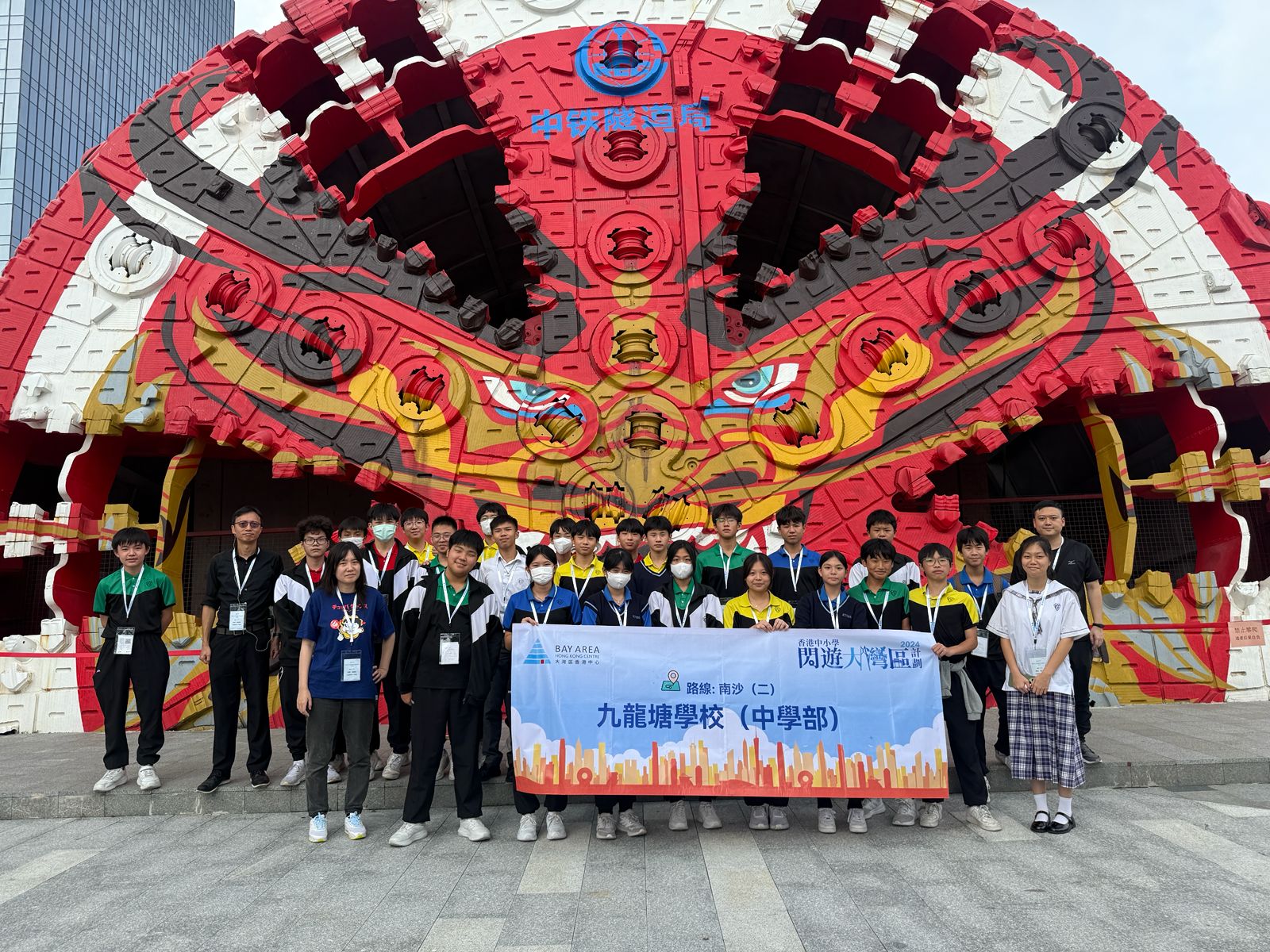
| Life-wide Learning (Including Five Essential Learning Experiences to be Provided through Key Learning Areas, Extra-curricular Activities, Co-curricular Activities, etc.) | : | The Student Union and 4 Houses have been formed. Different activities in the important areas of the Other Learning Experiences (OLE) are arranged, e.g. sports, talent, uniform groups and clubs. We aim to develop students’ self-care, activeness, communication skills and leadership by encouraging students to participate in different community activities, such as team building, adventure camps, learning camps, school team training camps, work experience, study tours etc. |
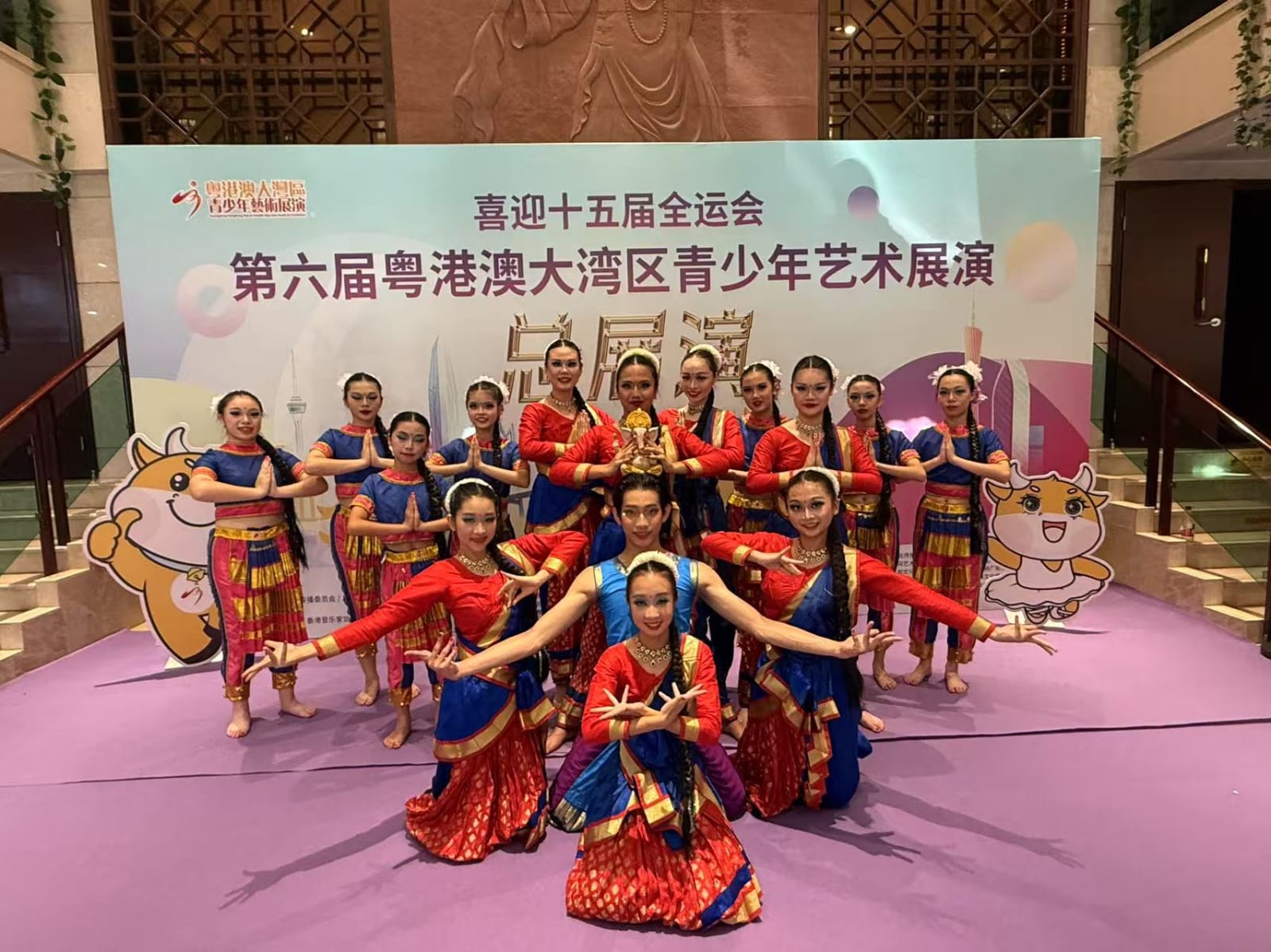
| Others | : | Scholarships: Scholarships have been established to recognise students with outstanding performance in academic fields, art, sports and voluntary services, or students with all-round improvement. Inter-schools competition awards: “Jing Ying Cup” Chinese Language Knowledge Contest for Youth: Champion, First Runner-up; Second Runner-up; The 13th University Literary Awards – Junior Writers Award; 2024 Guangdong-Hong Kong-Macao Student Chinese and English Penmanship Competition (Chinese and English Divisions): Champion; Hong Kong Inter-school Sumo Robot Competition 2025 – Gold Award; Inter-school Chinese Culture Debate Competition (Cantonese and Putonghua Divisions): Third place; Inter-school Volleyball Competition (Kowloon Division 2) Girls B Grade: Overall First Runner-up and Grade B Champion; Inter-school Athletics Competition Girls C Grade: Overall Second Runner-up; Bauhinia Cup International Dance Grand Prix (Oriental Dance): Gold Award; The School Dance Festival: Oriental Dance Award (Secondary Section): First Runner-up; The 6th Guangdong-Hong Kong-Macao Greater Bay Area Dance Competition (Open Dance, Oriental): Gold Award; Jazz Dance Team, IEDC International Elite Dance Competition 2025: Grand Champion. Exchange Programmes The school organises various overseas exchange programmes and sister school interactions to help students explore the history and culture of different regions and broaden their horizons. |
| Direct Public Transportation to School | : | Bus routes: 1, 1A, 2D, 3C, 6D, 7, 7B, 10, 12A, 42, 72X, 81C, 87D, 281A MTR: Kowloon Tong Station, Mong Kok East Station Minibus: 2, 2A, 41M, 69A,70; Mei Foo to Kwun Tong |
| Remarks | : | Parents can check their e-payment record and notices, special announcements and students' homework by eClass intranet or eClass Parent App. |
 School Map
Last revision date: 5/12/2025


