 Secondary School Profiles 2025/2026


 Secondary School Profiles 2025/2026

| Address: | 60 - 64 Ham Tin Street Tsuen Wan | |||
| Phone: | 24920226 | Email: | enquiry@sfxs.edu.hk | |
| Fax: | 26146009 | Website: | http://www.sfxs.edu.hk | |
School Mission
Our students will be capable individuals and responsible citizens of integrity, equipped with Christian values to serve the community.
 School Information
 | District | : | Tsuen Wan |
| Other District(s) | : | |
| Supervisor / Chairman of School Management Committee | : | Rev. Bro. Chong Kee Ann |
| Principal (with Qualifications / Experiences) | : | Dr. Chung Chi Yuen (PsyD (Clin. Psy), EdD (Ed. Psy), MSSc (Social Work), MEd, PGDE, PGDCS, BEng) |
| School Type | : | Aided |
| Student Gender | : | Boys |
| Area Occupied by the School | : | About 3300 Sq. M |
| Name of Sponsoring Body | : | Institute of Marist Brothers of School |
| Incorporated Management Committee | : | Established |
| Percentage of School Supervisor and Managers / Chairperson and Members of School Management Committee (SMC) of Government Schools Fulfilling the Training Targets | : | Not Applicable |
| Religion | : | Catholicism |
| Year of Commencement of Operation | : | 1963 |
| School Motto | : | Integrity and Universal Love |
| Parent-Teacher Association | : | Yes |
| Student Union / Association | : | Yes |
| Past Students’ Association / School Alumni Association | : | Yes |
| 4Rs Mental Health Charter | : | Yes |
| Whole School Health Programme | : | Pledged School |
 Chargeable Fees (2025/2026)
| School Fee ($) | Tong Fai ($) | ||
| S1 | - | - | |
| S2 | - | - | |
| S3 | - | - | |
| S4 | - | $340 | |
| S5 | - | $340 | |
| S6 | - | $340 | |
| Parent-Teacher Association Fee (Annual) ($) | : $20 | ||
| Student Union / Association Fee ($) | : $20 | ||
| Approved Charges for Non-standard Items (Annual)($) | : $200 | ||
| Other Charges / Fees ($) | : Contribution to Parent-Teacher Association Scholarship - $10 | ||
 School Facilities
 | Number of Classroom(s) | : | 24 |
| School Facilities | : | School Hall equipped with LED wall, 24 Regular Classrooms, 4 Laboratories, 2 Computer Rooms, Library, STEAM laboratory, Visual Arts Room, Studio, Flight simulator room, Geography Room, Music Room, Student Activity Centre, Chinese Culture Centre, Chapel and Hall with Balcony. |
| Facility(ies) for Supporting Students with Special Educational Needs | : | Ramp, Accessible lift and Accessible toilet. |
 Teaching Staff Information (Including School Head) in the 2025/2026 School Year
 | Number of Teaching Posts in the Approved Establishment | : | 57 |
| Total Number of Teachers in the School | : | 56 |
| Qualifications and Professional Training | : | Percentage of Teaching Staff (%) |
| Had Received Teacher Training | : | 93% |
| Bachelor Degree | : | 100% |
| Master / Doctorate Degree or above | : | 64% |
| Special Education Training | : | 67% |
| Years of Experience | : | Percentage of Teaching Staff (%) |
| 0-4 Years | : | 19% |
| 5-9 Years | : | 13% |
| 10 Years or above | : | 68% |
 2025/2026 Class Structure
 | Number of Classes | ||
| S1 | : | 4 |
| S2 | : | 4 |
| S3 | : | 4 |
| S4 | : | 4 |
| S5 | : | 4 |
| S6 | : | 4 |
 Subjects Offered
 | Subjects Offered in the 2025/2026 School Year | : | S.1 - S.3 |
| Chinese as the Medium of Instruction | : | Chinese Language, Geography, Chinese History, History, Computer Literacy, Music, Physical Education, Putonghua, Biblical Knowledge, Ethics, Religious Studies, Visual Arts, Citizenship, Economic and Society (S.1 &S.2 ), Life and Society (S.3) |
| English as the Medium of Instruction | : | English Language, Mathematics, Science (S.1-S.2), Science (S.3 Biology, Physics, Chemistry) |
| Adopt a Different Medium of Instruction by Class or by Group / School-based Curriculum | : | - |
| Subjects Offered in the 2025/2026 School Year | : | S.4 - S.6 |
| Chinese as the Medium of Instruction | : | Chinese Language, Citizenship and Social Development, Geography, Chinese History, History, Economics, Ethics, Visual Arts, Information and Communication Technology, Business, Accounting and Financial Studies, Physical Education, Biology, Applied Learning and School-based Curriculum. |
| English as the Medium of Instruction | : | English Language, Mathematics, Physics, Chemistry, Biology |
| Adopt a Different Medium of Instruction by Class or by Group / School-based Curriculum | : | - |
| Subjects to be Offered in the 2026/2027 School Year | : | S.1 - S.3 |
| Chinese as the Medium of Instruction | : | Chinese Language, Geography, Chinese History, History, Computer Literacy, Music, Physical Education, Putonghua, Biblical Knowledge, Ethics, Visual Arts, Citizenship, Economics and Society |
| English as the Medium of Instruction | : | English Language, Mathematics, Science (S.1-S.2), Science (S.3 Physics, Biology, Chemistry) |
| Adopt a Different Medium of Instruction by Class or by Group / School-based Curriculum | : | - |
| Subjects to be Offered in the 2026/2027 School Year | : | S.4 - S.6 |
| Chinese as the Medium of Instruction | : | Chinese Language, Citizenship and Social Development, Geography, Chinese History, History, Economics, Ethics and Religious Studies, Visual Arts, Information and Communication Technology, Business, Accounting and Financial Studies, Physical Education, Biology, Applied Learning and School-based Curriculum. |
| English as the Medium of Instruction | : | English Language, Mathematics, Physics, Biology, Chemistry |
| Adopt a Different Medium of Instruction by Class or by Group / School-based Curriculum | : | - |
 Secondary One Admission, Orientation Activities & Healthy School Life
 | Secondary One Admission | : | Our school will accept discretionary places. Our school will participate in the Secondary School Places Allocation System through central allocation stage (Applicable for admission to S.1 in September 2026 ).Admission Criteria: 1. Interview 20%; 2. Academic Performance 40%; 3. Conduct 25%; 4. Extra-curricular Activities 10%; 5. Participation in church /community activities 5%. |
| Orientation Activities and Healthy Life | : | S.1 Orientation Day for parents in mid-July. A bridging programme and an orientation camp are provided for all newly admitted S1 students in the summer vacation. The programme assists them in understanding the new school and social life better. School facilities are introduced together with our emphasis on students' self-discipline. An English enhancement course and a Strategic Learning workshop are also provided to help students adapt to the new learning style. SFXS provides students with the teaching of Christ and nurture a balanced and healthy whole-person education for students so as to develop them spiritually, morally, intellectually, physically, socially and aesthetically. |
 School Characteristics
 | School Management | ||
| (1) School's Major Concerns | : | 1. Deepen learning and teaching strategies to enhance the learning atmosphere. 2. Establish “Xaverian” value-based education to foster students’ grit. |
| (2) School Management Organisation | : | "Incorporated Management Committee" is the highest management body, while the "School Administrative Committee" is the executive body. The 8 Key Learning Area Teams (KLA) and function committees are responsible for routine operation. Participative management is practised with extensive empowerment. |
| (3) Incorporated Management Committee / School Management Committee / Management Committee | : | Complying with the Education Ordinance, Marist Brothers, alumni, parents, teachers and independent professionals form the Incorporated Management Committee in managing the school. School-based Management is exercised. |
| (4) School Green Policy | : | The school joins the "Solar Harvest" scheme. Solar panel are installed in the campus, promoting the sense of Green Living, encouraging the concept of energy-saving campus. Organic farming is run by students on the rooftop of the classroom block. |
| Learning and Teaching Plan | ||
| (1) Whole-school Language Policy | : | The policy "Fine-tuning the Medium of Instruction for Secondary Schools" took effect from the 2010/11 school year starting from Secondary One level. In ensuring the best interest of students and parents, the school allocates the 25% lesson time to the teaching of Science and Mathematics in English in junior secondary level. MOI policy extends to Senior Secondary level, that is, Mathematics, Biology, Chemistry and Physics are taught in English for S.4 to S.6. |
| (2) Learning and Teaching Strategies | : | To enhance students’ learning experience, the school initiates diversified learning with scientific elements integrated. The STEAM laboratory serves as a ground to encourage students’ creativity and facilitate innovation and technology in the campus as well as adopt in community services. The e-Learning task team is ready to organize, implement, evaluate and promote e-Teaching. We aim at enhancing teaching and learning effectiveness and promoting self-directed learning environment for our students. The development of diverse curriculum through various Key Learning Areas can perfect and broaden students’ learning experience. National Security Education and Basic Law Education are integrated into the curriculum to promote their national identity. |
| (3) School-based Curriculum | : | 1. Electives: 2X and 3X. Students may opt for 2 or 3 electives according to their interest and abilities. 2. Curriculum highlights: The provision of Senior Secondary school-based curriculum implemented the value education. Besides, flight simulation can broader the horizons of our students, develop their lifelong interest, positive value systems and altitude. |
| (4) Major Renewed Emphases in the School Curriculum | : | The Reading Promotion and Library Committee is set up to cultivate reading habits; promote reading across curriculum; design school-based reading materials and provide strategies and insights for improving reading skills. Apart from the above, the team also organizes various activities such as Meet the Writer, field trip and excursion and reading competition based on classic stories. At the same time, morning reading sessions and teacher-led reading sharing activities are organized to enhance students' interest in reading. The future goal of the team is to establish better computing literacy of students which enables them to use and locate appropriate information using proper channels and manners. Efforts will be put on "STEAM", "e-learning" and so on. |
| (5) Life Planning Education | : | Junior Secondary: Through career interest exploration tools, students identify their personal interests. These are matched with the developmental needs of different growth stages, helping students set academic and career goals and plan for their future. Senior Secondary: Through career planning workshops, students gain an understanding of their strengths and developmental traits. Combined with workplace visits, they progress from the career concepts learned in junior secondary to real-world experiential learning. This helps them handle and adapt to the transition from the school environment to the working world. Personalized academic counselling also supports students in reviewing and refining their study plans and goals, enabling them to make informed and responsible choices. In doing so, they equip themselves with the necessary preparation for further studies and employment, completing a well-rounded career planning journey in pursuit of their dreams. |
| Student Support | ||
| (1) Whole School Approach to Catering for Learner Diversity | : | Our School cater for students' learning diversity in different aspects of their school life. The strategies we adopt are: 1. We adopt medium-group teaching for junior secondary. We adjust curriculum, learning content and teaching strategies accordingly to better cater for their diverse needs. 2. Challenging questions and levelled assignments were provided for junior form students to cater for learner diversity. 3. Split classes are provided for some Senior Form and Junior Form English lessons. 4. Medium of Instruction Team was set up to execute school-based MOI policies in some EMI content subjects. 5. Teachers stay after school to facilitate academically gifted students in S.6 to reach their potentials so as to achieve excellent performance in public examinations. Remedial tutorials are also organized to help those less able students. |
| (2) Whole School Approach to Integrated Education | : | Our school has implemented a whole school approach to support students with special educational needs. To further help our students adapt to their school life and fulfil their utmost potential, we have effectively allocated our resources and provided suitable and diversified services. Our school SEN team members include a SEN coordinator, a Chinese teacher, an English teacher, a Maths teacher, an ICT teacher, social workers and counsellors. Different training courses provided by service providers have been given to students with special educational needs. |
| (3) Education Support for Non-Chinese Speaking (NCS) Students | : | Our school provides additional support for NCS students to facilitate their learning of Chinese: providing after-school support programmes in learning Chinese; appointing additional teacher(s)/teaching assistant(s) to support NCS students’ learning of Chinese; and organising activities to create an inclusive learning environment in the school. |
| (4) Measures to Provide Adaptation for Learning and Assessment | : | In addition to regular tests and examinations, continuous assessments, which count for 20% of weighting, are adopted for all classes. This facilitates assessments for learning so that teachers can adjust their expectations as well as teaching strategies to suit the diverse abilities of students, and prepare tailor-made curriculum to promote their learning. |
| Home-School Co-operation and School Ethos | ||
| (1) Home-School Co-operation | : | The Parent-Teacher Association has been established for more than 30 years. The Association has become the most prominent communication channel between the parents and the School. The School treasures the parents' opinions and some were adopted as school policies. |
| (2) School Ethos | : | Our school cultivates a simple and unpretentious atmosphere, emphasizing the development of students’ character with humility and politeness, and a responsible attitude towards handling matters. To this end, the school organizes life experience camps for form 1 students to strengthen their discipline awareness and self-confidence; leadership training camps are set up for form 2 students, dedicated to nurturing a new generation of student leaders, including class leaders and student association members, to enhance their leadership and teamwork skills. Additionally, the school has established a Global Education Group to coordinate various international learning activities, actively expanding students’ international perspectives and cross-cultural awareness. Other key stakeholders, such as the Parent-Teacher Association and the Alumni Association, also maintain close cooperation with the school, actively contributing manpower, financial resources, and professional knowledge to comprehensively support the school’s development and student growth. |
| Future Development | ||
| (1) School Development Plan | : | Future Development School Development Plan: The school will deepen learning and teaching strategies to enhance the learning atmosphere, cultivating students to become capable, morally upright citizens with social responsibilities. Simultaneously, the school will establish an education based on the values of “SFXS-ians”, enhancing students’ perseverance and enabling them to contribute to society with Catholic values. Here are our strategies: a) Optimize diversified teaching strategies to enhance students’ learning initiative. b) Create a positive campus learning environment, encouraging active participation in learning activities. c) Cultivate positive thinking in students and enhance their resilience. d) Improve students’ information literacy and establish healthy lifestyle attitudes. e) Promote a culture of cooperation between home and school, strengthening parental education. |
| (2) Teacher Professional Training and Development | : | Teachers are the most valuable assets. To better achieve our School's development needs and major concerns, the Staff Development Team is delegated to conscientiously co-ordinate teachers' training in line with the School's development priorities. The Team organizes school-based sharing sessions, educational visits and other professional development activities during Staff Development Days. To sustain our team spirit, the Induction Group helps new teachers in adapting to teaching profession. To enhance teachers' overall capacity building, school management extensively consults and considers teachers' views in light of staff deployment and development. |
| Life-wide Learning (Including Five Essential Learning Experiences to be Provided through Key Learning Areas, Extra-curricular Activities, Co-curricular Activities, etc.) | : | Life-Wide Learning (five essential learning experiences through various learning domains, extracurricular activities, and co-curricular activities inclusive) In order to cultivate a balanced development of students in moral, intellectual, physical, group, and aesthetic aspects, our school places great emphasis on physical education and extracurricular activities. The physical education curriculum offers training in various sports, including ball games, athletics, and swimming. Health-related knowledge also plays an essential part in our education programme. Regarding co-curricular activities, in addition to establishing the Students’ Association and nearly 20 clubs to provide diverse, beneficial, and interesting activities, the school also runs the PAL Program to offer a variety of interest classes, the "One Student, One Team Programme,” and the "One Student, One Instrument Programme.” These initiatives aim to ensure that every student can develop their potential and showcase their strengths through systematic and progressive training. |
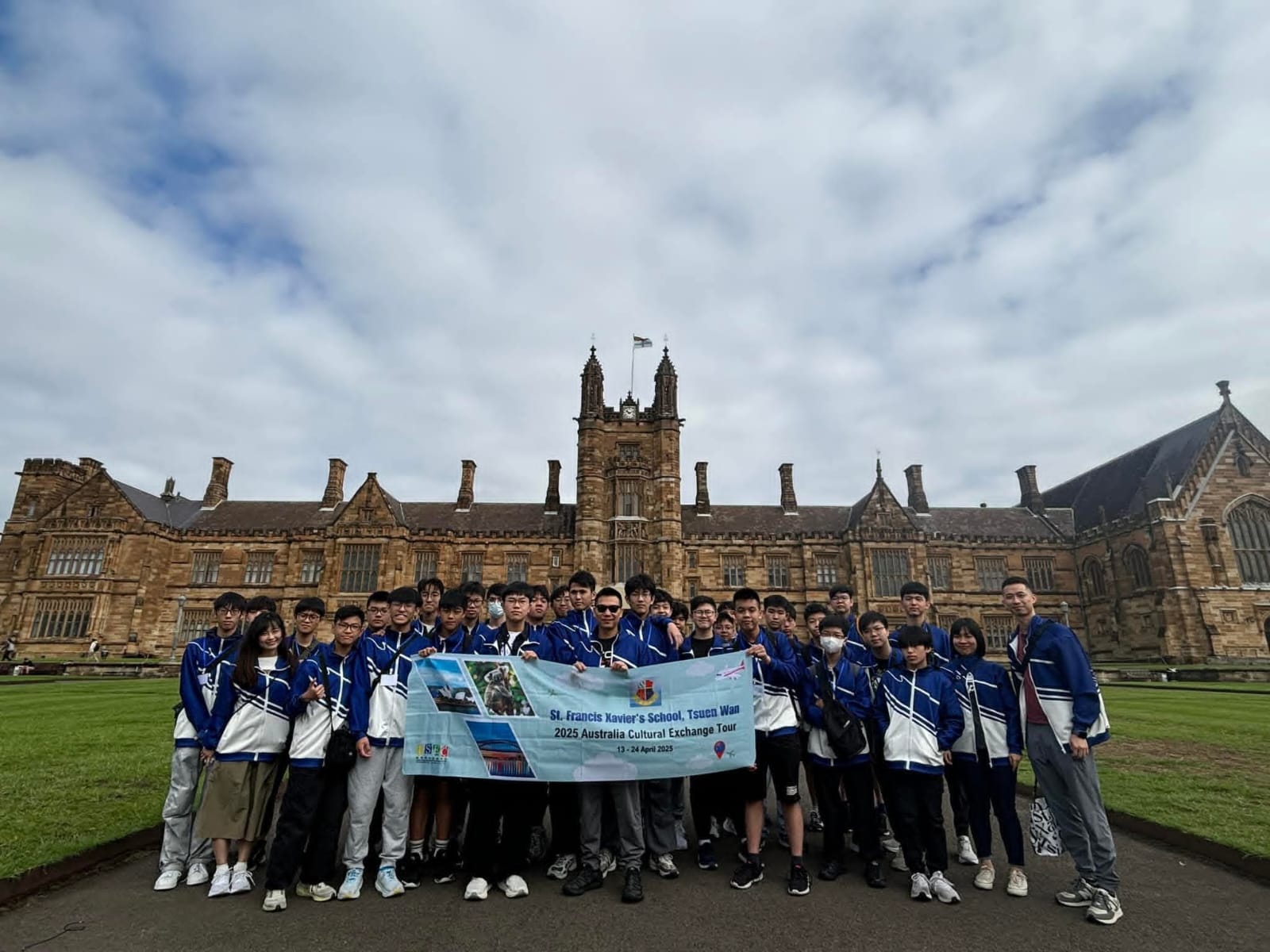
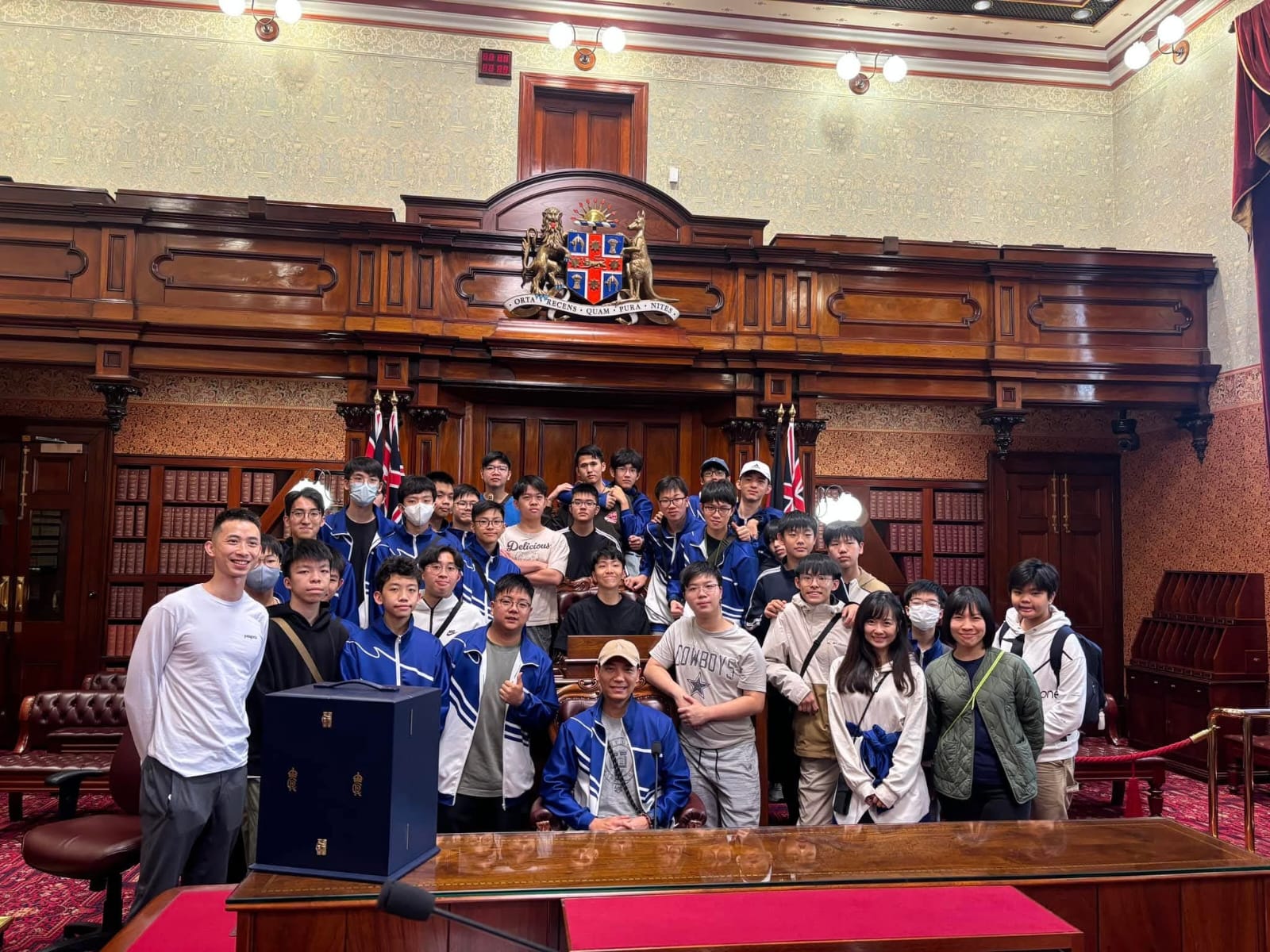
| Others | : | Student exchange programs organised by the Marist Brothers with affiliated schools in Malaysia, Singapore and the Philippines. Partnership school exchange tour will be organized with our sister school, Shanghai Beihong Senior High School (Former St. Francis Xavier's College, Shanghai). |
| Direct Public Transportation to School | : | Bus: 238M, 243M, 43B, 33, 33A, 34, 36, E31 etc; MTR: Tsuen Wan & Tsuen Wan West; Mini Bus: 89, 89M, 97, etc. |
| Remarks | : | The school develops students' diverse talents through a variety of learning programs and activities, including interdisciplinary exploratory activities, Life-wide Talent Training, leadership training, and aviation training. We also places great emphasis on students' language learning, implementing ability-based grouping for both junior and senior secondary levels to cater to the diverse needs of students. |
 School Map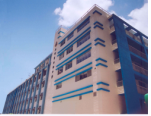

Last revision date: 5/12/2025


