 Secondary School Profiles 2025/2026


 Secondary School Profiles 2025/2026
| Address: | 10 Tak Po Street City One Shatin | |||
| Phone: | 26488222 | Email: | skhlkmss@skhlkmss.edu.hk | |
| Fax: | 26376489 | Website: | http://www.skhlkmss.edu.hk/ | |
School Mission
The School is committed to offering students a holistic and quality education based on the ethos of Christian whole-person education as propounded by the Anglican Church, inculcating in them good moral virtues, intelligence, physical fitness, gregariousness, aesthetics, and spiritual well-being. Our motto, "acquiring knowledge and practising with determination," inspires both staff and students to strive for excellence and contribute to society.
 School Information
 | District | : | Sha Tin |
| Other District(s) | : | |
| Supervisor / Chairman of School Management Committee | : | Ms. Wong Lai Fun Paulina |
| Principal (with Qualifications / Experiences) | : | Mr. Chan Chung Leung (BSc., Cert. Ed., Master) |
| School Type | : | Aided |
| Student Gender | : | Co-ed |
| Area Occupied by the School | : | About 4600 Sq. M |
| Name of Sponsoring Body | : | Anglican (Hong Kong) Secondary Schools Council Limited |
| Incorporated Management Committee | : | Established |
| Percentage of School Supervisor and Managers / Chairperson and Members of School Management Committee (SMC) of Government Schools Fulfilling the Training Targets | : | 100% |
| Religion | : | Protestantism / Christianity |
| Year of Commencement of Operation | : | 1982 |
| School Motto | : | Acquiring knowledge and practising with determination |
| Parent-Teacher Association | : | Yes |
| Student Union / Association | : | Yes |
| Past Students’ Association / School Alumni Association | : | Yes |
| 4Rs Mental Health Charter | : | Yes |
| Whole School Health Programme | : | Action School |
 Chargeable Fees (2025/2026)
| School Fee ($) | Tong Fai ($) | ||
| S1 | - | - | |
| S2 | - | - | |
| S3 | - | - | |
| S4 | - | $370 | |
| S5 | - | $370 | |
| S6 | - | $370 | |
| Parent-Teacher Association Fee (Annual) ($) | : $100 (permanent) | ||
| Student Union / Association Fee ($) | : $25 | ||
| Approved Charges for Non-standard Items (Annual)($) | : $470 (S.1-S.5) (TBC), $330 (S.6) (TBC) | ||
| Other Charges / Fees ($) | : - | ||
 School Facilities
 | Number of Classroom(s) | : | 26 |
| School Facilities | : | The school is equipped with 2 multi-media learning centres, a pottery workshop, a student activities room, a school history room, a gym room, a Chinese Culture Room, a multi-function room, Campus TV, a STEAM Hub, a school chapel, and a career counselling room. The school hall, the covered playground, classrooms, and all special rooms are air-conditioned, providing a comfortable learning environment for students. The School New Open Space, which is about 1,200 square metres, provides both authentic learning environments for studies and recreation. A pickleball court is going to be added to this space, allowing students to explore and experience this emerging sport. Furthermore, the school sports ground has been renovated this year to enhance the quality of sports facilities. |
| Facility(ies) for Supporting Students with Special Educational Needs | : | Ramp, Accessible lift and Accessible toilet. |
 Teaching Staff Information (Including School Head) in the 2025/2026 School Year
 | Number of Teaching Posts in the Approved Establishment | : | 55 |
| Total Number of Teachers in the School | : | 58 |
| Qualifications and Professional Training | : | Percentage of Teaching Staff (%) |
| Had Received Teacher Training | : | 90% |
| Bachelor Degree | : | 100% |
| Master / Doctorate Degree or above | : | 50% |
| Special Education Training | : | 59% |
| Years of Experience | : | Percentage of Teaching Staff (%) |
| 0-4 Years | : | 16% |
| 5-9 Years | : | 12% |
| 10 Years or above | : | 72% |
 2025/2026 Class Structure
 | Number of Classes | ||
| S1 | : | 4 |
| S2 | : | 4 |
| S3 | : | 4 |
| S4 | : | 4 |
| S5 | : | 4 |
| S6 | : | 5 |
 Subjects Offered
 | Subjects Offered in the 2025/2026 School Year | : | S.1 - S.3 |
| Chinese as the Medium of Instruction | : | Chinese Language, Chinese History, Physical Education, Putonghua, Religious Education and Ethics, "Citizenship, Economics and Society" |
| English as the Medium of Instruction | : | English Language, Mathematics, Science, History, Geography, "Economics, Accounting & Personal Finance" (S.3), Computer Literacy, Visual Arts, Home Economics, Design & Technology and Music |
| Adopt a Different Medium of Instruction by Class or by Group / School-based Curriculum | : | - |
| Subjects Offered in the 2025/2026 School Year | : | S.4 - S.6 |
| Chinese as the Medium of Instruction | : | Chinese Language, Chinese History, Physical Education, Ethics, Citizenship and Social Development |
| English as the Medium of Instruction | : | English Language, Mathematics (including M1 and M2), Biology, Chemistry, Physics, Economics, Geography, History, "Business, Accounting and Financial Studies", Information and Communication Technology, Visual Arts |
| Adopt a Different Medium of Instruction by Class or by Group / School-based Curriculum | : | - |
| Subjects to be Offered in the 2026/2027 School Year | : | S.1 - S.3 |
| Chinese as the Medium of Instruction | : | Chinese Language, Chinese History, Physical Education, Putonghua, Religious Education and Ethics, "Citizenship, Economics and Society" |
| English as the Medium of Instruction | : | English Language, Mathematics, Science, History, Geography, "Economics, Accounting & Personal Finance" (S.3), Computer Literacy, Visual Arts, Home Economics, Design & Technology and Music |
| Adopt a Different Medium of Instruction by Class or by Group / School-based Curriculum | : | - |
| Subjects to be Offered in the 2026/2027 School Year | : | S.4 - S.6 |
| Chinese as the Medium of Instruction | : | Chinese Language, Chinese History, Physical Education, Ethics, Citizenship and Social Development |
| English as the Medium of Instruction | : | English Language, Mathematics (including M1 and M2), Biology, Chemistry, Physics, Economics, Geography, History, "Business, Accounting and Financial Studies", Information and Communication Technology, Visual Arts |
| Adopt a Different Medium of Instruction by Class or by Group / School-based Curriculum | : | - |
 Secondary One Admission, Orientation Activities & Healthy School Life
 | Secondary One Admission | : | Our school will accept discretionary places. Our school will participate in the Secondary School Places Allocation System through central allocation stage (Applicable for admission to S.1 in September 2026 ).The admission criteria for discretionary places will be announced on our school website in due course. |
| Orientation Activities and Healthy Life | : | The Summer Bridging Program, S1 Orientation Day, and Hand-in-Hand Peer Counselling Scheme help students familiarize themselves with the school culture and adapt to school life as early as possible. Our school places great emphasis on cultivating students' healthy lifestyles and habits. Through Home Economics and Physical Education lessons, students learn the importance of healthy eating and regular exercise. Since 2019, the school has organized the annual "S-miles Day," featuring inter-class indoor rowing competitions to enhance students' interest in sports, foster team spirit, and develop a proactive and positive attitude. To further encourage students to exercise regularly, the school has set up the "Sports Corner," which provides various fitness equipment and facilities for students to train during their free time. This initiative aims to help students achieve the MVPA60 goal of engaging in at least 60 minutes of moderate-to-vigorous physical activity daily. The Life Education Team, together with co-curricular activity groups, also promotes physical and mental well-being through Form-teacher periods and non-conventional lessons, strengthening students' resilience and fostering a positive attitude towards life. |
 School Characteristics
 | School Management | ||
| (1) School's Major Concerns | : | 1. Ownership of Learning 2. Students’ well-being through the 4Rs ---Rest, Relaxation, Relationship and Resilience |
| (2) School Management Organisation | : | The school adheres to school-based management with a School Administration and School Improvement Committee composed of the principal, heads of functional groups and teacher representatives. School staff, parents and students actively participate in the planning, implementation and evaluation of school policies and programs. |
| (3) Incorporated Management Committee / School Management Committee / Management Committee | : | The Incorporated Management Committee, comprising 15 members from different professional sectors, has been set up. The school supervisor is Ms Wong Lai Fun Paulina. School managers include members nominated by the school sponsoring body and elected members from parents, teachers and alumni. |
| (4) School Green Policy | : | The school actively promotes environmental conservation through formal curriculum and other learning experience. Over the past few years, the school has set up solar panels and a wind turbine to generate renewable energy. Energy-saving T5 fluorescent tubes were installed. Heat shield coating was fixed on roof tops to reduce heat absorption. |
| Learning and Teaching Plan | ||
| (1) Whole-school Language Policy | : | Our school adopts English as the main medium of instruction (please refer to the subjects offered in 2025/26 and 2026/27 for details). The school is committed to providing a rich language learning environment for students to become bi-literate and trilingual. Besides the regular curriculum, there are reading schemes, academic talks, dramas, debates, study tours and Model United Nations that offer students the best opportunities to sharpen their language skills. |
| (2) Learning and Teaching Strategies | : | Our school aims to empower students to take ownership of their learning, develop a proactive attitude, and equip them with the skills to succeed in an ever-evolving world. • Enhancing Self-Directed Learning Students are encouraged to set personalized learning goals, engage actively in the learning process, adjust their learning methods, monitor their progress, and evaluate their outcomes. Good learning habits are cultivated through practices such as pre-lesson preparation, effective note-taking, regular revision, asking questions, and utilizing graphic organizers. • Catering for Learning Diversities Tiered assignments are adopted to cater to students at different levels. Set up elite classes and remedial classes to address the individual learning needs of students. • Integrating Technology in Learning The Bring-Your-Own-Device (BYOD) policy promotes the integration of technology to enhance self-directed learning. Artificial intelligence (AI) is leveraged as a virtual tutor to provide personalized guidance and support, fostering a positive and proactive learning attitude. • Increasing Motivation and Confidence Students' motivation and confidence are boosted through various life-wide learning activities, which encourage experiential learning and broaden their horizons. Extended reading materials are provided to ignite students’ interest and deepen their understanding of subject matter. |
| (3) School-based Curriculum | : | 1. Electives: 3X. Our school offers 10 elective subjects and provides external courses in music, other languages, and applied learning subjects. 2. Curriculum highlights: Students can select subjects from Science, Arts and Business fields. To implement STEAM education more systematically, the school has restructured its curriculum and different subjects have infused such elements into their curricula correspondingly. |
| (4) Major Renewed Emphases in the School Curriculum | : | • Global Learning & Life-wide Learning: Diverse activities and overseas study tours (e.g., Poland, Mongolia, Japan, New Zealand) were organized to connect learning with real-life applications, broaden global perspectives, and foster independent learning. Through cultural talks, community visits, reading programs, and study tours, students broaden their horizons, develop empathy, and strengthen their national and global identity. • Cross-disciplinary Reading: Subject teachers promote reading through recommended materials and library visits, enriching learning and enhancing students' reading skills. • STEAM Education: The curriculum is updated to nurture creativity, innovation, and problem-solving skills, unlocking students’ potential. • Chinese Cultural Education: A dedicated committee integrates Chinese culture into the curriculum through experiential classes and activities like traditional food-making, tea-making, and decoration creation to deepen understanding and foster cultural identity. |
| (5) Life Planning Education | : | Our school emphasizes fostering students' career development through a comprehensive Life Planning Education program, integrating self-understanding, career exploration, and career planning. 1. Self-Understanding and Development: Students in junior forms engage in school-based life planning education as part of values education, gaining insights into their strengths and interests through customized materials and activities. Senior students participate in workshops, form periods, and counseling sessions using assessment tools to explore their personalities and career interests, aiding in personal growth and potential development. 2. Career Exploration: A variety of career-related activities, such as workplace visits, job shadowing, internships, and job-tasting workshops, are organized to enhance students' understanding of different professions. Collaborations and experiential learning opportunities enrich students’ career aspirations and broaden their horizons. 3. Career Planning and Management: Talks, workshops, and counseling sessions are held to guide subject selection, higher education planning, and career decision-making. Senior students benefit from group and individual counseling to develop tailored academic and career roadmaps. |
| Student Support | ||
| (1) Whole School Approach to Catering for Learner Diversity | : | 1. Individual Support and Care A dedicated team, comprising the school social worker, the guidance master, vice-principals, and teaching staff, has been established to care for students with special needs. Educational psychologists, speech therapists, school social workers, and guidance and discipline teachers provide individual counseling and support for students in need. Additionally, the school has an SEN coordinator to ensure that students with SEN receive appropriate assistance. 2. Promotion of Positive Values The school promotes values education through various means, including school assemblies and form periods, to instill positive values in students. Teachers also organize diverse activities to help students understand themselves better and strengthen their ability to face adversity. Furthermore, positive behaviors are encouraged through various recognition schemes, fostering a supportive and caring campus culture. |
| (2) Whole School Approach to Integrated Education | : | 1. Implementation of Inclusive Education Our school adopts the Whole School Approach to promote integrated education to support students with special educational needs. The Student Support Team comprises the Vice Principal, SENCO, the Careers and Life Planning Mistress, the School Social Worker, and the SEN teacher. The team tailors education plans to cater for students' different needs and conveys the message of understanding, accepting, and appreciating individual differences within the school. 2. Empowering Teaching Staff Our school encourages teaching staff to take relevant courses conducted by the EDB to enhance their ability to effectively teach and support students with various learning needs. 3. Effective Use of the Learning Support Grant The Learning Support Grant is utilized to provide various activities, such as social skills groups and animal-assisted therapy, to enhance the social skills, empathy, and confidence of students with special learning needs. The school-based Educational Psychologist and Speech Therapist provide assessment services and training for students in need. The school maintains close contact with parents to ensure the provision of the most appropriate assistance for the students. |
| (4) Measures to Provide Adaptation for Learning and Assessment | : | Common tests and examinations are held twice a year, in the middle and at the end of each term, respectively. Other forms of assessment, such as quizzes and book reviews, are conducted at the discretion of the subject panels. Modulation on homework or assessment will be made for students with special educational needs. |
| Home-School Co-operation and School Ethos | ||
| (1) Home-School Co-operation | : | Through the Parent-teacher Association, talks and activities that aim to foster home-school cooperation and enhance communication between parents and the school are regularly held for parents and students. Parent volunteer team provides great support during school events, further enhancing the home-school partnership. |
| (2) School Ethos | : | Our students are modest and well-behaved and have a good rapport with their peers and the teachers. All pastoral care programmes and home-school cooperation enhance students’ physical and spiritual growth. |
| Future Development | ||
| (1) School Development Plan | : | 1. Leverage AI to enhance students' learning effectiveness and habits through teacher training, classroom applications, and effective assignment design. 2. Boost learning motivation and confidence via AI-related activities, engaging reading materials, and subject-specific motivational strategies. 3. Promote rest and relaxation by organizing wellness days, sports uniform days, and workshops to help students prioritize mental health and develop healthy habits. 4. Strengthen relationships among students, teachers, and parents through inter-class activities, parent-school cooperation, and values education programmes. 5. Foster students' resilience and positive attitudes by incorporating resilience education, adventure camps, and thematic activities to equip them with stress management skills. |
| (2) Teacher Professional Training and Development | : | Our school actively promotes professional development by organizing Teacher Development Days and peer-sharing sessions during staff meetings to foster collaboration and align with the school's development goals. A designated subsidy is provided to encourage teachers to pursue further studies and enhance their professional skills. Teachers embrace lifelong learning, continuously improving teaching effectiveness through lesson planning, peer observation, and participation in seminars, exchange programs, and professional courses. They are eager to explore new knowledge and take on new challenges. |
| Life-wide Learning (Including Five Essential Learning Experiences to be Provided through Key Learning Areas, Extra-curricular Activities, Co-curricular Activities, etc.) | : | Diverse Co-curricular Activities and External Participation: We offer a wide range of co-curricular activities, including but not limited to academic clubs, interest groups, music instrument groups, sports teams, community service groups, the Student Union, the Hand-in-Hand Peer Counselling Scheme, the Prefect Team, and the Volunteer Group. Subject departments actively organise "Learning Beyond Classroom" activities to enrich students' other learning experiences. Furthermore, we encourage students to broaden their horizons by participating in external competitions and exchange activities. Cultural Exploration and Study Tours: We strive to expose students to different cultures around the world by organising various study tours to countries such as Poland, Mongolia, and New Zealand. These opportunities allow students to experience different cultures firsthand, deepening their understanding of the world. |
| Others | : | - |
| Direct Public Transportation to School | : | The school is accessible by buses direct from all districts, and is just a 2-minute walk from City One Station of the Tuen Ma Line. |
| Remarks | : | - |
 School Map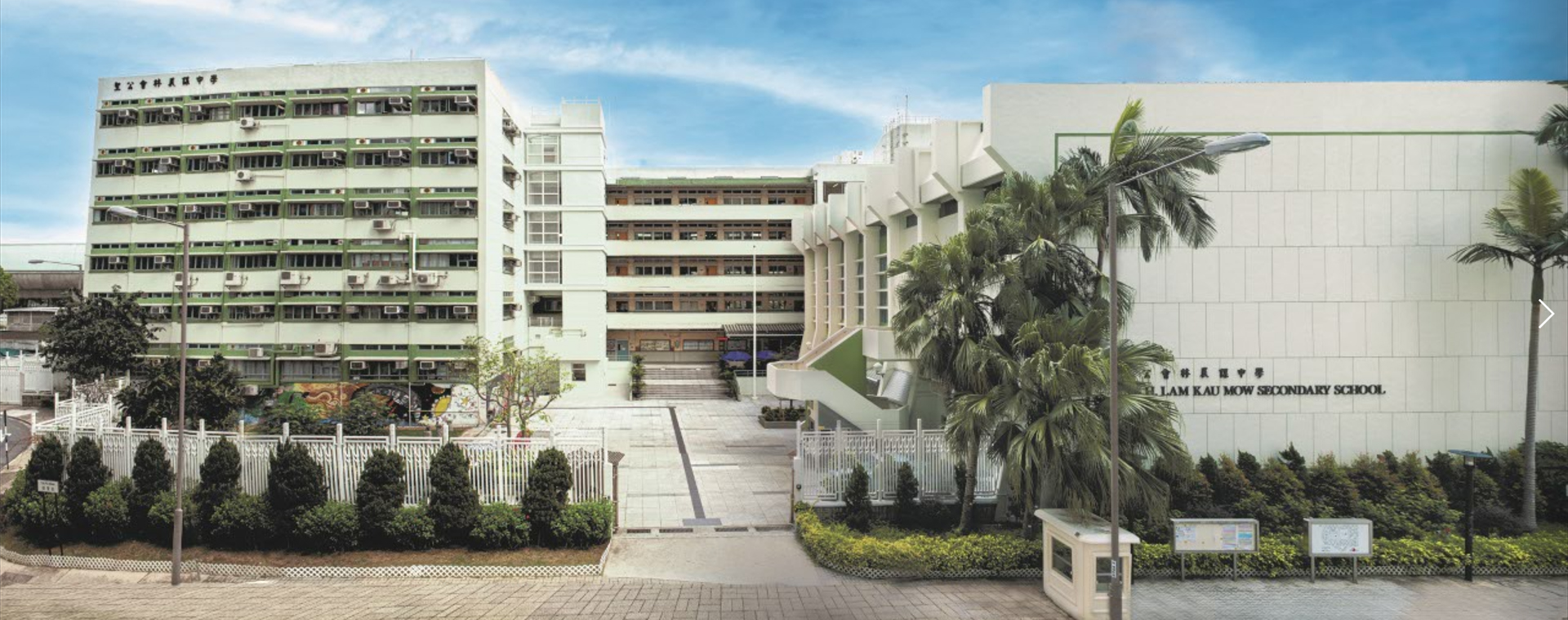
Last revision date: 5/12/2025


