 Secondary School Profiles 2025/2026


 Secondary School Profiles 2025/2026
| Address: | 26 Hong Lee Road Kwun Tong | |||
| Phone: | 23456481 | Email: | scsg@scsg.edu.hk | |
| Fax: | 27902381 | Website: | http://www.scsg.edu.hk | |
School Mission
To deliver quality education to students, making them virtuous, all-round and knowledgeable.
 School Information
 | District | : | Kwun Tong |
| Other District(s) | : | Sai Kung |
| Supervisor / Chairman of School Management Committee | : | Mr. Ngai Sik Shui |
| Principal (with Qualifications / Experiences) | : | Mr. Kwan Chi Kuen (Master of Arts (CUHK), Master of Science (CUHK), Master of Science (HKU), Bachelor of Engineering (HKU)) |
| School Type | : | Aided |
| Student Gender | : | Girls |
| Area Occupied by the School | : | About 12600 Sq. M |
| Name of Sponsoring Body | : | Anglican (Hong Kong) Secondary Schools Council Limited |
| Incorporated Management Committee | : | Established |
| Percentage of School Supervisor and Managers / Chairperson and Members of School Management Committee (SMC) of Government Schools Fulfilling the Training Targets | : | Not Applicable |
| Religion | : | Protestantism / Christianity |
| Year of Commencement of Operation | : | 1968 |
| School Motto | : | Brave, Gentle, Sincere |
| Parent-Teacher Association | : | Yes |
| Student Union / Association | : | Yes |
| Past Students’ Association / School Alumni Association | : | Yes |
| 4Rs Mental Health Charter | : | Yes |
| Whole School Health Programme | : | Action School |
 Chargeable Fees (2025/2026)
| School Fee ($) | Tong Fai ($) | ||
| S1 | - | - | |
| S2 | - | - | |
| S3 | - | - | |
| S4 | - | $290 | |
| S5 | - | $290 | |
| S6 | - | $290 | |
| Parent-Teacher Association Fee (Annual) ($) | : $70 | ||
| Student Union / Association Fee ($) | : $40 | ||
| Approved Charges for Non-standard Items (Annual)($) | : Non-Standard Educational Resources Charges: $300 (non-standard teaching aids, facilities, employment of human resources, etc.) | ||
| Other Charges / Fees ($) | : - | ||
 School Facilities
 | Number of Classroom(s) | : | 30 |
| School Facilities | : | STEAM Room, Gymnasium, Pottery Room, English Corners, Computer Rooms, Chinese Corners, Geography Room, Moral & Civic Education Corner, Student Centre, School History & Archives Centre. |
| Facility(ies) for Supporting Students with Special Educational Needs | : | Ramp, Accessible lift and Accessible toilet. |
 Teaching Staff Information (Including School Head) in the 2025/2026 School Year
 | Number of Teaching Posts in the Approved Establishment | : | 64 |
| Total Number of Teachers in the School | : | 67 |
| Qualifications and Professional Training | : | Percentage of Teaching Staff (%) |
| Had Received Teacher Training | : | 92% |
| Bachelor Degree | : | 100% |
| Master / Doctorate Degree or above | : | 36% |
| Special Education Training | : | 69% |
| Years of Experience | : | Percentage of Teaching Staff (%) |
| 0-4 Years | : | 32% |
| 5-9 Years | : | 6% |
| 10 Years or above | : | 62% |
 2025/2026 Class Structure
 | Number of Classes | ||
| S1 | : | 5 |
| S2 | : | 5 |
| S3 | : | 5 |
| S4 | : | 5 |
| S5 | : | 5 |
| S6 | : | 5 |
 Subjects Offered
 | Subjects Offered in the 2025/2026 School Year | : | S.1 - S.3 |
| Chinese as the Medium of Instruction | : | Chinese History, Chinese Language, Citizenship, Economics and Society (F.3), Putonghua, Religious and Life Education, Visual Arts (F.2-F.3) |
| English as the Medium of Instruction | : | Citizenship, Economics and Society (F.2), Computer Literacy, English Language, Geography, History, Mathematics, Music, Physical Education, Science, Technology and Living (Fashion), Technology and Living (Food), Visual Arts (F.1) |
| Adopt a Different Medium of Instruction by Class or by Group / School-based Curriculum | : | - |
| Subjects Offered in the 2025/2026 School Year | : | S.4 - S.6 |
| Chinese as the Medium of Instruction | : | Chinese Language, Citizenship and Social Development, Chinese History, Ethics & Religious Studies, Visual Arts |
| English as the Medium of Instruction | : | English Language, Mathematics, Mathematics Extended Part (Module 1), Physics, Chemistry, Biology, Information & Communication Technology, BAFS, Economics, Geography, History, Technology & Living (Fashion, Clothing and Textiles) |
| Adopt a Different Medium of Instruction by Class or by Group / School-based Curriculum | : | - |
| Subjects to be Offered in the 2026/2027 School Year | : | S.1 - S.3 |
| Chinese as the Medium of Instruction | : | Chinese History, Chinese Language, Putonghua, Religious and Life Education, Visual Arts (S.3) |
| English as the Medium of Instruction | : | Citizenship, Economics and Society, Computer Literacy, English Language, Geography, History, Mathematics, Music, Physical Education, Science, Technology and Living (Fashion), Technology and Living (Food), Visual Arts (S.1-S.2) |
| Adopt a Different Medium of Instruction by Class or by Group / School-based Curriculum | : | - |
| Subjects to be Offered in the 2026/2027 School Year | : | S.4 - S.6 |
| Chinese as the Medium of Instruction | : | Chinese Language, Citizenship and Social Development, Chinese History, Ethics & Religious Studies, Visual Arts |
| English as the Medium of Instruction | : | English Language, Mathematics, Mathematics Extended Part (Module 1), Physics, Chemistry, Biology, Information & Communication Technology, Business, Accounting and Financial Studies, Economics, Geography, History, Technology & Living (Fashion, Clothing and Textiles) |
| Adopt a Different Medium of Instruction by Class or by Group / School-based Curriculum | : | - |
 Secondary One Admission, Orientation Activities & Healthy School Life
 | Secondary One Admission | : | Our school will accept discretionary places. Our school will participate in the Secondary School Places Allocation System through central allocation stage (Applicable for admission to S.1 in September 2026 ).Rank Order provided by the EDB 50%, Activities & Awards 10%, Conduct & Attitude 10%, Performance in the Interview (including English, Politeness/Decorum, Common Knowledge) 30%. |
| Orientation Activities and Healthy Life | : | Every year, the school holds a Form 1 Orientation Program at the end of August to introduce the school and the PTA to parents and new students. A summer English immersion course is organized to help students familiarize themselves with the English learning environment. The Counselling Team also holds a series of activities at the beginning of the school year. The school was awarded the Gold Award in the Hong Kong Healthy Schools Award Scheme. Fostering students with good health is our commitment. We promote balanced diets, exercise, disease prevention, a safe environment, and mental wellness to encourage a healthy lifestyle. |
 School Characteristics
 | School Management | ||
| (1) School's Major Concerns | : | Nurturing academic excellence through the refinement of assessment literacy and broadening students' knowledge beyond the classroom; Strive to be the best, to be a person of value and a person with a sense of global identity. |
| (2) School Management Organisation | : | Nine functional groups exist in the school, including Academic, Student Affairs, Moral and Civic Education, Counselling & Guidance, Discipline, Careers Guidance, Religious Activities, Student Welfare and General Administration. |
| (3) Incorporated Management Committee / School Management Committee / Management Committee | : | The members of the Incorporated Management Committee include representatives from the school sponsoring body, alumnae, parents and teachers, school principal and independent professionals. |
| (4) School Green Policy | : | The Green Society has been set up to promote environmental protection. An environmental fashion show is organized in cooperation with other schools. It aims to provide students with an opportunity to put what they have learnt about environmental protection into practice and to enhance their creativity. |
| Learning and Teaching Plan | ||
| (1) Whole-school Language Policy | : | Majority of subjects use English for classroom teaching, daily communication, and notice announcements. Students can also participate in various foreign language clubs to learn French, Spanish, Japanese and Korean. The "One Person, One Foreign Language" initiative is being implemented in F.2. |
| (2) Learning and Teaching Strategies | : | - The school has launched its self-developed AI learning platform and subject-specific channels to foster self-directed learning and cater for learning diversity. - The school actively promotes blended learning to extend students' learning experiences. - The implementation of a Bring Your Own Device (BYOD) program facilitates learning through technology. - Curricula of various subjects are effectively integrated with Co-curricular activities, enabling students to engage in comprehensive learning. - A wide variety of subjects are taught in the junior forms to help students develop their potential and strengths in different areas and to set long-term goals. - A variety of subjects are offered in the senior forms to address students' interests and capabilities. These include subjects in science, arts, and commercial subjects to help students pursue their aspirations. - To ensure that the eight key areas are fully covered, the school organizes various interdisciplinary activities in different forms to develop students’ knowledge, generic skills, and capabilities. - The school promotes reading by setting up a reading corner in every classroom and conducting a reading session after lunch to encourage students to develop their reading habits. |
| (3) School-based Curriculum | : | 1. Electives: 3X. We offer electives in different strands, namely Science, Technology, Humanities and Arts. Under the academic structure, there are a wide variety of combinations of elective subjects. 2. Curriculum highlights: The element of English Literature is introduced in the F.2 English curriculum. This specially designed curriculum aims at arousing the interest of F.2 students in learning English. Religious and Life Education is introduced in F.1-F.3 to foster students' positive values through the teaching of Christian ethical values. |
| (4) Major Renewed Emphases in the School Curriculum | : | - Each subject selects appropriate e-learning platforms and apps for interactive learning and teaching. - Different subjects and groups coordinate a variety of interdisciplinary activities. Activities are conducted in the form of project studies, which facilitates students' independent learning capabilities, develops their generic skills and interpersonal relations, enables students to construct knowledge and broadens their horizons. 'Green Bird in Action' program organized by 'The Hong Kong Award for Young People' has been introduced in F.1 this year to cultivate students with perseverance and the spirit of self-challenge through unique international principles. - Life Education has been implemented in Religious Education in F.1-F.3. The syllabus is designed systematically to provide students with opportunities to reflect on issues related to moral and civic education and to inculcate students with positive values progressively. Teachers and students explore various issues in class in order to establish correct values and attitudes towards life. - This year, the focal points of moral and civic education emphasize 'Empathy', 'Benevolence' and 'National Identity'. - Various seminars and activities on moral and civic education are held in assemblies and after school to foster all-round development among students. |
| (5) Life Planning Education | : | Career and life planning is the process of contemplating the future, taking action, and exploring directions. Our school places particular emphasis on developing students' career and life planning. For junior form students, we organize various activities, such as career exploration workshops, seminars on subject selection for students and parents, and career quiz competitions. In this way, students can be inspired to explore different careers, understand the relationship between occupations and interests, and set goals. Our school also assists senior form students in setting career development plans based on their individual interests, abilities, and expectations. Activities include career interest tests, workplace visits, job internship programs, multi-path talks, group counseling services, and more. Alumni actively engage in career-related activities such as JUPAS counseling and university life sharing. By participating in the “Funding Scheme for Youth Life Planning Activities,” our school collaborates with the Hong Kong Sheng Kung Hui Welfare Council Limited to organize various life planning projects, including mock releases of public examination results, mock interview workshops, and self-understanding workshops for our students. Students are expected to step into the world of work and are prepared for lifelong learning. |
| Student Support | ||
| (1) Whole School Approach to Catering for Learner Diversity | : | 1. The school pays particular attention to cater for student diversity. 2. Students who are of average abilities are encouraged to strive for excellence. Outstanding students will be selected to participate in the school’s Apex program (Elite program) and assist them in joining external gifted programs and competitions, providing opportunities for overseas observation and exchange. 3. To make it easier to cater for student diversity, class sizes in core subjects have been reduced where possible and remedial and elite classes are provided. |
| (2) Whole School Approach to Integrated Education | : | Coordinated by the Special Educational Needs Co-ordinator and the Student Support Team, with the support of the Counselling and Guidance Committee, form teachers, subject teachers, the school social workers, the educational psychologist and the speech therapist, support measures are in place for facilitating the learning and growth of students. The school also makes use of the Learning Support Grant to implement support programmes such as the executive function skills training program, social skills training program, learning support group and study skills group etc. It is hoped that students can be more ready to tackle the challenges in learning and personal growth. |
| (3) Education Support for Non-Chinese Speaking (NCS) Students | : | Our school provides additional support for NCS students to facilitate their learning of Chinese: providing after-school support programmes in learning Chinese; and organising activities to create an inclusive learning environment in the school. |
| (4) Measures to Provide Adaptation for Learning and Assessment | : | There is one examination in the first term, and one mid-term test and one examination in the second term. The score obtained in the mid-term test and examination accounts for 80% of the total mark shown on the report card. The remaining 20% comes from continuous assessments throughout the term, including learning attitude and the scores obtained from homework, group projects and quizzes. |
| Home-School Co-operation and School Ethos | ||
| (1) Home-School Co-operation | : | The school invites members of the Parent-Teacher Association (PTA) to assist the school to organize different activities, such as the 'Fun Fair' to set up a booth. To strengthen communication between the school and the PTA, regular meetings are held to discuss various issues and provide advice to the school. Different activities are organized for parents and students to promote communication between parents and their children on one hand, and to develop students with a sense of belonging to the school on the other. The PTA also provides funding to improve school facilities so as to enhance the learning environment for students. In addition, scholarships are set up, encouraging students to pursue for all-round development. |
| (2) School Ethos | : | The school maintains a healthy, balanced and pleasant ethos. Teachers and students are positive and accommodating. They maintain open minds to embrace new ideas and broaden their horizons. Two social workers and an educational psychologist from Christian Family Service Centre and Sheng Kung Hui respectively provide counselling services for students. The Counselling Team consists of experienced teachers who actively implement a range of schemes to support students. |
| Future Development | ||
| (1) School Development Plan | : | School focus of the year: 1. Nurturing academic excellence through the refinement of assessment literacy.; 2. Strive to be the best and to be a person of value. |
| (2) Teacher Professional Training and Development | : | The school organizes Staff Development Days every year to keep teachers abreast of the latest trends and policies in education. Teaching and learning effectiveness are continually developed in these workshops. Teachers are also continually updating their subject knowledge and teaching effectiveness by undergoing further study in their subject areas and in teaching methodology. Teachers are encouraged to take part in peer lesson observation and learning studies. |
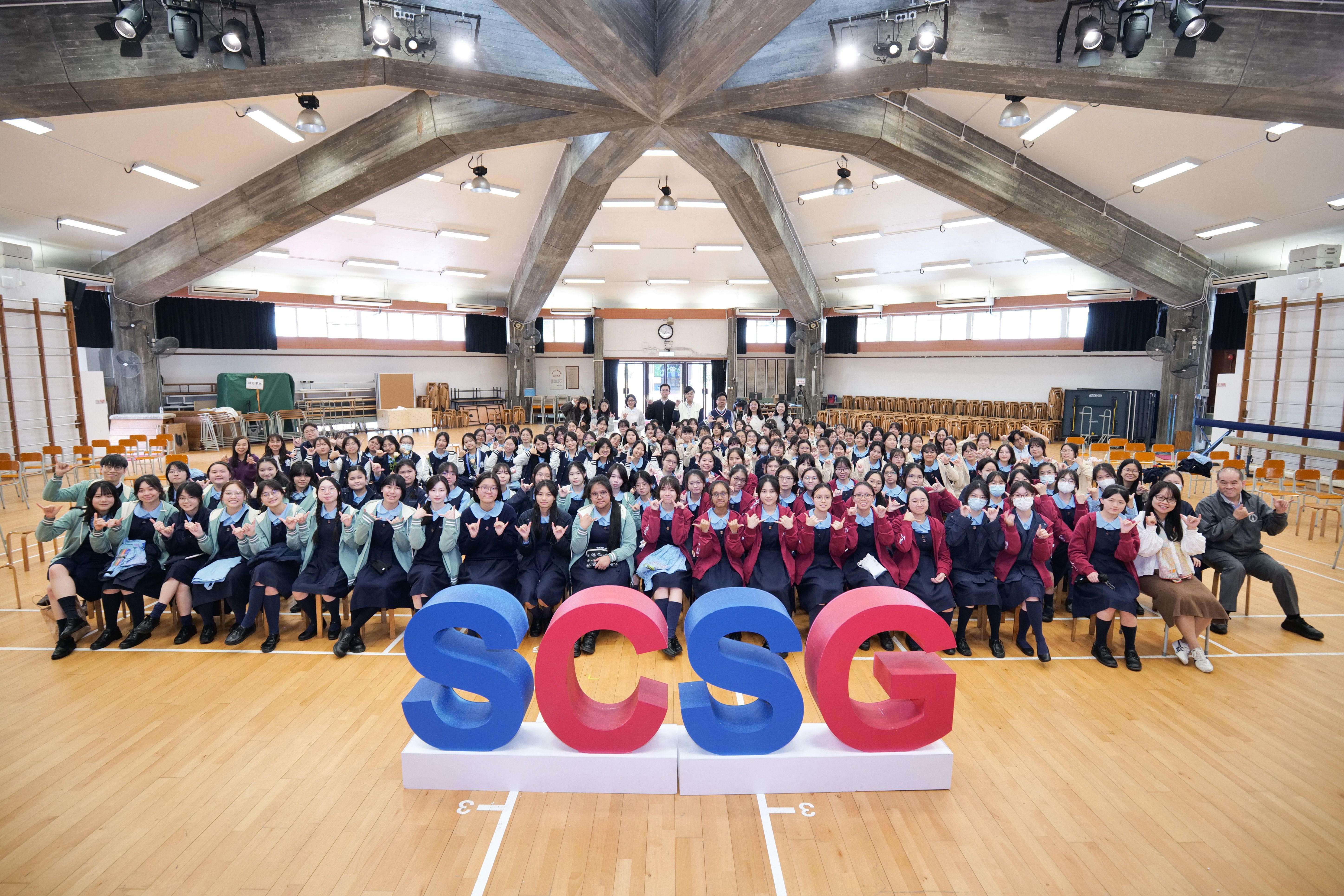
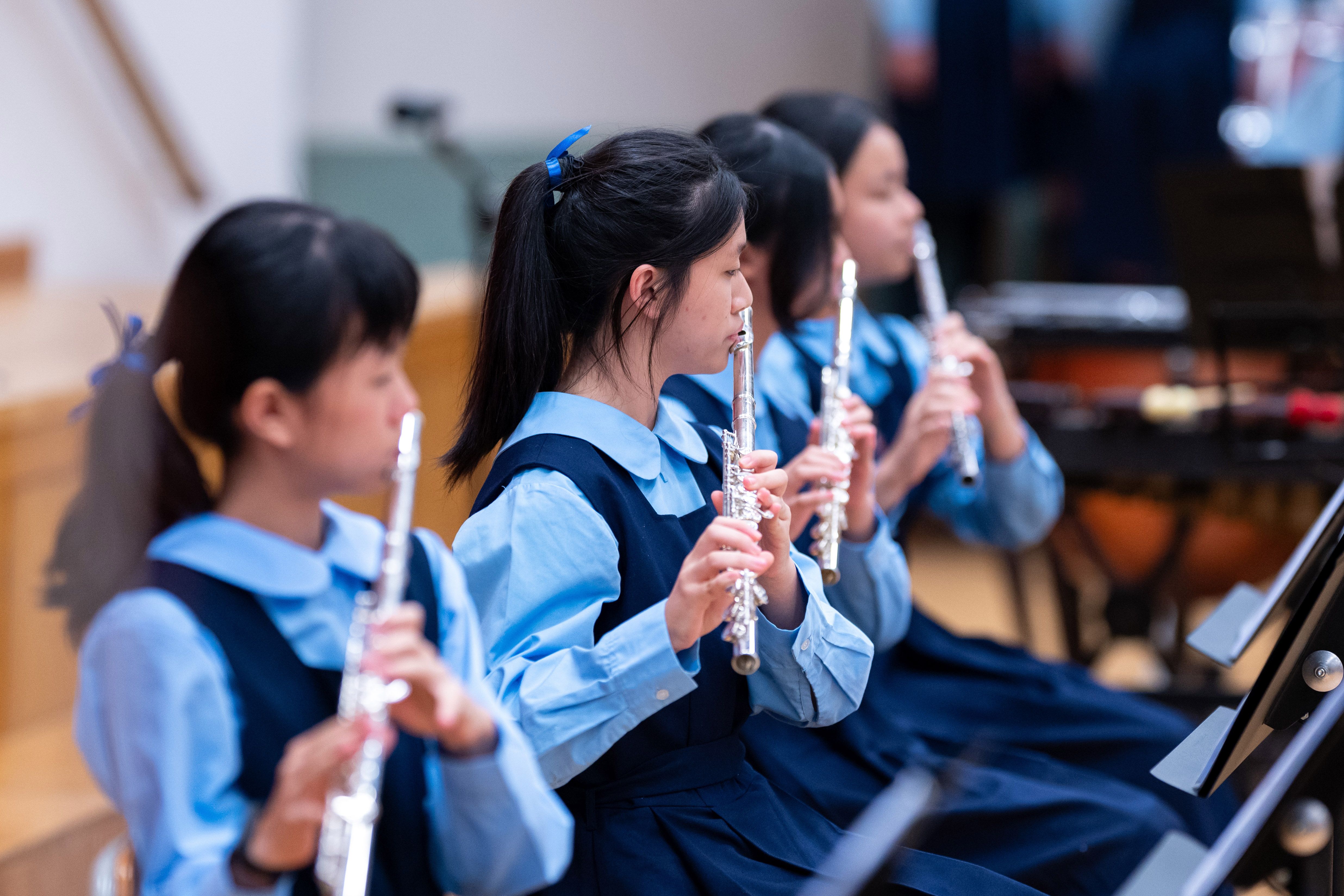
| Life-wide Learning (Including Five Essential Learning Experiences to be Provided through Key Learning Areas, Extra-curricular Activities, Co-curricular Activities, etc.) | : | The Student Union has a long-standing history. The committee members are elected by the whole student body. Our school boasts over 60 clubs and school teams spanning Academic & Religious, Medical & Innovation, Artistic & Sports, Service, and Interest categories. It provides opportunities for students to maximise their potential while also developing inter-personal skills and lasting friendships. |
| Others | : | 1. Our school provides more than 20 scholarships for outstanding students. 2. The school, since its establishment, has always offered a well-balanced education for the all-round development of students. 3. The school aims to provide moral education that nurtures students and develops a strong sense of self and includes the virtues of self-respect, self-discipline, self-esteem, self-reliance and self-regard. 4. The school values health education, civic education and environmental protection. Students' academic performance has been encouraging in public exams. |
| Direct Public Transportation to School | : | Shuttle bus: From Tseung Kwan O/Kwun Tong Town Centre/Ngau Tau Kok/Yau Tong/Lam Tin/Sau Mau Ping/Lok Wah Estate/On Tai Estate/On Tat Estate to the school. Light bus routes: 36A, 35 Light bus routes: 22A, 22M, 90B, 104, 106 & Bus route: 28S (Walk along Hong Lee Road for 7 minutes) |
| Remarks | : | - |
 School Map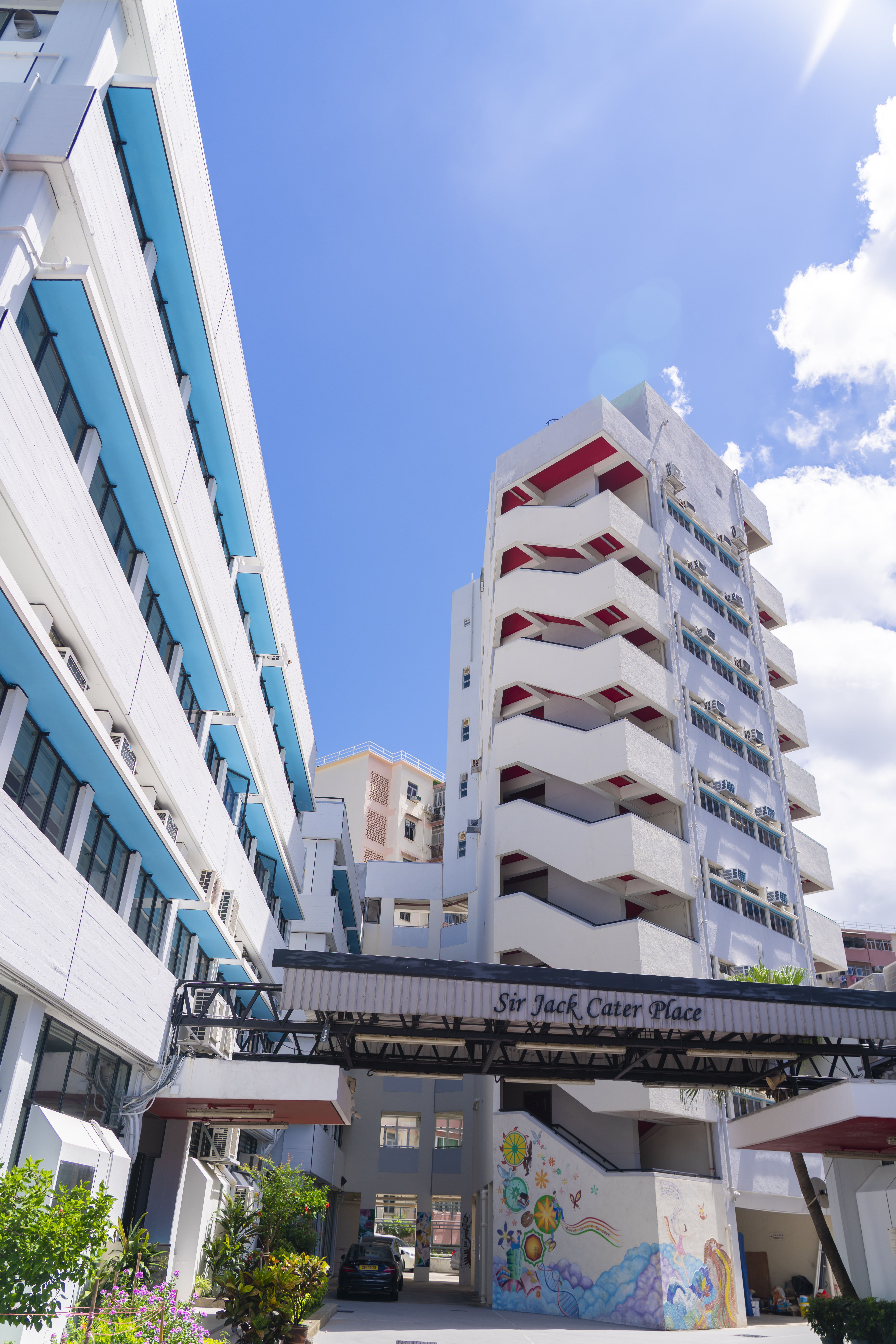
Last revision date: 5/12/2025


