 Secondary School Profiles 2025/2026


 Secondary School Profiles 2025/2026

| Address: | 2 Lyttelton Road | |||
| Phone: | 25492521 | Email: | ssgc@ssgc.edu.hk | |
| Fax: | 25596994 | Website: | http://www.ssgc.edu.hk | |
School Mission
A Christian school that aims to provide good education and strives to educate the "whole person" by emphasizing the moral, intellectual, physical, social, aesthetic, and spiritual development of every student. It endeavours to help students achieve academic excellence, unleash their potential, become responsible global citizens and future leaders, and serve the community.
 School Information
 | District | : | Central & Western |
| Other District(s) | : | Wan Chai, Eastern |
| Supervisor / Chairman of School Management Committee | : | The Revd Canon Koon Ho Ming Peter Douglas |
| Principal (with Qualifications / Experiences) | : | Ms. Lam Lai Yung [B.Sci., P.C.Ed., M.Ed., Ed.D. Compassionate Systems Master Practitioner (MIT, USA)] |
| School Type | : | Aided |
| Student Gender | : | Girls |
| Area Occupied by the School | : | About 10000 Sq. M |
| Name of Sponsoring Body | : | The St. Stephen's Girls' College Council |
| Incorporated Management Committee | : | Not yet established |
| Percentage of School Supervisor and Managers / Chairperson and Members of School Management Committee (SMC) of Government Schools Fulfilling the Training Targets | : | Not Applicable |
| Religion | : | Protestantism / Christianity |
| Year of Commencement of Operation | : | 1906 |
| School Motto | : | In Faith Go Forward |
| Parent-Teacher Association | : | Yes |
| Student Union / Association | : | Yes |
| Past Students’ Association / School Alumni Association | : | Yes |
| 4Rs Mental Health Charter | : | Yes |
| Whole School Health Programme | : | Pledged School |
 Chargeable Fees (2025/2026)
| School Fee ($) | Tong Fai ($) | ||
| S1 | - | $2300 | |
| S2 | - | $2300 | |
| S3 | - | $2300 | |
| S4 | - | $2470 | |
| S5 | - | $2470 | |
| S6 | - | $2470 | |
| Parent-Teacher Association Fee (Annual) ($) | : 150 (voluntary) | ||
| Student Union / Association Fee ($) | : $30 | ||
| Approved Charges for Non-standard Items (Annual)($) | : Printing fee: $250 | ||
| Other Charges / Fees ($) | : - | ||
 School Facilities
 | Number of Classroom(s) | : | 36 |
| School Facilities | : | In addition to standard facilities in the classrooms, there are 3 halls, 3 playgrounds, 1 Gymnasium, 2 Multimedia Rooms, Computer Room, library, Home Management Room, Needlework Room, Chapel, Chinese Room, Campus Broadcasting Studio and Music Room. The whole campus has Wi-Fi coverage. |
| Facility(ies) for Supporting Students with Special Educational Needs | : | Accessible lift, Accessible toilet and Special electronic devices, e.g. an electronic magnifier, are provided to assist the reading and writing of visually impaired students, while the digital wireless transmission system facilitates the learning of hearing-impaired students. . |
 Teaching Staff Information (Including School Head) in the 2025/2026 School Year
 | Number of Teaching Posts in the Approved Establishment | : | 64 |
| Total Number of Teachers in the School | : | 70 |
| Qualifications and Professional Training | : | Percentage of Teaching Staff (%) |
| Had Received Teacher Training | : | 99% |
| Bachelor Degree | : | 100% |
| Master / Doctorate Degree or above | : | 62% |
| Special Education Training | : | 75% |
| Years of Experience | : | Percentage of Teaching Staff (%) |
| 0-4 Years | : | 10% |
| 5-9 Years | : | 14% |
| 10 Years or above | : | 76% |
 2025/2026 Class Structure
 | Number of Classes | ||
| S1 | : | 5 |
| S2 | : | 5 |
| S3 | : | 5 |
| S4 | : | 5 |
| S5 | : | 5 |
| S6 | : | 5 |
 Subjects Offered
 | Subjects Offered in the 2025/2026 School Year | : | S.1 - S.3 |
| Chinese as the Medium of Instruction | : | Chinese Language, Chinese Language Arts, Chinese History, Putonghua |
| English as the Medium of Instruction | : | English Language, Mathematics, Citizenship, Economics and Society, Geography, History, Information and Communication Technology, Life and Society, Science, Technology and Living, Music, Physical Education, Religious Education, Visual Arts, Problem-based learning |
| Adopt a Different Medium of Instruction by Class or by Group / School-based Curriculum | : | - |
| Subjects Offered in the 2025/2026 School Year | : | S.4 - S.6 |
| Chinese as the Medium of Instruction | : | Chinese Language, Chinese History, Chinese Literature |
| English as the Medium of Instruction | : | English Language, Mathematics, Mathematics Extended Part Module 1 & 2, Citizenship and Social Development, Business, Accounting & Financial Studies, Economics, Geography, History, Biology, Chemistry, Physics, Information and Communication Technology, Literature in English, Music, Visual Arts, Religious Education, Physical Education, Cultural Arts |
| Adopt a Different Medium of Instruction by Class or by Group / School-based Curriculum | : | - |
| Subjects to be Offered in the 2026/2027 School Year | : | S.1 - S.3 |
| Chinese as the Medium of Instruction | : | Chinese Language, Chinese Language Arts, Chinese History, Putonghua |
| English as the Medium of Instruction | : | English Language, Mathematics, Citizenship, Economics and Society, Geography, History, Science, Information and Communication Technology, Technology and Living, Music, Physical Education, Religious Education, Visual Arts, Problem-based learning |
| Adopt a Different Medium of Instruction by Class or by Group / School-based Curriculum | : | - |
| Subjects to be Offered in the 2026/2027 School Year | : | S.4 - S.6 |
| Chinese as the Medium of Instruction | : | Chinese Language, Chinese History, Chinese Literature |
| English as the Medium of Instruction | : | English Language, Mathematics, Mathematics Extended Part Module 1 & 2, Citizenship and Social Development, Business, Accounting & Financial Studies, Economics, Geography, History, Biology, Chemistry, Physics, Information and Communication Technology, Literature in English, Music, Visual Arts, Religious Education, Physical Education, Cultural Arts |
| Adopt a Different Medium of Instruction by Class or by Group / School-based Curriculum | : | - |
 Secondary One Admission, Orientation Activities & Healthy School Life
 | Secondary One Admission | : | Our school will accept discretionary places. Our school will participate in the Secondary School Places Allocation System through central allocation stage (Applicable for admission to S.1 in September 2026 ).- Rank Order (from the Education Bureau) and academic results in primary school (50%) - Performance in interview (Critical thinking skill, creativity, problem-solving skill, English and Chinese communication skills) and conduct (35%) - Co–curricular activities, service and awards (15%) |
| Orientation Activities and Healthy Life | : | Orientation activities include Orientation Day for New Students and Parents, F.1 Orientation Programme, Life Education Programme, Big Sisters Scheme, Support Groups, Summer Bridging Courses (Chinese Language, English Language, Mathematics), Life Skill Training Camp and Parents' Evening. The school has also joined the “Active Students, Active People” Campaign and MVPA60 Award Scheme launched by the Education Bureau to encourage students to engage in regular exercise and promote a sporting ambience in school. |
 School Characteristics
 | School Management | ||
| (1) School's Major Concerns | : | 1) To foster students' well-being 2) To enhance students' agency and ownership in learning 3) To further develop students' future-ready skills and mindset |
| (2) School Management Organisation | : | The senior management team consists of the Principal, Vice Principals and senior teachers. Various subject panels implement school-based management, functional teams and committees responsible for evaluating school policies, curriculum development, IT in education, STEAM education, student support, moral, civic and national education, life education, careers and life planning, guidance, discipline and staff development. |
| (3) Incorporated Management Committee / School Management Committee / Management Committee | : | The Revd Canon KOON Ho Ming Peter Douglas (BBS, JP), Prof. YUEN TSANG Woon Ki Angelina, Prof. WU Ting Yuk Anthony (GBS, JP), Ms. CHANG Lai Shan Eliza, Mrs. HO Ch'ien May Fung, The Revd IP Kam Fai, Mr. LEE Tin Fan Paul, Ms. MOK Beatrice, Miss NG Chung Yan May, Mr. SHEK Lai Him Abraham (GBS, JP), Ms. YU Wing Yee Monique, Ms. HUI Lam Janice, Ms. WONG Ka Man Carmen, Ms. LAM Lai Yung |
| (4) School Green Policy | : | Our Green and Sustainable Policy reflects our dedication to creating a greener, healthier and more sustainable future for our school community and beyond. The Environmental Protection Team and Sustainable Development Goals Team work closely together to promote sustainability and green practices, and we encourage whole-school collaborative participation. Through such joint efforts, we are building a better future. |
| Learning and Teaching Plan | ||
| (1) Whole-school Language Policy | : | Our school aims for a high level of proficiency, spoken and written, in both Chinese and English. English is the main medium of instruction (except in Chinese Language & Literature, Chinese History and Putonghua lessons). Students are tri-lingual and bi-literate. This tradition will continue in the school. |
| (2) Learning and Teaching Strategies | : | 1) To adopt student-centred pedagogy to promote self-directed learning and enhance learning ownership; 2) To enhance problem-based and inquiry-based learning, discovery approach to stimulate students’ intellectual ability; 3) To deepen students' authentic learning experience locally and globally through experiential learning; 4) To enhance students’ peer assessments and self-assessments. |
| (3) School-based Curriculum | : | 1. Electives: 3X. Students are allowed to select 3 electives among 14 subjects offered in senior secondary forms. Besides, students can take the Extended Part of Mathematics as their fourth elective. 2. Curriculum highlights: 1) Form 1 Chinese Language Arts aims to help students appreciate the joy of learning Chinese, cultivate moral values, and enhance self-directed learning abilities through design thinking activities that nurture creativity and problem-solving abilities. 2) The Form 1 SHARP project and Form 2 Problem-Based Learning curriculum promote STEAM education and equip students with creativity, problem-solving, critical thinking, communication and collaboration skills to meet the changes and challenges in the future. 3) Form 3 cross-curricular collaboration between Technology and Living and Business, Account and Financial Studies. The curriculum and project focus on applying marketing strategies in the food industry to foster students' entrepreneurial spirit, creativity, problem-solving abilities, collaboration, and communication skills. Students gain hands-on experience and explore real-world marketing concepts in the dynamic food industry. 4) Form 4 Cultural Arts is a one-year school-based programme. It aims to enrich students’ understanding of different interfaces between culture and arts, stimulate their interest in further exploration of arts, and encourage their appreciation of their cultural heritage. 5) School-based interdisciplinary programmes are planned and implemented to foster students' cohesive learning. |
| (4) Major Renewed Emphases in the School Curriculum | : | 1) Developing lifelong and self-regulated learners: Student-centred pedagogy is adopted to promote self-regulated learning and enhance learning ownership, e.g., using problem-based and inquiry-based learning, discovery approaches, and STEAM education across different Key Learning Areas to stimulate students’ intellectual ability. 2) Project Learning in different forms provides alternative learning experiences to engage students in the learning process and opportunities to develop various generic skills. Subject-based and cross-curricular study projects enrich students' learning experience and consolidated students' knowledge and skills. 3) Information technology for interactive learning: To foster a self-directed learning culture among students, the school provides a conducive environment to unleash students’ potential. Massive e-Learning resources are made available. These include online collaborative and self-directed learning platforms, flipped classrooms, instant feedback during lessons and online assessment systems. 4) Reading to Learn: A whole-school approach promotes learning to read and reading to learn. Inspirational and interactive activities include regular book recommendations, talks by accomplished writers, book club meetings, board displays, book swaps, give-away corners, etc. Students are also encouraged to foster a habit of reading multi-modal texts from different sources. 5) Moral and Civic Education: Positive attitudes and values are taught through formal and informal education, as part of lessons, and through the multifarious out-of-classroom programmes and activities, including daily morning Assembly and Form Periods, community service projects, etc. |
| (5) Life Planning Education | : | The objectives of the Careers and Life Planning Team are to help students understand their strengths and interests, set goals for themselves and make informed choices for further studies and future careers. The team arranges careers and life education programmes conducted by Form Teachers and careers conferences for each form level. It organizes exhibitions, talks and visits on career opportunities and further education for students. The team also provides individual and group guidance on career matters and further education. A careers library includes information on further studies in local and overseas educational institutions for students’ reference. |
| Student Support | ||
| (1) Whole School Approach to Catering for Learner Diversity | : | 1) To cater for learning diversity, English, Chinese, and Mathematics lessons for junior forms are timetabled so that students with similar abilities can learn together, thereby maximizing their learning outcomes. 2) The school organises a year-long Form One Programme to facilitate a smoother transition to secondary school life and a different mode of learning. Our Big Sister Scheme also helps new students adapt to secondary school through the care and support of senior students. 3) The Guidance Team and the Careers Team run programmes throughout the year to meet the developmental needs of students at different stages and to address their individual characteristics. 4) Government funding enables us to run tailor-made programmes for students with diverse needs —whether they face learning difficulties or possess talents that require further development. Examples include relaxation therapy and dog-assisted training. In addition, a senior speech therapist provides regular support and training for students with speech and language impairments. 5) To develop the potential and nurture the uniqueness of our multi-talented students, various departments and teams offer pull-out programmes such as enhancement classes, field studies, team training and competitions. |
| (2) Whole School Approach to Integrated Education | : | With the Learning Support Grant and the NCS-SEN Grant, the Student Support Team, which includes the Guidance Team and the SEN Team led by the SEN Coordinator, collaborates closely with teachers and parents to offer timely support to cater for diverse learning needs. We provide different learning activities, assessment accommodations, and career planning based on specific needs, including NCS students with SENs. Consultation and professional assessment services are available from an Educational Psychologist and a Speech Therapist to further enhance the effectiveness of supporting SEN students. |
| (3) Education Support for Non-Chinese Speaking (NCS) Students | : | Our school provides additional support for NCS students to facilitate their learning of Chinese: providing after-school support programmes in learning Chinese; appointing additional teacher(s)/teaching assistant(s) to support NCS students’ learning of Chinese; arranging intensive Chinese learning and teaching mode(s), e.g. pull-out learning if necessary, split-class/group learning, etc.; developing school-based Chinese Language curriculum and/or adapting learning and teaching materials; and organising activities to create an inclusive learning environment in the school. purchasing Chinese readers and references to set up special reading corner in the library. |
| (4) Measures to Provide Adaptation for Learning and Assessment | : | 1) Throughout the school year, a variety of learning and assessment modes are employed to serve different learning purposes and processes, while also catering to learning diversity. 2) Students attend core subject lessons in ability-based groups to enhance learning effectiveness. 3) Students with special learning needs are provided with adapted assessment and examination schedules, conducted in designated rooms, to ensure they have equal opportunities to realise their learning potential. |
| Home-School Co-operation and School Ethos | ||
| (1) Home-School Co-operation | : | In addition to Parents' Day, a Parents' Evening is arranged for parents of each Form. These events provide focused support and information, and allow parents to express their views and share experiences on supporting their children's growth and learning. Our Parent-Teacher Association is one of the oldest PTAs in Hong Kong. It regularly hosts seminars, workshops, and Coffee Mornings with the Principal—an informal yet treasured opportunity for parents to engage in meaningful dialogue with the school. |
| (2) School Ethos | : | SSGC is rooted in the Christian philosophy of holistic education, upholding the school motto "In Faith Go Forward" to cultivate virtuous and capable female leaders. The school culture blends rigorous discipline with compassionate care, pursuing academic excellence while placing equal emphasis on spiritual growth and character formation. Through a diverse curriculum and extensive co-curricular activities—including music, arts, sports, community service — the school fully unlocks students’ potential. Close teacher-student relationships and a strong alumni network foster a unique legacy culture, nurturing outstanding individuals with a global vision and leadership capabilities grounded in compassionate values. These graduates embody the school’s mission to serve both God and society. |
| Future Development | ||
| (1) School Development Plan | : | Major concern: Nurture students to be future-ready learners showing agency and ownership in learning while fostering their holistic well-being. |
| (2) Teacher Professional Training and Development | : | Teachers actively participate in a variety of local and overseas refresher courses, talks, seminars, and workshops. The school also organizes a range of professional development activities designed to equip teachers with the tools needed to better understand and support students. These include well-being courses focused on student support strategies, workshops on life and career development, and courses on Artificial Intelligence (AI) and data analysis in education, with the aim of further enhancing teachers’ professional excellence and ensuring their continued growth in line with evolving educational priorities. |
| Life-wide Learning (Including Five Essential Learning Experiences to be Provided through Key Learning Areas, Extra-curricular Activities, Co-curricular Activities, etc.) | : | A vast array of other learning experiences is arranged for all students. Ample opportunities are provided for them to showcase their talents and reach their full potential. School teams participate in various competitions, including those in sports, music, dance, public speaking, and academic events such as STEAM, the World Scholar's Cup Global Round, the FinTech Innovation Competition, and the International Junior Science Olympiad. Other signature events include the Global Experience Programme, Experiential Learning Days, local and international exchange programmes, joint-school events, community learning initiatives, the Mentorship Programme, F.1 SHARP programme, and much more. These experiences contribute to building a strong affective foundation for knowledge construction and to enhancing students’ lifelong learning skills. Ultimately, they help nurture our students into competent, forward-thinking global citizens of the 21st century. |
| Others | : | Scholarship, bursary, and subsidies are available to students with financial needs. |
| Direct Public Transportation to School | : | Bus Route: 13, 12M, 40, 40M, 23B; Minibus Route: 56; MTR |
| Remarks | : | - |
 School Map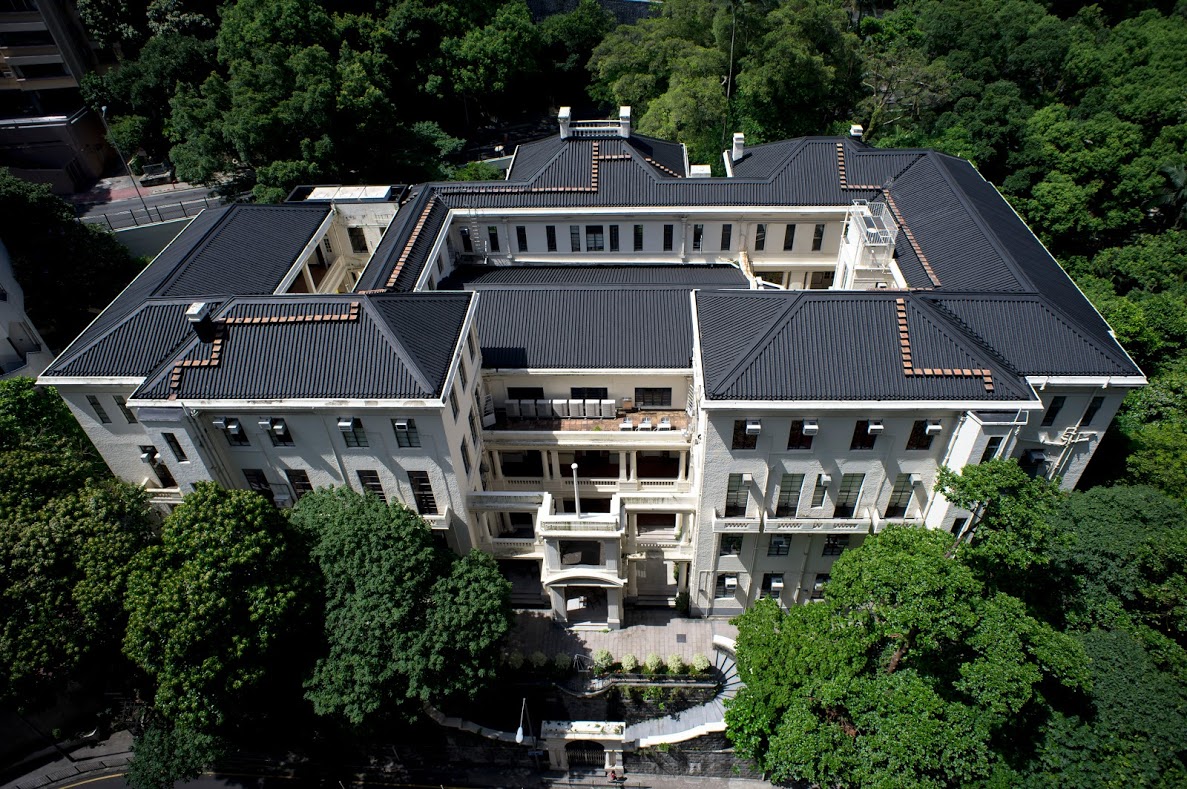
Last revision date: 5/12/2025


