 Secondary School Profiles 2025/2026


 Secondary School Profiles 2025/2026

| Address: | 2B Tai Cheong Street Sai Wan Ho | |||
| Phone: | 25684817 | Email: | school@hkcwcc.edu.hk | |
| Fax: | 25680336 | Website: | http://www.hkcwcc.edu.hk | |
School Mission
We provide a broad, high quality education to nurture students with such virtues as being a scholarly intellect, having a fine personality and a strong sense of responsibility to the community. Guided by our Motto "Knowledge and Perseverance", our students will achieve excellence in all aspects.
 School Information
 | District | : | Eastern |
| Other District(s) | : | |
| Supervisor / Chairman of School Management Committee | : | Dr. Man Yee Fun Evelyn |
| Principal (with Qualifications / Experiences) | : | Mr. Yeung Chi Keung (MSc, Cert. Ed., BSc.) |
| School Type | : | Aided |
| Student Gender | : | Co-ed |
| Area Occupied by the School | : | About 4645 Sq. M |
| Name of Sponsoring Body | : | The Hong Kong Chinese Women's Club |
| Incorporated Management Committee | : | Established |
| Percentage of School Supervisor and Managers / Chairperson and Members of School Management Committee (SMC) of Government Schools Fulfilling the Training Targets | : | Not Applicable |
| Religion | : | Not Applicable |
| Year of Commencement of Operation | : | 1978 |
| School Motto | : | Knowledge and Perseverance |
| Parent-Teacher Association | : | Yes |
| Student Union / Association | : | Yes |
| Past Students’ Association / School Alumni Association | : | Yes |
| 4Rs Mental Health Charter | : | Yes |
| Whole School Health Programme | : | Pledged School |
 Chargeable Fees (2025/2026)
| School Fee ($) | Tong Fai ($) | ||
| S1 | - | - | |
| S2 | - | - | |
| S3 | - | - | |
| S4 | - | $370 | |
| S5 | - | $370 | |
| S6 | - | $370 | |
| Parent-Teacher Association Fee (Annual) ($) | : $55 | ||
| Student Union / Association Fee ($) | : $20 | ||
| Approved Charges for Non-standard Items (Annual)($) | : $450 | ||
| Other Charges / Fees ($) | : - | ||
 School Facilities
 | Number of Classroom(s) | : | 25 |
| School Facilities | : | School Hall, 25 classrooms, 7 special rooms, 4 laboratories, Computer Rooms, Library, Playground and Covered Playground. The whole school is air-conditioned and equipped with node points and Wifi. All classrooms, special rooms and laboratories have been installed with desktop computers and Smart TV. Our library has installed some computers for students used in their spare time. The school has installed an infrared thermal imaging system to ensure that students returning to school have no fever. |
| Facility(ies) for Supporting Students with Special Educational Needs | : | Ramp, Accessible lift, Accessible toilet, braille and tactile floor plan, accessible public information / service counter and Evacuation Chair. |
 Teaching Staff Information (Including School Head) in the 2025/2026 School Year
 | Number of Teaching Posts in the Approved Establishment | : | 58 |
| Total Number of Teachers in the School | : | 60 |
| Qualifications and Professional Training | : | Percentage of Teaching Staff (%) |
| Had Received Teacher Training | : | 95% |
| Bachelor Degree | : | 100% |
| Master / Doctorate Degree or above | : | 57% |
| Special Education Training | : | 67% |
| Years of Experience | : | Percentage of Teaching Staff (%) |
| 0-4 Years | : | 18% |
| 5-9 Years | : | 12% |
| 10 Years or above | : | 70% |
 2025/2026 Class Structure
 | Number of Classes | ||
| S1 | : | 4 |
| S2 | : | 5 |
| S3 | : | 4 |
| S4 | : | 5 |
| S5 | : | 4 |
| S6 | : | 5 |
 Subjects Offered
 | Subjects Offered in the 2025/2026 School Year | : | S.1 - S.3 |
| Chinese as the Medium of Instruction | : | Chinese Language, Chinese History, Putonghua |
| English as the Medium of Instruction | : | S.1 & S.2: English Language, Mathematics, Geography, History, Citizenship, Economics and Society, Integrated Science, Computer Literacy, Music, Physical Education, Home Economics, Design & Technology, Visual Arts S.3: English Language, Mathematics, Geography, History, Economics, Life and Society, Physics, Chemistry, Biology, Computer Literacy, Music, Physical Education, Visual Arts |
| Adopt a Different Medium of Instruction by Class or by Group / School-based Curriculum | : | - |
| Subjects Offered in the 2025/2026 School Year | : | S.4 - S.6 |
| Chinese as the Medium of Instruction | : | Chinese Language, Chinese History |
| English as the Medium of Instruction | : | English Language, Mathematics, Economics, Geography, History, Tourism and Hospitality Studies, Business, Accounting & Financial Studies, Information & Communication Technology, Biology, Chemistry, Physics, Physical Education, Visual Arts, Music (S.4), Citizenship and Social Development |
| Adopt a Different Medium of Instruction by Class or by Group / School-based Curriculum | : | - |
| Subjects to be Offered in the 2026/2027 School Year | : | S.1 - S.3 |
| Chinese as the Medium of Instruction | : | Chinese Language, Chinese History, Putonghua |
| English as the Medium of Instruction | : | S.1, S.2: English Language, Mathematics, Geography, History, Citizenship, Economics and Society, Integrated Science, Computer Literacy, Music, Physical Education, Home Economics, Design & Technology, Visual Arts S.3: English Language, Mathematics, Geography, History, Economics, Citizenship, Economics & Society, Physics, Chemistry, Biology, Computer Literacy, Music, Physical Education, Visual Arts |
| Adopt a Different Medium of Instruction by Class or by Group / School-based Curriculum | : | - |
| Subjects to be Offered in the 2026/2027 School Year | : | S.4 - S.6 |
| Chinese as the Medium of Instruction | : | Chinese Language, Chinese History |
| English as the Medium of Instruction | : | English Language, Mathematics, Economics, Geography, History, Tourism and Hospitality Studies, Business, Accounting & Financial Studies, Information & Communication Technology, Biology, Chemistry, Physics, Physical Education, Visual Arts, Music (S.4), Citizenship and Social Development. |
| Adopt a Different Medium of Instruction by Class or by Group / School-based Curriculum | : | - |
 Secondary One Admission, Orientation Activities & Healthy School Life
 | Secondary One Admission | : | Our school will accept discretionary places. Our school will participate in the Secondary School Places Allocation System through central allocation stage (Applicable for admission to S.1 in September 2026 ).1. Academic attainment (Internal Assessment and EDB's Rank Order List): 45% 2. Interview performance & English proficiency: 40% 3. Conduct / ECA participation / posts taken / awards obtained: 15% |
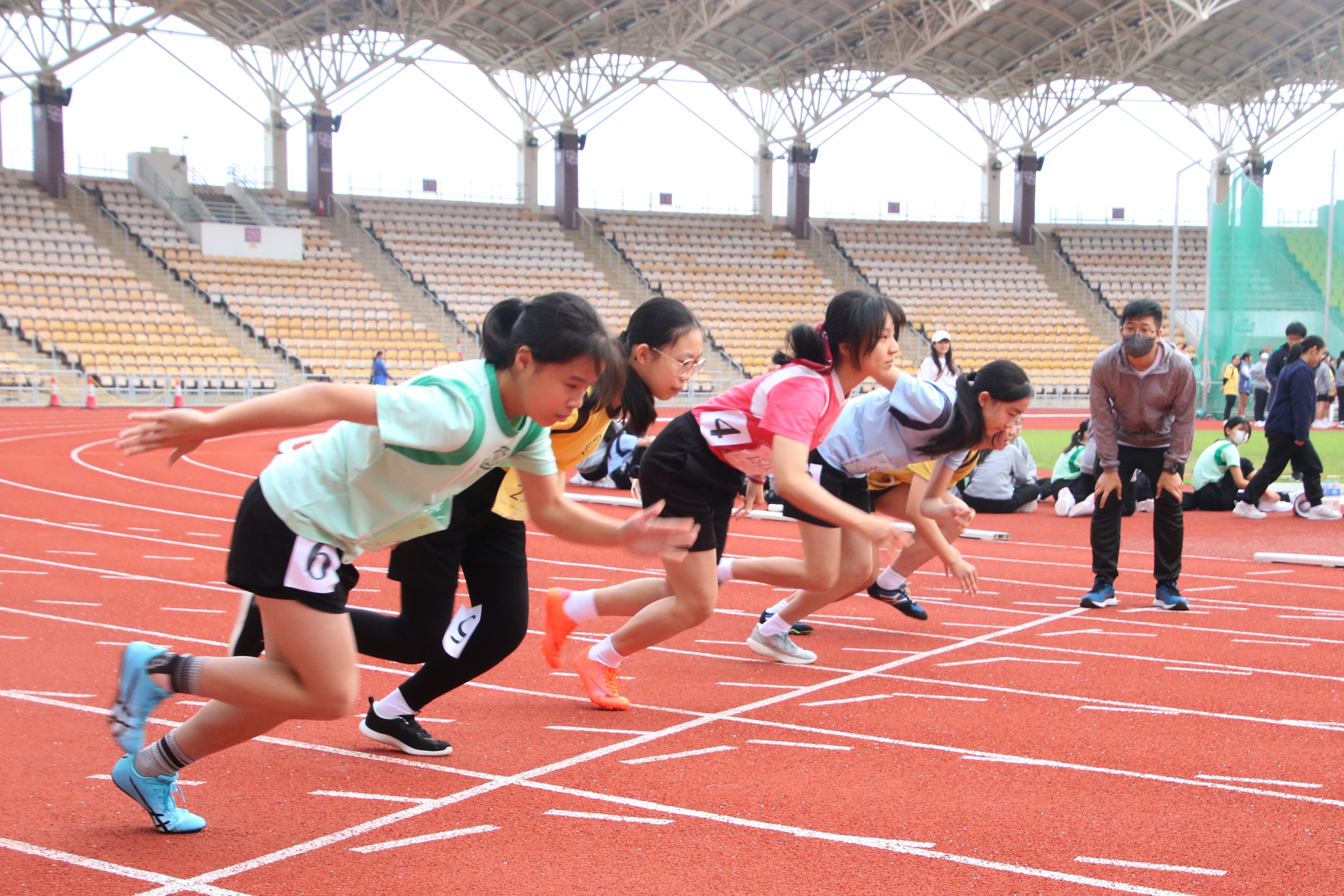
| Orientation Activities and Healthy Life | : | 1. S.1 students and parents orientation days in mid-July and late August. 2. Bridging programme for English Language and IT Orientation Day in mid-August. 3. Summer Reading Scheme for Chinese Language and English Language. 4. In order to cultivate a healthy learning atmosphere and a personal life and in accordance with an educational goal, a number of healthy school life activities are offered to students. A Pledge-taking Ceremony – My Pledge to Act: Be Grateful and Treasure What We Have, Stay Positive and Optimistic (Cherish Life, Be Healthy) was held at the beginning of the term. Other activities like Annual Athletic Meet and Youth Red Cross Health Ambassador Programme are to be continuously organized for students. |
 School Characteristics
 | School Management | ||
| (1) School's Major Concerns | : | Lighting our way through learning and opening our hearts to gratitude |
| (2) School Management Organisation | : | In order to implement the idea of all-round education thoroughly, there are committees and working groups responsible for the implementation of school administration, management and improvement of school premises and facilities, development of curriculum, promotion of civic, moral and environmental education and life-wide learning, provision of IT facilities, coordination of extra-curricular activities, staff development, school self-evaluation and uniting all staff, parents and alumni. |
| (3) Incorporated Management Committee / School Management Committee / Management Committee | : | Incorporated Management Committee was established to reinforce the culture of accountability and transparency so that the school learning and teaching environment and its effectiveness can be further enhanced under the scrutiny of the committee members incorporating the principal, representatives from the school sponsoring body, teachers, parents, alumni and community members who are all committed to the advancement of the school, and practically participate in the school decision-making. We deem it forward-looking and keeping in time with the world's trend. |
| (4) School Green Policy | : | With the aim of raising students’ awareness towards the environmental protection, various activities are to be held to let students put knowledge into practice, including waste classification and recycling activities, eco-tours, beach clean-ups, and external green competitions. The goal of such green education is to cultivate students’ love of the environment and the nature. |
| Learning and Teaching Plan | ||
| (1) Whole-school Language Policy | : | All the subjects, except Chinese Language, Chinese History, and Putonghua, adopt English as the medium of instruction (EMI). In fact, our school pays a lot of attention to students' bi-literate and tri-lingual ability inside and outside the classroom. Many kinds of activities conducive to the acquiring of reading, writing, listening and speaking skills have been enhanced. |
| (2) Learning and Teaching Strategies | : | The emphasis is on the development of language proficiency. Through programmes such as "Reading to Learn", "Learning through Research", and the student-centred interactive mode of learning, generic skills can be developed and this lays a sound foundation for students' life-long learning. A student-centred, pluralistic curriculum is provided to develop students' independent learning and higher-order thinking skills for life-long learning. |
| (3) School-based Curriculum | : | 1. Electives: 2X and 3X. Students with excellent results can take one additional subject on self-study basis. No special subject grouping. 2. Curriculum highlights: A. Classroom learning and teaching is characterized by: (i) Student-centered learning and teaching approach to help students to tackle the SS curriculum; (ii) Extended-learning beyond the classroom context is used to develop potential students by means of co-curricular projects, life-wide learning opportunities and other learning experiences, such as service learning (S.2 & S.4 voluntary service project); (iii) The enhancement of students’ language skills to meet the requirements of the subject specialty. The following are adopted: (1) Bridging programme of English Language and IT Orientation activity for all S.1 students. (2) Split-class teaching in Chinese Language Oral, S.1 – S.6 English and senior form Chinese. (3) Through STEAM education to arouse students' interest towards related disciplines and enhance their generic skills. (4) The “Reading to Learn” scheme is launched with a morning reading session which is fixed in the timetable and students, teachers are invited to share every month. (5) The tutorial classes for S.1 to S.6 students. (iv) Strengthening collaboration across curricular to cater for learner differences and to refine assessment tools. B. Teacher Training and Sharing Session (i) Teachers are informed of the latest development of SS curriculum and assessment through briefing and discussion in staff meetings, Staff Development Day and teachers' participation in external seminars. (ii) There are several teacher base-group discussions and staff meetings on the SS preparation, including offer of electives, timetabling and preparing junior form students for SS subject choice. (iii) Cross-KLA coordination and collaboration is strengthened. |
| (4) Major Renewed Emphases in the School Curriculum | : | 1. Reading to learn: The "Reading to Learn" scheme is launched as a whole-school approach. A morning reading session is fixed in the timetable and students are invited to share every month. Book fairs are scheduled from time to time and during Parents' Days to enhance the reading atmosphere. 2. Information Technology for interactive learning: Our school keeps on improving the IT facilities. All classrooms and special rooms are installed with networked desktop computers and Smart TV. Wifi service is provided in all classrooms and special rooms. Students are encouraged to bring their own electronic devices for learning. All teachers are provided with notebook computers for teaching. Students are encouraged to make use of the Internet and the school IT facilities. They can use networked computers during recess and after school in the library and in computer rooms. 3. Project Learning: In order to cultivate students' public spirit and the collaboration skills, Secondary 2 students are involved in a voluntary service project. There are also different subject-based projects to enhance students' self-learning and problem-solving skills. 4. Civic, Moral and Environmental Education: In order to cultivate students' senses of belonging to the school and our mother country and enhance students' sense of caring for the society, a number of Morning and Hall Assembly Talk titled "Online Social Pressure", "Our Motherland", "Don't fall into "etomidate" trap", "Forget Your Path", "Push Your Limits", "Stand by the Elderly", "Healthy Sleep", "The Empathetic Heart", "Digital Literacy for a Responsible Future", "Inclusive Education", "Our Pride" are to be organized for students. |
| (5) Life Planning Education | : | Life Planning and Career Team collaborates with the universities and other guidance organizations to foster students' self-understanding, personal planning, goal setting, reflective thinking and articulation to progression pathways. For examples, University Visits, JUPAS Talks, Interview Workshops, Workplace Visits, personality analysis, etc. |
| Student Support | ||
| (1) Whole School Approach to Catering for Learner Diversity | : | A whole school approach is adopted to cater for student diversity. To facilitate students to learn effectively, support materials are used in lessons. Moreover, training programmes are offered to meet the developmental needs of students and promote their healthy growth. With the help of the educational psychologist assessment and counselling services were given to our students. |
| (2) Whole School Approach to Integrated Education | : | A whole school approach is adopted to support students with special educational needs. The Student Support Team, led by the Special Educational Needs Coordinator, deploys various resources flexibly to facilitate early identification and early support for students according to their needs. Besides, the school-based speech therapist provides speech and language assessments and individual treatment for students. Moreover, assessment accommodations are arranged for students so that they will be assessed fairly and objectively in school tests and exams. |
| (3) Education Support for Non-Chinese Speaking (NCS) Students | : | Our school provides additional support for NCS students to facilitate their learning of Chinese: providing after-school support programmes in learning Chinese; and organising activities to create an inclusive learning environment in the school. |
| (4) Measures to Provide Adaptation for Learning and Assessment | : | We emphasize continuous and integrated assessment. Due attention is paid not only to tests and examinations but also to pre-study, participation in class activities and assignments. |
| Home-School Co-operation and School Ethos | ||
| (1) Home-School Co-operation | : | PTA has organized a variety of fun-filled and meaningful activities for parents and students. Activities such as, interest Classes, Secondary 1 Students and Parents Orientation Days and Secondary 1 to 3 Parents Days. Apart from the above-mentioned activities, the Parents Choir was set up. A Parent helper's team assisted in the Open Days and parents also actively participated in Annual Athletic Meet. |
| (2) School Ethos | : | Our school has established a harmonious environment and caring ethos. Students are polite, self-disciplined, good in nature and they support one another. The Student Support and School Ethos Domain comprises the Discipline Committee, the General Guidance Team, the Life Planning and Career Team, the Civic, Moral and Environmental Education Committee and the ECA Committee. They work collaboratively and formulate the educational theme of the year by the self-evaluation mechanism. Various programmes on the student development of nurturing positive attitudes and values are implemented through the Hall Assemblies, Class Assemblies, Morning Assemblies and Home Periods. |
| Future Development | ||
| (1) School Development Plan | : | 1. To enhance self-directed learning strategies for academic achievements; to equip students with essential generic skills for upcoming challenges; and to further cultivate a supportive environment for learning. 2. To further enhance students' well-being in a supportive atmosphere; to instill positive values in students with the focus on empathy and forgiveness; and to empower students' self-assurance in pursuing their dreams through the development of national identity. |
| (2) Teacher Professional Training and Development | : | All teachers thrive hard to further their studies, participate in seminars and in-services training courses. To cope with the development in education, the teachers use interactive teaching methods which are student-centred. |
| Life-wide Learning (Including Five Essential Learning Experiences to be Provided through Key Learning Areas, Extra-curricular Activities, Co-curricular Activities, etc.) | : | In accordance with our educational goal, a great number of extra-curricular activities are offered to students. A great variety of about forty extra-curricular activities including the academic groups, sports groups, interest groups, service groups and uniform groups provide ample opportunities for students to develop their nine generic skills and their spirit to serve the community. In addition, tutors with various kinds of expertise are hired to train the School Band, String Orchestra, Chinese Orchestra, Dance Group, Basketball Team, Volleyball Team, Badminton Team, Soccer Team, Table-tennis Team, Athletics Team, Indoor Rowing Team, Rope Skipping Team, Calligraphy Class, Drama Club and students who are interested in Putonghua Verse Speaking to enhance students' development of their full potential. |
| Others | : | Please refer to school website. |
| Direct Public Transportation to School | : | Bus: 2, 2A, 2X, 14, 19, 77, 81, 81A, 82, 85, 99, 529, 720, 720A, M722, etc. MTR: Sai Wan Ho Station Exit B |
| Remarks | : | - |
 School Map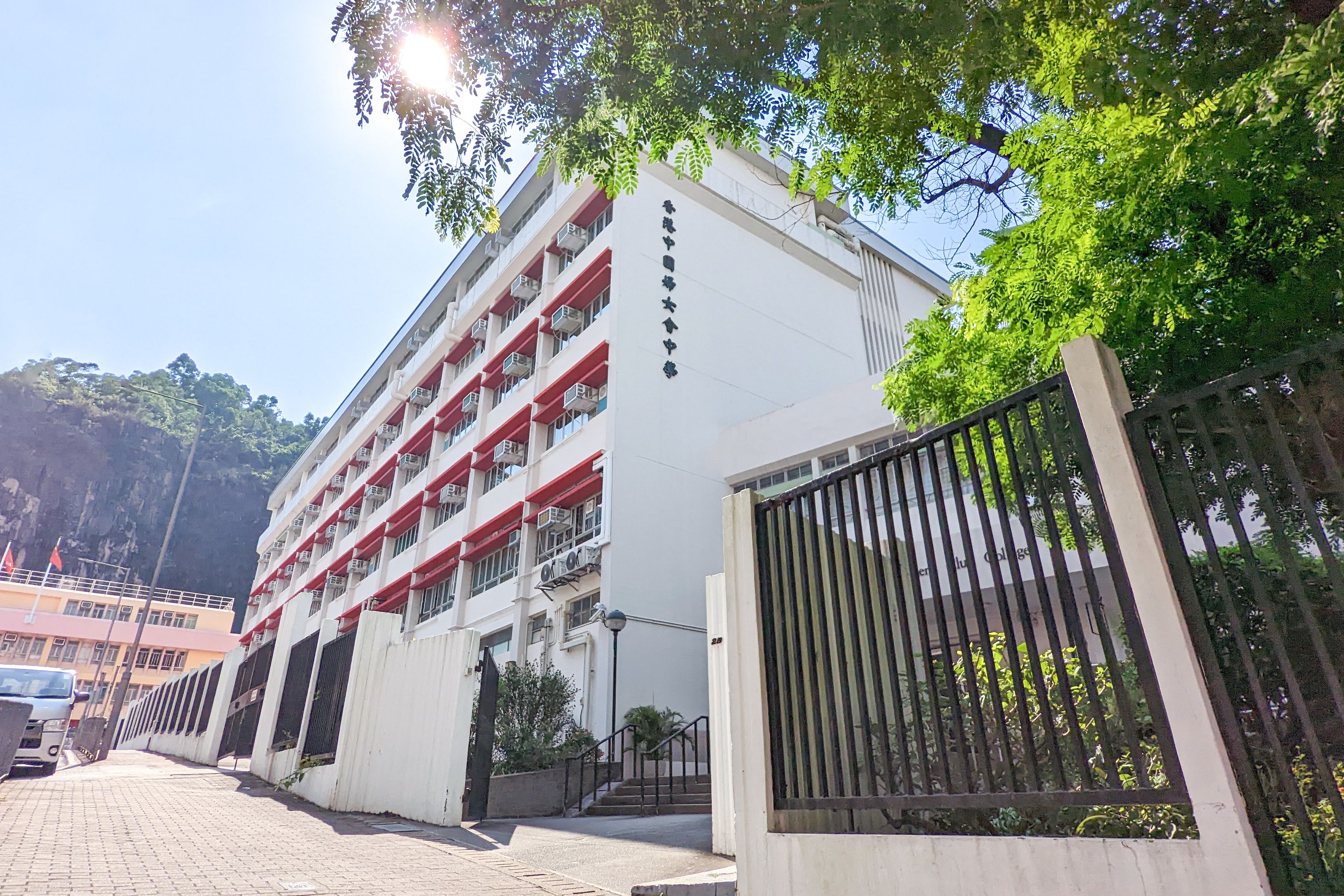

Last revision date: 5/12/2025


