 Secondary School Profiles 2025/2026


 Secondary School Profiles 2025/2026

| Address: | Kam Tsin Village Sheung Shui | |||
| Phone: | 26700443 | Email: | email@delasalle.edu.hk | |
| Fax: | 26790161 | Website: | https://www.delasalle.edu.hk/ | |
School Mission
We believe each and every boy and girl in our school is unique and precious. We aim to touch the hearts of our students by loving, respecting, and nurturing them. With our firm commitment to fulfill the Lasallian Spirit of Faith, Zeal, and Community, we seek to provide a high quality human and Christian education to our students so that they can realize their full potential.
 School Information
 | District | : | North |
| Other District(s) | : | |
| Supervisor / Chairman of School Management Committee | : | Mr. Cheng Tai Man |
| Principal (with Qualifications / Experiences) | : | Dr. Lo Kwok Fai Timmy (Doctor of Education — Leadership and Policy Studies, Master of Science — Educational Application of Information Technology, Postgraduate Diploma in Education — Specialization in Mathematics Education, Bachelor of Science —Electrical Engineering) |
| School Type | : | Aided |
| Student Gender | : | Co-ed |
| Area Occupied by the School | : | About 13000 Sq. M |
| Name of Sponsoring Body | : | The Director in Hong Kong of St. Joseph's College |
| Incorporated Management Committee | : | Established |
| Percentage of School Supervisor and Managers / Chairperson and Members of School Management Committee (SMC) of Government Schools Fulfilling the Training Targets | : | 85% |
| Religion | : | Catholicism |
| Year of Commencement of Operation | : | 1965 |
| School Motto | : | Fides et Caritas |
| Parent-Teacher Association | : | Yes |
| Student Union / Association | : | Yes |
| Past Students’ Association / School Alumni Association | : | Yes |
| 4Rs Mental Health Charter | : | Yes |
| Whole School Health Programme | : | Action School |
 Chargeable Fees (2025/2026)
| School Fee ($) | Tong Fai ($) | ||
| S1 | - | - | |
| S2 | - | - | |
| S3 | - | - | |
| S4 | - | $360 | |
| S5 | - | $360 | |
| S6 | - | $360 | |
| Parent-Teacher Association Fee (Annual) ($) | : $30 | ||
| Student Union / Association Fee ($) | : $15 | ||
| Approved Charges for Non-standard Items (Annual)($) | : Quality School Campus Development Fee: $350 | ||
| Other Charges / Fees ($) | : Replacement of student card: $25 | ||
 School Facilities
 | Number of Classroom(s) | : | 26 |
| School Facilities | : | 1. Classrooms and Facilities: All classrooms, special rooms and the School Hall are fully-equipped with air-conditioning, audio systems, computers, visualizers and projection systems. 2. Sports facilities: Grass Football Pitch, Handball and Basketball Courts, a Physical Fitness Center, an Archery Facility, Badminton Courts and Table-tennis Practice Corner. 3. Special rooms: Library, Study Rooms for senior-level students, English Corner, Social Worker Room, Campus TV Station, Automated Weather Station, 2 Computer Rooms, Music Room, Design and Technology Room, Visual Arts Room and Geographical Exploration Room, Integrated Science Laboratory, Physics Laboratory, Chemistry Laboratory and Biology Laboratory, Multi-purpose Room, Student Activities Centre, School Chapel, PTA Room, STEAM MakerSpace, BioSTEAM, Mindfulness Space, Cattery, Hall and Ground Hall. |
| Facility(ies) for Supporting Students with Special Educational Needs | : | Ramp, Accessible lift and Accessible toilet. |
 Teaching Staff Information (Including School Head) in the 2025/2026 School Year
 | Number of Teaching Posts in the Approved Establishment | : | 62 |
| Total Number of Teachers in the School | : | 64 |
| Qualifications and Professional Training | : | Percentage of Teaching Staff (%) |
| Had Received Teacher Training | : | 83% |
| Bachelor Degree | : | 100% |
| Master / Doctorate Degree or above | : | 34% |
| Special Education Training | : | 63% |
| Years of Experience | : | Percentage of Teaching Staff (%) |
| 0-4 Years | : | 36% |
| 5-9 Years | : | 17% |
| 10 Years or above | : | 47% |
 2025/2026 Class Structure
 | Number of Classes | ||
| S1 | : | 3 |
| S2 | : | 4 |
| S3 | : | 4 |
| S4 | : | 5 |
| S5 | : | 4 |
| S6 | : | 4 |
 Subjects Offered
 | Subjects Offered in the 2025/2026 School Year | : | S.1 - S.3 |
| Chinese as the Medium of Instruction | : | Chinese Language, Putonghua, Chinese History, History*(S.1, S.2), Mathematics (S.1*, S.2*, S.3), Science*, Computer Literacy*, Visual Arts*, Music*, Physical Education, Design and Technology(S.1, S.2*), Ethics and Religious Studies*, Life and Society(S.3), Citizenship, Economics and Society*(S.1, S.2), Geography (S.3) |
| English as the Medium of Instruction | : | English Language |
| Adopt a Different Medium of Instruction by Class or by Group / School-based Curriculum | : | - |
| Subjects Offered in the 2025/2026 School Year | : | S.4 - S.6 |
| Chinese as the Medium of Instruction | : | Chinese Language, Mathematics, M1, Citizenship and Social Development, Chinese History, Geography, Economics, Physics, Chemistry, Biology, Tourism and Hospitality Studies, Visual Arts, Information and Communication Technology, Physical Education, Religious Studies (S.5), ApL (Digital Construction, Digital Comic Design and Production, Western Cuisine, Hotel Operations, Vocational English--English Communication) |
| English as the Medium of Instruction | : | English Language |
| Adopt a Different Medium of Instruction by Class or by Group / School-based Curriculum | : | - |
| Subjects to be Offered in the 2026/2027 School Year | : | S.1 - S.3 |
| Chinese as the Medium of Instruction | : | Chinese Language, Putonghua, Chinese History, History* (S.1, S.2), Mathematics (S.1*, S.2*, S.3), Science*, Computer Literacy*, Visual Arts*, Music*, Physical Education, Design and Technology (S.1, S.2*), Ethics and Religious Studies*, Citizenship, Economics and Society*, Geography* (S.3) |
| English as the Medium of Instruction | : | English Language |
| Adopt a Different Medium of Instruction by Class or by Group / School-based Curriculum | : | - |
| Subjects to be Offered in the 2026/2027 School Year | : | S.4 - S.6 |
| Chinese as the Medium of Instruction | : | Chinese Language, Mathematics, M1, Citizenship and Social Development, Chinese History, Geography, Economics, Physics, Chemistry, Biology, Tourism and Hospitality Studies, Visual Arts, Information and Communication Technology, Physical Education, Religious Studies (S.5), ApL (Digital Construction, Digital Comic Design and Production, Western Cuisine, Hotel Operations, Vocational English--English Communication) |
| English as the Medium of Instruction | : | English Language |
| Adopt a Different Medium of Instruction by Class or by Group / School-based Curriculum | : | - |
*Subjects with Extended Learning Activities (ELA) in English
 Secondary One Admission, Orientation Activities & Healthy School Life
 | Secondary One Admission | : | Our school will accept discretionary places. Our school will participate in the Secondary School Places Allocation System through central allocation stage (Applicable for admission to S.1 in September 2026 ).Admission criteria for S.1 discretionary places: Interview performance 40%; Academic results 30%; ECA performance 30%. |
| Orientation Activities and Healthy Life | : | The S.1 summer induction program provides a series of learning and experiential activities in two phases including English Bridging Course, team building, physical and mental health activities, Orientation Day and training on school routine and learning skills, etc. We also offer talks on secondary school life and experiential activities to parents of new S.1 students. Through this program, parents can obtain more information and experience of the school life at DLS. The school promotes a balanced diet with less meat and more vegetables. We seek to enhance the understanding of physical and mental health and promote positive attitude and anti-drug education through activities and programs like P.A.T.H.S., leadership training programs, talks, writing competitions, slogan and comics competitions, sport activities and teacher sharings. |
 School Characteristics
 | School Management | ||
| (1) School's Major Concerns | : | 1. Enhancing the English language environment to improve students' proficiency in English. 2. Establishing a student-centered approach to foster Self-Directed Learning abilities. 3. Promoting positive education to create a harmonious and joyful campus. |
| (2) School Management Organisation | : | With the implementation of school-based management, School Improvement Team and Administration Board are established to allow participation of more teachers in the process of policy making. The three Vice Principals supervise the School Administration and Development, Learning and Teaching Development and Students' Growth and Development. Review and optimize school curricular and policies to promote and enhance students' learning effectiveness and student development policies to provide appropriate support and care. |
| (3) Incorporated Management Committee / School Management Committee / Management Committee | : | The Incorporated Management Committee consists of Lasallian Brother, principal, alumni, teachers, parents and various professionals. It steers the developmental direction of the school and monitor the mechanism of operation for enabling the betterment of school governance. |
| (4) School Green Policy | : | 1. To provide recycling bins to facilitate the recycling process. 2. To discontinue the sale of the bottled water and raise students’ awareness about the use of reusable and water bottles. 3. To promote environmental education by organizing seminars on environmental issues and facilitating student participation in programme. |
| Learning and Teaching Plan | ||
| (1) Whole-school Language Policy | : | 1. Mother tongue is used as the medium of instruction, with Putonghua taught in junior forms. The whole school focuses on enhancing students’ English proficiency and implementing the “biliteracy and trilingualism”. 2. Implementation of "English Extended Learning Activities" integrates English into the learning content of various junior secondary subjects. 3. Implementation of the "English Language Environment Enrichment Programme" includes English Days, English interest activities, and annual visits to overseas Lasallian schools. School-based English curriculum reform, teachers developed teaching materials to cater to learning diversity and enhance learning effectiveness. 4. Utilization of additional resources, such as funding from the Project WeCan, new arrival children support grants, school-based after-school learning and support subsidies, language funds, etc., to provide small-group English teaching and after-school English courses. |
| (2) Learning and Teaching Strategies | : | 1. Strengthening the English atmosphere and enhancing students’ English proficiency, the school continuously optimises the English learning environment. A wide range of English-related activities, including cross-curricular events, are organised. In junior forms, each year group is divided into six ability-based groups from four classes, with the school-based curriculum tailored, thereby catering for students of different abilities. 2. Aims to foster student-centred autonomous learning. Subject learning design is optimised, with subject teachers incorporating various elements of self-directed learning into the curriculum to help students develop independent learning skills. The school leverages existing differentiated instruction schemes and peer lesson observation programmes to continuously improving teaching effectiveness. 3. Brain-based teaching is a scientifically grounded instructional strategy that builds on understanding the characteristics of students’ brains. Teachers implement relevant strategies in lessons to stimulate students’ interest in learning and help them master knowledge. Our teachers have already mastered the key points of these strategies and have been awarded Silver Certification, using this to further promote students’ autonomous learning in their teaching. 4. Introduced a Virtual Learning Environment (VLE). Students may submit assignments and access learning resources via the platform using their mobile phones or tablets. The VLE also offers assessment and marking functions, enabling teachers to mark assignments or arrange tests and examinations efficiently, thus providing prompt feedback to students and monitoring their learning progress. It has become a valuable tool for teachers in designing daily learning, teaching and assessment activities. The VLE also facilitates diversified assessment methods, strengthening feedback and thereby improving both learning and teaching. |
| (3) School-based Curriculum | : | 1. Electives: 2X, 3X and 4X. Based on student interest and competence, more than 20 combinations of electives can be chosen by senior students to fit for their needs. 2. Curriculum highlights: Our school is committed to developing a school-based curriculum tailored to the characteristics and needs of our students. The STEAM Development Plan aims to establish an interdisciplinary school-based curriculum at the junior secondary level, providing all students with opportunities to experience how knowledge from different subjects can be integrated and applied to problem-solving. Through thoughtful curriculum design, we foster students’ capacity for autonomous learning. At the same time, a variety of curriculum activities are organised to stimulate students’ interest in STEAM-related subjects, nurturing creativity, collaboration and problem-solving skills, and ultimately achieving the goal of lifelong learning. |
| (4) Major Renewed Emphases in the School Curriculum | : | 1. Implementation of a Whole-School Reading Initiative: Morning reading, reading sharing sessions, reading awards, extensive reading programs, book fairs, author talks, paired reading programs between teachers and students, and other related activities. 2. Utilization of Information Technology for Interactive Learning: The entire school is equipped with WiFi coverage, and all classrooms have interactive touch screens. iPads are also available for students to use during lessons. Through collaborative learning strategies and student-centered exploratory learning, interactive learning is further deepened. 3. Junior Secondary Thematic Learning Program: S.1 and S.2 STEAM curriculum will incorporate elements of national education—specifically, food security—into existing themes of poverty and hunger. In addition to integrating related materials into Chinese and English, Citizenship, Economics, and Social Studies will launch project-based research programs (focusing on social inclusion). These experiences aim to foster students’ holistic development through firsthand participation. 4. Moral, Civic, and National Education: The Student Growth and Support Committee coordinates the formulation of moral, civic, and national education policies. Through activities organized by various subjects and groups, students are encouraged to develop twelve core values and attitudes. |
| (5) Life Planning Education | : | 1. P.A.T.H.S. is the core element of the junior form CLP curriculum. It consists of 12 units, covering different youth developmental needs. The lessons are conducted with reference to aspects of the individual, family, peers, schools and society. In order to facilitate students to prepare for the senior secondary curriculum and to set up appropriate learning objectives, Life-planning Workshops and Further Studies Guidance Talks are given to S.2 and S.3 students. 2. 'Gear Up' Scheme is also provided for senior form students to help them establish goals related to the HKDSE and career development, to help them maintain morale and the motivation to learn. |
| Student Support | ||
| (1) Whole School Approach to Catering for Learner Diversity | : | 1. Chinese Language, English Language, and Mathematics are taught in groups or through collaborative teaching at certain levels. 2. For many years, the school has benefited from the Education Bureau's school-based support services, which provide on-site support for English Language. This has helped to enhance curriculum design and teaching effectiveness, as well as address students' learning differences. 3. Support for newly arrived students in Hong Kong: English and social adaptation courses are organised. 4. Students' horizons are broadened through study tours. |
| (2) Whole School Approach to Integrated Education | : | The Inclusive Education Team leads the planning, implementation, review, and evaluation of measures tailored to students with special educational needs. The team's composition includes the SEN Coordinator, student counselor, support teachers, social workers, and teaching assistants. Uses the Learning Support Grant to provide students with appropriate and diverse support services through a "3-tier support model". Tier 1: Weekly assembly are conducted to raise awareness of different challenges faced by people in society, and inclusive activities. Tier 2: Small group teaching, concentration classes, music, art, and horticultural therapy groups. Tier 3: Educational psychologists, parents, and class teachers regularly develop and review Individualized Educational Plans. |
| (3) Education Support for Non-Chinese Speaking (NCS) Students | : | Our school provides additional support for NCS students to facilitate their learning of Chinese: providing after-school support programmes in learning Chinese; and organising activities to create an inclusive learning environment in the school. |
| (4) Measures to Provide Adaptation for Learning and Assessment | : | 1. Two uniform tests and two exams are conducted annually. Regular quizzes and diversified mid-term assessments. 2. School provides adaptation scheme of assessments for students with special education needs. |
| Home-School Co-operation and School Ethos | ||
| (1) Home-School Co-operation | : | 1. To strengthen communication between parents and the school through messages sent directly via a mobile phone app, regular School Newsletter, Parent-Teacher Association Newsletter, and direct phone communication and talks during Parent Days with Class Teachers. 2. A variety of activities are organized by the Home-School Co-operation Committee and the Parent-Teacher Association, such as handicraft workshops, cooking workshops, outings, parenting talks, and other workshops. 3. To strengthen the partnerships between parents and the school, and to promote parental education for the healthy and balanced development of students. |
| (2) School Ethos | : | 1. We provide a caring education by touching students' hearts and promoting mutual care among students on the basis of Catholic beliefs and the vision of St. John Baptist de La Salle. 2. Simplicity and serious discipline are the school's ethos. A dual Class Teacher system has been adopted. 3. An award scheme has been established to show appreciation for students’ good behavior and to raise their self-confidence. 4. Activities are held to enhance students’ responsibility, self-image and self-expectation. |
| Future Development | ||
| (1) School Development Plan | : | 1. To improve students' proficiency in English is one of the school's major concerns. A school-based curriculum, extra-curricular activities, after-school enhancement classes and IT in education have been implemented to improve student English language. 2. Integrating STEAM curricula and utilizing the "MakerSpace" (STEAM Learning Center) to inspire and realize students' creativity and problem-solving skills. 3. The library has been expanded and redesigned to become a multi-purpose space incorporating a computerized library, an English activity corner, a self-study resource room, and a mini-performance area. It aims to facilitate a wide range of learning activities both inside and outside the classroom, providing students with an enhanced learning environment. 4. Create a Mindfulness Space that offers a peaceful environment and organize various activities to relax and rejuvenate the body and mind, to help teachers and students cope with daily stress and maintain physical and mental well-being. 5. With the generous support of alumni, teaching resources have been enhanced to actively improve students' self-directed learning abilities, while broadening their horizons through diverse and enriching learning experiences. 6. Establishment of the school chapel, physical fitness centre, cultural corner, Café De La Salle, increase of classrooms, expansion of the indoor space for activities and improvement of greenery. |
| (2) Teacher Professional Training and Development | : | 1. A series of training workshops in seven years based on Brain-based Learning theory is provided for teachers to develop a Brain-based Learning Professional Community. 2. The organization, support and coordination of teacher continuing professional development activities and training. 3. The promotion of school-based class observation activities to develop a professional learning community. 4. A mentoring system has been set up to offer professional support to new teachers. |
| Life-wide Learning (Including Five Essential Learning Experiences to be Provided through Key Learning Areas, Extra-curricular Activities, Co-curricular Activities, etc.) | : | Student Union, Four Houses, Catholic Society, Lasallian Youth Movement, Flag-guards Team, Scouts, Hong Kong Red Cross, Junior Police Call, Community Youth Club, Voluntary Services Team, Chinese Club, English Club, Mathematics Club, Science Club, Geography Club, Economics Club, National History Club, Reading for Excellence, Maker Group, Debate Team, Art Club, School Choir, Musical Instruments Class, Percussion Team, Chinese Calligraphy Society, Dance Group, Chess & Bridge Club, Home Economics Club, Gardening Club, Photographic Society, La Salle Drama Club, Dragon Lion Dance Team, Taekwondo Team, P.E. Club and School Teams, Fencing Club, Campus TV Student Team, Co-curricular Activities Student Team, Moral and Civic Education Student Team, Prefect,DLS Etiquette Ambassador, Dream Compassioneers Service Club, Student Librarian, etc. |
| Others | : | Examples of places of local university departments offered by JUPAS in recent years: HKU: Education & Science, Engineering; CUHK: Science; HKUST: International Research Enrichment IRE, Science; HKPU: Civil Engineering, Chemical Technology, Hotel Management, Electrical Engineering, Electronics & Information Engineering; CityU: English, Electrical Engineering; HKMU: Corporate Management, Business Management, Data Science & Artificial Intelligence, Nursing, International Hospitality and Attractions Management; HKBU: China Studies etc. The average percentage of our graduates who have pursued degree programs locally, in Mainland, Taiwan, and overseas over the past five years is 30%. Examples of prizes of inter-school competitions won in 2020-2025: Hong Kong Schools Speech Festival: Thematic Group Speaking: 1st Place Hands-on Stage Puppetry Competition organized by the EDB NET Section: 2nd Place, 3rd Place and Best Puppet Design Award The Water Rocket Competition organized by The Hong Kong Aeromodel Association Limited: 1st runner-up (Boy); Champion (Girl) Music competition (Secondary School) organized by Joint School Music Association: a variety of Prizes. International Youth Talent Musician Competition, Winner New Territories Secondary Schools Outstanding Athlete Award All Hong Kong Inter-School Rugby Sevens Competition Champion (Boys A, B, C Grade) Apart from helping students to apply for the scholarships and grants provided by various organizations, the school also offers the following scholarships and bursary: DLSAA offers multiple Scholarships; Br. Felix Scholarship; Positive Scholarship, English Activity Scholarship, Parent-teacher Association Scholarships. |
| Direct Public Transportation to School | : | Buses: 76K Minibuses: 50A, 50K, 51K |
| Remarks | : | "Extended learning activities in English" is provided in most subjects (except Chinese Language, Putonghua and Chinese History) starting from S.1 since 2017/2018. Applied Learning curriculum and "Other Languages curriculum (Japanese and French)" are provided for senior form students. We offer religious education and a variety of learning experiences for the students to enrich their learning experiences and record the student's performance in the SLP. |
 School Map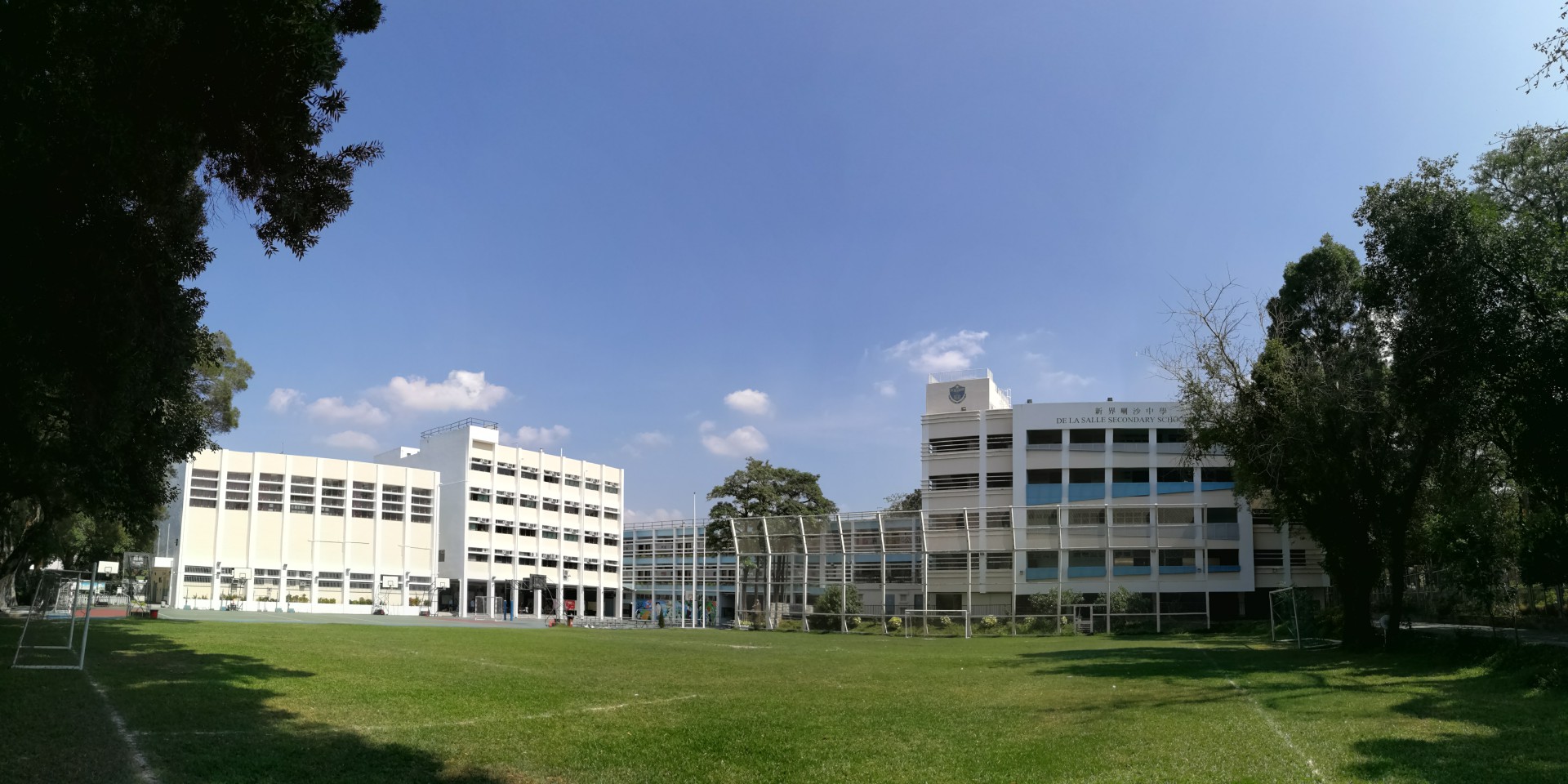
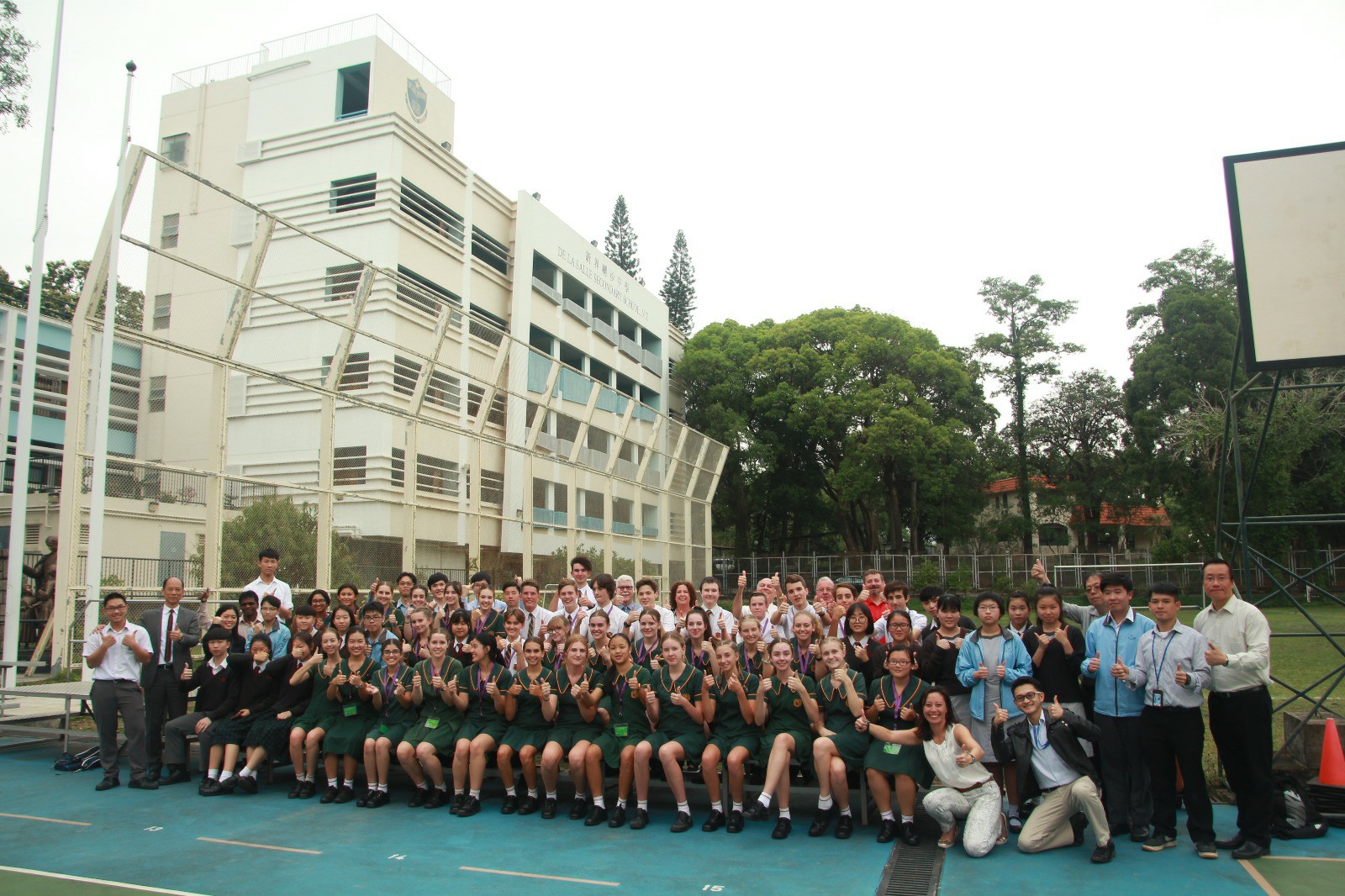
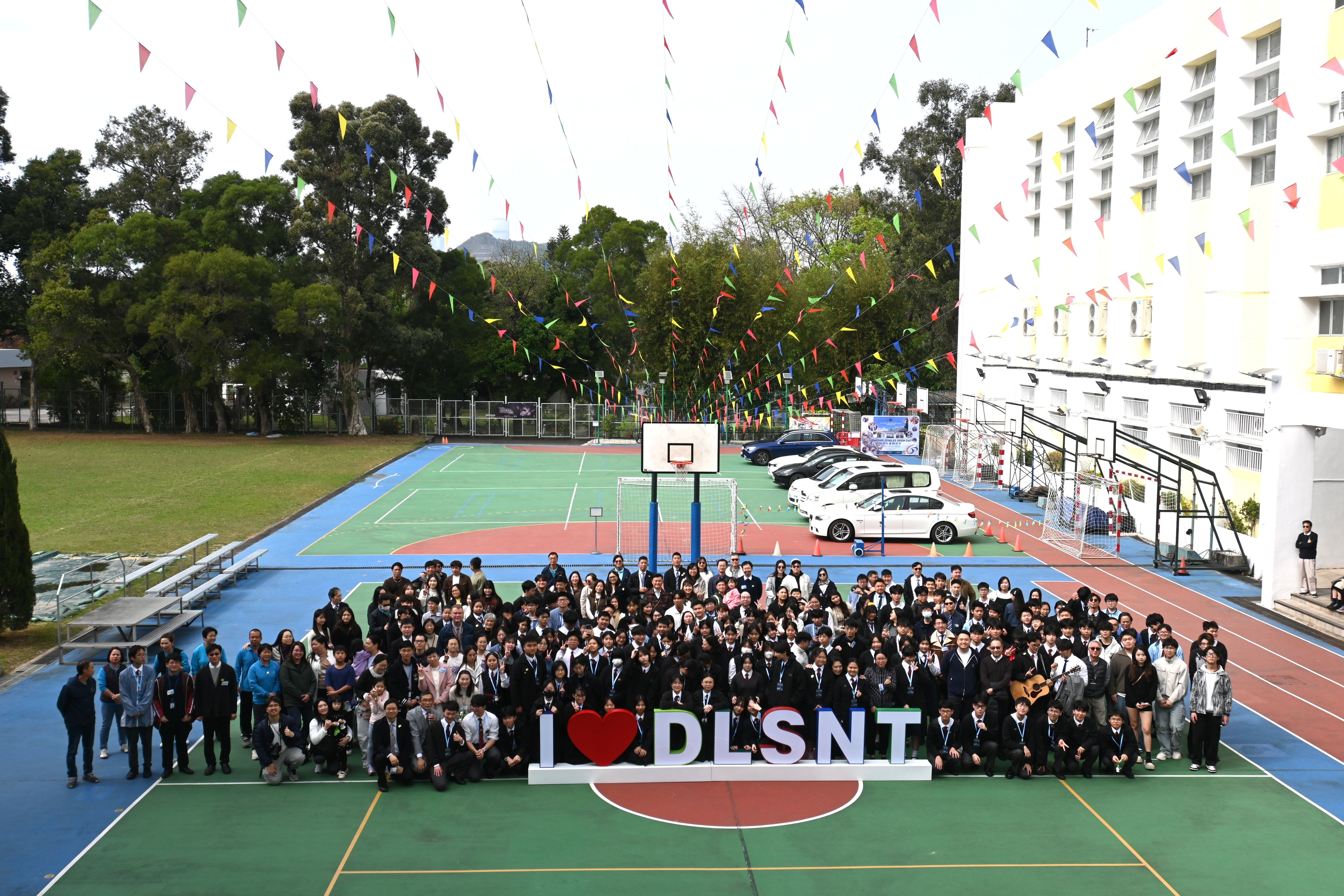

Last revision date: 5/12/2025


